FAQS


FREQUENTLY ASKED QUESTIONS
Q What’s included in your survey?
A damp survey is a detailed inspection of a property to determine the presence, location and extent of any dampness. It typically includes testing for condensation, ground moisture, rising damp among other issues. It can also include tests for other environmental factors. The survey results will be used to inform any necessary remedial works that may need to be undertaken.
QHow long will a survey take?
Damp surveys are quick and easy to complete, often taking no more than an hour. The surveyor looks for visible signs of dampness, such as patches on walls and ceilings, building defects or indicators of potential problems. They will also take moisture readings using specialist equipment. This detailed investigation provides peace of mind that your home is safe, dry and free from damage caused by damp.
QWhat are my options after a survey?
After you receive our report our survey will help you negotiate a better price if your buying a property or if you just need the survey before you do any renovations on your property we can help you find and suitable contractor.
QWhat is the cost of the damp survey?
The survey costs £240, including VAT.
QHow long does it take to receive the report?
We aim to get the professional damp report to you within 24hrs.
QWhat is the best prevention from damp attacking my home?
We recommend an annual damp inspection from London Damp Surveys, a company that services all boroughs of London. Using state-of-the-art equipment, our fully qualified damp surveyors can identify damp, mould and timber rot with a detailed building survey.
QWhat is Damp Proof Course and why is it important?
Known as the DPC, this is a waterproof membrane that is inserted between the first few courses of bricks. This prevents ground moisture from rising up the structure and in recent years, other forms of DPC have been developed, including a chemical foam, which is very effective.
QWhen is the best time of year to book a damp survey in London?
The end of the summer is the best time to have your London home surveyed for damp, mould and rot. That said, if you are planning to make an offer on a London property, we recommend our pre-purchase survey, which brings you a detailed report, along with any recommendations for remedial work.
QHow long does it take to receive the report?
We aim to get the professional damp report to you within 24hrs.
QHow can I reduce the amount of condensation in my home?
If you dry clothes indoors, this is a major cause of excess humidity, so avoid doing that. If you are running a hot bath, open a window and turn on the extractor fan, which helps to dissipate the drips of moisture. Make sure there is adequate ventilation by opening windows periodically and wipe up any condensation that you find.
QDoes your damp survey include woodworm and dry rot?
The short answer is yes. Our pre-purchase damp survey includes checking for rising and penetrating damp, all forms of mould and woodworm and other destructive insects.
QWhat are the main signs of rising damp?
Moss growth on exterior walls, paint and wallpaper peeling from the walls, are all indications of damp; look for damp patches on walls and ceilings and notice any darkness on walls, as this is a sign of excess moisture.
QWhy is it important to survey a London property you wish to buy?
Damage from damp can be concealed and the last thing you need is to buy the house, then discover there is significant damp damage that will cost thousands of pounds to repair. Once the target property is surveyed, the client receives a detailed survey report, usually within 24 hours of survey completion.
QHow long does a damp survey take?
We can usually arrange for the inspection within days of enquiring. Of course, our surveyor needs access to the property; the average family home can be surveyed in 3-4 hours. The surveyor uses state-of-the-art equipment such as hygrometers, moisture meters and thermal imaging. Drones are used to survey upper floors and the roof and the client receives a detailed report within 24 hours of completion.
QDoes your company offer basement damp inspections?
Yes, at London Damp Surveys, we specialise in cellar inspections and we compile a detailed report to give you an accurate assessment. If damp, mould or timber rot is present anywhere in your property, we will find it.
QHow important is ventilation regarding condensation?
Condensation is the result of excess moisture in the air and this requires a still environment; ventilation is a key factor to prevent condensation, opening specific windows will generate a good airflow.
QIf you find issues that require remedial work, do you make the customer aware of this?
The short answer is yes. If the surveyor thinks that things should be done, he would include these recommendations in the detailed survey report. Time is of the essence when it comes to battling damp and we realise this and always recommend prompt repairs.
QDoes double glazing prevent condensation appearing on the windows?
Sealed double-glazed units do help to prevent condensation from forming on the inner pane of glass because the sealed unit does not transfer the heat as much as with a single-pane window. As well as thermal insulation, double glazing improves sound insulation as the hermetically sealed units.
QIs black mould a health hazard?
All forms of mould present a health hazard, especially black mould; prolonged exposure to black mould could be fatal. If you think you have mould in your home, call us on 0207 305 5997 and we can arrange for one of our qualified damp surveyors to pay you a visit and inspect your London home for signs of damp, mould and timber rot.
QCan I discuss damp issues with your surveyor when he comes to inspect my home?
Our surveyors are very approachable and they would be happy to advise you on any aspect of damp proofing, mould and woodworm. If you are at home when the survey is being done, you have the opportunity to pick a professional’s brain about anything damp-related.
QIs it only older properties that suffer from damp, mould and timber rot?
While older buildings are more likely to be impacted by damp, excess moisture can occur in any structure. If the DPC becomes compromised, it is only a question of time before damp rises up the walls and if a house is built with inferior materials, this could lead to excess moisture, which is the foundation for mould. A humid setting would be ideal for damp and mould to thrive; use a portable dehumidifier to dry out rooms; generate ventilation when damp is suspected.
QRising damp vs penetrating damp – What is the difference?
The term rising damp refers to ground moisture attacking the building; wet ground leads to rising damp if there is no DPC and the moisture will creep up the house, causing damage as it does. Penetrating damp refers to moisture that enters through the roof or exterior walls, which can be caused by damaged masonry and crumbling render.
QCan the survey be carried out without the homeowner present?
Yes, the surveyor must have access to all areas of the property; you could arrange for a neighbour to give us access and our surveyor sets about his work; your report will be in your hands within 24 hours. We are happy to work around issues and the sooner the inspection is carried out, the better. Our pre-purchase damp survey is ideal for those who are going to make an offer.
QDoes my house insurance cover remedial damp-proofing?
The typical home insurance policy does not cover damp-proofing, however, it does cover damage that is caused by damp. You can book a damp survey on this website and discover whether or not your home contains damp, mould and timber rot. The survey can be arranged quickly, should that be required and you receive a detailed report the following day.
QWhat is basement tanking?
Basement tanking is a term that refers to waterproofing an underground space, there are several systems that can be used to waterproof a basement, depending on the situation. A cavity membrane system is recommended for a basement with moisture issues.
QWhat equipment does a damp surveyor use?
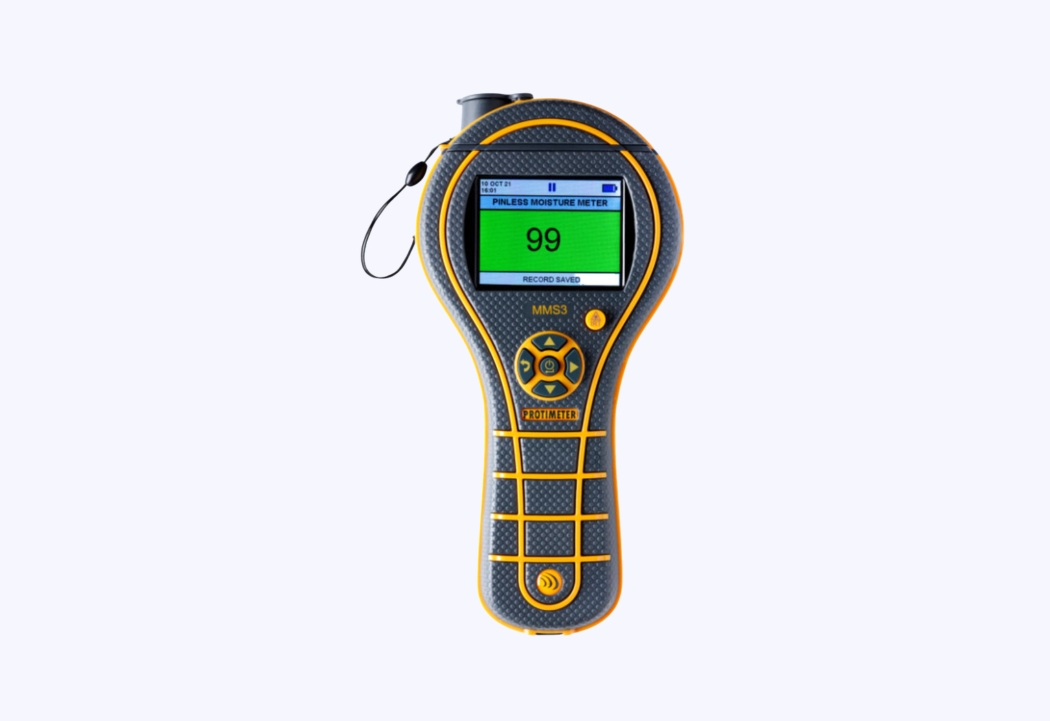
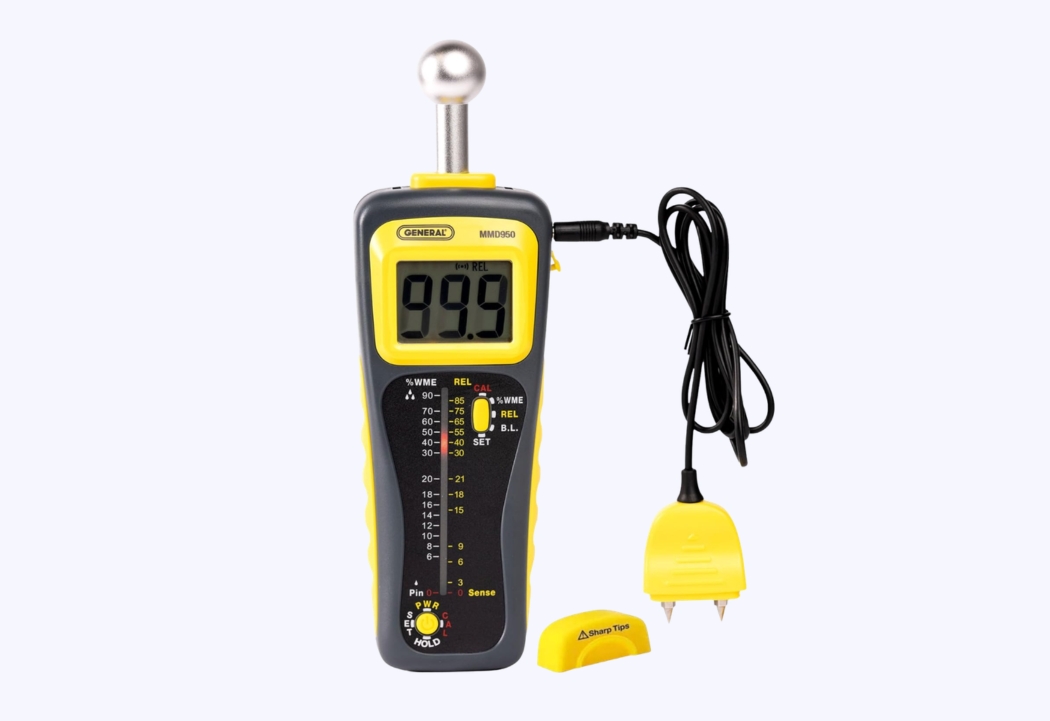
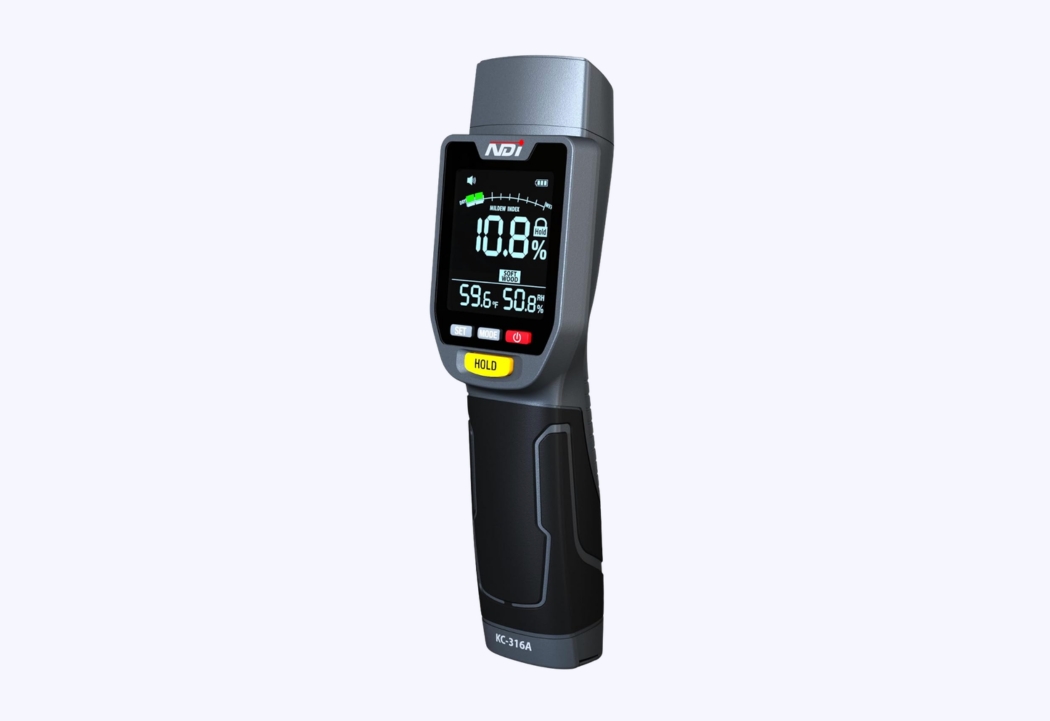
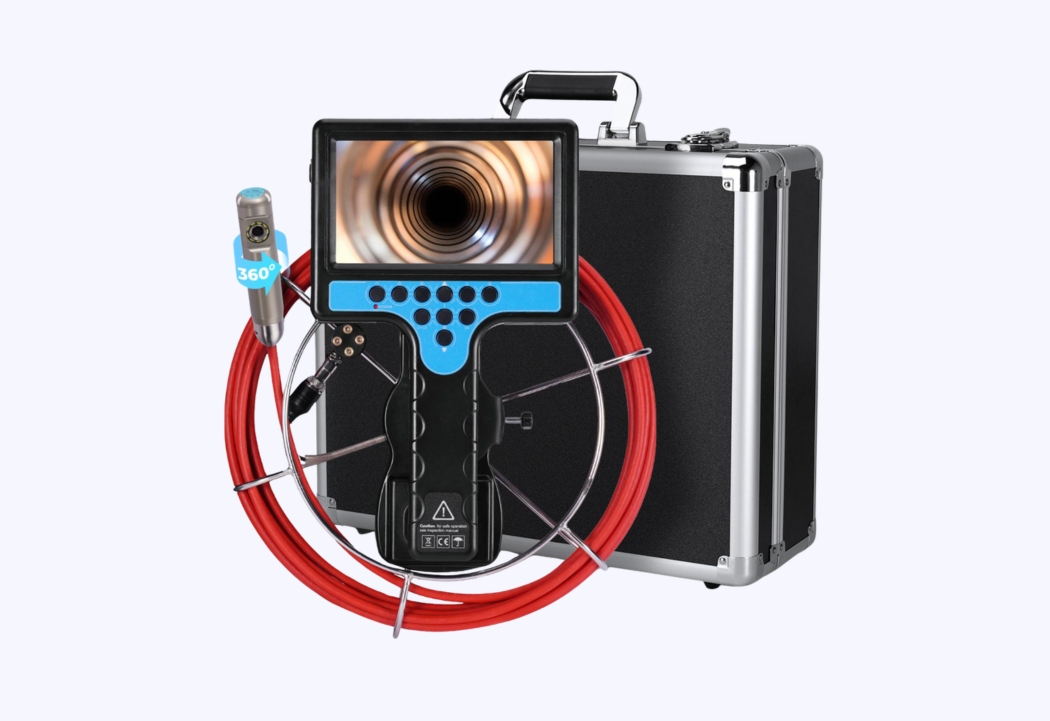
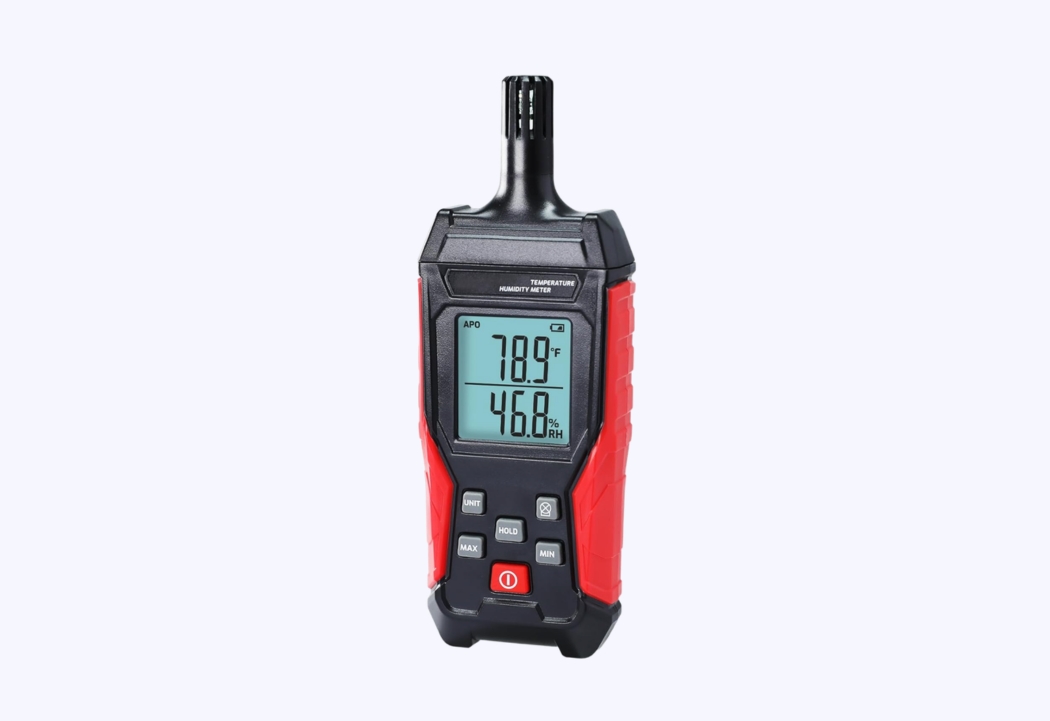
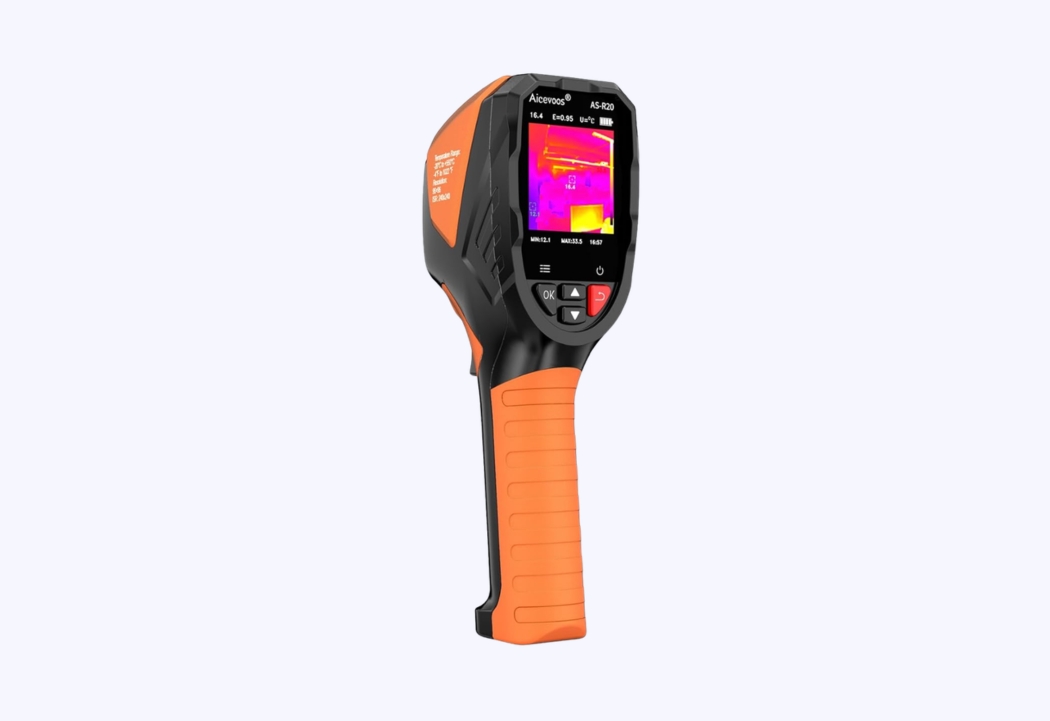
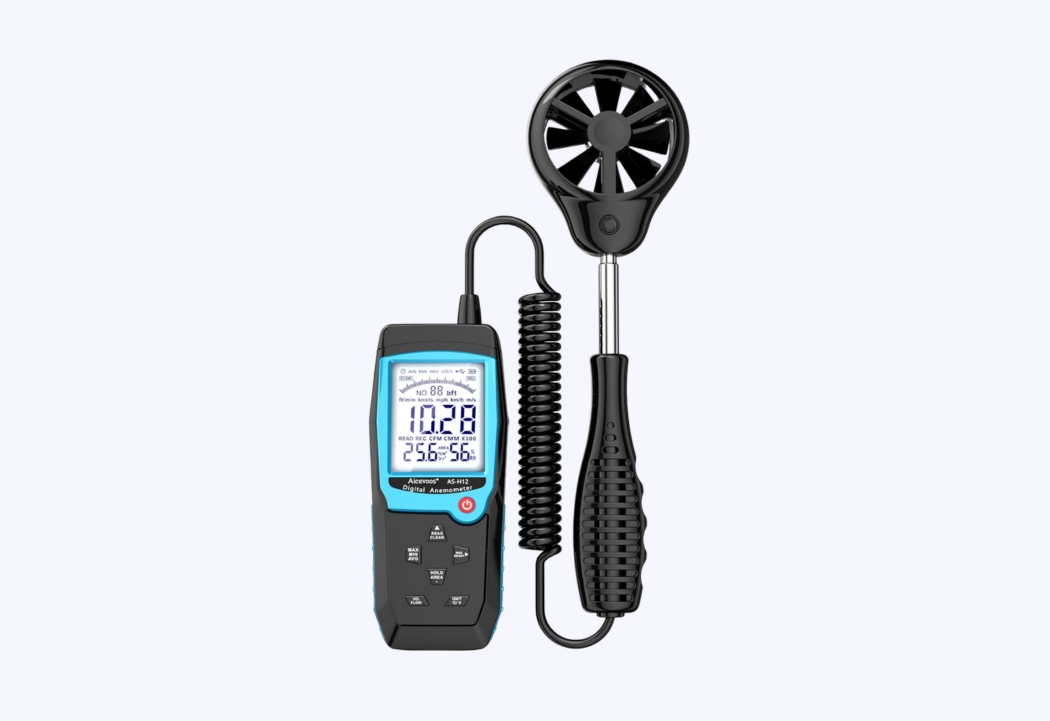
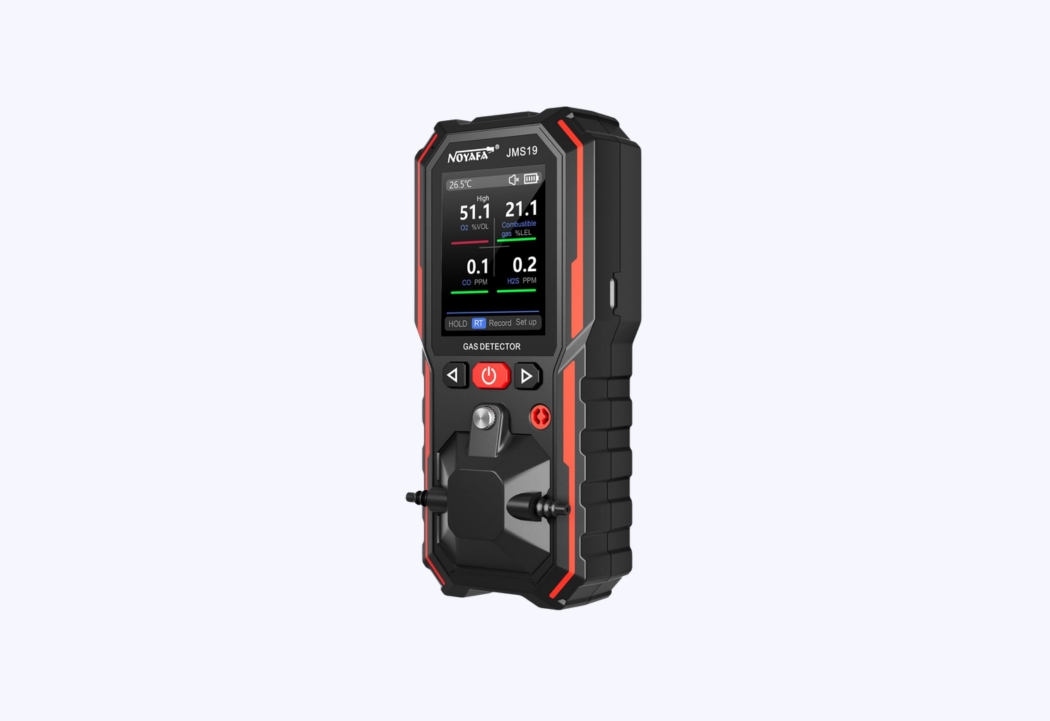
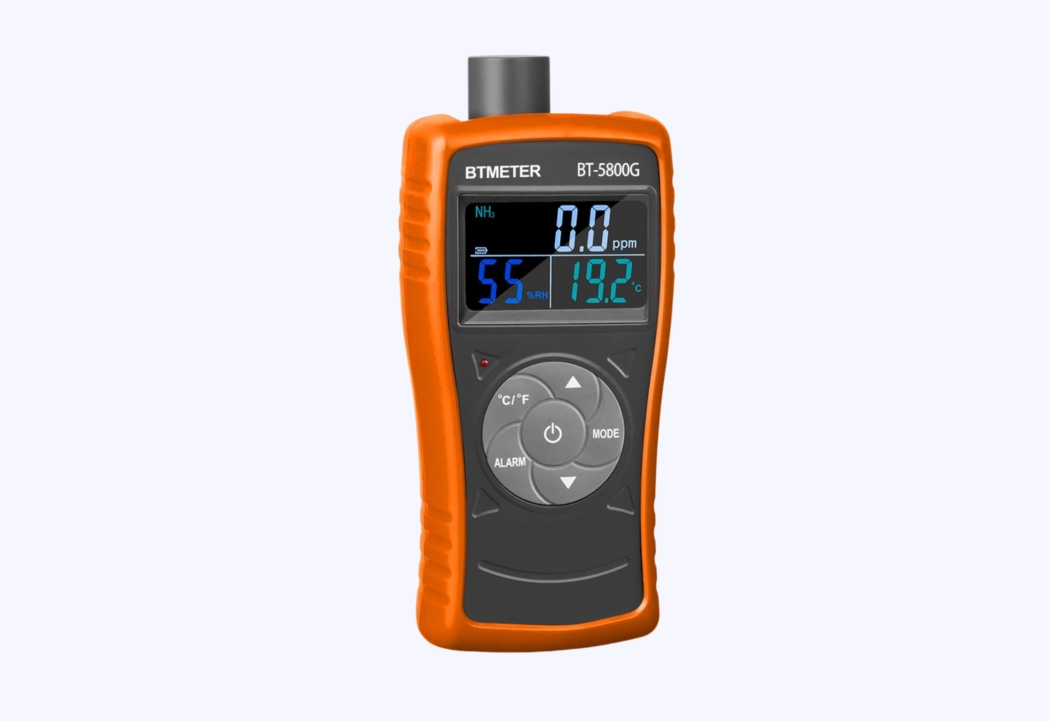
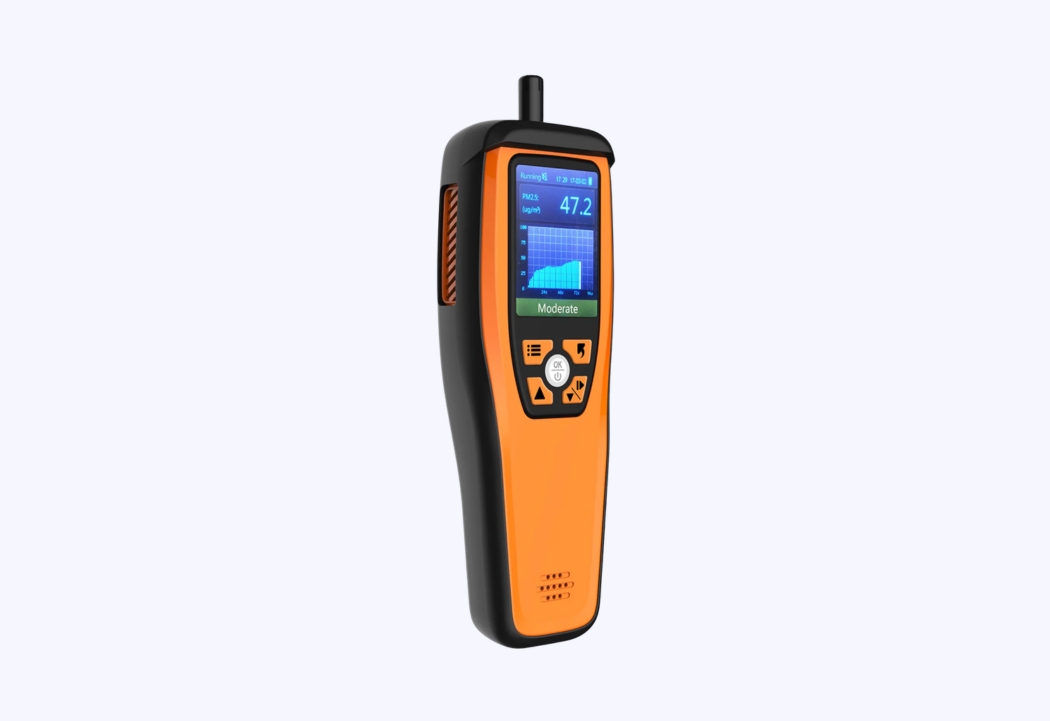
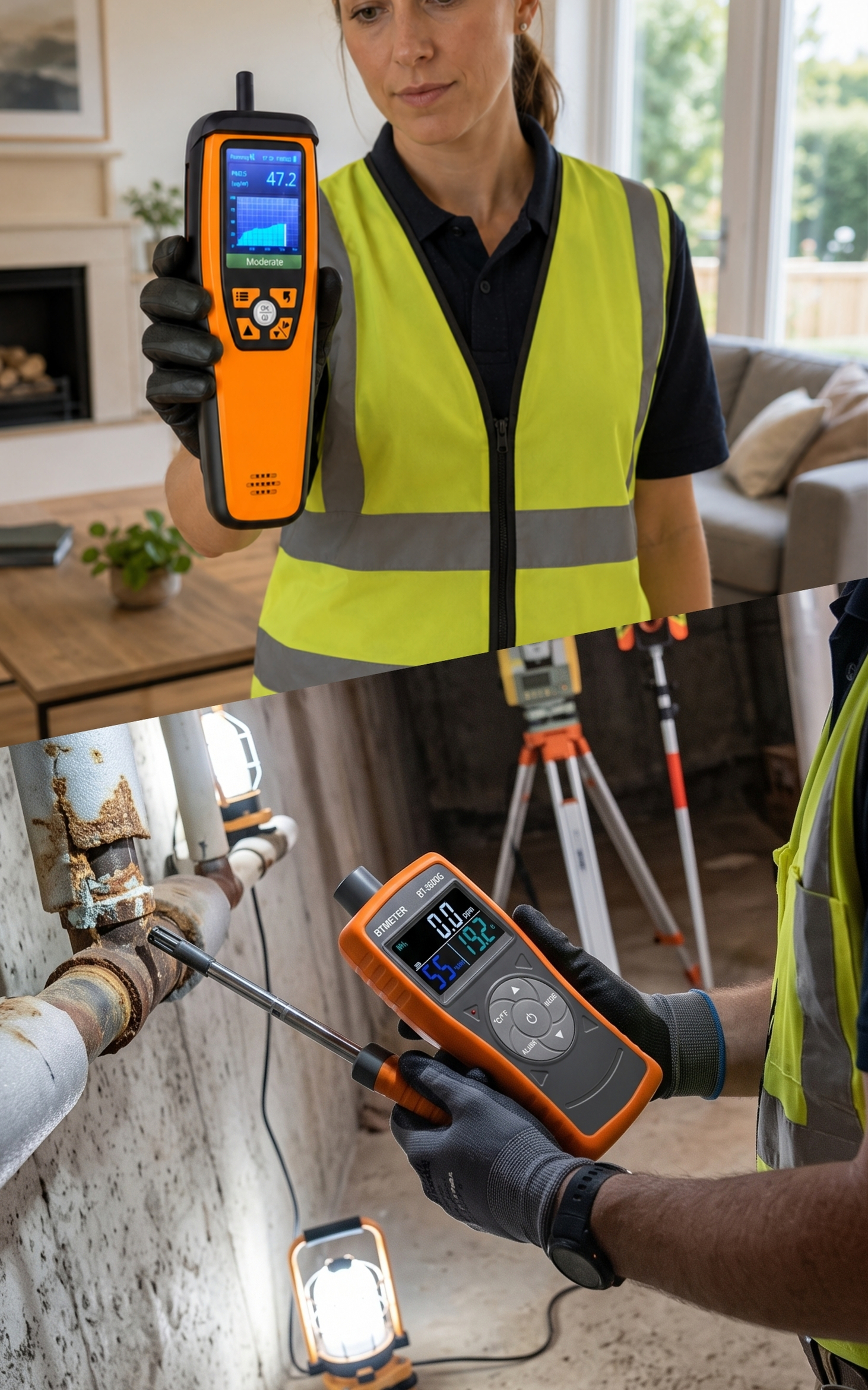
Our fully qualified damp surveyors make good use of the best technology, with thermal imagery, moisture meters (pinned and unpinned), hygrometers, drone imagery and borescope cameras. These devices accurately measure the humidity content in building materials and the atmosphere.
QHow soon can you survey my London home?
At London Damp Surveys, we do what we can to accommodate our customers; if you have an urgent request for a survey, we can usually work within your parameters. We have successfully managed to survey a property on the same day the customer enquired, normally, we schedule the survey within a few days of the original enquiry.
QDo I have to make preparations for a damp survey?
All we require is that our surveyor has access to all areas of the property. If anything needs moving, our team handle that and will always replace the items and make good when completed. If you are unable to attend, as long as we can access the building, we can complete the survey.
QWhy does condensation form in the bathroom?
When you run hot water, steam is formed and it condenses on solid surfaces. When two extreme temperatures meet, moisture turns to liquid. When running a hot bath or taking a hot shower, open a window and keep the bathroom door closed to prevent the spread of humidity.
QWhat would you recommend for a damp interior?
Ventilation is a critical aspect if you want to dry out a space; install a few extractor fans throughout the house and when used in conjunction with open windows, this will dry out damp rooms. Turn the central heating up and this also dries out the air.
QDoes your company offer damp-proofing services?
At London Damp Surveys, we only carry out property inspections, however, we can help you to find a reputable damp-proofing contractor in London. We are a respected player in the damp-proofing industry and we have close working relationships with the best remedial contractors.
QCan a damp survey be carried out mid-winter?
A damp inspection can generally be carried out at any time; a heavy rainstorm might cause a slight decay, while sub-zero conditions can slow things up. We try to work to the customer’s schedule whenever possible; we have access to additional surveyors should we need help.
QCan a homeowner carry out a DIY damp survey?
Of course, if you have the right equipment and knowledge, you can inspect your London home for signs of damp, mould and timber rot. You would need a thermal imagery camera, a moisture meter, hygrometer and a borescope camera in order to fully inspect the property. We use drones to inspect the roof and other hard-to-reach areas.
QDo you make remedial work recommendations?
When surveying a London property, should we feel that remedial work should be carried out, we always make that recommendation and what’s more, we can recommend a trusted damp-proofing contractor with a 30-year warranty.
QWhat Areas of the UK do you service?
We cover all London Boroughs and the Home Counties; if you need damp-proofing anywhere in the UK, we have reliable partners in all regions of the UK. Our major region is the M25 belt, western London, stretching into Berkshire and Buckinghamshire, while parts of Oxfordshire are also within our radius.
QAre you prepared to inspect London homes during Bank Holidays?
We aim to please and will always go that extra mile to satisfy our clients; if you have an urgent need for a damp survey, look no further than London Damp Surveys. You can make an enquiry on this website, simply fill in the online form or call 0207 305 5997 during office hours and we’ll get back to you promptly.
QCan I arrange to have a discussion with the surveyor?
Of course, our surveyors are dedicated to assisting homeowners in their quest to keep out damp and mould. When you share a phone call with the designated surveyor, mention that you would like a short discussion and they will be happy to oblige.
QIn what format is the survey report?
We usually send the customer an email that contains information, images and possibly a short video clip. We typically deliver the report in digital form within 24 hours of survey completion and we can supply a paper copy, should you wish. The surveyor takes many hi-res images to show the customer, especially when issues are found in hard-to-reach places.
QIs it possible to have only a basement surveyed?
The short answer is yes. If, for example, you are preparing to make an offer on a London property and you wish to have the basement inspected for signs of damp, mould and timber rot, mention this when you make initial contact.
QIs it possible for my home to be surveyed when unoccupied?
As long as our surveyor can access all parts of the property, we can carry out the inspection; it is often the case that we collect the keys from a neighbour, which we return when the work is finished.
QDoes a damp inspection include the roof?
Yes. The roof is a critical component of every building and we always do an exterior and interior inspection. We use borescope cameras to check dark, concealed corners, looking for any sign of damp. A small leak in the roof has the potential to cause significant damage, so we are very thorough in our inspection.
QDo I have to make an advance payment?
We do not require any advance payment for a damp survey. Currently, the cost of a pre-purchase survey is £240, including VAT, which is payable upon receipt of the survey report.
QWhere is a Damp Proof Course located?
In older London properties, the DPC is a membrane installed between the first few courses of bricks, close to ground level. If you notice a thick black line in a mortar joint, this is the DPC and if it is compromised, rising damp is sure to follow. There are several ways to deal with compromised DPC, depending on the severity of the problem.
QCan you survey a property outside of regular working hours?
As previously stated, at London Damp Surveys, we try to work within the customer’s needs and if that means inspecting outside of regular hours, we are happy to do so. We aim to provide a second-to-none service and will always go that extra mile to ensure job satisfaction, regardless of the obstacles. To book a damp survey, fill in the online form or call 0207 305 5997 and we will arrange for one of our qualified and experienced surveyors to inspect your London home.
QCan you survey empty properties?
Many property developers use our services; all we need is access and we can inspect a London property and deliver a detailed report within 24 hours of survey completion.
QIf I am planning to purchase a London property, should I have the building inspected for damp?
Even if the seller tells you the house is damp-free, they might not be aware of underlying moisture issues. We recommend contacting us on 0207 305 5997 to book a detailed damp inspection and you will receive a detailed report. In the event we find issues, you can negotiate with the seller to reach a satisfactory conclusion.
QCan you survey basement flats?
Many London properties are basement flats and we can survey the apartment without requiring access to other parts of the building. A basement flat could potentially be at risk of rising damp and if you are planning to buy such a property in London, you should have the property surveyed for damp, mould and timber rot.
QCan you recommend good contractors to carry out damp-proofing work?
We have a good working relationship with the best damp-proofing contractors that cover the London region. They offer an unconditional 30-year warranty on all work, which brings you peace of mind.
QIs spring the best time to carry out a damp survey?
This is a commonly asked question, a damp inspection can be carried out at any time of the year, however, if a yearly inspection is part of your building maintenance regime, post-winter and pre-autumn are the best times to schedule a survey.
QCan I use waterproof paint to waterproof my basement?
We use Silka, which is the best waterproof paint available. Using such a product can make up part of basement tanking, with interior walls given numerous coats to provide a watertight seal.
QCan a damp survey be completed when it is raining?
Generally speaking, rain would not prevent a surveyor from completing their work, although they may have to wait a few minutes before inspecting the exterior, our surveyors are not afraid of a little water.
QCan your surveyor offer advice on a building project?
If, for example, you book a damp survey and you are considering adding living space below ground at some point in the future, our surveyor would be happy to advise you on waterproofing.
QWould you match a legitimate quote from another survey company?
At London Damp Surveys, we are competitive and should you receive a genuine quotation from a reputable company, we would be happy to match that price. Please feel free to use Google to compare prices, we are confident that our rates are competitive.
QCan I postpone a survey if something unexpected comes up?
We will always try to accommodate and should you get stuck in London Traffic, we are happy to wait for your arrival, should you wish to speak to the surveyor.
QAre there preventative measures I can take to reduce the risk of damp?
You can start by generating an airflow within your home, which can be achieved by using fans and/or opening a few windows. Heat the entire house periodically, which dries out the air and that prevents damp from taking hold.
QHow long does a damp survey take?
It very much depends on the size of the property. An average two-storey house can be completed in 3-4 hours and you would be notified if the surveyor needs more time.
Qualification list
PCA-Certificated Surveying
- CSDB (Certificated Surveyor of Dampness in Buildings): This certification ensures your damp diagnosis is carried out to a recognised industry standard.
- CSTDB (Certificated Surveyor of Timber and Dampness in Buildings): This means we can assess timber decay, wet rot, dry rot and wood-boring insect activity in the same visit, giving you a complete picture of your property’s condition.
- CSSW (Certificated Surveyor in Structural Waterproofing): Where basement or below-ground waterproofing is involved, this certification ensures that any tanking or structural waterproofing solution we recommend is specified the first time correctly.

CSCS
- CSCS (Construction Skills Certification Scheme): Our experts carry a CSCS card, which confirms they’re authorised and trained to work safely on-site, giving you confidence that the team in your home meets recognised industry safety standards.

Asbestos awareness
- Asbestos awareness: Older properties may contain asbestos, particularly in areas where damp and timber work are common. Our team holds UKATA-accredited Asbestos Awareness training as standard and where a job risks disturbing such materials, our experts are more than qualified to manage the work safely and in full compliance with UK regulations.

30-Year Warranty + 10-Year Insurance-Backed Guarantee
Your damp repair is protected for decades.
- 30-Year Warranty: All remediation work is covered by a 30-year workmanship warranty, protecting your property against recurrence of the treated issue.
- 10-Year Insurance-Backed Guarantee (IBG): Your guarantee is insurance-backed for 10 years through Quality Assured National Warranties (QANW), so your cover remains valid even if we’re unable to fulfil it ourselves.
- 24-Hour Report Delivery: Comprehensive digital survey reports are typically issued within 24 hours of the inspection’s completion.