LEAKS


Leaks are expensive and damaging; boiler leaks could leave you without heat or hot water. A boiler losing pressure, burst pipe or high water bill must be resolved quickly to prevent further damage.
London Damp Specialist is here to help you with your leaky home problems. We’re experienced professionals who know how to survey your home and help you get repairs covered quickly. Most leaks can be dealt with easily, so don’t struggle on your own. Let us help you get your home back in order – book your survey today!
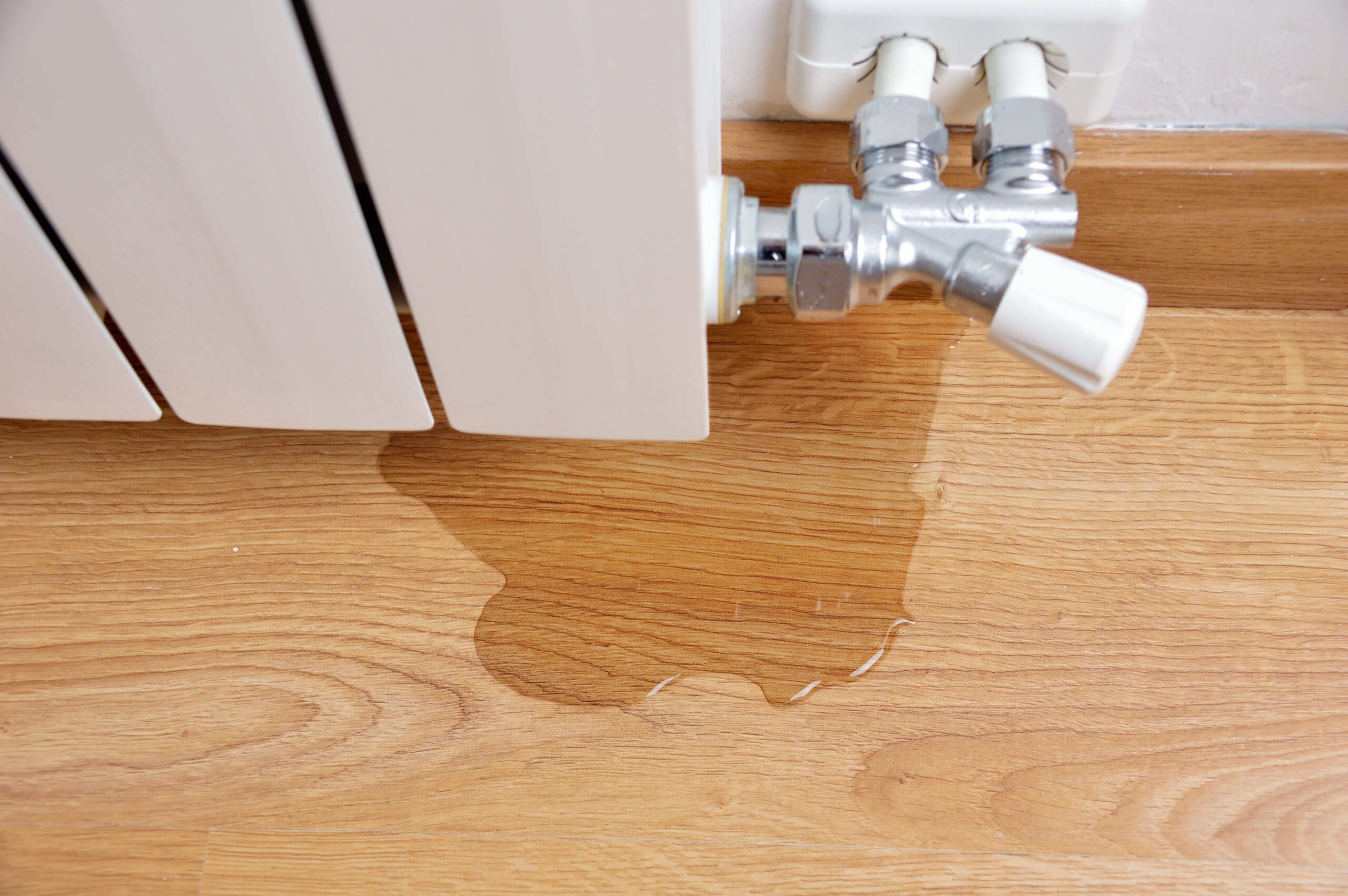
How can you find a water leak?
There are many ways to find water leaks, both big and small. Depending on the size of your home or business, and the location of the potential leak, there are different methods you can use to track it down.
Here are some tips:
- NCheck all exposed pipes for moisture or wet spots; this is often a telltale sign that there is a slow drip somewhere along the line.
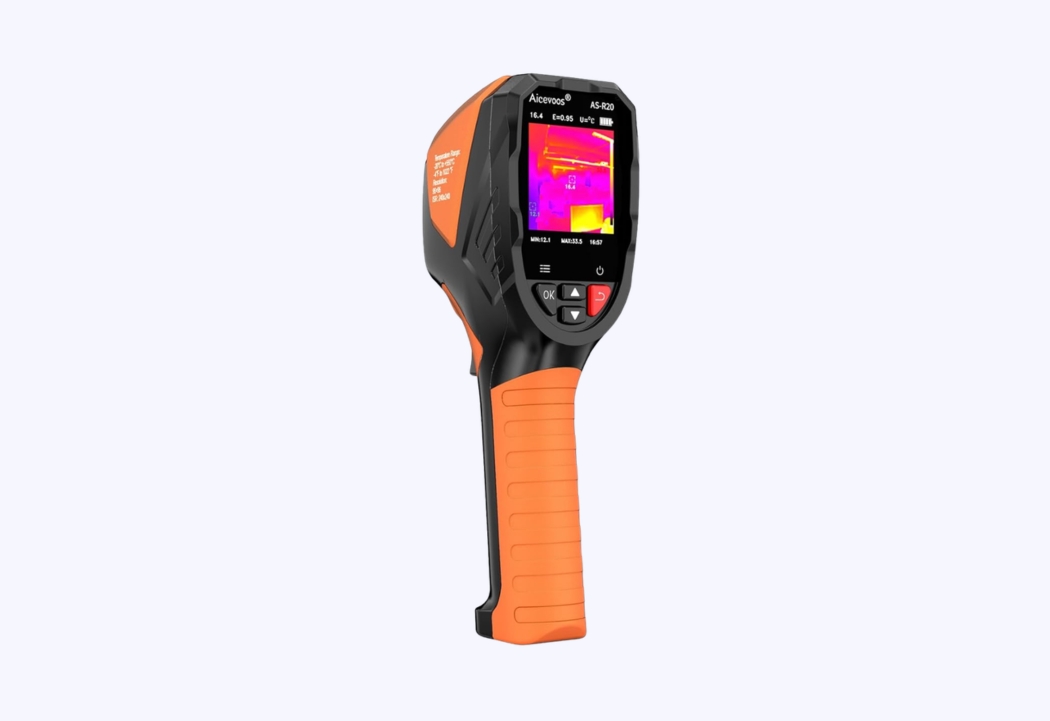
- NAnother way to find tiny leaks (or those hidden behind walls) is by scanning your property with a thermal imaging camera—this will show any temperature differences caused by water seeping through cracks or holes.
If you have access to your home’s main water shut-off valve, another method is shutting off all appliances and fixtures that use water in your home, then checking your meter reading after two hours has passed; if the dial continues moving even when nothing should be running, chances are good you’ve got a leak somewhere.
What to do if you have a water leak?
Do not ignore a water leak! It is dangerous and can cause secondary damage, such as mould. Get professional help to fix the problem – start by booking a leak detection survey today to identify the problem.
Do leaks always get worse if left?
If you experience a water leak, fix it as soon as possible. The longer you wait, the more damage your property will suffer – and this often comes with an increased financial cost.
I am buying a property, can it be checked for leaks?
If we are able to access the property (with your help), carrying out a leak detection survey is something we can do. To look for signs of a leak, we will use a number of techniques.
Qualification list
PCA-Certificated Surveying
- CSDB (Certificated Surveyor of Dampness in Buildings): This certification ensures your damp diagnosis is carried out to a recognised industry standard.
- CSTDB (Certificated Surveyor of Timber and Dampness in Buildings): This means we can assess timber decay, wet rot, dry rot and wood-boring insect activity in the same visit, giving you a complete picture of your property’s condition.
- CSSW (Certificated Surveyor in Structural Waterproofing): Where basement or below-ground waterproofing is involved, this certification ensures that any tanking or structural waterproofing solution we recommend is specified the first time correctly.

CSCS
- CSCS (Construction Skills Certification Scheme): Our experts carry a CSCS card, which confirms they’re authorised and trained to work safely on-site, giving you confidence that the team in your home meets recognised industry safety standards.

Asbestos awareness
- Asbestos awareness: Older properties may contain asbestos, particularly in areas where damp and timber work are common. Our team holds UKATA-accredited Asbestos Awareness training as standard and where a job risks disturbing such materials, our experts are more than qualified to manage the work safely and in full compliance with UK regulations.

30-Year Warranty + 10-Year Insurance-Backed Guarantee
Your damp repair is protected for decades.
- 30-Year Warranty: All remediation work is covered by a 30-year workmanship warranty, protecting your property against recurrence of the treated issue.
- 10-Year Insurance-Backed Guarantee (IBG): Your guarantee is insurance-backed for 10 years through Quality Assured National Warranties (QANW), so your cover remains valid even if we’re unable to fulfil it ourselves.
- 24-Hour Report Delivery: Comprehensive digital survey reports are typically issued within 24 hours of the inspection’s completion.


What are the signs to look out for?
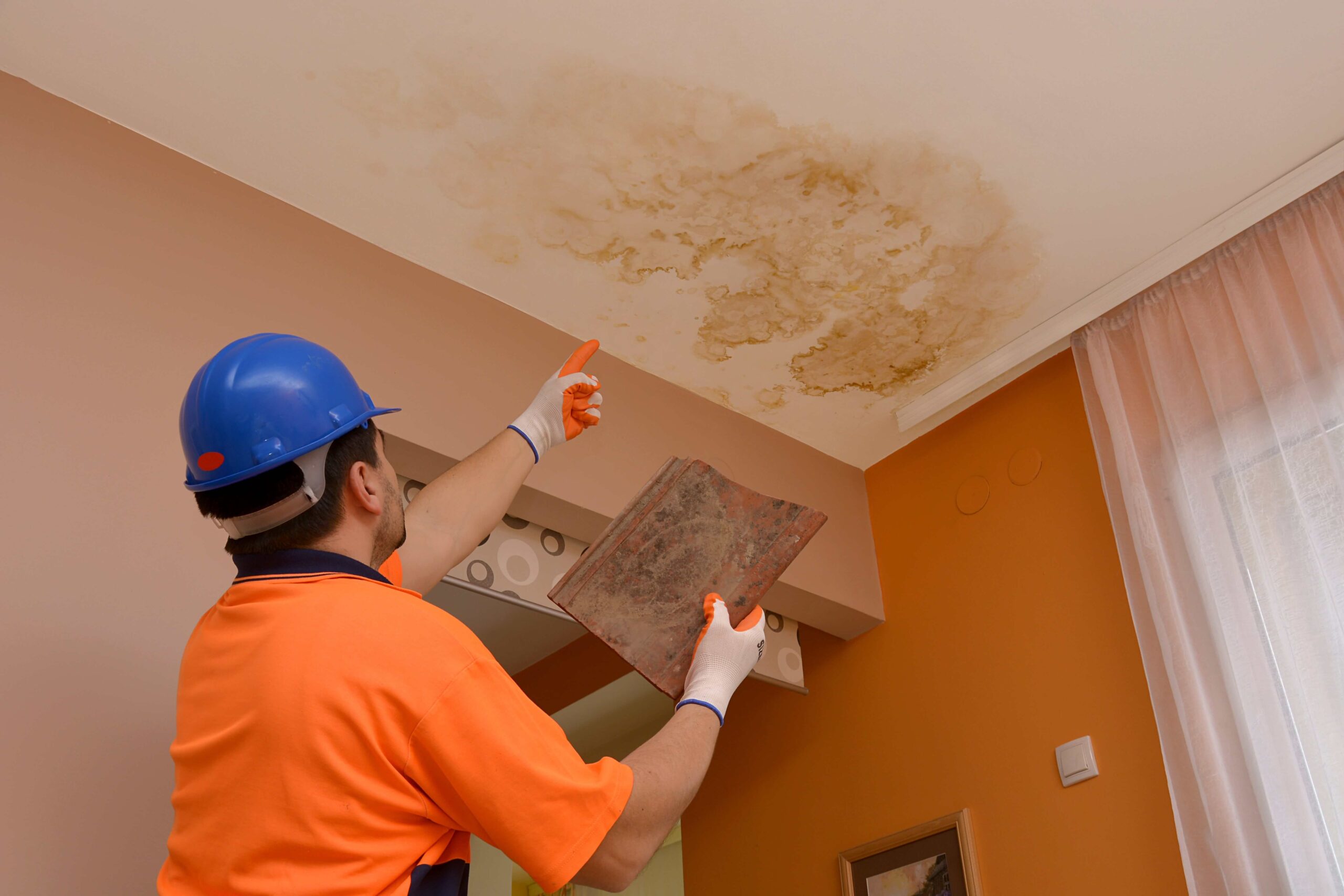
Water leaks can have many different signs, some more clear than others. However, these may be included – rapidly using up water, seeing damp patches on walls or ceilings, navigating through higher humidity/moisture or condensation levels inside a property or encountering strong smells. Other signs to look out for include hearing the sound of running water when none should be present, issues with your boiler losing pressure suddenly as well as structural problems – spongy flooring and cracking/visible water stains/damp. Don’t wait, book a leak detection survey today!
Who is responsible for fixing water leaks at a property?
According to most laws, if the sewage or water is on your land, then it becomes your responsibility. However, if the pipes are located elsewhere, such as pavements or roads (external to your property), then it typically falls under the local water company’s duty. It’s important to remember that you might be able to use ‘trace and access’ cover on your insurance policy for water leakages.
Will my property get damaged when carrying out leak detection work?
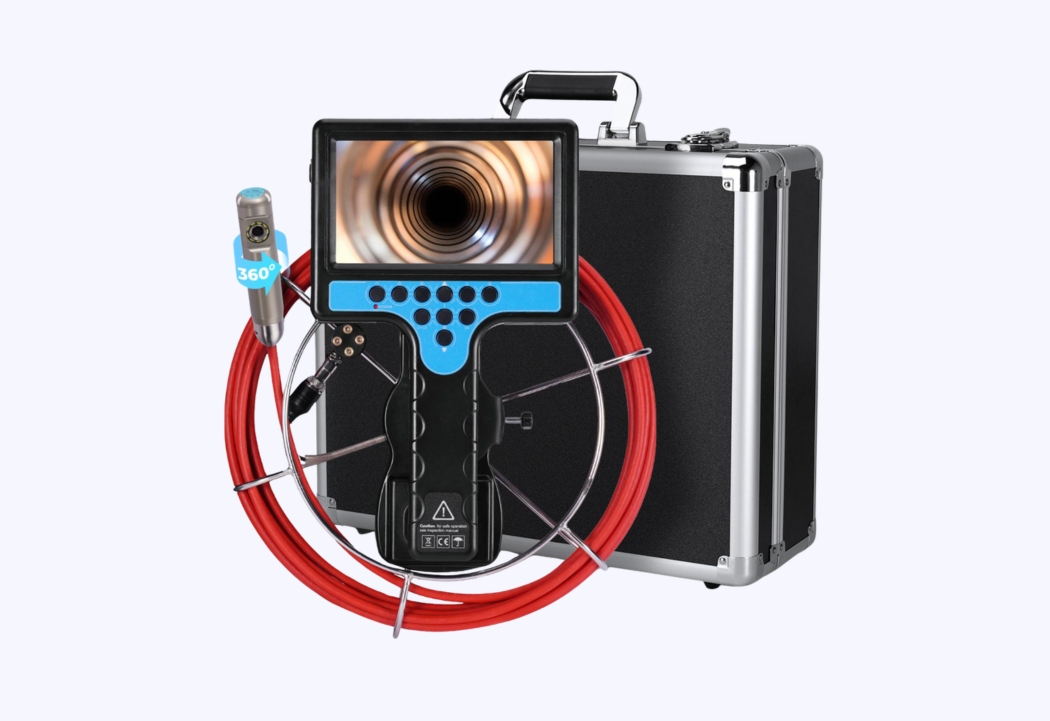
To avoid damaging your property, we recommend always using non-invasive leak detection methods. In some cases, however, we may need to make tiny holes – for example, to allow a borescope camera inside a wall or area under the floorboards so that we can see and identify the water leak.
Do you have to turn off the water to find the leak?
Depending on the location of the water leak, we may need to turn your water off for a short period of time. However, we will always consult with you before doing so and only keep the water off for as long as necessary. In some cases, we won’t need to turn your water off at all.
How long will it take you to find the leak?
This is not a straightforward question to answer, as it will depend on the individual case. However, we can say that in most cases, this will be done within a day. It usually only takes a few hours, but it depends on how hidden the leak is and its size of it. The layout of your property can also play into how long fixing the issue will take. We would be happy to discuss this with you further when we come to do your leak detection survey.
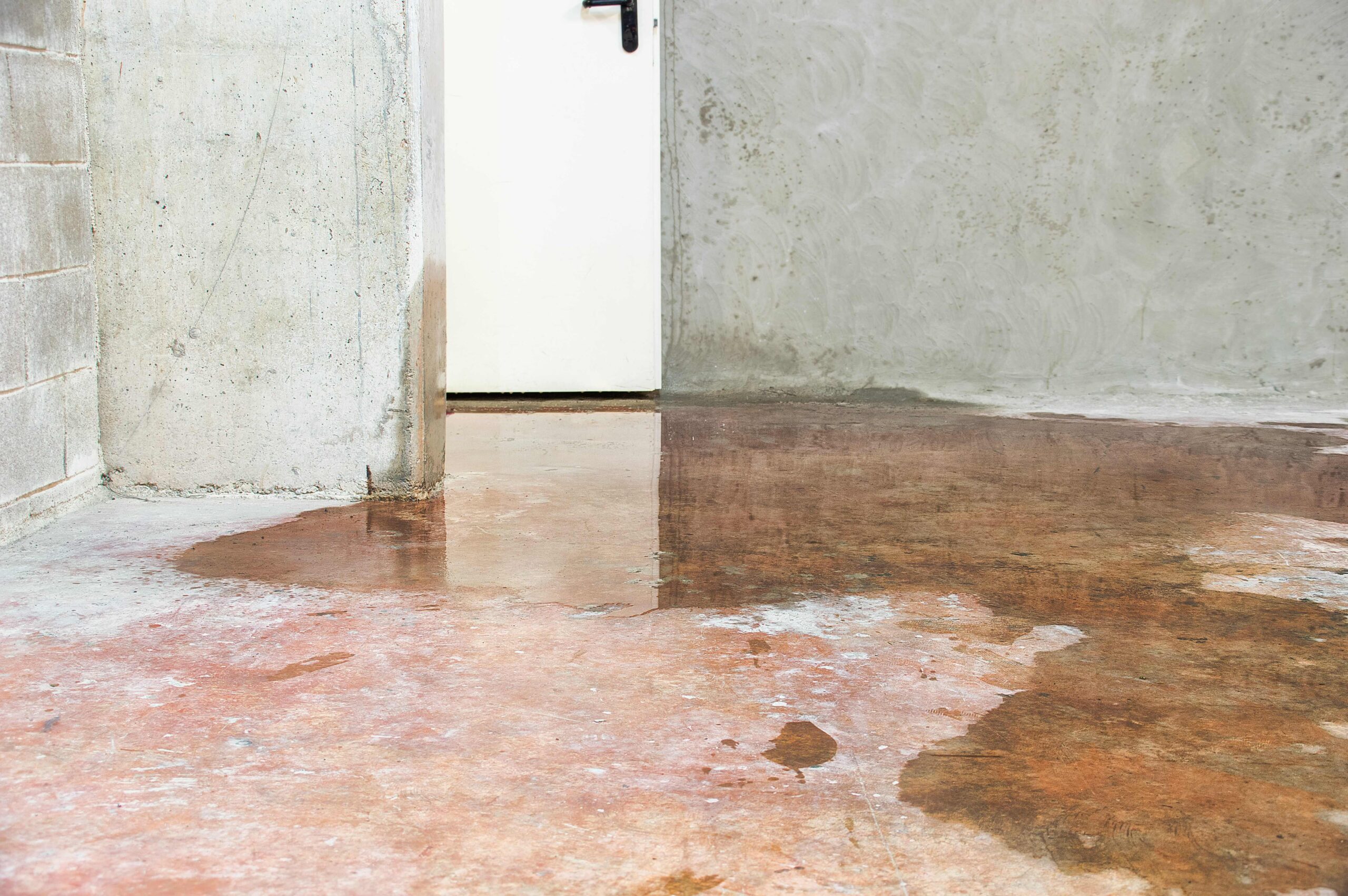
Where do Water Leaks most occur?
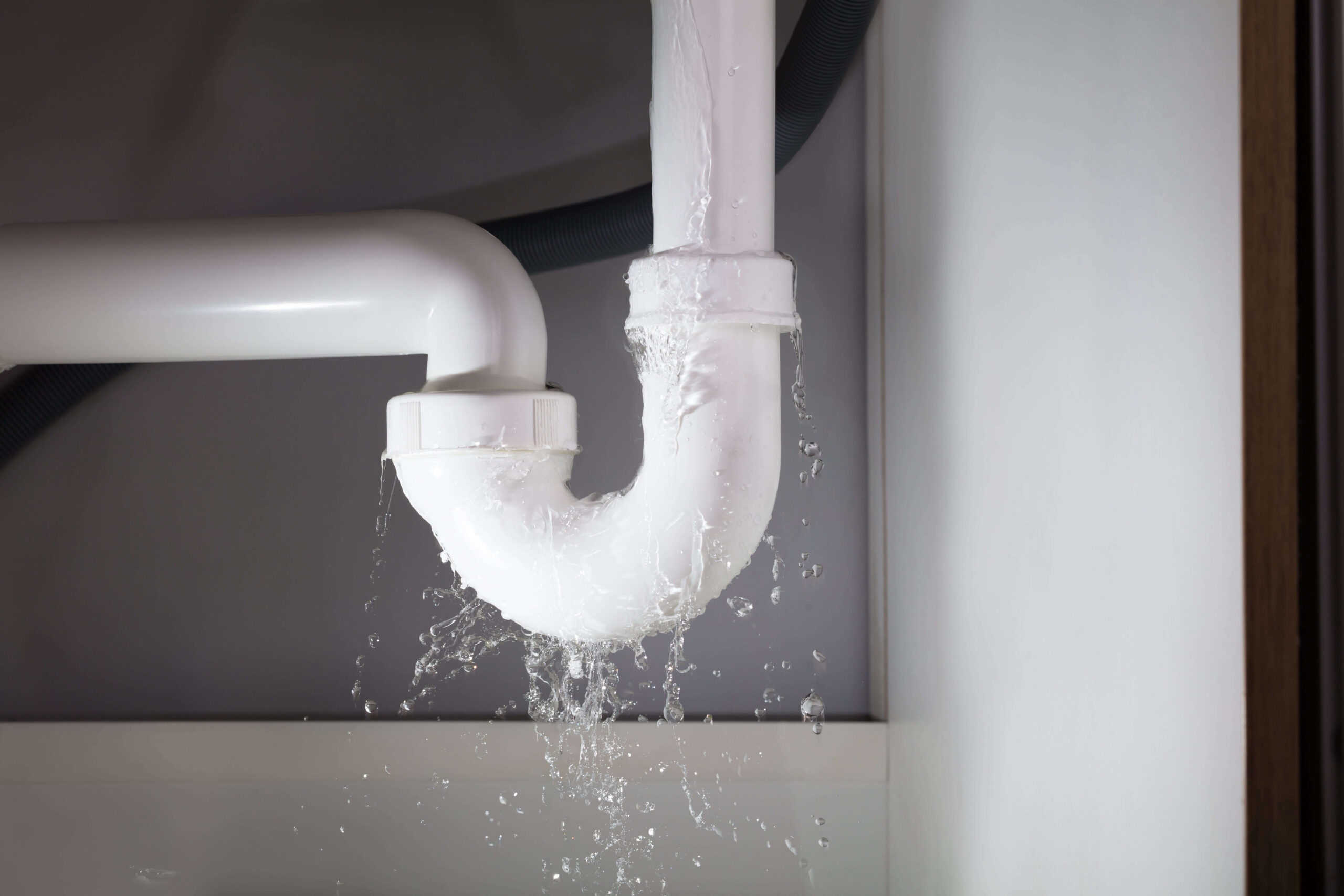
Water leaks can occur for a variety of reasons and often in places you wouldn’t expect. Here are some more common locations: central heating pipes, in hot and cold water feeds around your property, supply pipes to properties, from radiators, plumbing connections to sinks/baths/showers/toilets, seals around baths and showers failing, waste/sewerage pipes in properties.
What makes a water leak detectable?
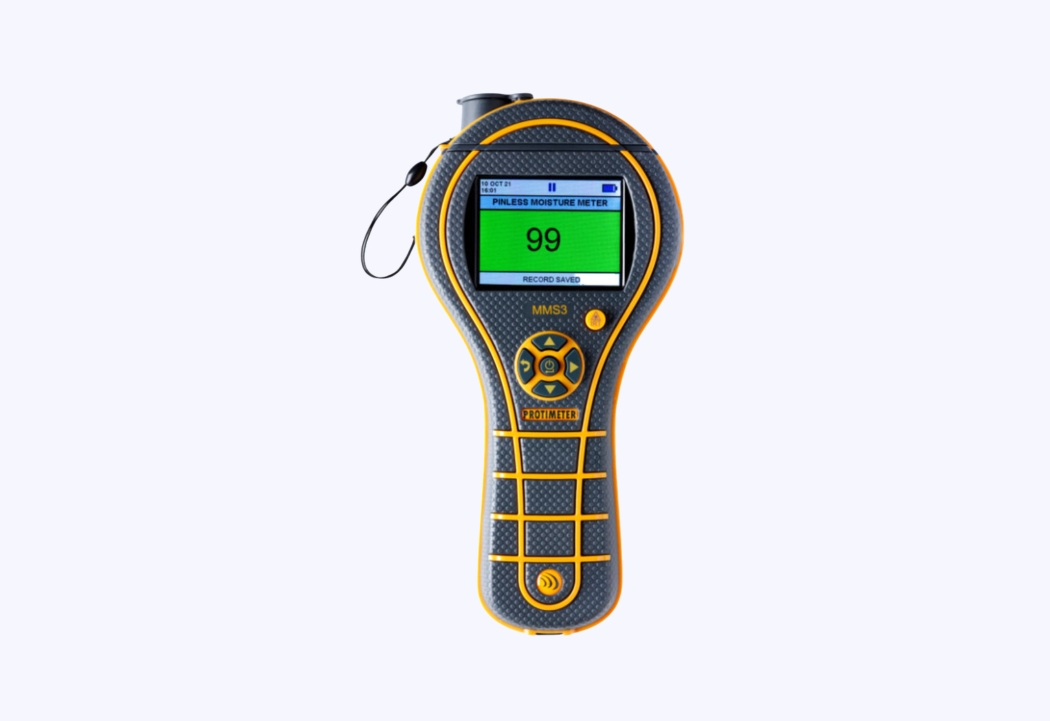
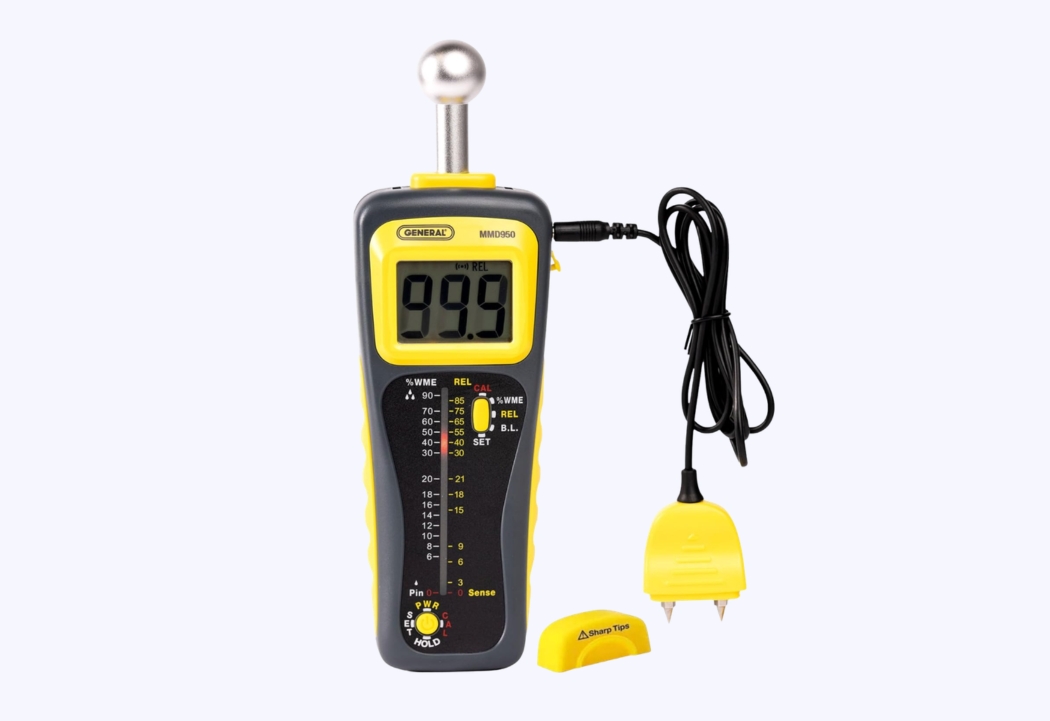
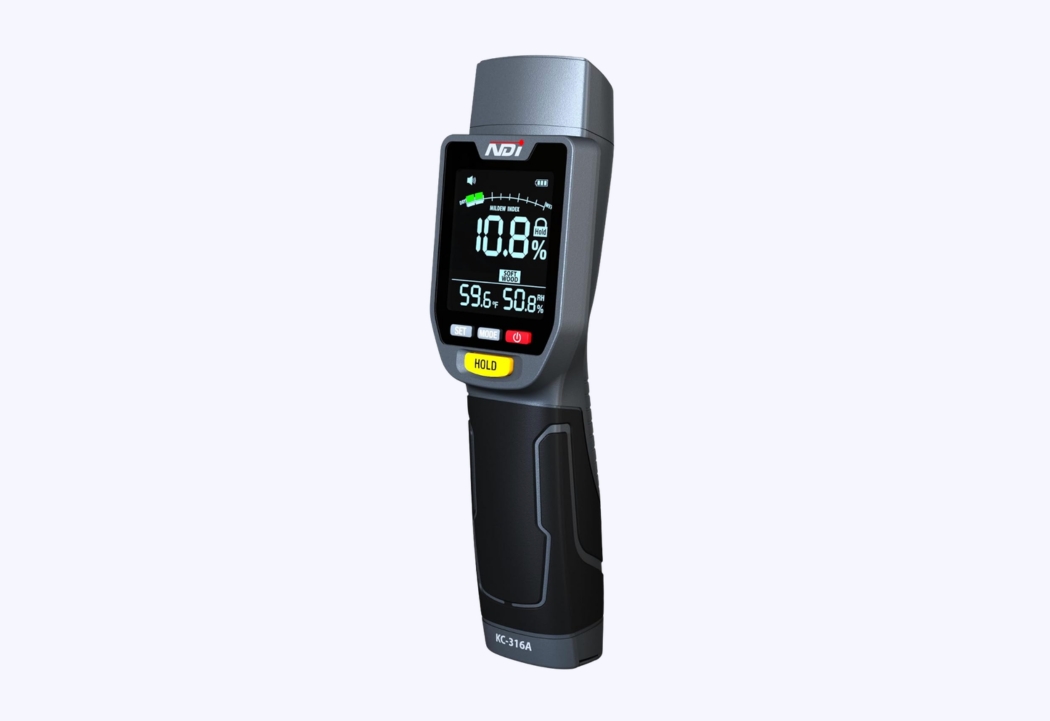
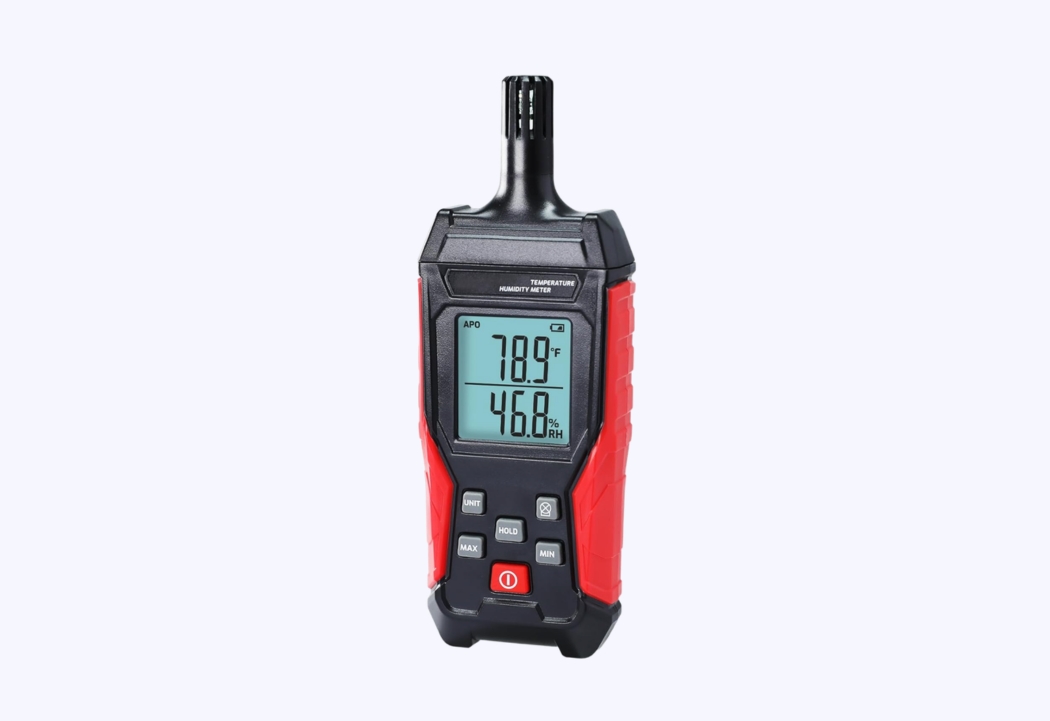
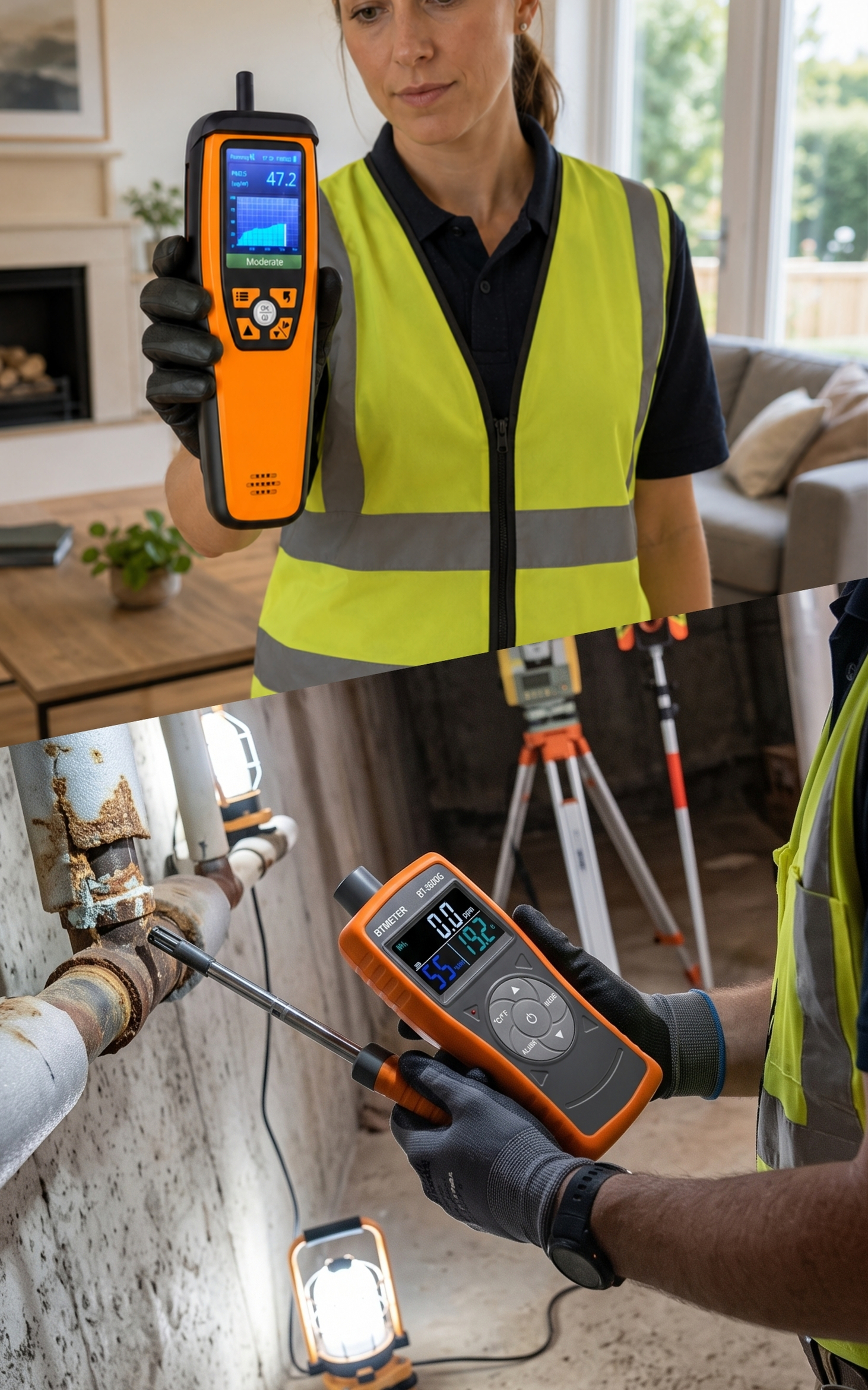
Our leak detection team is specifically trained to notice clues that allude to water leaks, investigate them using high-tech equipment, locate the source of the leak, and identify its root cause. These telltale signs can be anything from moisture levels (detected with a moisture meter) and acoustic or thermal readings (picked up by acoustic or thermal imaging leak detection) to more pungent odours or visible indications of a problem.
How can a property be dried after a water leak?
Depending on the part of your house affected by the water leak and what materials are involved, we will use dehumidifiers, air movers/fans, and sometimes heaters to dry out your home. Sometimes, we need to use water pumps (for example, in flooded basements).
Will you provide a water leak detection report?
Yes, we can give you records of the investigations and work we have done – this comprises proof we have gathered during. This could be handy to provide your insurance company with several motives, not limited to the fact that they may pay for it!
How do you detect water pipes in a property?
There are many methods we use to detect water pipes, even in hidden places. Our leak detection specialists have various methods to find water pipes, and many of them complement each other.
frequently asked questions
Can leaks cause mould growth or other health hazards?
Yes, leaks can create damp conditions that are ideal for mould growth, which can lead to health hazards like respiratory problems, allergies, and asthma.
Can plumbing issues, such as burst pipes or faulty fixtures, cause leaks?
Absolutely, plumbing issues including burst pipes, faulty fixtures, or corroded pipework can all lead to leaks.
Can roof leaks be a common problem in buildings?
Yes, roof leaks can be a common issue in buildings, especially in those with older roofing systems or those exposed to harsh weather conditions.
Can leaks occur in windows or doors?
Definitely, leaks can occur around windows or doors due to factors like improper installation, faulty seals, or deterioration over time.
Can leaks be a result of poor construction or improper installation methods?
Yes, poor construction methods, improper installation of plumbing or roofing systems, or use of low-quality materials can all contribute to leaks.
Can leaks be prevented?
While not all leaks can be entirely prevented, regular maintenance and inspections, the use of quality materials, and proper installation methods can significantly reduce the risk.
Can the use of regular maintenance and inspections help prevent leaks?
Yes, regular maintenance and inspections can identify potential problems early, before they develop into significant leaks.
Can leaks be caused by natural disasters, such as earthquakes or storms?
Yes, natural disasters like earthquakes can damage pipes, while storms can damage roofs and windows, leading to leaks.
Can leaks be resolved through insurance coverage or claims?
Often, yes. Many insurance policies cover damage caused by sudden and accidental leaks. However, it’s important to check the specific terms of your policy, as not all types of leaks may be covered.