

Protect Your London Home from Damp & Mould with These Top Tips

View all reviews on

Protect Your London Home from Damp & Mould with These Top Tips

3rd July, 2025

London sits on a clay base called the Thames Valley Basin, a stretch of low-lying land that holds water and this means that rising damp is a very serious issue for many London properties. In this short article, we offer top tips from professional damp-proofing experts on how to protect your London home from damp and mould.

  • Add extra loft insulation – Hot air rises and when you heat your home, a large percentage of the heat leaves the building through the roof. Adding extra layers of fibreglass insulation in the loft will slow down the heat loss and this will keep the interior warmer for longer, which saves energy. If, by some chance, you do not have loft insulation, this is something to rectify as soon as possible. If you already have a single layer of fibreglass insulation, adding an extra one will help.
  • Create a strong circulation of air – Damp and mould thrive in still conditions; therefore, you should ensure that the air circulates around the building, which can be achieved by opening windows or using extractor fans. Invest in a hygrometer so that you can check humidity levels and if the air is too moist, use a dehumidifier to dry out the air. A portable dehumidifier can be moved from room to room, which can remove excess moisture.
  • Heat the whole house – Turning on the central heating in all rooms will raise the temperature by a few degrees and this will dry out the air, thus preventing damp and condensation. We understand why you would be reluctant to heat rooms that are not in use, but if you do this one time per week, this will reduce the risk of damp. Of course, this is something to do in the winter months and possibly spring and Autumn, rather than in the summer.
  • Cleaning the bathroom – Mould can easily take hold in those dark, hard-to-reach places in the bathroom; use a good chemical cleaning product and thoroughly clean every square inch of the bathroom, especially ceramic tiles. Any signs of mould and you should call London Damp Surveys and we will arrange to carry out a survey.
  • Have your home professionally inspected by London Damp Surveys – We cover all London Boroughs and our team of damp surveyors use state-of-the-art tools and equipment to help them accurately determine the presence of damp, mould, woodworm and timber rot. If your home is old and you haven’t checked for damp issues, now is the right time to arrange for a professional damp survey; you receive a detailed report within 24 hours.

Regarding damp and mould, it is a good idea to take a proactive approach by inspecting the whole house every few months and by calling London Damp Surveys on 0207 305 5997, we can set a date for one of our certified surveyors to inspect your home for mould, mildew, damp and timber rot.


Winter is not far away and a damp inspection will bring you peace of mind.

Qualification list

PCA-Certificated Surveying


  • CSDB (Certificated Surveyor of Dampness in Buildings): This certification ensures your damp diagnosis is carried out to a recognised industry standard. 
  • CSTDB (Certificated Surveyor of Timber and Dampness in Buildings): This means we can assess timber decay, wet rot, dry rot and wood-boring insect activity in the same visit, giving you a complete picture of your property’s condition. 
  • CSSW (Certificated Surveyor in Structural Waterproofing): Where basement or below-ground waterproofing is involved, this certification ensures that any tanking or structural waterproofing solution we recommend is specified the first time correctly.

CSCS


  • CSCS (Construction Skills Certification Scheme): Our experts carry a CSCS card, which confirms they’re authorised and trained to work safely on-site, giving you confidence that the team in your home meets recognised industry safety standards.

Asbestos awareness


  • Asbestos awareness: Older properties may contain asbestos, particularly in areas where damp and timber work are common. Our team holds UKATA-accredited Asbestos Awareness training as standard and where a job risks disturbing such materials, our experts are more than qualified to manage the work safely and in full compliance with UK regulations.

30-Year Warranty + 10-Year Insurance-Backed Guarantee


Your damp repair is protected for decades. 

  • 30-Year Warranty: All remediation work is covered by a 30-year workmanship warranty, protecting your property against recurrence of the treated issue.

  • 10-Year Insurance-Backed Guarantee (IBG): Your guarantee is insurance-backed for 10 years through Quality Assured National Warranties (QANW), so your cover remains valid even if we’re unable to fulfil it ourselves.

  • 24-Hour Report Delivery: Comprehensive digital survey reports are typically issued within 24 hours of the inspection’s completion.

Our Equipment

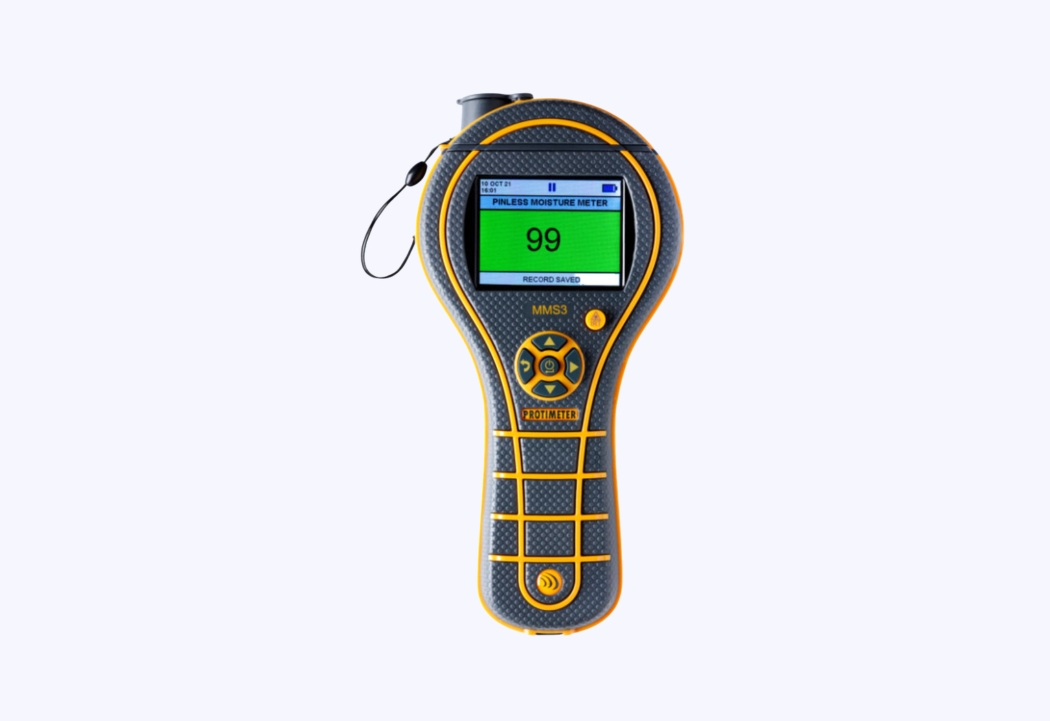
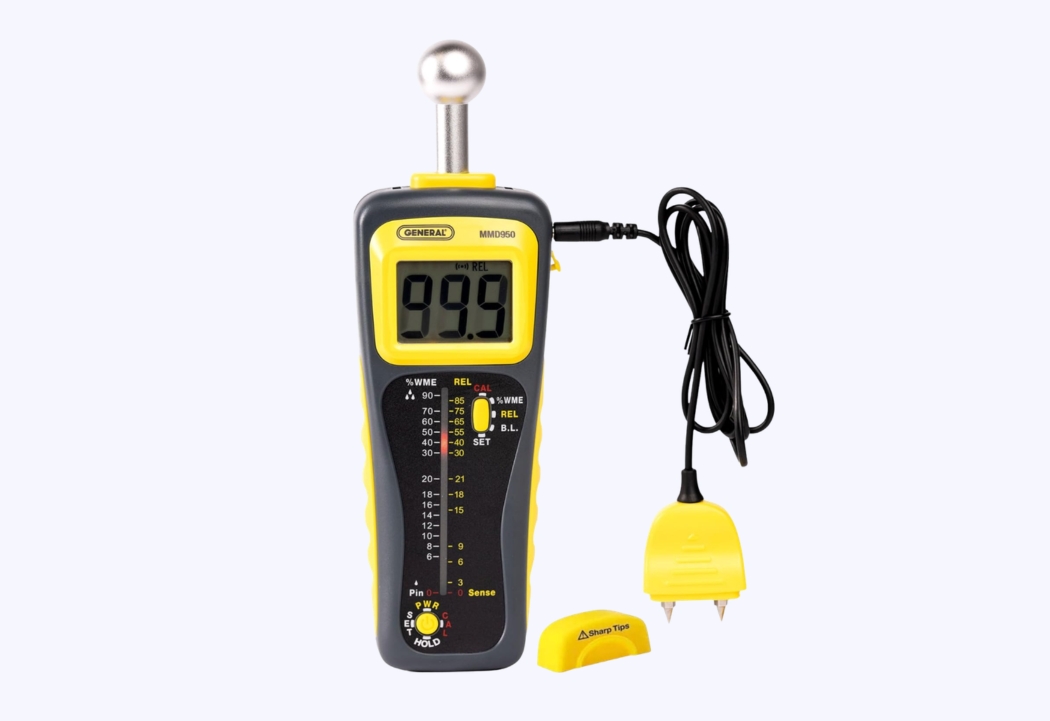
Damp Meter

Purpose:

Takes comparative surface moisture readings across accessible walls, floors, ceilings and building joinery.

Common Uses / Notes:

Maps surface moisture profiles to help identify rising damp, penetrating damp, condensation, or active plumbing leaks.

Deep-Penetration Damp Meter

Purpose:

Detects moisture changes deep below the immediate surface of structural materials without destruction.

Common Uses / Notes:

Evaluates dampness within wall cores, beneath floorboards, inside subfloors and behind finishes without removing plaster.

Non-Invasive Moisture Scanner

Purpose:

Scans surface planes non-invasively without inserting pins or probes into decorated finishes.

Common Uses / Notes:

Checks decorated walls, tiled surfaces and delicate floor coverings to trace sub-surface water migration non-destructively.

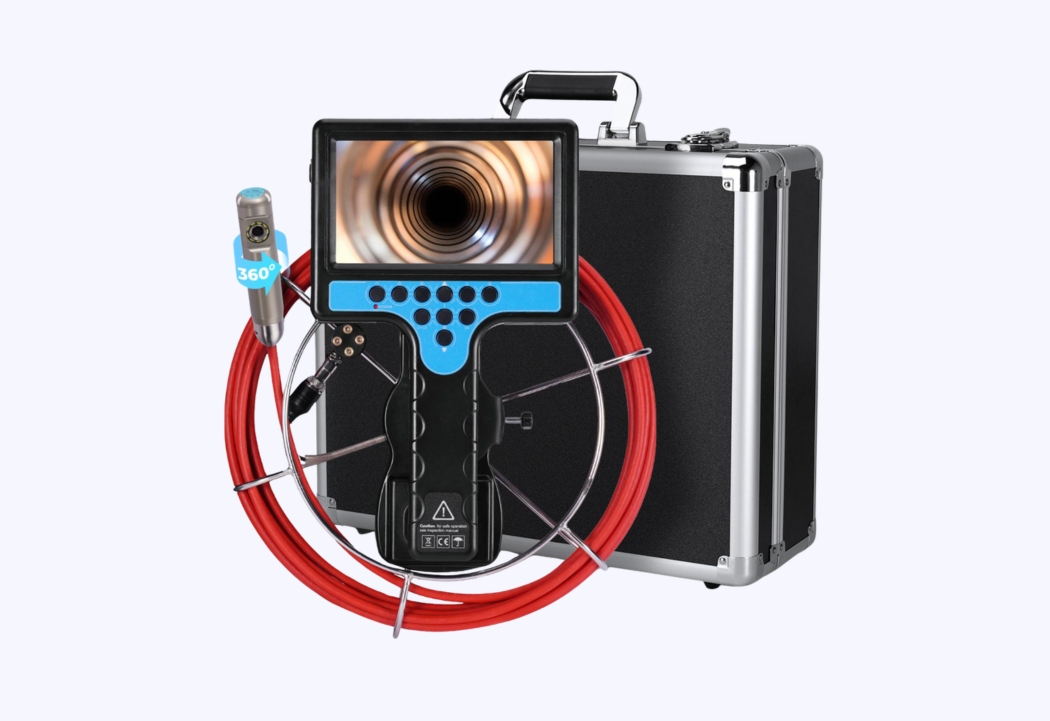
HD Borescope Inspection Camera

Purpose:

Provides high-definition visual examination inside enclosed, narrow, or inaccessible building cavities.

Common Uses / Notes:

Inspects subfloor voids, wall cavities, dry lining and enclosed pipework to locate leaks and defects with minimal disruption.

4K Inspection Drone

Purpose:

Captures high-resolution imagery and video of high-level external structures and rooflines.

Common Uses / Notes:

Inspects roof tiles, chimney stacks, lead flashing, parapet walls, valleys and gutters to locate water ingress sources.

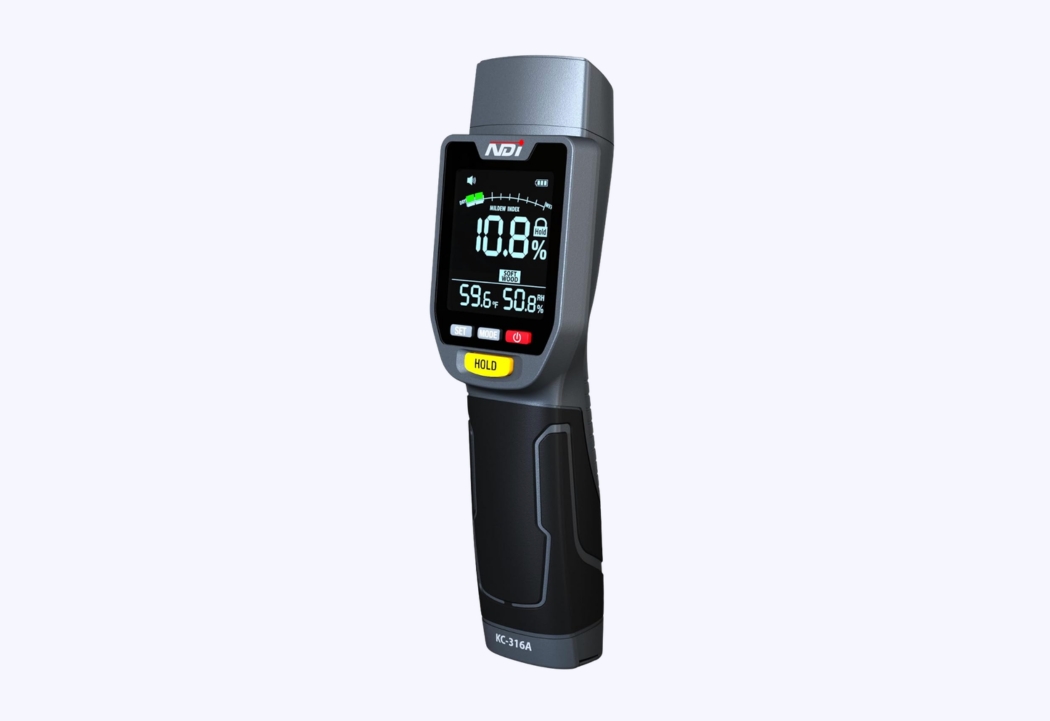
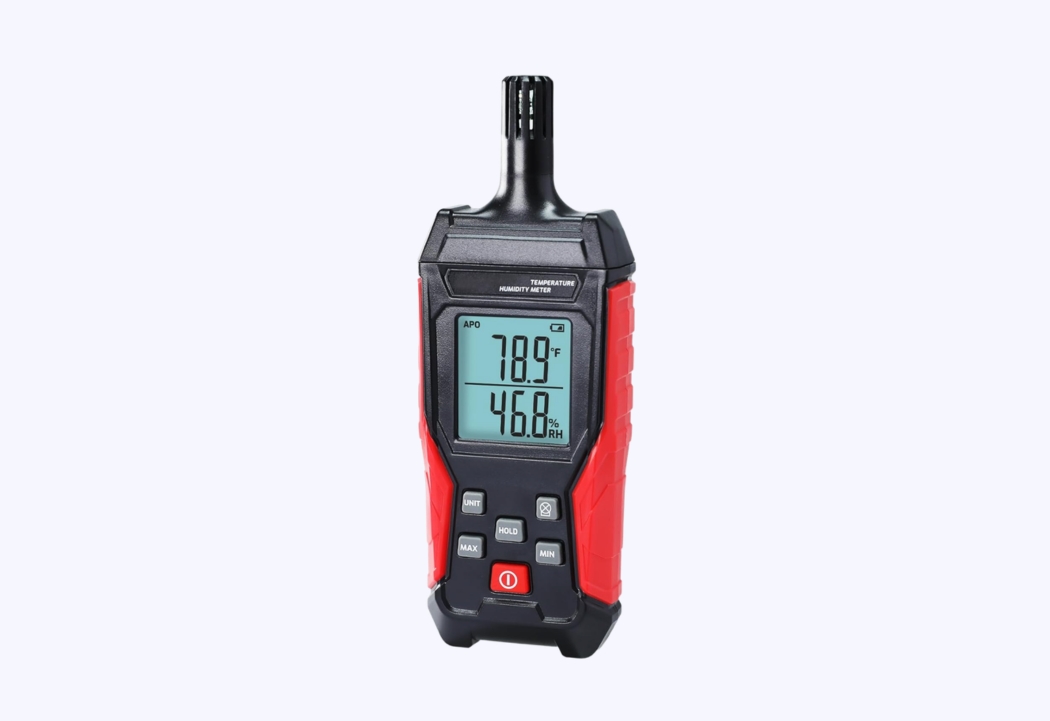
Air Humidity Sensor

Purpose:

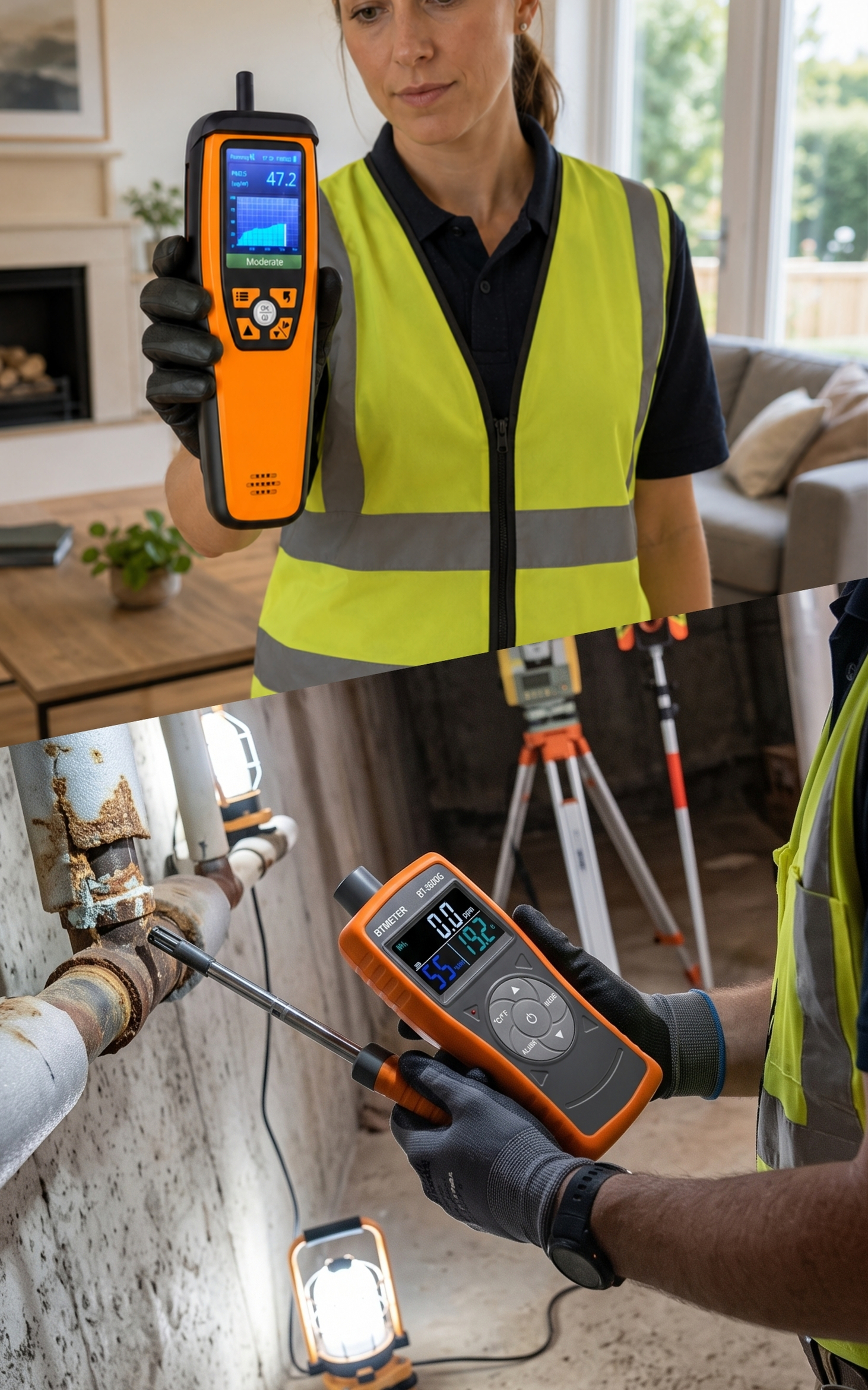
Measures ambient air temperature and relative humidity (%RH) levels within living areas.

Common Uses / Notes:

Determines whether atmospheric moisture, cold bridging, or insufficient ventilation supports surface condensation and mould growth.

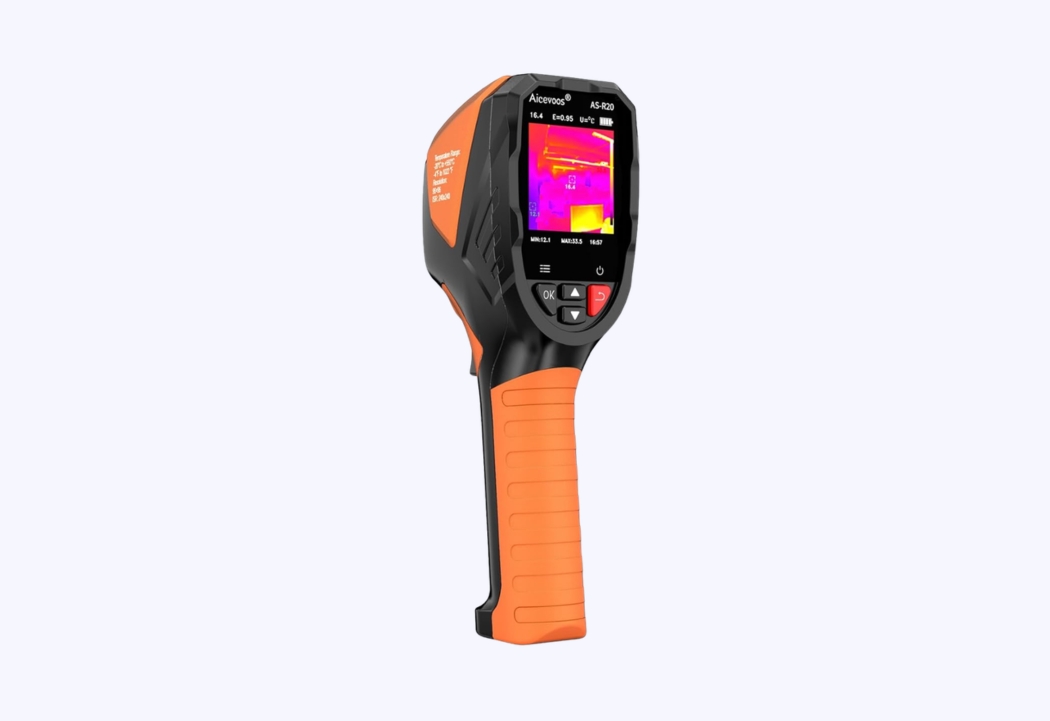
Thermal Imaging Camera

Purpose:

Visualises surface temperature differentials across walls, ceilings and floors.

Common Uses / Notes:

Detects cold spots, missing insulation, thermal bridges, evaporative cooling zones and concealed water leaks.

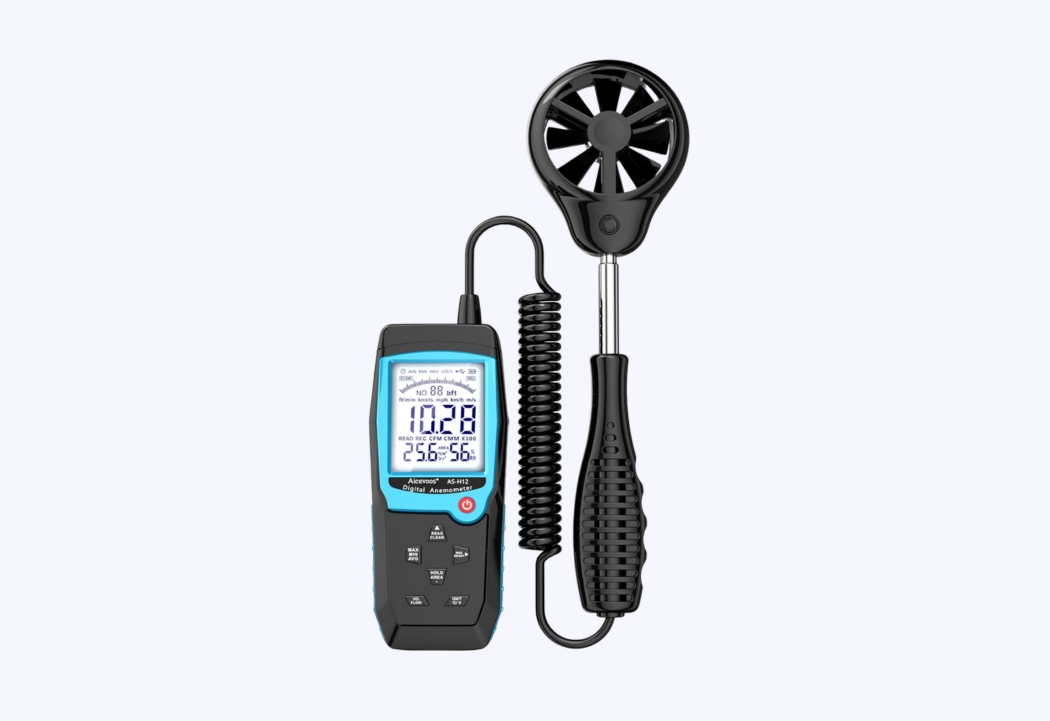
Airflow & Ventilation Detector

Purpose:

Measures volumetric air extraction performance (L/s or m3/h) of mechanical extractor fans.

Common Uses / Notes:

Tests kitchen, bathroom and utility fans to verify compliance with UK Building Regulations Part F and control condensation.

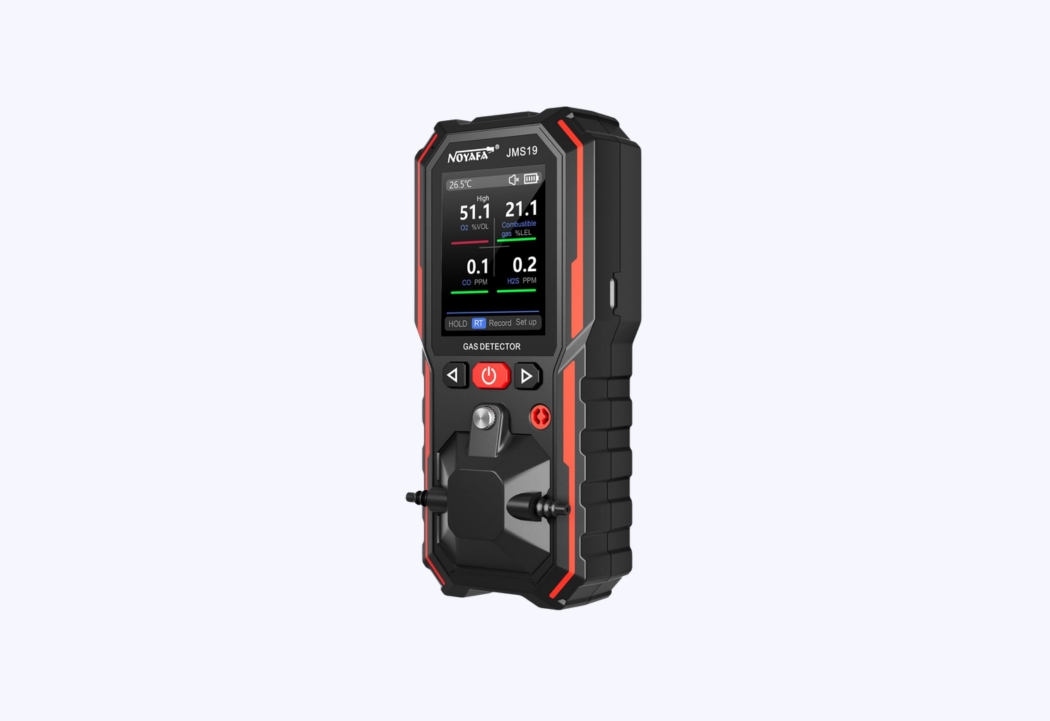
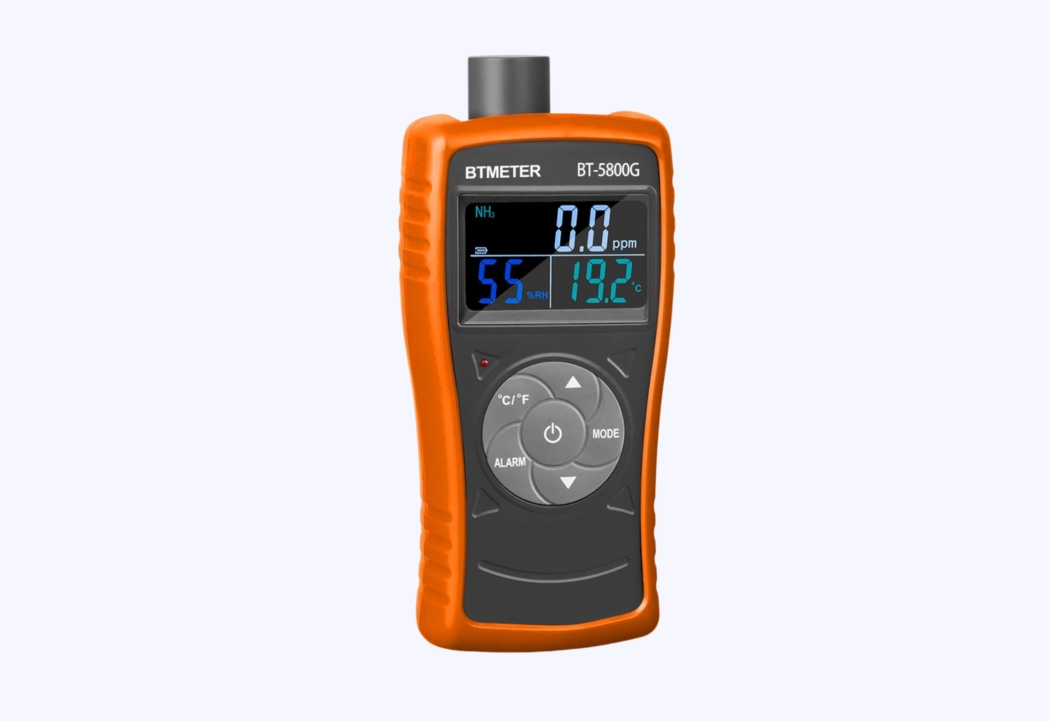
Gas Screening Instrument

Purpose:

Screens indoor environments for sewer gas intrusion, combustible gases and combustion concerns.

Common Uses / Notes:

Traces foul odours, soil stack leaks and sewer gases (H2S, NH3, CH4, CO, O2). Does not replace Gas Safe registered safety checks.

Chemical Vapour Detector

Purpose:

Screens air for Volatile Organic Compounds (TVOC/VOC) and chemical substances like formaldehyde (HCHO).

Common Uses / Notes:

Investigates unexplained chemical odours, building material off-gassing, post-flood air safety and indoor air quality.

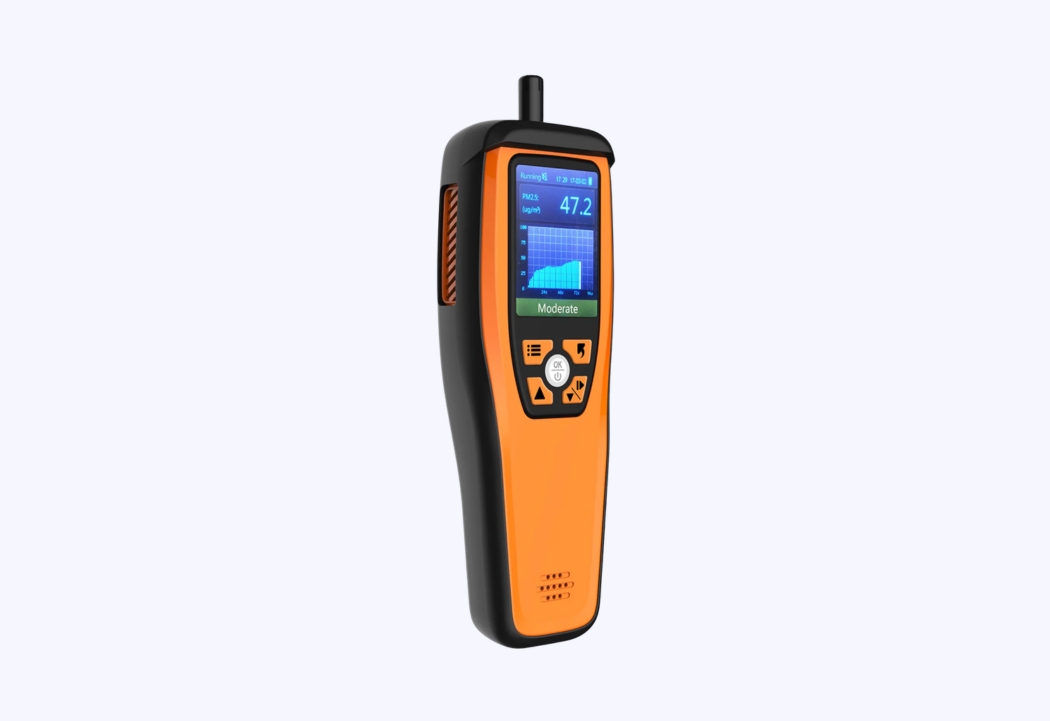
Airborne Particle Detector

Purpose:

Measures airborne particulate concentrations across precise micron size ranges (PM1.0, PM2.5, PM10).

Common Uses / Notes:

Assesses fine dust, smoke, airborne matter and environmental air quality following water damage or mould outbreaks.

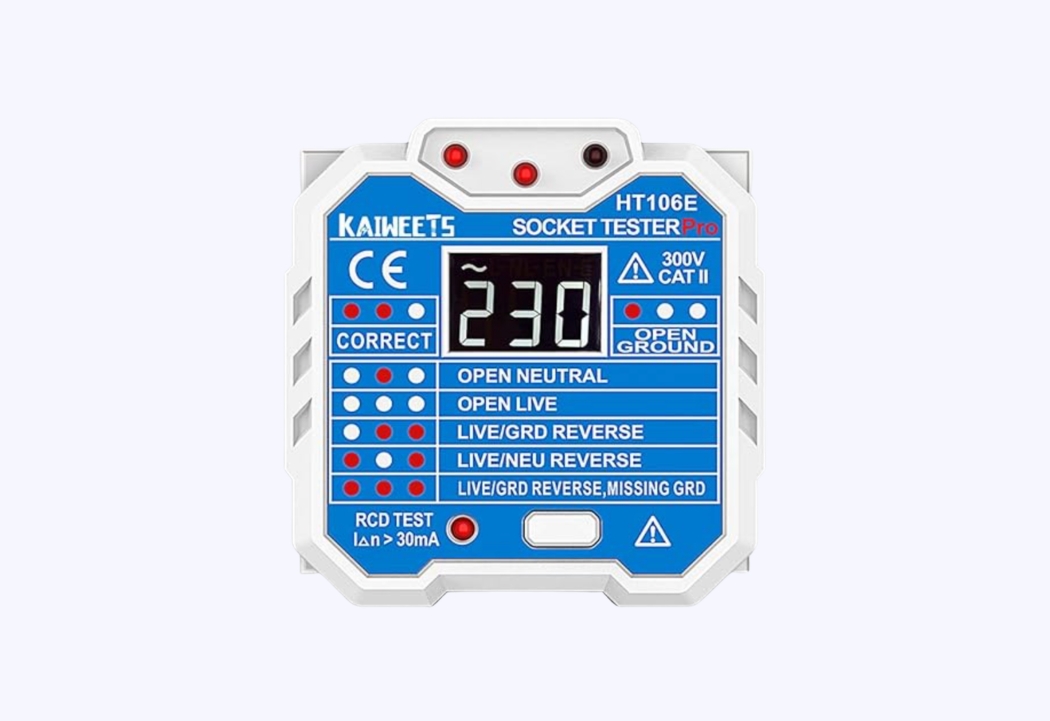
Electrical Socket & RCD Tester

Purpose:

Provides basic safety and protective circuit screening in areas affected by dampness.

Common Uses / Notes:

Identifies socket wiring faults, tests RCD trip functions and checks AC voltage in wet areas. Does not replace an EICR.

Survey Levels & Package Specifications

Level 1

Standard Damp Survey

Standard price: £299 + VAT

Promotional Price: £199 + VAT (Limited Time Offer)

Offer ends in--Days--Hours--Mins--Secs

The Level 1 Damp Survey is a basic damp inspection designed to check the main accessible areas of the property for damp, leaks
and visible moisture-related issues.

Equipment Included

  • Damp meter

What Is Included

  • Inspection of walls
  • Inspection of floors
  • Inspection of ceilings
  • Leak inspection of drains and plumbing
  • Damp information and prevention guide

Best For

This survey is best for customers who need a basic damp check where only a damp meter is used. It is most suitable for simple

damp concerns, such as suspected rising damp, visible damp patches, minor moisture concerns or a general check of accessible
areas.

The Level 1 Damp Survey is suitable where the customer wants a straightforward inspection of walls, floors, ceilings, drains and
plumbing without the use of advanced survey equipment.

Level 2

Detailed Damp & Timber Survey

Standard price: £399 + VAT

Promotional Price: £299 + VAT (Limited Time Offer)

Offer ends in--Days--Hours--Mins--Secs

The Level 2 Damp Survey includes everything in the Level 1 survey, with additional timber decay inspections and deeper
moisture testing.

Equipment Included

  • Damp meter
  • Deep-penetration damp meter for all building materials
  • Non-invasive moisture detection equipment

What Is Included

  • Inspection of walls
  • Inspection of floors
  • Inspection of ceilings
  • Leak inspection of drains and plumbing
  • Dry rot inspection
  • Wet rot inspection
  • Woodworm inspection
  • Deep moisture detection in building materials
  • Non-invasive moisture testing under floorboards and subfloors where accessible
  • Damp information and prevention guide

Best For

This survey is best for customers who need a damp and timber inspection. It is suitable where there may be concerns about damp,

wood rot, dry rot, wet rot, woodworm or moisture hidden behind building materials.

The Level 2 Damp Survey uses equipment that can read deeper into building materials, including areas such as subfloors, under
floorboards, behind panelling and other accessible hidden areas. This allows us to get a better understanding of whether there may
be hidden damp within the property without dismantling or damaging materials.

This survey is very suitable for home buyers and sellers who want a more detailed damp inspection before purchasing or selling a
property.

Specialised Laboratory Diagnostic Add-Ons

Add-On 1

Laboratory Analysis of Plaster Samples

Price £299 + VAT

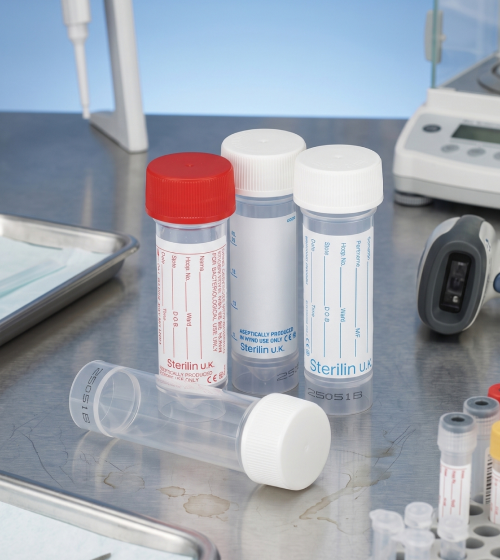
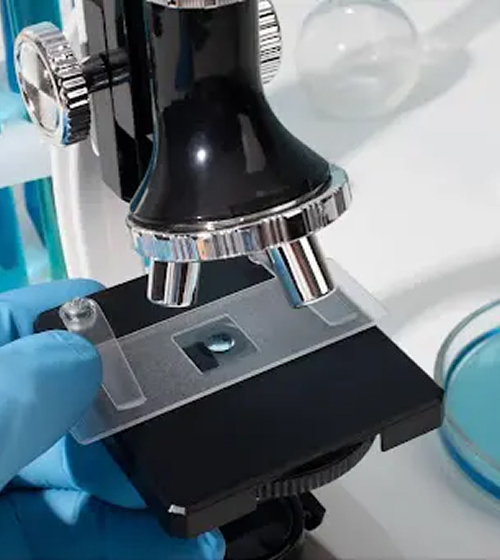
Small plaster samples are carefully taken from affected walls and submitted to an independent laboratory for salt analysis. The laboratory tests for the presence and precise concentration of hygroscopic salts, including nitrates and chlorides.

Diagnostic Value: Soluble ground salts are drawn up through masonry during rising damp and remain in plaster permanently. Salt analysis scientifically differentiates true rising damp from condensation or historic leak contamination.

Note: Plaster sampling requires minor material removal and is our only add-on involving minor invasive work.

Add-On 2

Mould Laboratory Testing & qPCR DNA Analysis

Price £299 + VAT

Surface swab or lift samples are submitted to an accredited laboratory for advanced qPCR DNA analysis.

Diagnostic Value: Accurately identifies exact mould species, measures contamination concentrations and detects hidden fungal growth inside cupboards or behind dry lining. Delivers impartial scientific evidence to guide safe environmental remediation.

Add-On 3

Gases, Chemical Vapours & Airborne Particle Testing

Price £299 + VAT

Comprehensive environmental air quality and gas screening tailored to specific property concerns.

Screening Suite Includes: IAQ air quality assessment, Volatile Organic Compounds (TVOC/VOC), Formaldehyde (HCHO), Particulate Matter (PM1.0, PM2.5, PM10), Sewer Gases (H2S, NH3, CH4), Combustion Gases (CO, O2) and ventilation performance.

Diagnostic Value: Air quality issues are often linked to damp, leaks and mould, but they cannot always be identified by a visual inspection alone. This testing helps detect hidden airborne contaminants, gases, chemical vapours and fine particles that may affect the property’s condition and indoor environment. It can also help identify problems such as poor ventilation, sewer gas ingress, off-gassing from building materials, combustion-related gases, or airborne particles following water damage, providing a more comprehensive understanding of the property’s condition.

It is also useful where a property has persistent unpleasant or unexplained odours. The testing can help investigate foul smells caused by damp, water damage, stagnant water, drains, sewer gases or chemical vapours, allowing the source of the odour to be identified more accurately.

Testing includes:

  • Indoor Air Quality Testing- IAQ
  • Volatile Organic Compound Testing- TVOC / VOC
  • Formaldehyde Testing- HCHO
  • Fine Particulate Matter Testing- PM1.0 / PM2.5 / PM10
  • Dust and Smoke Particle Testing- PM1.0 / PM2.5 / PM10
  • Sewer Gas Testing- H2S / NH3 / CH4
  • Gas Leak Screening- CH4 / C3H8
  • Carbon Monoxide Testing- CO
  • Hydrogen Sulfide Testing- H2S
  • Ammonia Odour
  • Testing- NH3
    Oxygen Level Testing- O2
  • Ventilation / Stale Air Assessment- IAQ / TVOC
  • Drain Smell Investigation- H₂S / NH3 / CH4
  • Chemical Odour Investigation- TVOC / VOC / HCHO / NH3
  • Post-Leak Air and Surface
  • Condition Assessment- PM2.5 / TVOC
  • Combustion Gas Safety Screening- CO / O2 / CH4
  • Building Material Off-Gassing Assessment- TVOC / HCHO
  • Airborne Pollutant Screening- PM1.0 / PM2.5 / PM10 / TVOC