PRE PURCHASE SURVEY
View all reviews on


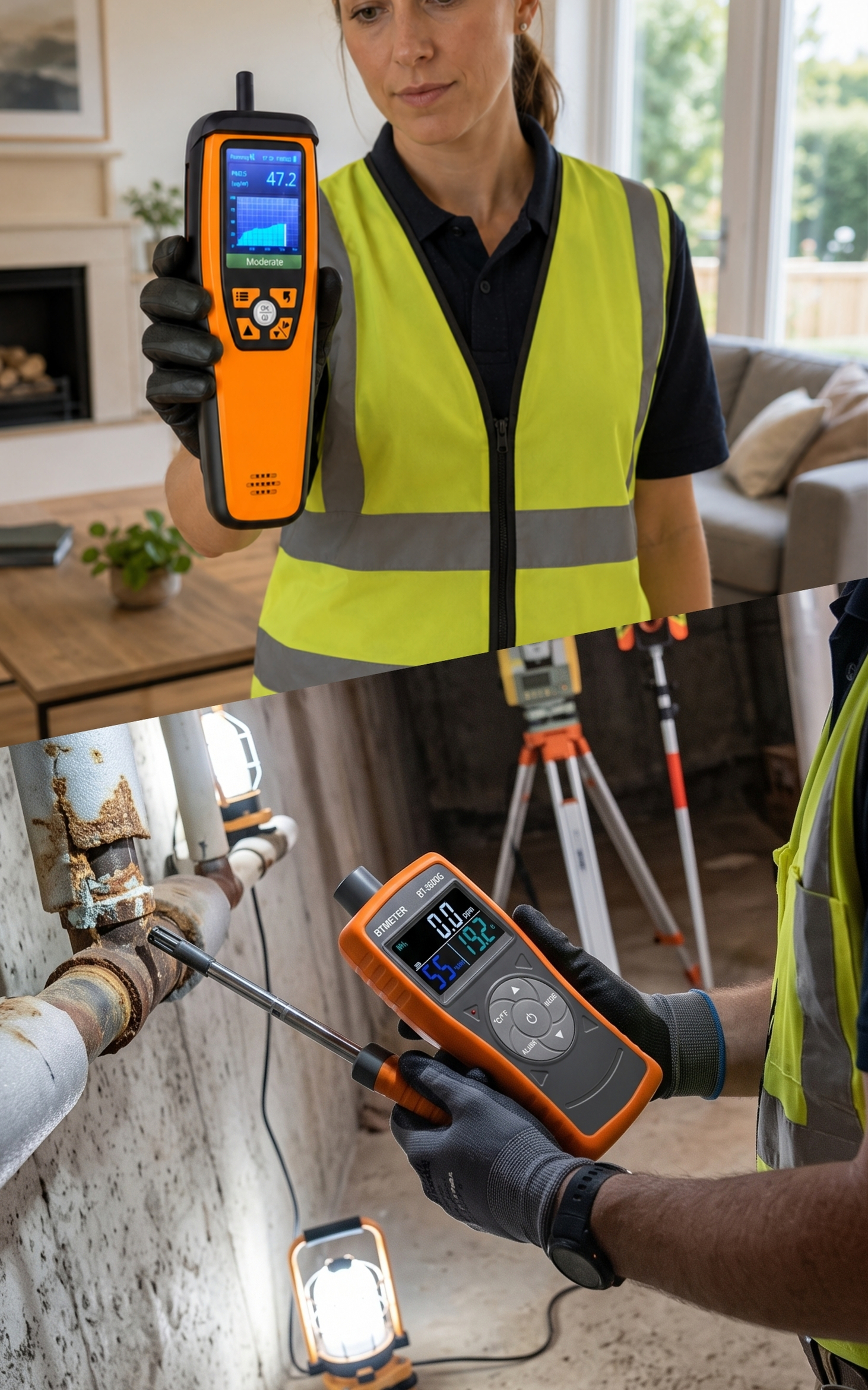
A damp survey from London Damp Specialist can provide you with a comprehensive report on the condition of your property. This report will help you immensely during purchase negotiations, as it specifically details any issues with dampness or timber in the property. Hiring a professional to conduct this type of survey is an investment that will quickly pay for itself and has the potential to save you £1000’s down the line.
Unknowing home buyers purchase many cheaply repaired homes that have been painted to sell–only to find damp and condensation issues, mould, and severe dampness spreading throughout different areas of the property a few months post-sale. In some cases, the damage is so significant that occupants must move out of the property while the repairs are being made.
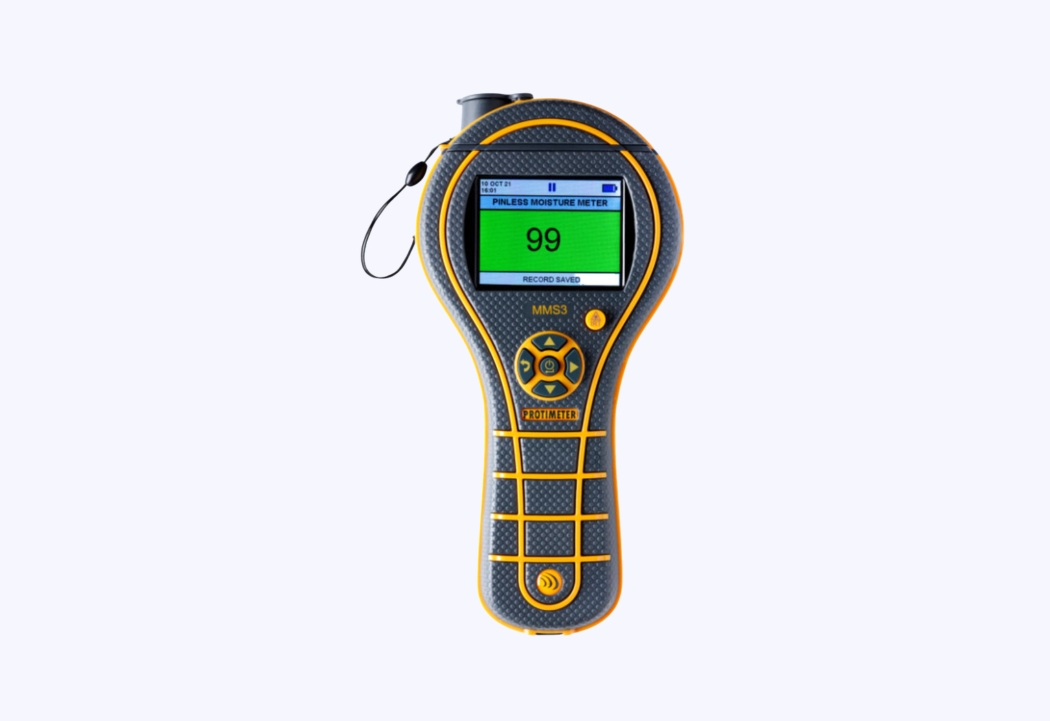
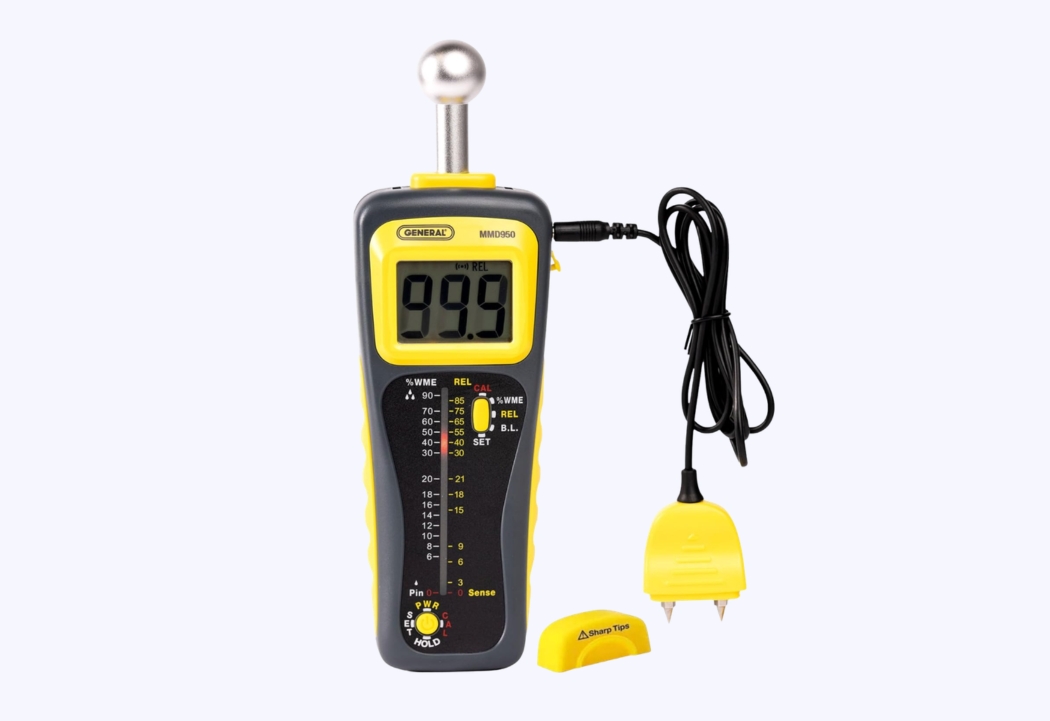
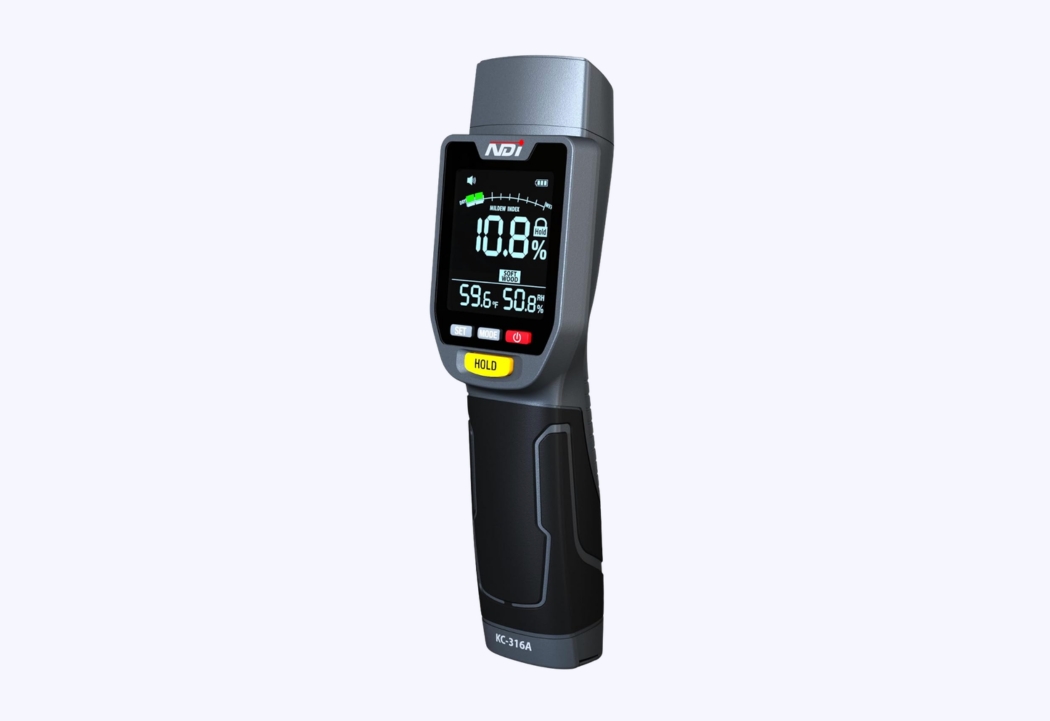
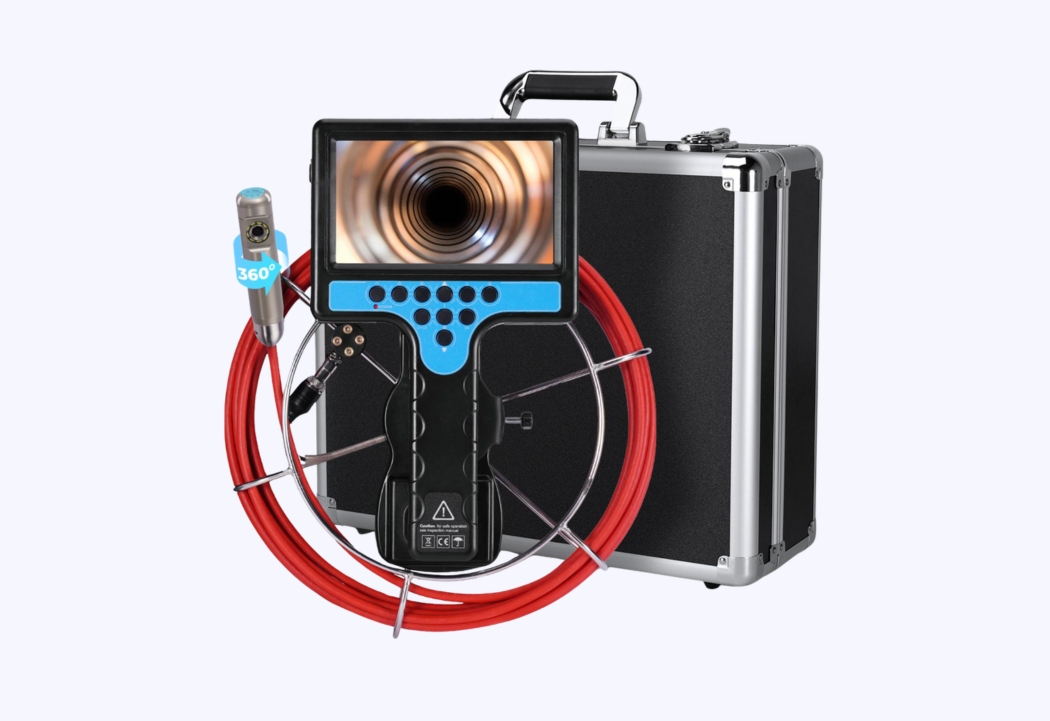
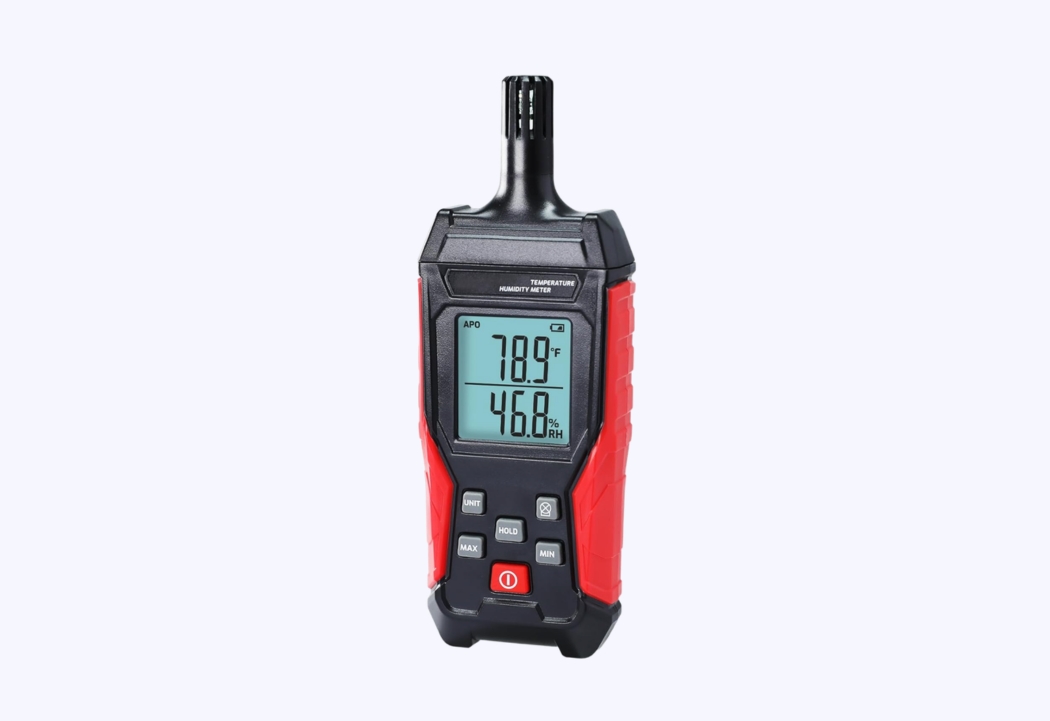
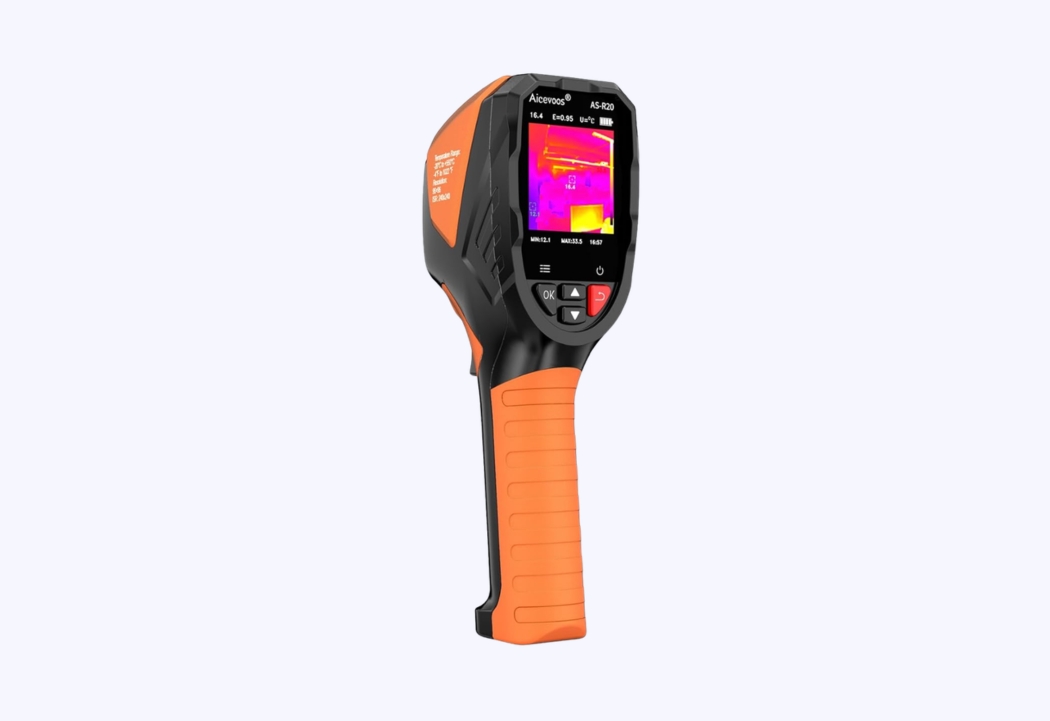
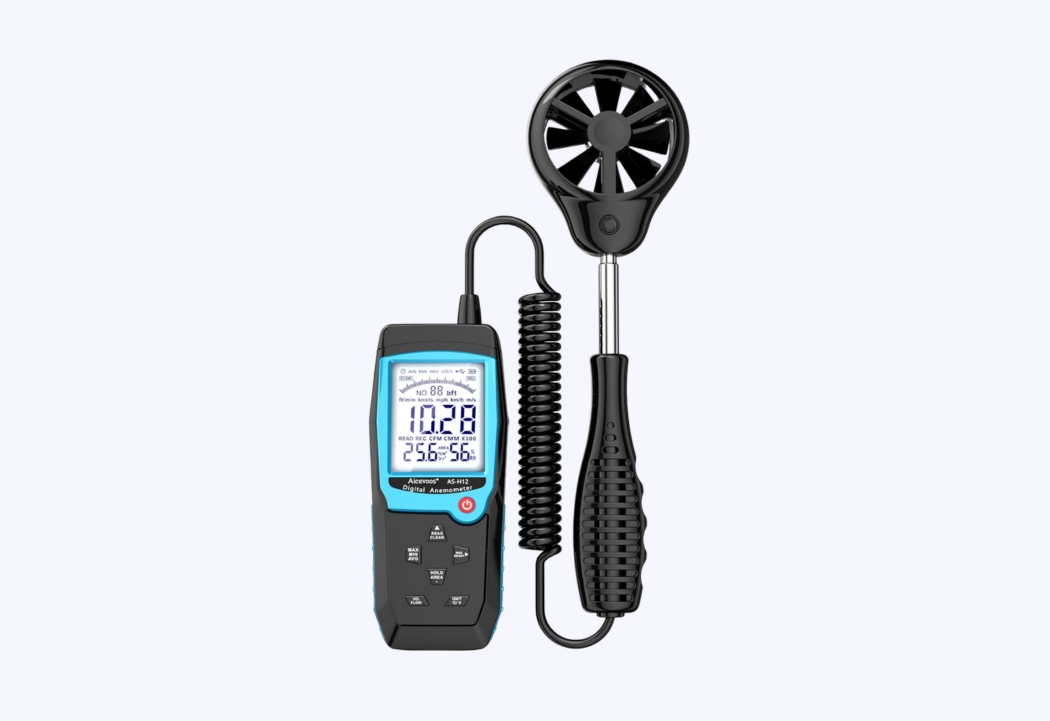
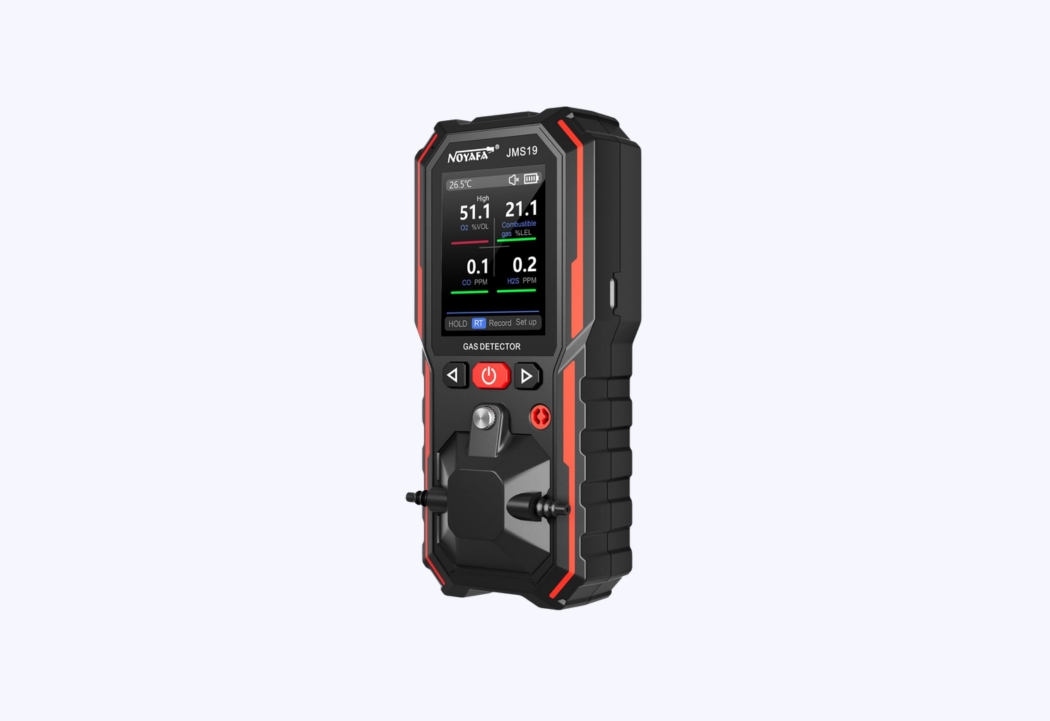
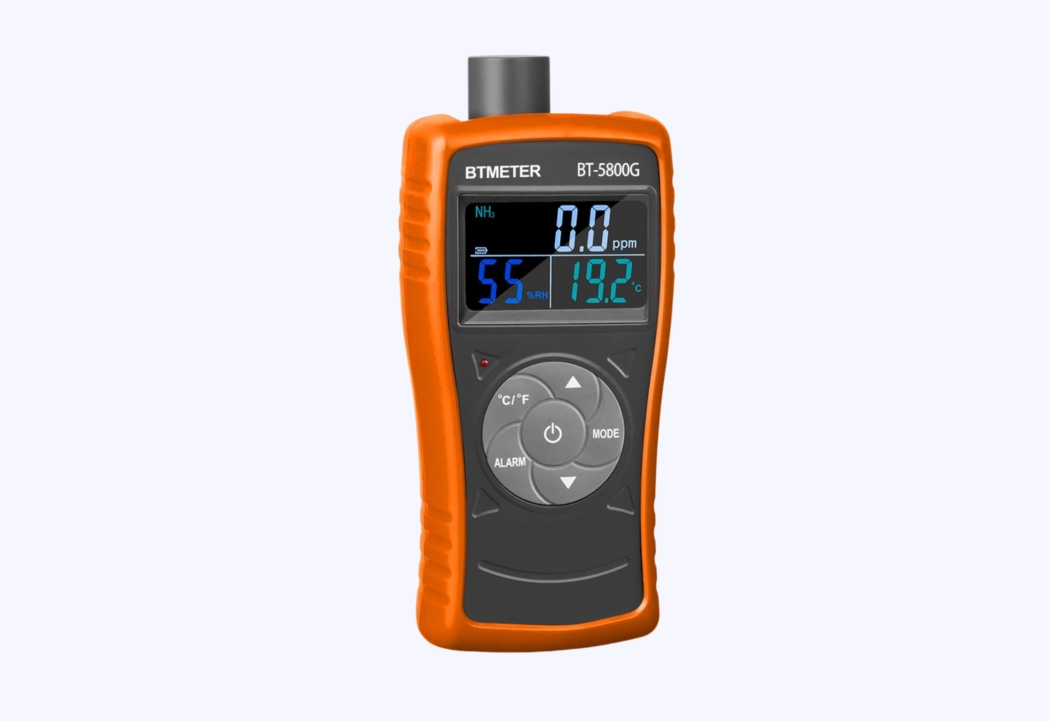
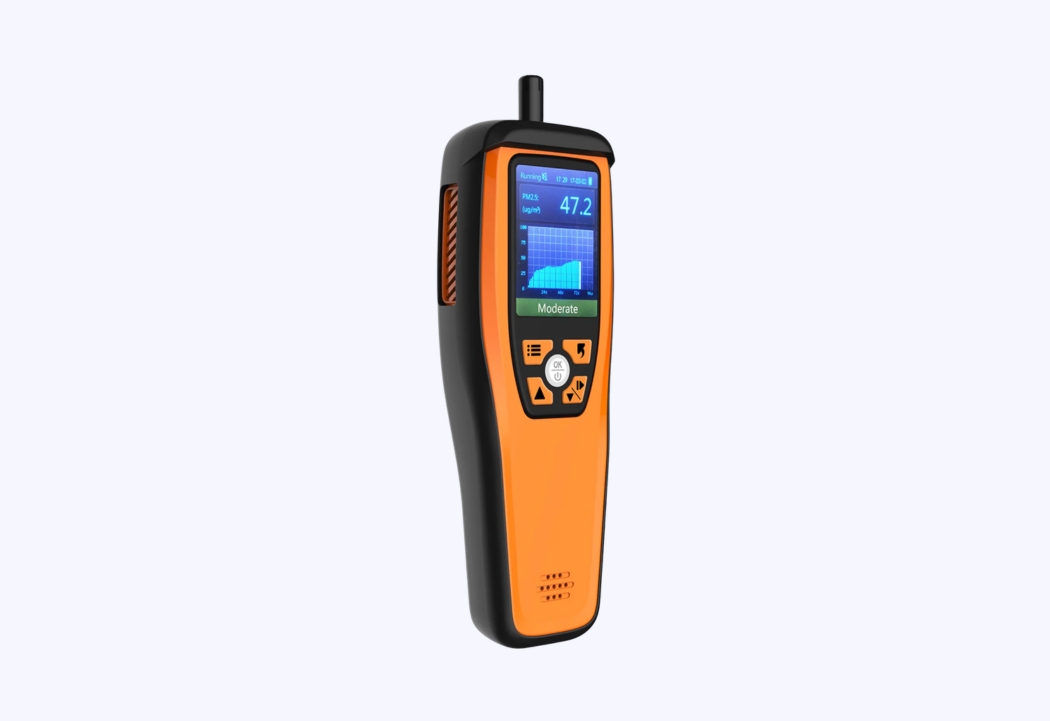
At London Damp Specialist, we utilise leading technology to detect underlying issues that are hidden and may be invisible to you.
Old properties tend to all have some sort of damp – if it does, we are sure to find it. We offer a full damp inspection along with a detailed homebuyers report for only £200+VAT, and our reports are generally ready within as little as 24 hours.
HOW CAN I GET HELP?
To get help, call London Damp Specialist on 0207 305 5997.
Or, feel free to send an enquiry or book a survey online.
If you submit an enquiry form, one of our damp surveyors will be in touch with you to discuss your problems. We aim to contact you within 24 hours.
- }Damp can cause structural problems such as rot and corrosion that could ultimately cost you money in the long run if not treated properly.
Qualification list
PCA-Certificated Surveying
- CSDB (Certificated Surveyor of Dampness in Buildings): This certification ensures your damp diagnosis is carried out to a recognised industry standard.
- CSTDB (Certificated Surveyor of Timber and Dampness in Buildings): This means we can assess timber decay, wet rot, dry rot and wood-boring insect activity in the same visit, giving you a complete picture of your property’s condition.
- CSSW (Certificated Surveyor in Structural Waterproofing): Where basement or below-ground waterproofing is involved, this certification ensures that any tanking or structural waterproofing solution we recommend is specified the first time correctly.

CSCS
- CSCS (Construction Skills Certification Scheme): Our experts carry a CSCS card, which confirms they’re authorised and trained to work safely on-site, giving you confidence that the team in your home meets recognised industry safety standards.
Asbestos awareness
- Asbestos awareness: Older properties may contain asbestos, particularly in areas where damp and timber work are common. Our team holds UKATA-accredited Asbestos Awareness training as standard and where a job risks disturbing such materials, our experts are more than qualified to manage the work safely and in full compliance with UK regulations.

30-Year Warranty + 10-Year Insurance-Backed Guarantee
Your damp repair is protected for decades.
- 30-Year Warranty: All remediation work is covered by a 30-year workmanship warranty, protecting your property against recurrence of the treated issue.
- 10-Year Insurance-Backed Guarantee (IBG): Your guarantee is insurance-backed for 10 years through Quality Assured National Warranties (QANW), so your cover remains valid even if we’re unable to fulfil it ourselves.
- 24-Hour Report Delivery: Comprehensive digital survey reports are typically issued within 24 hours of the inspection’s completion.