

Condensation in London Homes: Common Causes and Recommended Treatments

Condensation in London Homes: Common Causes and Recommended Treatments

3rd July, 2025

Condensation presents a very real threat to London properties, largely due to the damp and muggy climate we experience here in the South of England and in this blog, we take a look at what causes condensation and the best methods to deal with excessive moisture.

What is condensation?

Condensation forms when humid air meets cold surfaces and if an interior is damp with little or no ventilation, droplets of water are likely to form, typically on windows and walls. The bathroom and kitchen provide perfect conditions for condensation, so when you run a hot bath or take a hot shower, you should air the room by either opening windows or turning on extractor fans. Don’t open the door until the condensation dissipates and when cooking in the kitchen, turn on the canopy extractor fan.

Common causes of condensation

Common causes of condensation include the following:

  • High humidity – Normal daily activities like cooking, showering and drying wet clothes all release moisture into the air.
  • Lack of ventilation – Lack of airflow, especially in bathrooms and kitchens, allows droplets of water to form on surfaces.
  • Cold surfaces – When moist, warm air meets cold surfaces, droplets of water can form.
  • Living habits – Drying clothing indoors, improper use of ventilation fans and not covering cooking pots can lead to condensation forming.

Every London homeowner should regularly inspect the interior, looking for condensation, which can be dissipated by creating a strong airflow; condensation on windows should be immediately wiped up with a dry cloth before it can damage timber and plaster.

Recommended treatments for condensation

The following can be very effective ways to deal with excessive moisture in the home:

  • Insulation – The loft and cavity walls should be well-insulated, which would reduce the level of condensation and might even remove it completely. This helps to maintain a higher interior temperature.
  • Improve ventilation – Generating a positive airflow will reduce the amount of condensation in the home. This can be achieved by opening specific windows around the house, plus using extractor fans correctly.
  • The use of dehumidifiers – A dehumidifier will extract excess moisture from the air and as the device is portable, you can use it in every room to make the air drier.
  • Change your living habits – If you usually put damp clothing on a rack and let it dry out, this is going to add to the moisture into the atmosphere, which is likely to result in condensation forming.

Professional damp surveys

At London Damp Surveys, we offer a comprehensive pre-purchase damp survey, designed for those who are planning to buy a property in London. Our surveyors use high-tech equipment to help them accurately measure the moisture content and a close inspection of all aspects of the building brings you a detailed report on damp, mould, condensation and timber rot.


Call us on 0207 305 5997 during regular office hours or fill in the online form on this website and let the damp professionals assess the property and provide you with a detailed report within 24 hours of survey completion.


Damp Survey Costs

Transparent pricing with no hidden fees for our independent, unbiased surveys.

Level 1

Level 1

£199 + VAT

What’s included:

  • Inspection of walls
  • Inspection of floors
  • Inspection of ceilings
  • Leak inspection of drains and plumbing
  • Damp information and prevention guide
Level 2

Level 2

£299 + VAT

What’s included:

  • Everything in Level 1
  • Dry rot inspection
  • Wet rot inspection
  • Woodworm inspection
  • Damp information and prevention guide

 Survey Add Ons

Add On 1

£299 + VAT
Lab Analysis Of Plaster

Laboratory analysis Of plaster identifies hygroscopic salts such as chlorides and nitrates. which indicate whether damp is caused by rising groundwater or by plumbing leaks, This testing removes guesswork, allowing the exact source of moisture to be identified so the correct treatment is applied rather than carrying out unnecessary damp-proofing work.

Add to Survey

Add On 2

£299 + VAT
Mould Lab Swab Testing, qPCR on DNA

qPCR DNA mould testing detects microscopic mould spores that are invisible during a normal inspection and van remain hidden behind walls, floors. or inside building rkaterials. It identifies the exact mould species present and the contamination level, allowing hidden mould problems to be confirrned and properly treated before they affect the property or occupants’ health.

Add to Survey

Qualifications: All our surveyors are PCA and CSRT qualified for remedial treatments and also CSSW qualified for structural waterproofing.
Next day report: You will receive the report within 24 hours of the inspection taking place.

These are the tools we use

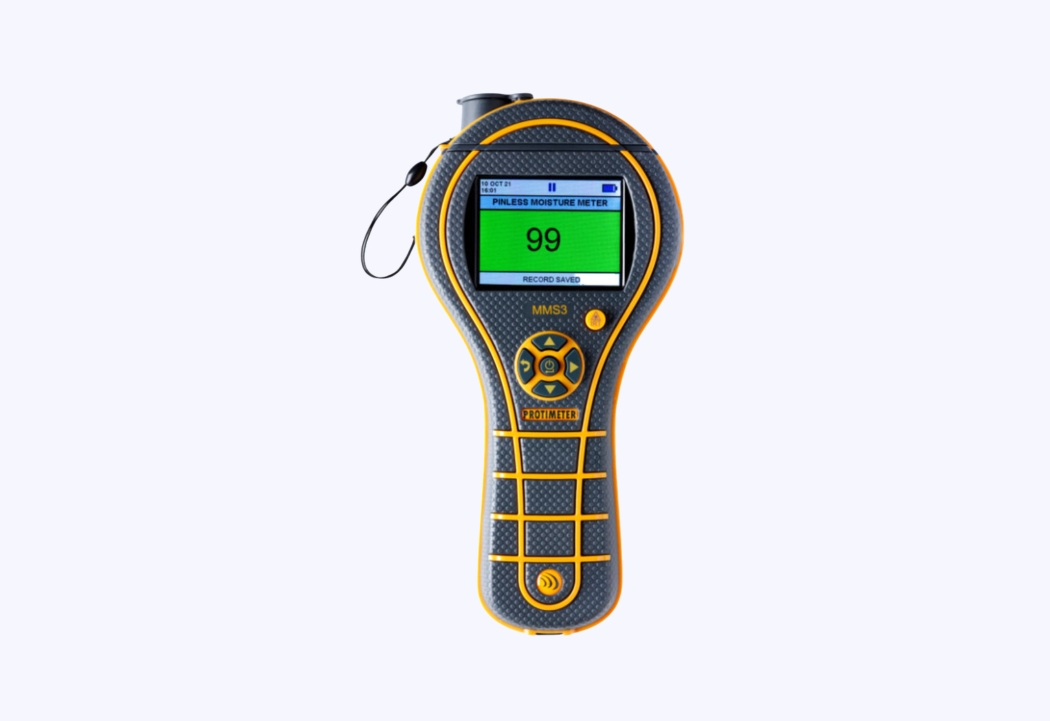
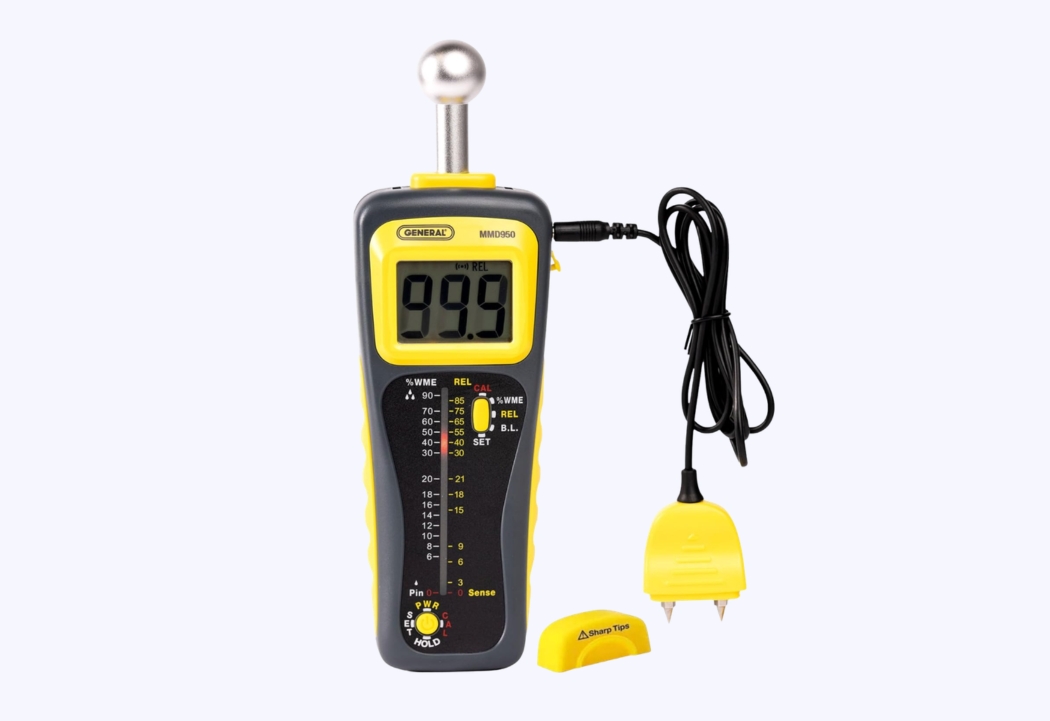
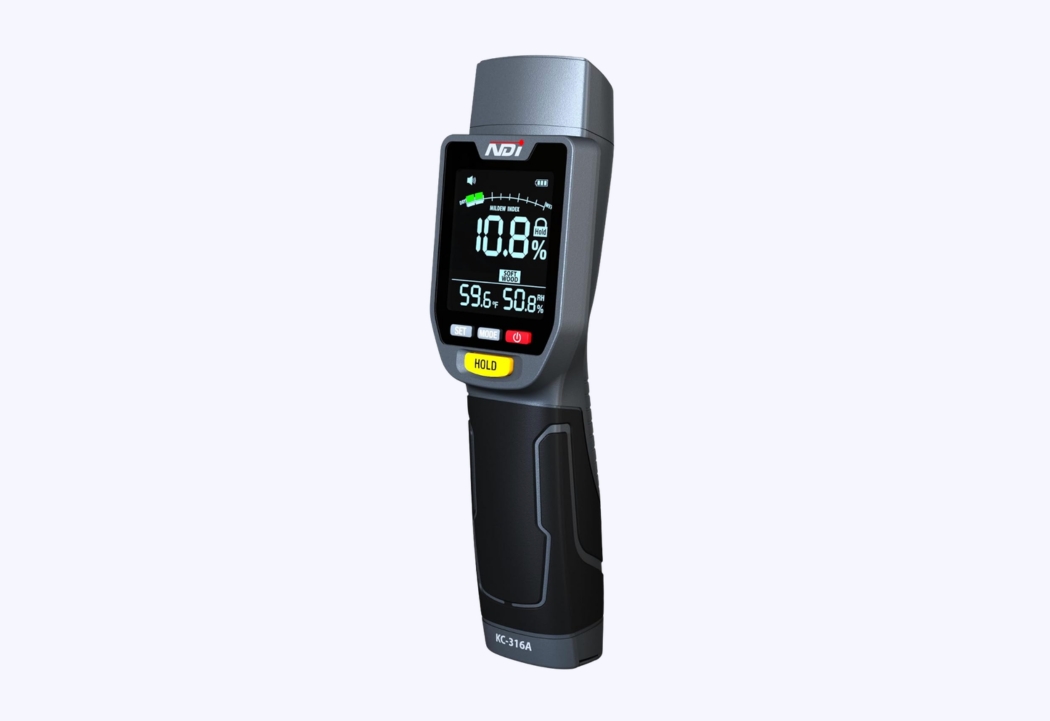
A damp meter

A damp meter

A damp meter is a diagnostic tool used to detect and measure moisture levels within building materials such as plaster, brick, timber, and concrete.

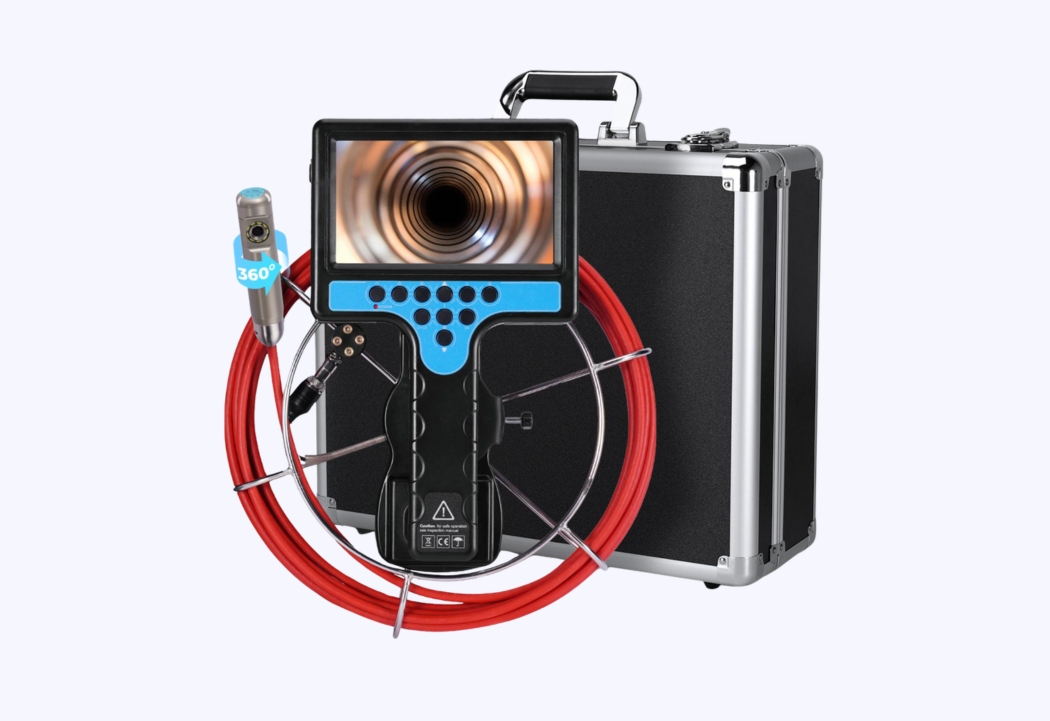
Borescope camera

Borescope camera

borescope camera is a small inspection camera attached to a flexible semi-rigid cable that allows you to see inside areas that are otherwise inaccessible.

Inspection Drone

Inspection Drone

A drone is a remotely operated aerial device equipped with a camera that allows visual inspection from above without the need for scaffolding or ladder.

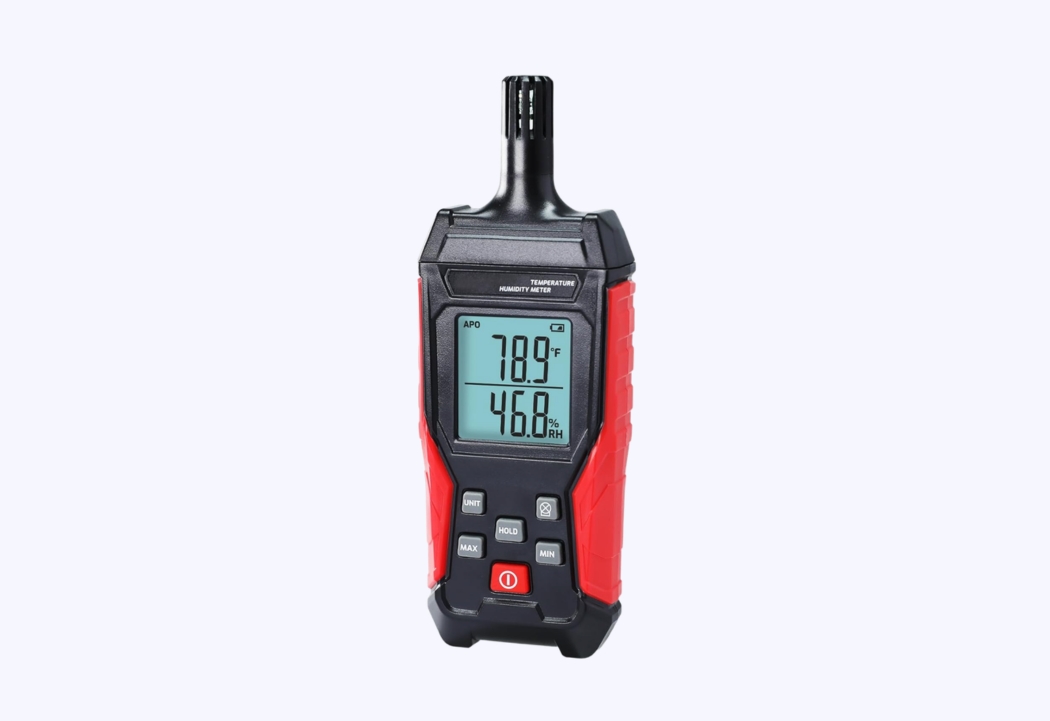
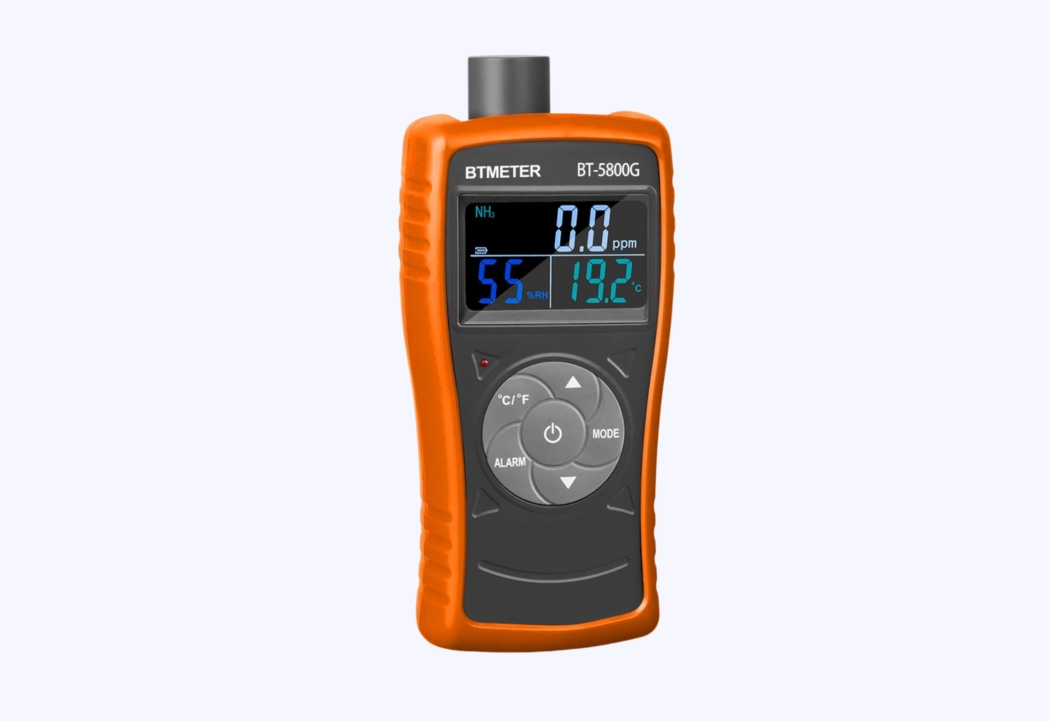
Air Humidity Sensor

Air Humidity Sensor

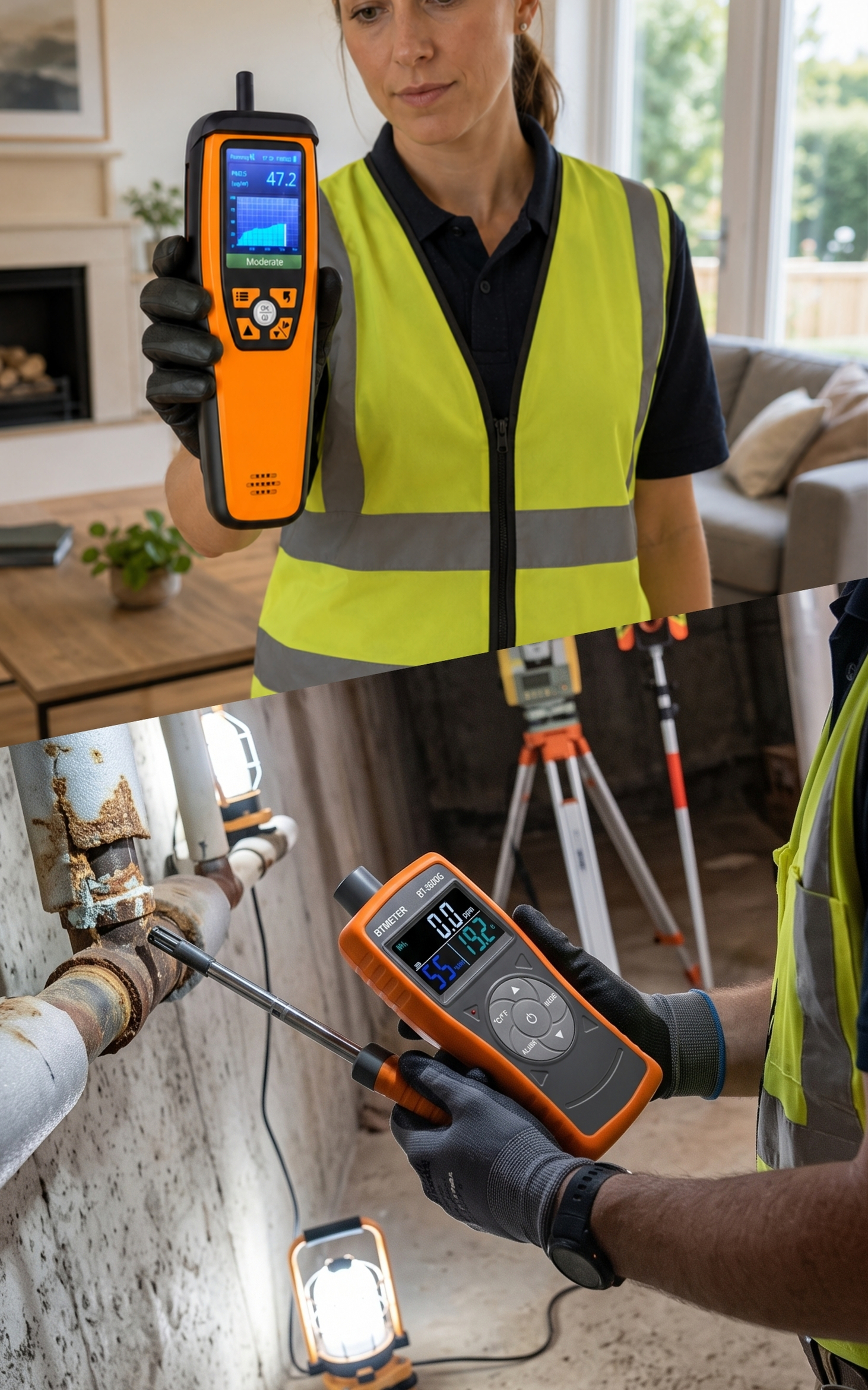
Air humidity sensor measures the amount of moisture present in the air, expressed as relative humidity (RH) in percentage. It helps determine whether indoor conditions are contributing to condensation, mould growth, or damp-related issues.

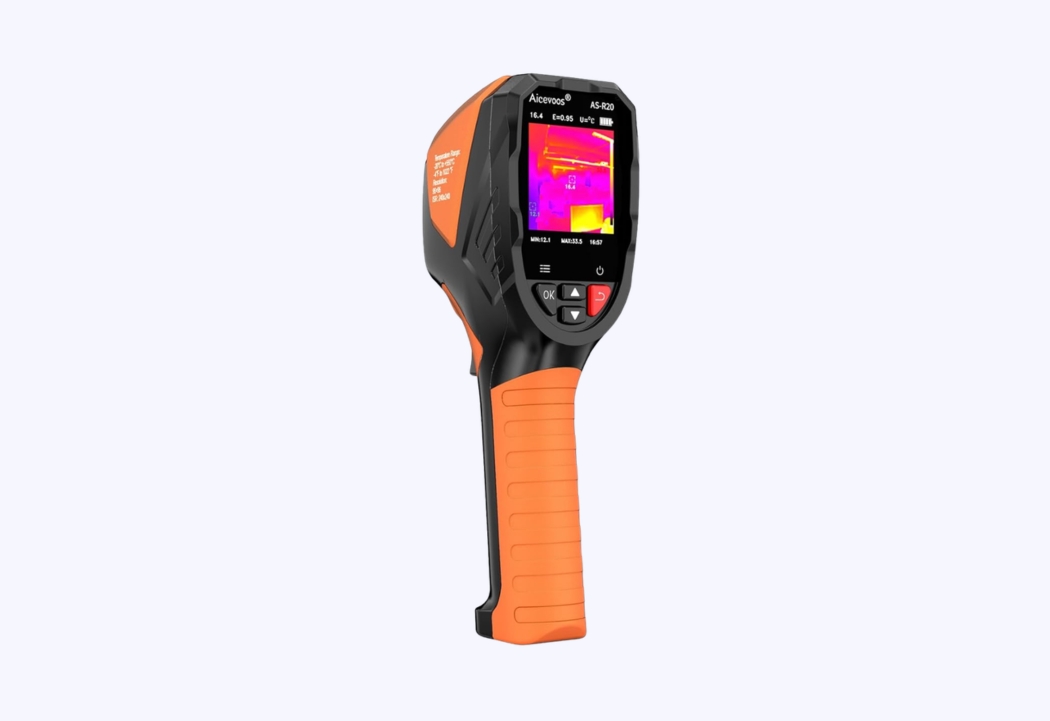
Thermal Imaging Camera

Thermal Imaging Camera

A thermal imaging camera detects temperature differences on surfaces by using infrared technology to produce a heat map image. In damp investigations, it helps identify cold spots, moisture intrusion, insulation defects, thermal bridging and leaks.

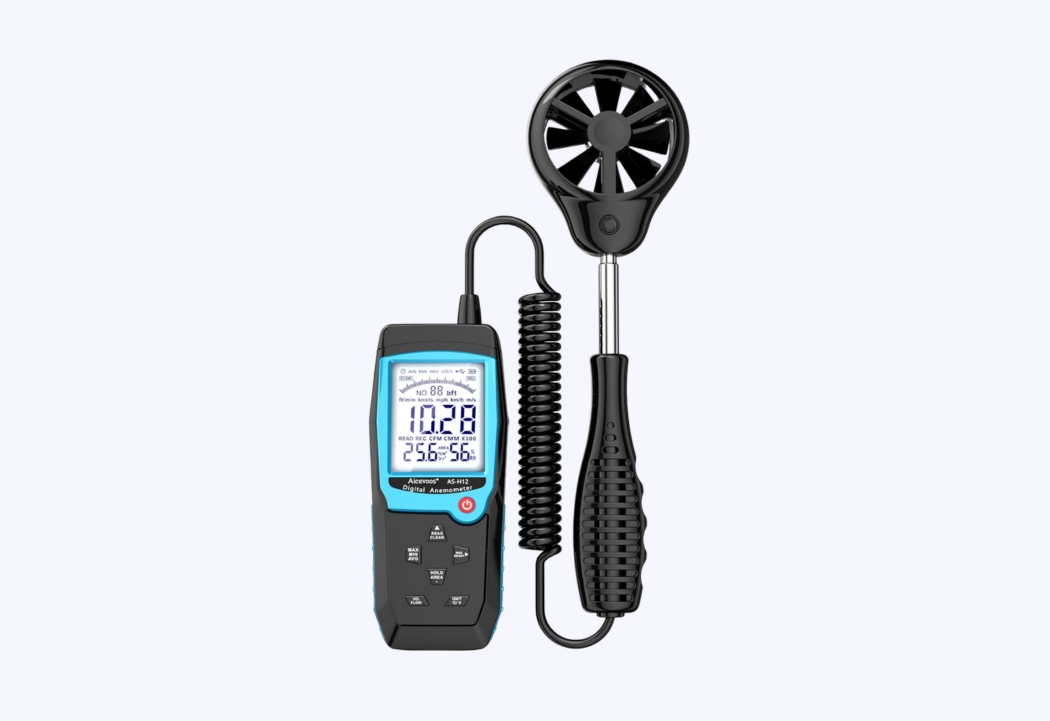
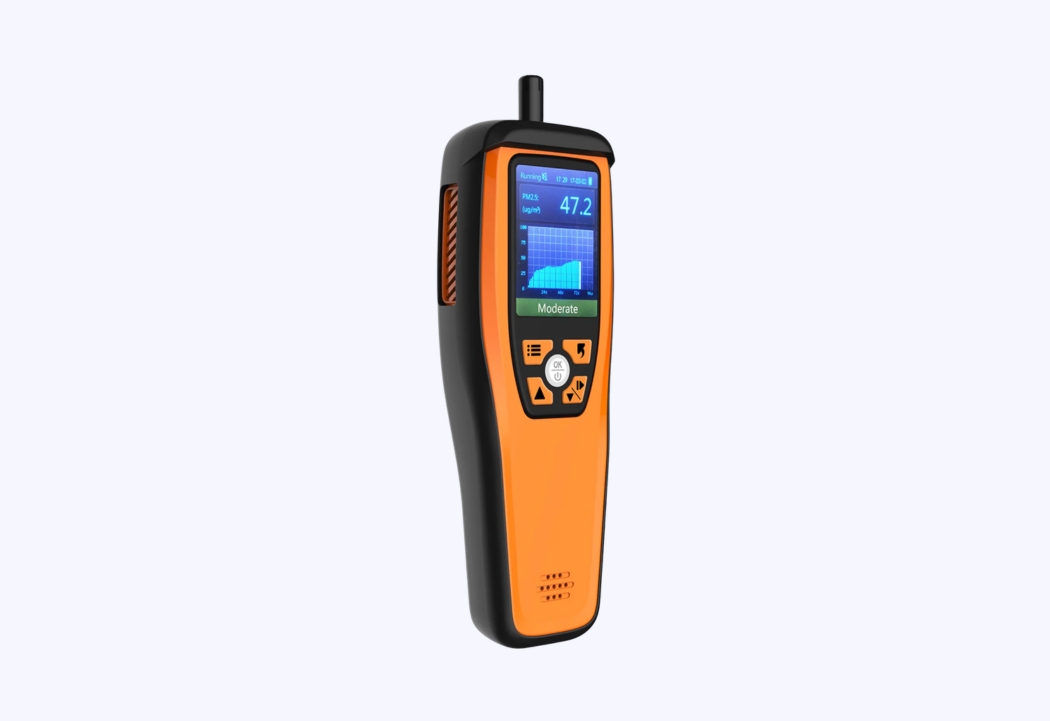
Air Flow Ventilation Detector

Air Flow Ventilation Detector

An air flow ventilation detector measures the movement and volume of air passing through vents, extractor fans, and air bricks. It confirms whether ventilation systems are working properly and achieving adequate air changes within a room. Poor airflow leads to trapped moisture, high humidity, condensation on cold surfaces, and ultimately mould growth.

Mould Swab Test Kit

Mould Swab Test Kit

A mould swab test is carried out to confirm the presence of hidden mould growth and identify the specific species involved. Surface mould is not always visible, especially behind furniture, inside cavities, or within ventilation systems. Laboratory analysis of a swab sample determines whether active mould spores are present and what type they are, which helps assess potential health risks and decide the correct remediation approach rather than relying on visual assumption alone.

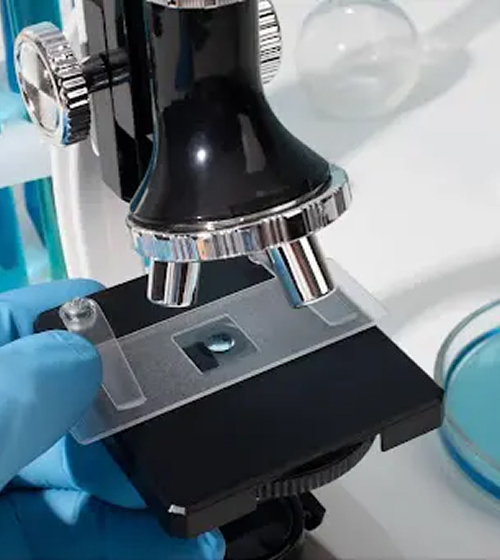
Plaster Salt Analysis Lab

Plaster Salt Analysis Lab

Laboratory analysis of plaster is used to identify the type of salts present within the material, typically chlorides and nitrates. The presence and concentration of these salts help determine whether the moisture source is consistent with rising damp, ground contamination, or another forms [sic] of water ingress. such as mains water leak, This removes guesswork and prevents misdiagnosis, ensuring the correct remedial treatment is specified rather than applying unnecessary or ineffective solutions.