

How Damp Affects Property Value: What London Homeowners Need to Know

How Damp Affects Property Value: What London Homeowners Need to Know

3rd July, 2025

Moisture is a major enemy of London property owners, largely thanks to the wet and muggy climate we experience in the south of England. Damp, mould and timber decay can cause serious damage to a building and you need to take a proactive stance regarding damp, in order to protect your asset.

Regular roof inspections

The roof on your house is a critical component that is constantly under pressure from the harsh British climate and a few missing roof tiles could cause serious damage to roofing timbers. The cost of reroofing would be in the thousands, so you should inspect the roof timbers with a trip to the attic; take a flashlight and inspect all timbers, looking for damp, decaying timber and woodworm. Don’t wait until you notice damp stains on the upstairs ceilings, as the damage will already be done; if you would like a professional damp and mould inspection, we at London Damp Surveys are happy to send a qualified surveyor to assess your home for signs of damp, mould and timber rot.

Rising damp

Some underlying areas of London tend to hold water, due to the clay substrate; every building will have a damp proof course, which is a bitumen-based, thick strip that is inserted on a course of bricks during the build. This is effective at keeping moisture at bay, this layer can tear due to ground movement and once compromised, damp will rise up the walls. There are other ways to stop rising damp, a chemical DPC can be injected into the brickwork, providing a seal. Badly damaged walls would lead to an expensive fix, while timber frames need to be replaced.

Condensation on the walls

If there is no ventilation, droplets of water appear on the walls and windows, closely followed by mould and mildew; a damp survey involves testing plaster samples from various rooms, testing for moisture content. Opening a few windows would help; install a few extractor fans in the right locations and get the air circulating. If a room has peeling wallpaper and a musky smell, the room will have to be replastered and damp-proofing services are needed.

Woodworm

There are several species of beetle in the UK and they burrow tiny holes in timber, with small mounds of dust, where they lay their eggs. This destroys the wood and if not treated, the timber has to be removed and replaced. Woodworm can cause a lot of damage, whether the roof, floors, windows and doors, so regular inspections are advised.

Buying a London property

Such a big investment demands due diligence; contact London Damp Surveys on 0207 305 5997 and one of our certified damp inspectors will survey the property and you receive a detailed report within 24 hours of the survey finish. There are several levels to a damp survey, check our pre-purchase survey page for more details. If there are issues, you can show the report to the seller and negotiate a discount for damp-proofing services.


Damp Survey Costs

Transparent pricing with no hidden fees for our independent, unbiased surveys.

Level 1

Level 1

£199 + VAT

What’s included:

  • Inspection of walls
  • Inspection of floors
  • Inspection of ceilings
  • Leak inspection of drains and plumbing
  • Damp information and prevention guide
Level 2

Level 2

£299 + VAT

What’s included:

  • Everything in Level 1
  • Dry rot inspection
  • Wet rot inspection
  • Woodworm inspection
  • Damp information and prevention guide

 Survey Add Ons

Add On 1

£299 + VAT
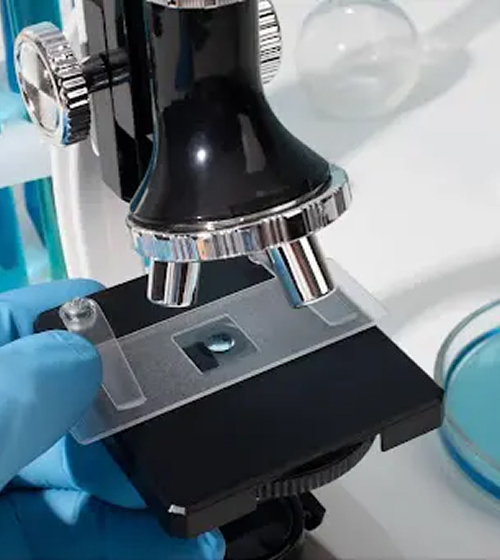
Lab Analysis Of Plaster

Laboratory analysis Of plaster identifies hygroscopic salts such as chlorides and nitrates. which indicate whether damp is caused by rising groundwater or by plumbing leaks, This testing removes guesswork, allowing the exact source of moisture to be identified so the correct treatment is applied rather than carrying out unnecessary damp-proofing work.

Add to Survey

Add On 2

£299 + VAT
Mould Lab Swab Testing, qPCR on DNA

qPCR DNA mould testing detects microscopic mould spores that are invisible during a normal inspection and van remain hidden behind walls, floors. or inside building rkaterials. It identifies the exact mould species present and the contamination level, allowing hidden mould problems to be confirrned and properly treated before they affect the property or occupants’ health.

Add to Survey

Qualifications: All our surveyors are PCA and CSRT qualified for remedial treatments and also CSSW qualified for structural waterproofing.
Next day report: You will receive the report within 24 hours of the inspection taking place.

These are the tools we use

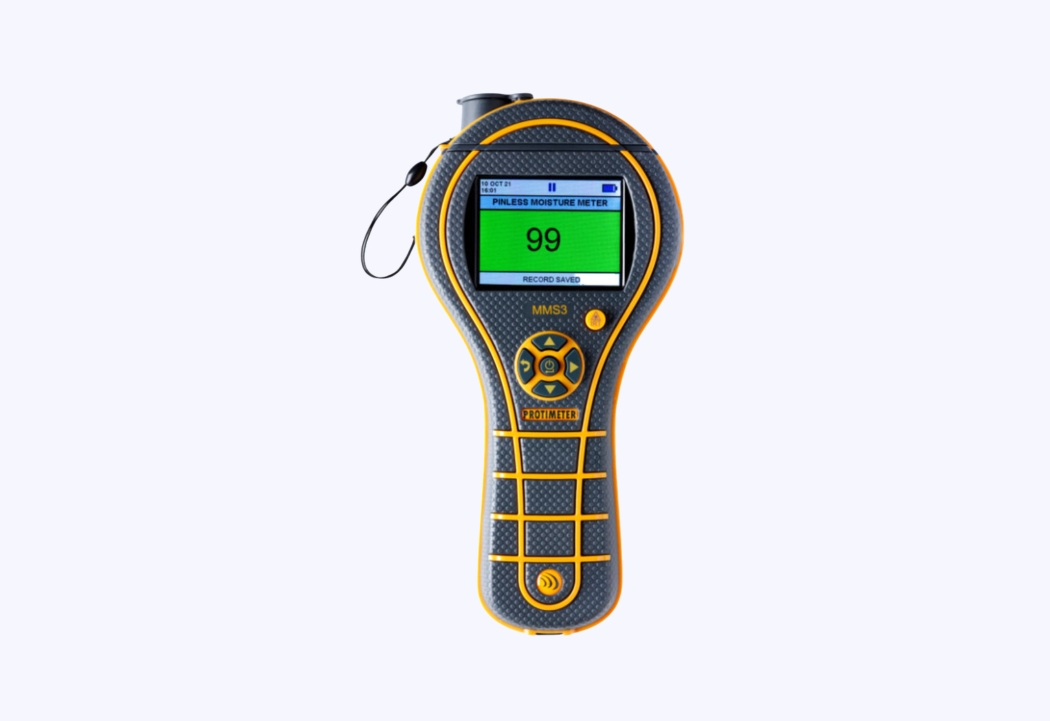
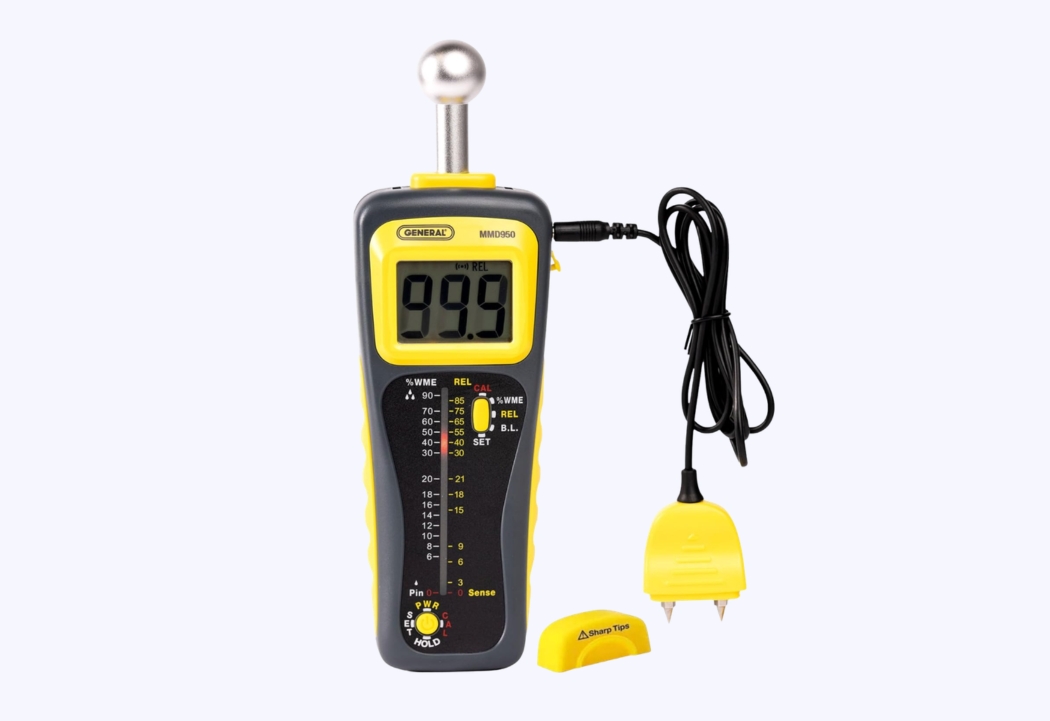
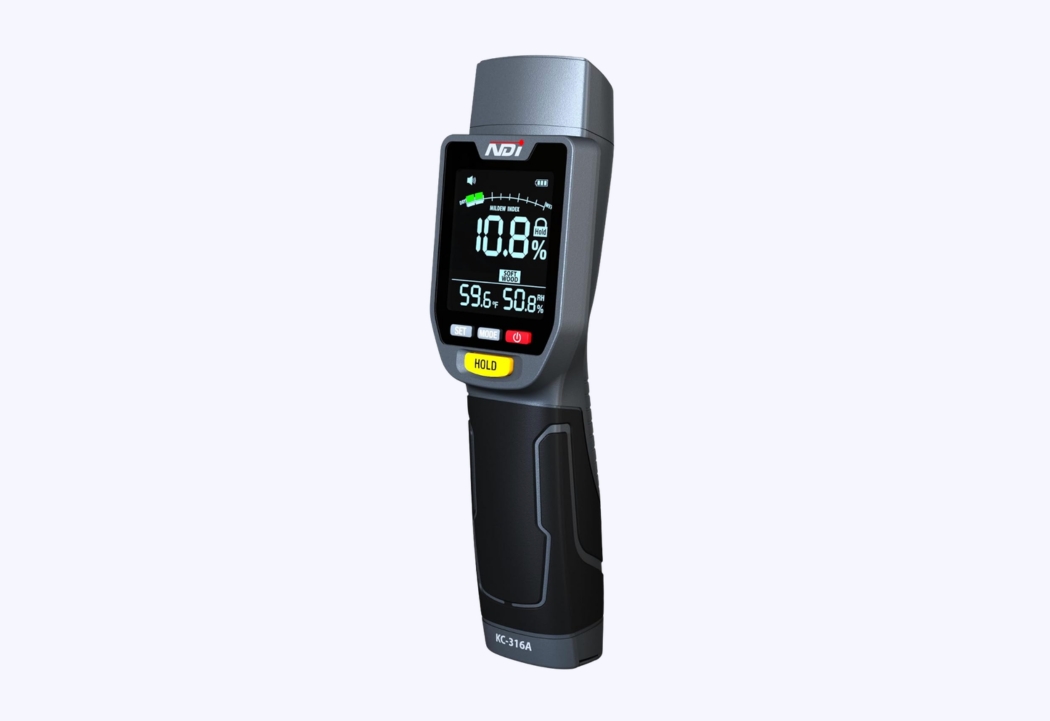
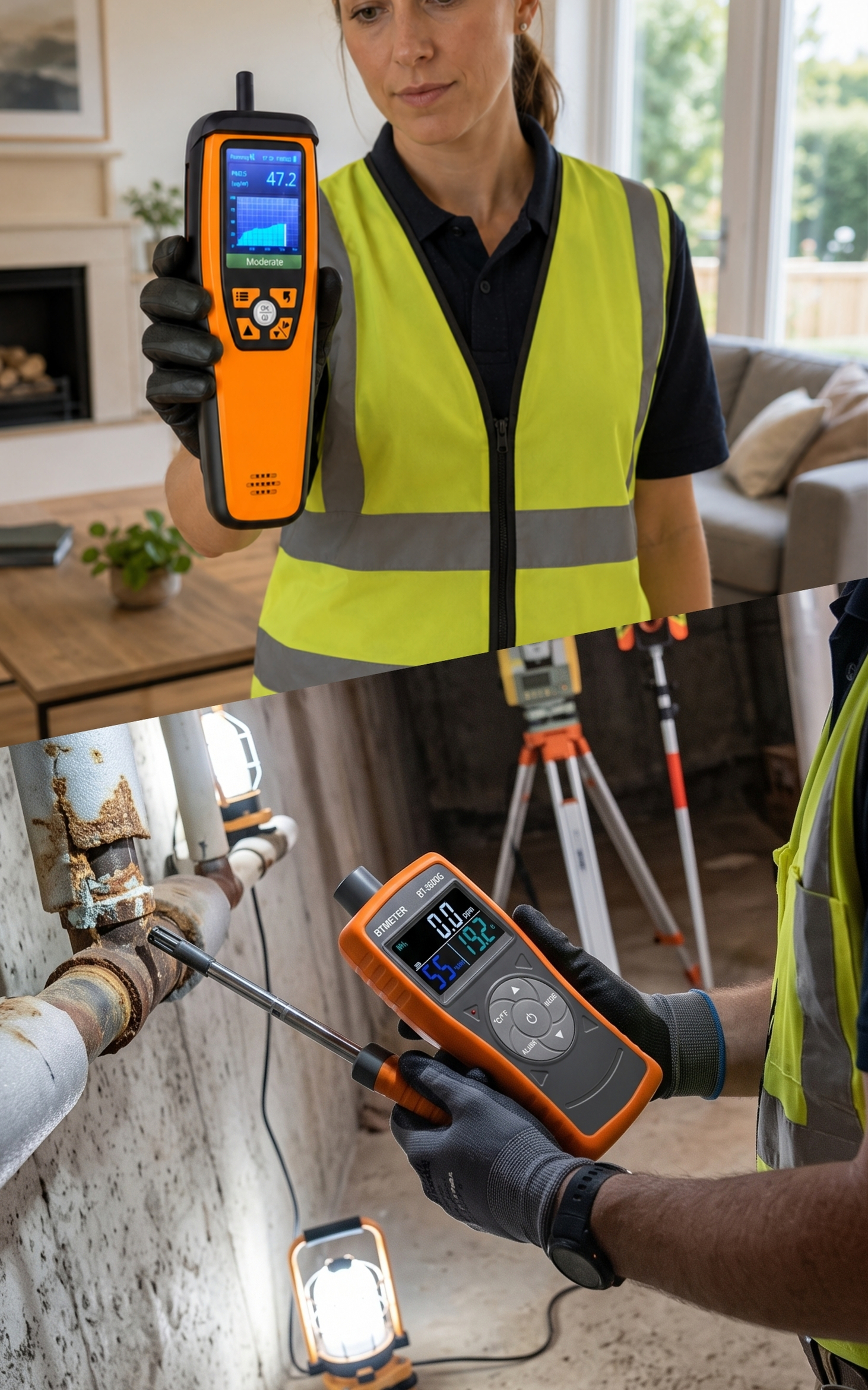
A damp meter

A damp meter

A damp meter is a diagnostic tool used to detect and measure moisture levels within building materials such as plaster, brick, timber, and concrete.

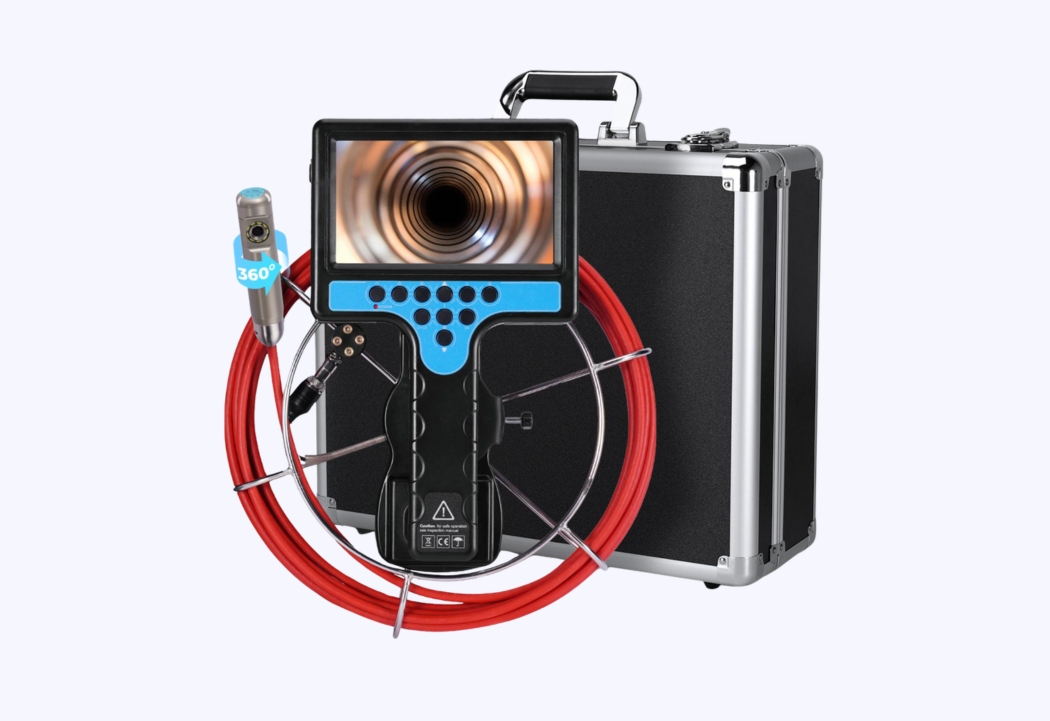
Borescope camera

Borescope camera

borescope camera is a small inspection camera attached to a flexible semi-rigid cable that allows you to see inside areas that are otherwise inaccessible.

Inspection Drone

Inspection Drone

A drone is a remotely operated aerial device equipped with a camera that allows visual inspection from above without the need for scaffolding or ladder.

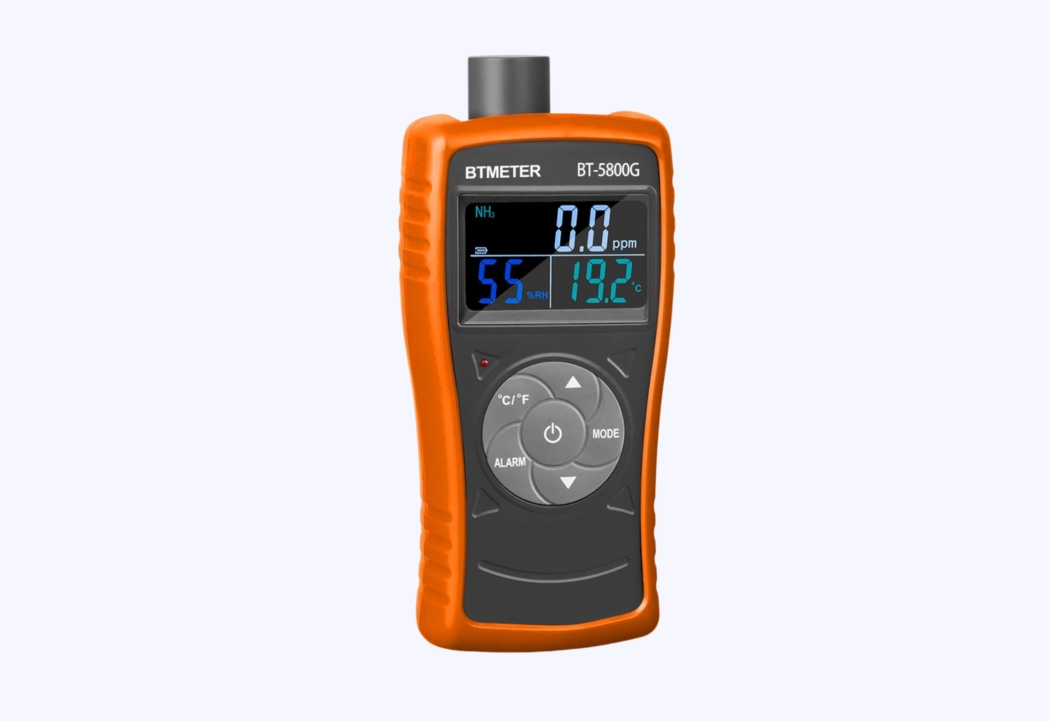
Air Humidity Sensor

Air Humidity Sensor

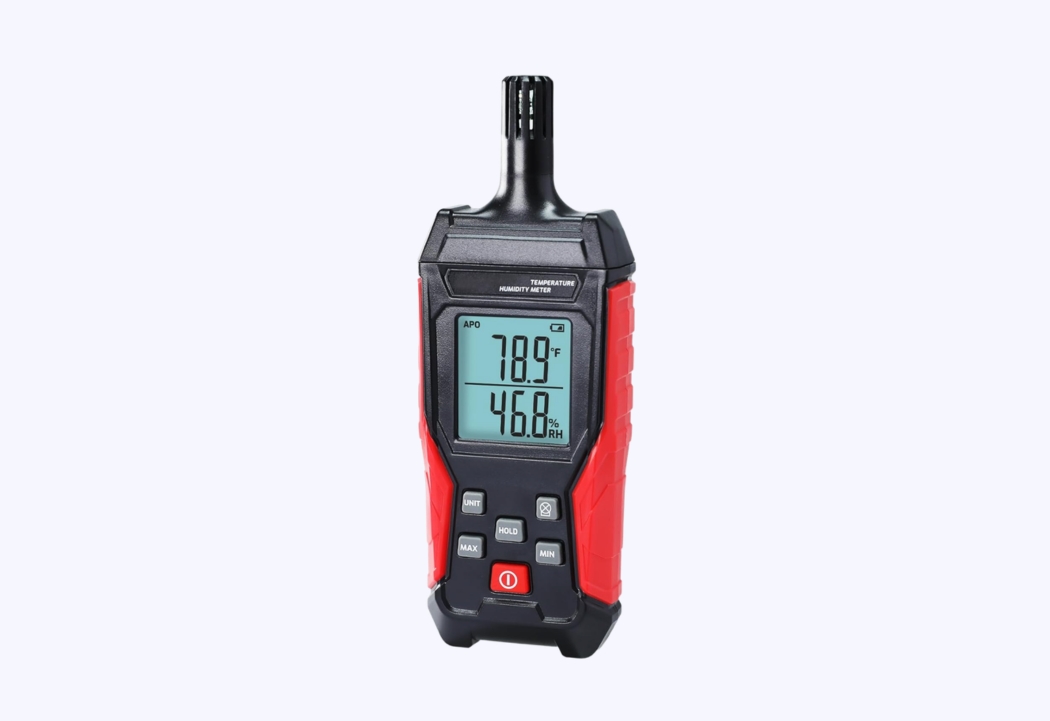
Air humidity sensor measures the amount of moisture present in the air, expressed as relative humidity (RH) in percentage. It helps determine whether indoor conditions are contributing to condensation, mould growth, or damp-related issues.

Thermal Imaging Camera

Thermal Imaging Camera

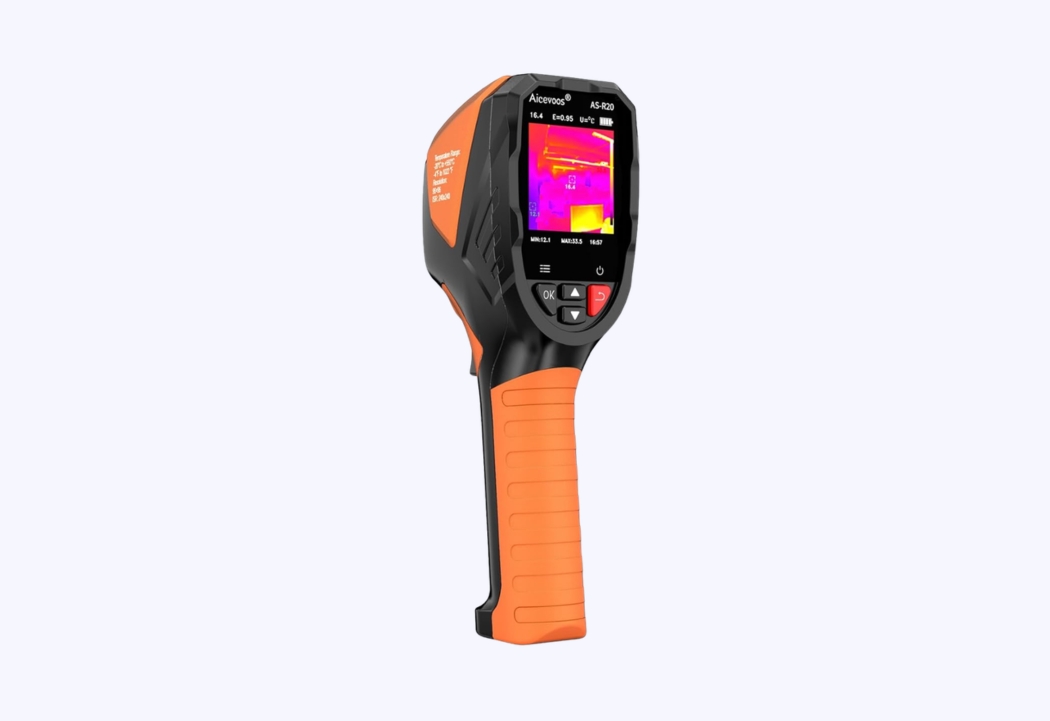
A thermal imaging camera detects temperature differences on surfaces by using infrared technology to produce a heat map image. In damp investigations, it helps identify cold spots, moisture intrusion, insulation defects, thermal bridging and leaks.

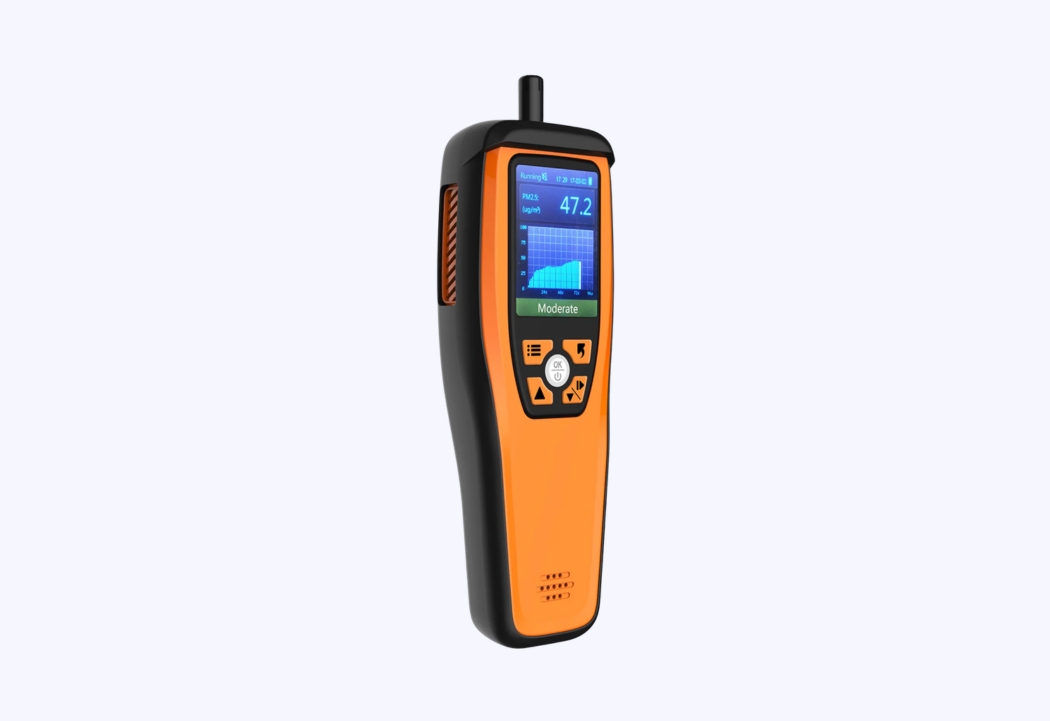
Air Flow Ventilation Detector

Air Flow Ventilation Detector

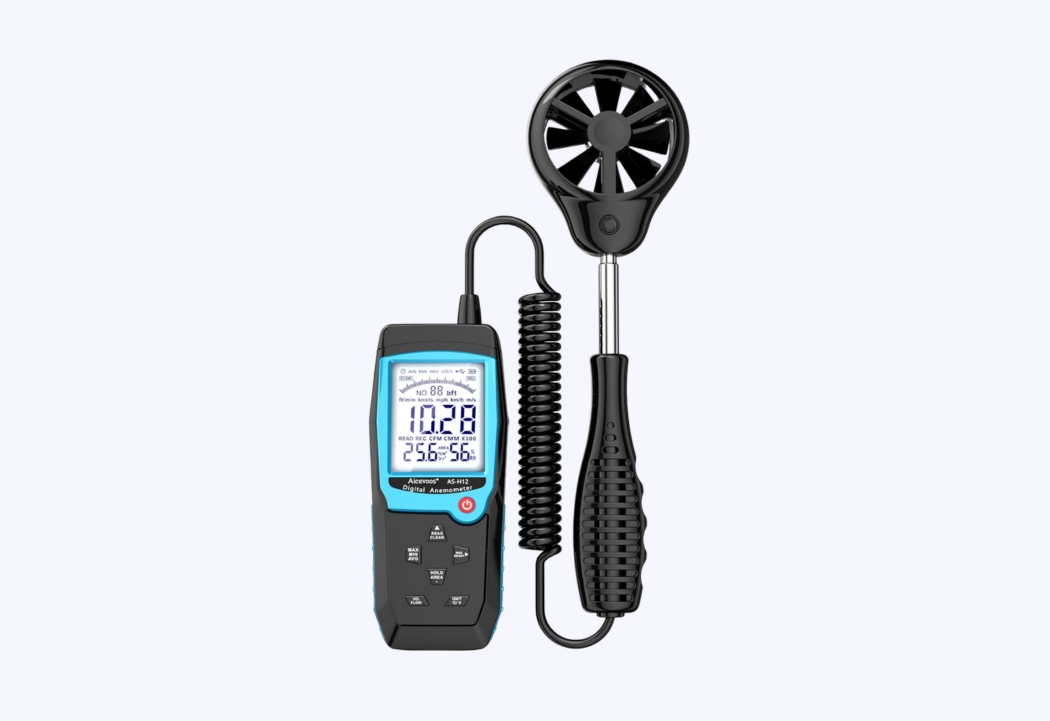
An air flow ventilation detector measures the movement and volume of air passing through vents, extractor fans, and air bricks. It confirms whether ventilation systems are working properly and achieving adequate air changes within a room. Poor airflow leads to trapped moisture, high humidity, condensation on cold surfaces, and ultimately mould growth.

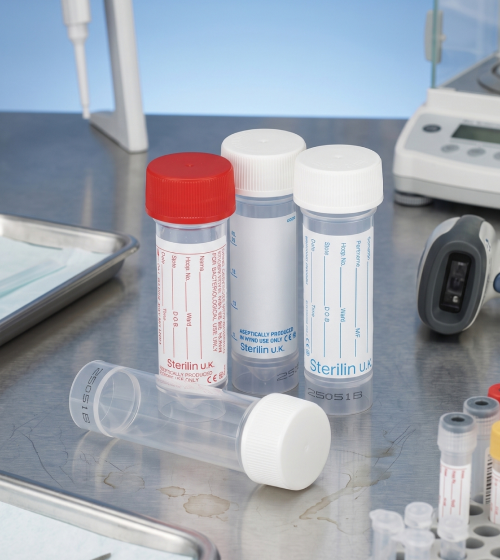
Mould Swab Test Kit

Mould Swab Test Kit

A mould swab test is carried out to confirm the presence of hidden mould growth and identify the specific species involved. Surface mould is not always visible, especially behind furniture, inside cavities, or within ventilation systems. Laboratory analysis of a swab sample determines whether active mould spores are present and what type they are, which helps assess potential health risks and decide the correct remediation approach rather than relying on visual assumption alone.

Plaster Salt Analysis Lab

Plaster Salt Analysis Lab

Laboratory analysis of plaster is used to identify the type of salts present within the material, typically chlorides and nitrates. The presence and concentration of these salts help determine whether the moisture source is consistent with rising damp, ground contamination, or another forms [sic] of water ingress. such as mains water leak, This removes guesswork and prevents misdiagnosis, ensuring the correct remedial treatment is specified rather than applying unnecessary or ineffective solutions.