

The Very Real Threat That Damp Poses to UK Homeowners – What you Need to Know

The Very Real Threat That Damp Poses to UK Homeowners – What you Need to Know

3rd July, 2025

If you live in the UK, you already know how damp the climate is and this can lead to serious damage to buildings. In this short blog, we take an in-depth look at the various forms of damp and the damage that can cause to UK homes.

Rising damp

This kind of damp rises up from moist ground and gradually climbs exterior walls, causing damage as it does so. All buildings should have a damp proof course, which is sandwiched between brick courses near ground level and if this membrane is compromised or damaged, damp can rise up from the ground. It can be very difficult to repair damaged damp proof course and the best solution might be chemical damp-proofing, which can be injected into walls.

Condensation

Condensation forms when two extreme temperatures meet on a single surface, which might be a wall or a pane of glass; typically, when taking a hot bath or shower, a lot of condensation forms, which can be dissipated by opening the windows. Wait until the condensation has gone before opening the bathroom door, the same goes when cooking in the kitchen; turn on the canopy extractor fan and open windows until the moist air escapes. Poor ventilation certainly doesn’t help, as still, damp air enables condensation to form.

Penetrating damp

Penetrating damp can attack a building from the roof or walls; a leaking roof, for example, can cause serious damage to roof timbers, while also damaging brickwork and plaster. Water can penetrate through exterior walls or rotten window frames and if brickwork, mortar or rendering is damaged, damp can penetrate the walls and reach the interior plaster.

Mould and Mildew

Mould can be a serious health hazard, causing skin allergies and respiratory conditions; should you notice mould growing in your home, call London Damp Surveys on 0207 305 5997 during office hours or simply enter information in the online form on this website to arrange for one of our certified damp surveyors to inspect the property.

Timber rot

Both dry and wet rot can damage timber and if not treated, can cause serious damage; woodworm is another threat, with species of beetle that lay eggs in tiny holes they burrow into the wood. If you notice tiny mounds of dust alongside a number of tiny holes, this is a sure sign of woodworm and you need to call in the experts.

Your home is probably the biggest single investment you will ever make, therefore, it makes sense to protect your asset by having a damp survey carried out by a leading London company. Call London Damp Surveys on 0207 305 5997 during office hours or fill in the form on this website. You will receive a detailed report within 24 hours of the survey completion and should we advise remedial work, we can recommend a reliable damp-proofing contractor that covers your area.


Damp Survey Costs

Transparent pricing with no hidden fees for our independent, unbiased surveys.

Level 1

Level 1

£199 + VAT

What’s included:

  • Inspection of walls
  • Inspection of floors
  • Inspection of ceilings
  • Leak inspection of drains and plumbing
  • Damp information and prevention guide
Level 2

Level 2

£299 + VAT

What’s included:

  • Everything in Level 1
  • Dry rot inspection
  • Wet rot inspection
  • Woodworm inspection
  • Damp information and prevention guide

 Survey Add Ons

Add On 1

£299 + VAT

Lab Analysis Of Plaster

Add to Survey

Add On 2

£299 + VAT

Mould Lab Swab Testing, qPCR on DNA

Add to Survey

Qualifications: All our surveyors are PCA and CSRT qualified for remedial treatments and also CSSW qualified for structural waterproofing.
Next day report: You will receive the report within 24 hours of the inspection taking place.

The survey fee will be deducted from the cost of any recommended repairs.

These are the tools we use

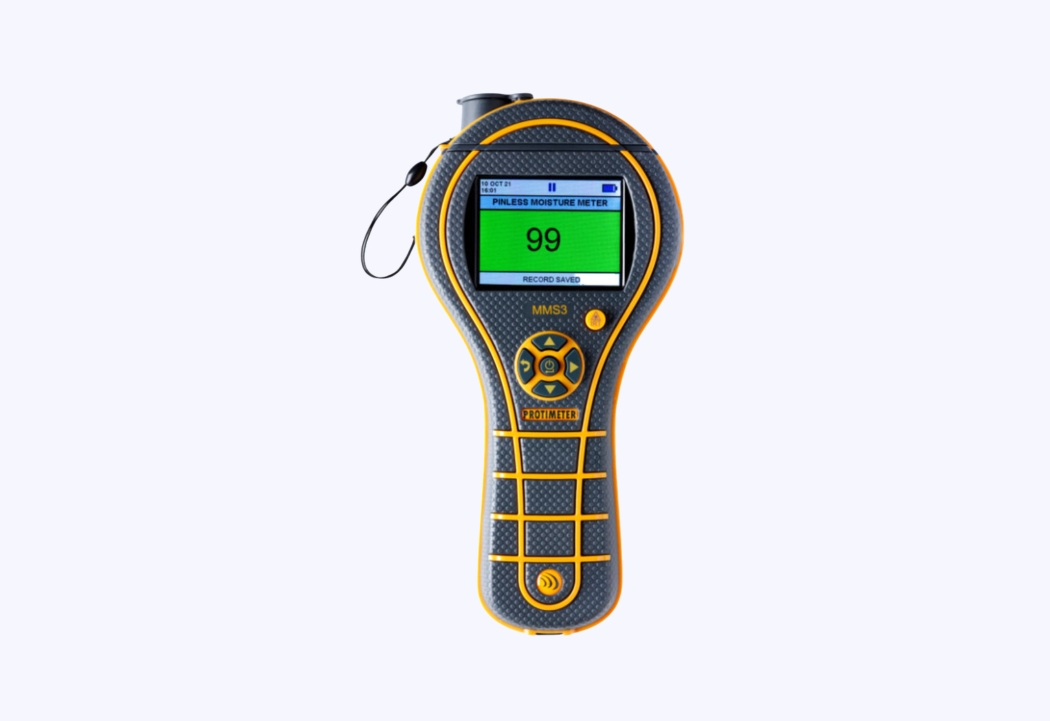
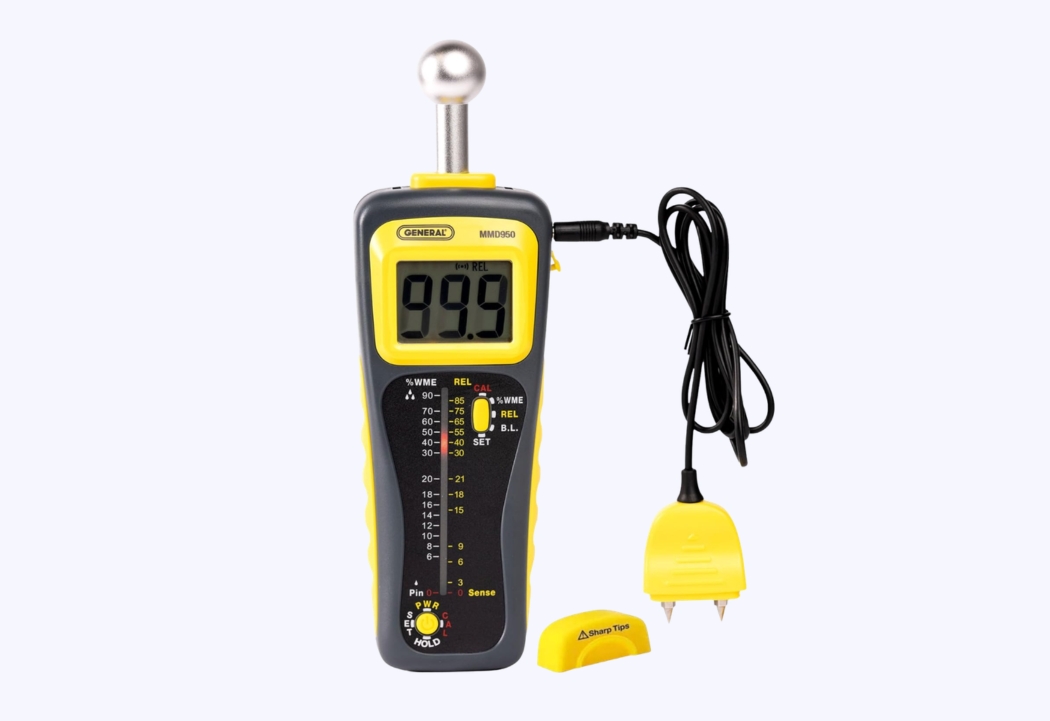
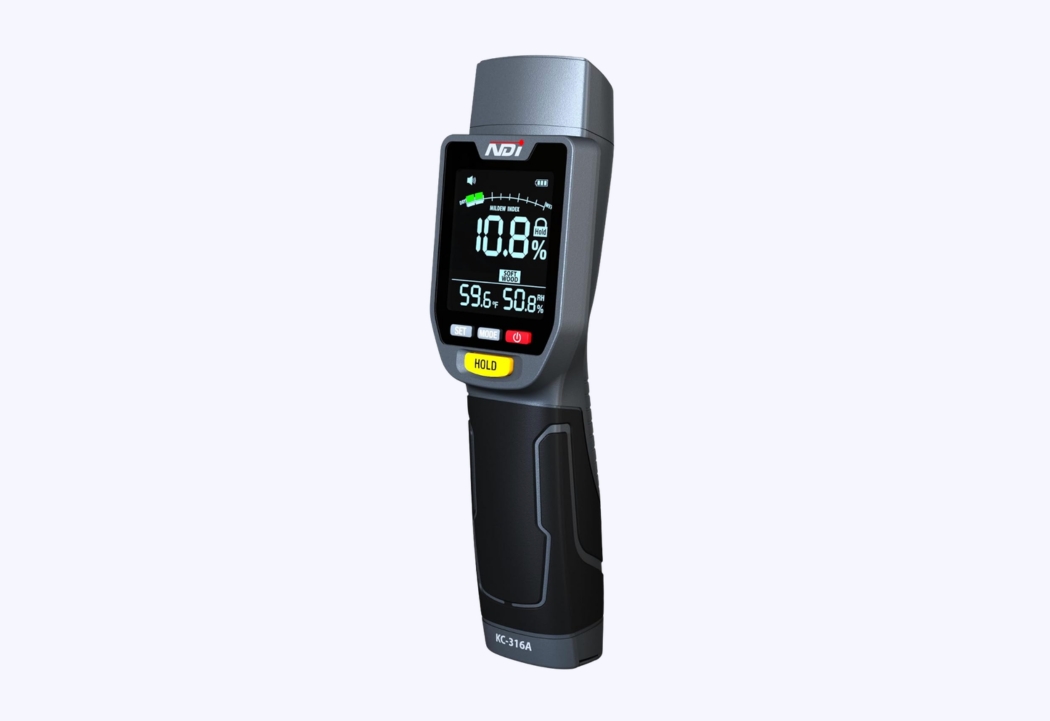
A damp meter

A damp meter

A damp meter is a diagnostic tool used to detect and measure moisture levels within building materials such as plaster, brick, timber, and concrete.

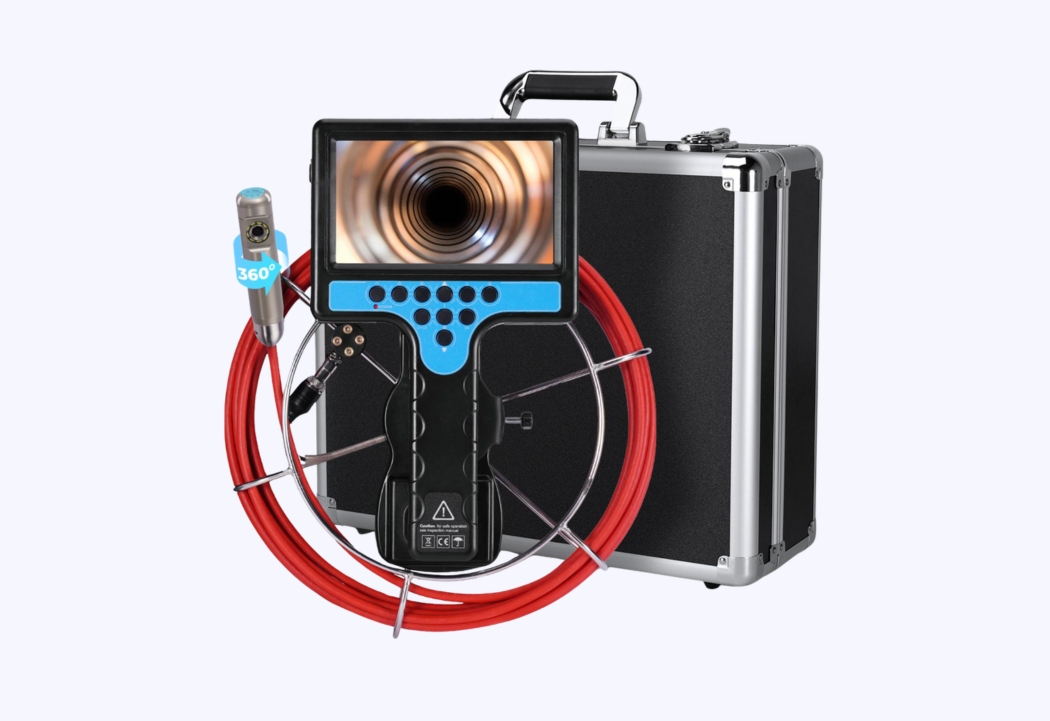
Borescope camera

Borescope camera

borescope camera is a small inspection camera attached to a flexible semi-rigid cable that allows you to see inside areas that are otherwise inaccessible.

Inspection Drone

Inspection Drone

A drone is a remotely operated aerial device equipped with a camera that allows visual inspection from above without the need for scaffolding or ladder.

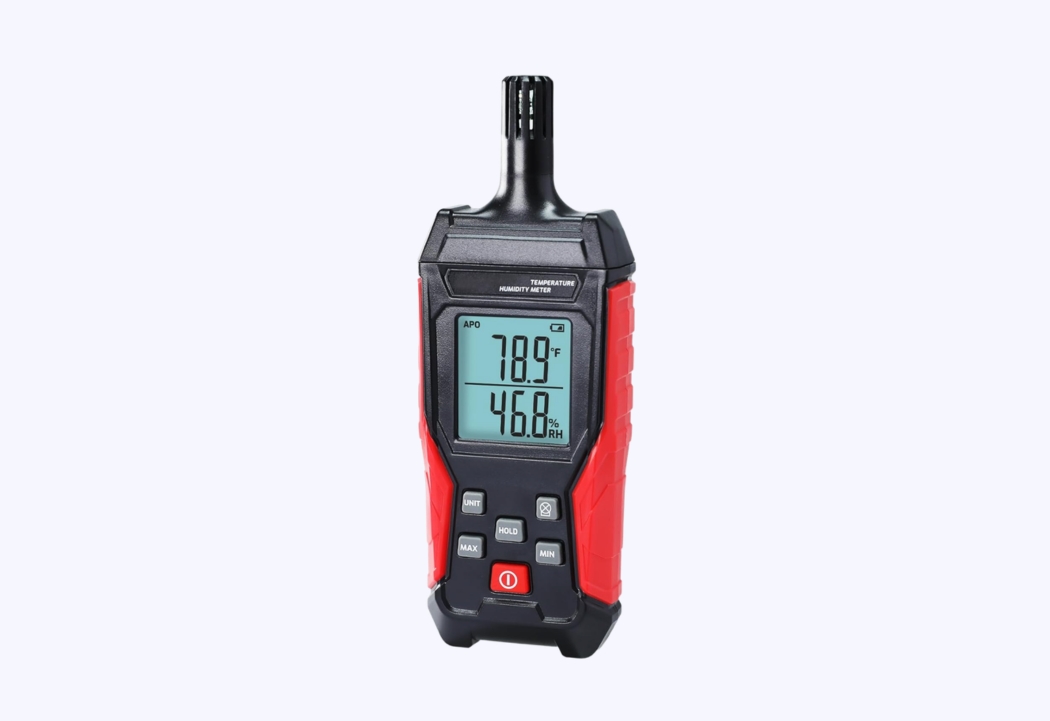
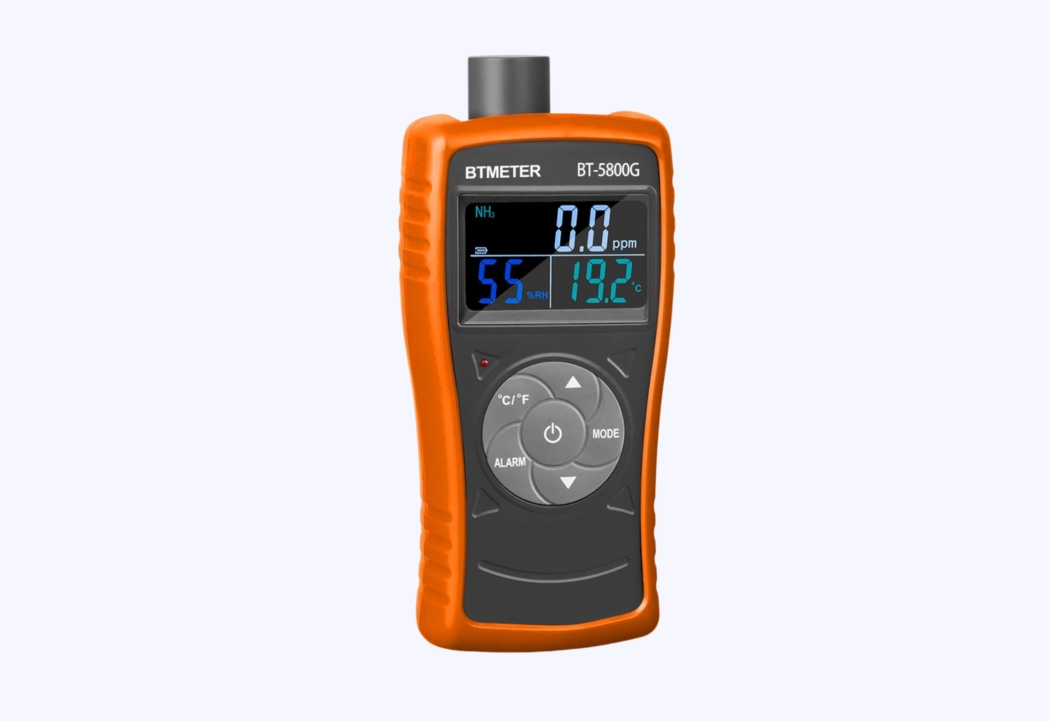
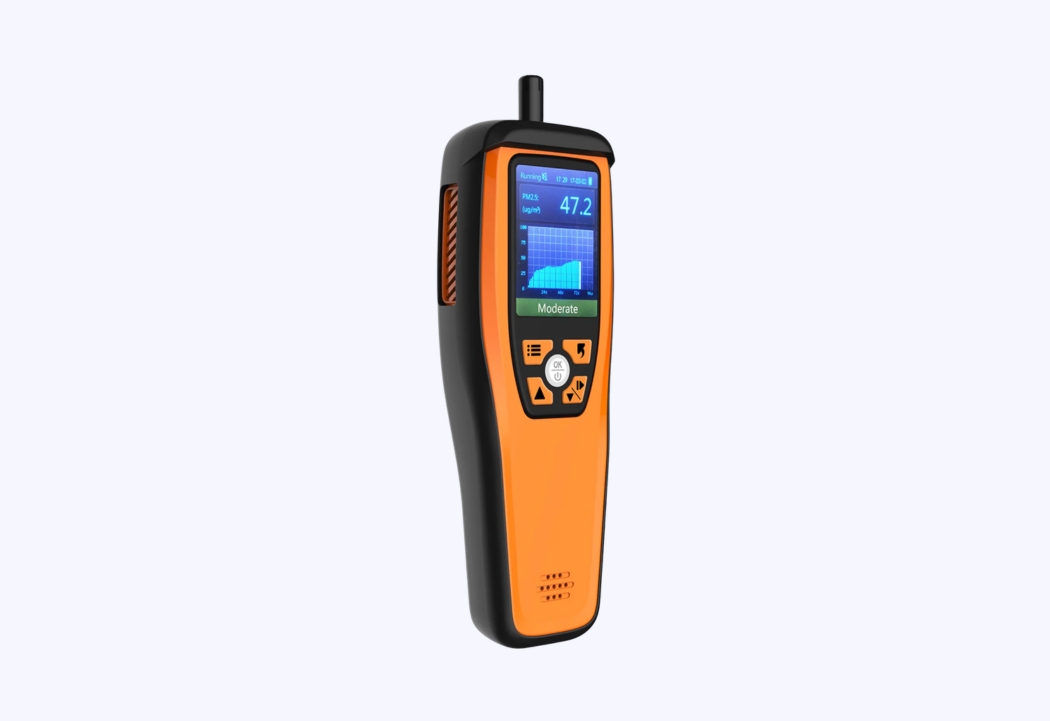
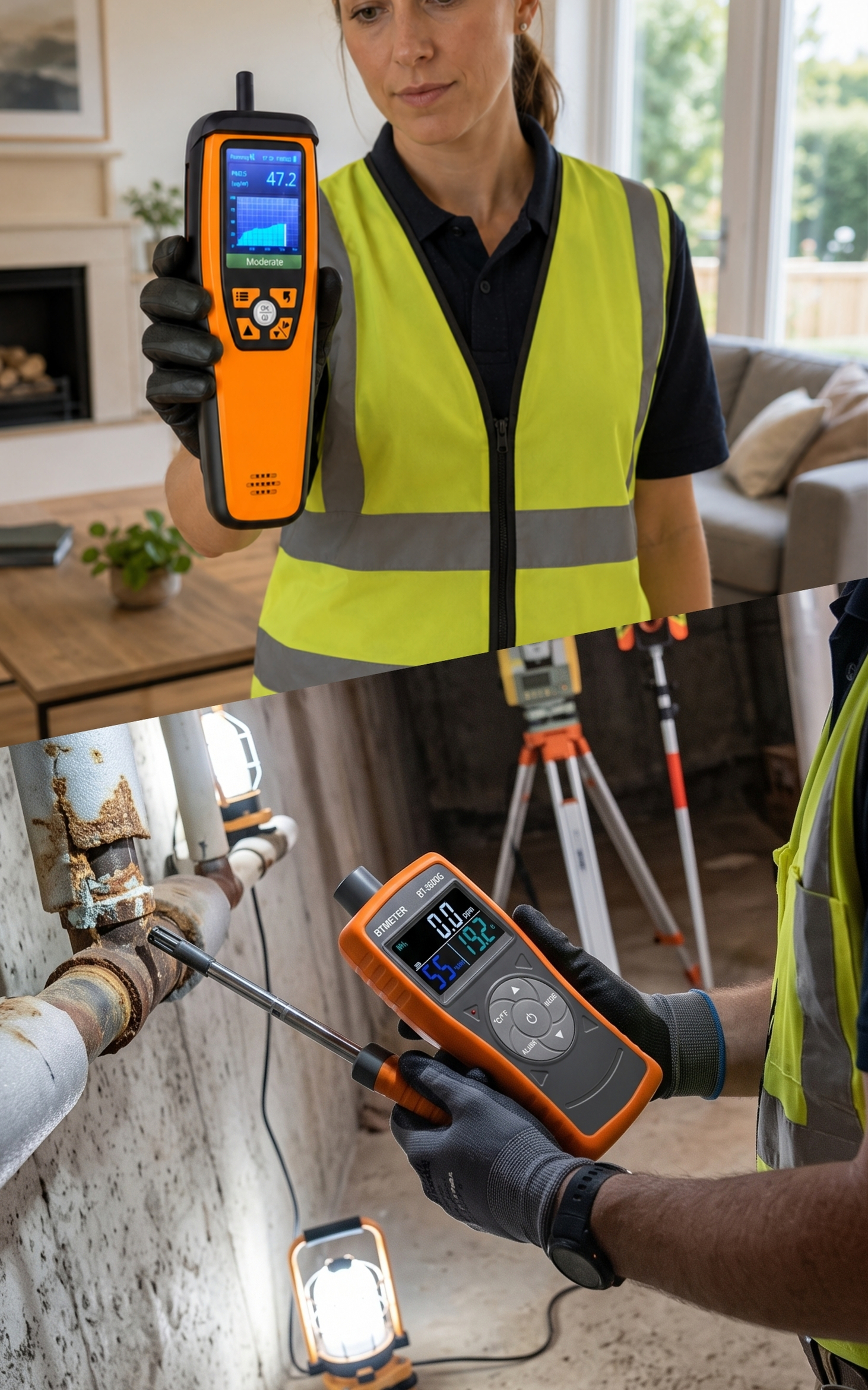
Air Humidity Sensor

Air Humidity Sensor

Air humidity sensor measures the amount of moisture present in the air, expressed as relative humidity (RH) in percentage. It helps determine whether indoor conditions are contributing to condensation, mould growth, or damp-related issues.

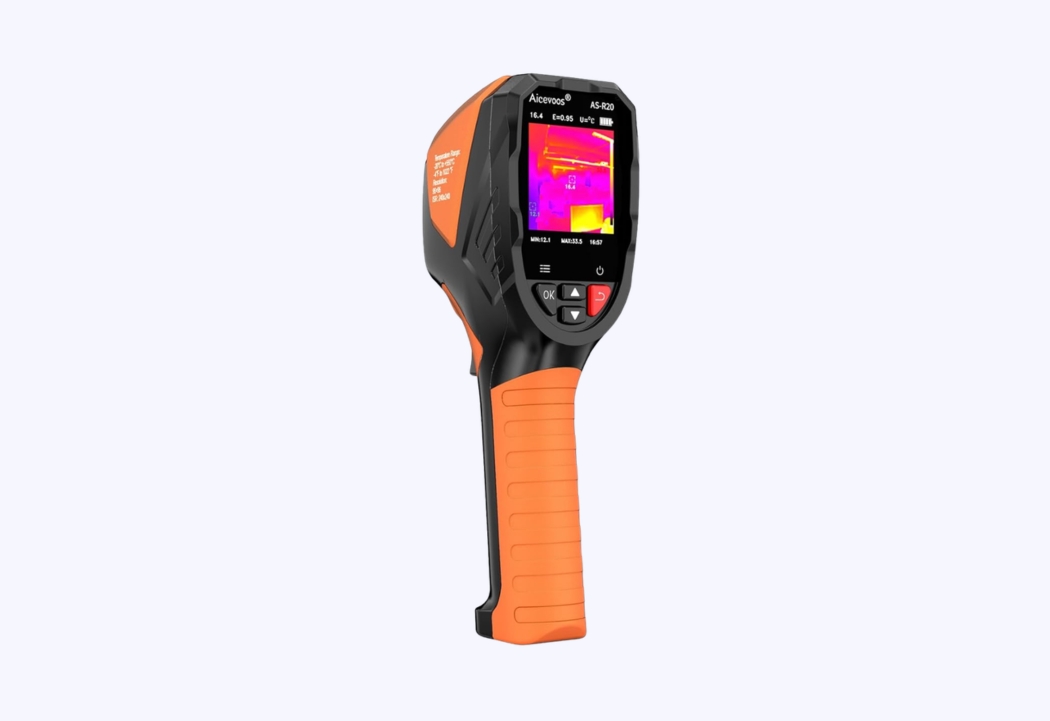
Thermal Imaging Camera

Thermal Imaging Camera

A thermal imaging camera detects temperature differences on surfaces by using infrared technology to produce a heat map image. In damp investigations, it helps identify cold spots, moisture intrusion, insulation defects, thermal bridging and leaks.

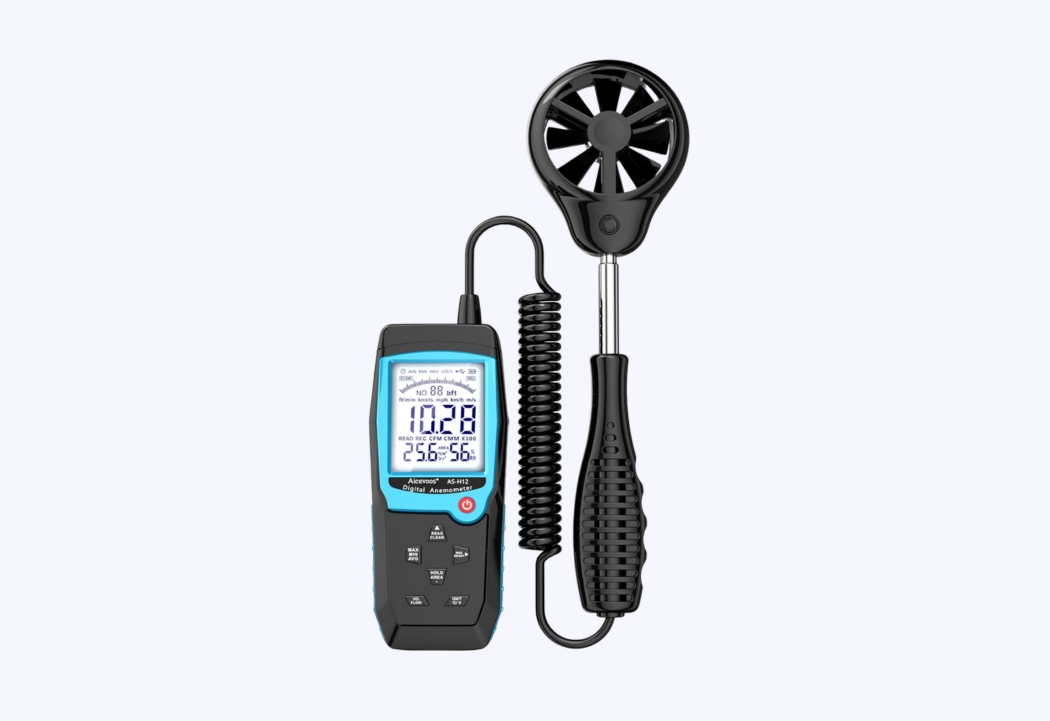
Air Flow Ventilation Detector

Air Flow Ventilation Detector

An air flow ventilation detector measures the movement and volume of air passing through vents, extractor fans, and air bricks. It confirms whether ventilation systems are working properly and achieving adequate air changes within a room. Poor airflow leads to trapped moisture, high humidity, condensation on cold surfaces, and ultimately mould growth.

Mould Swab Test Kit

Mould Swab Test Kit

A mould swab test is carried out to confirm the presence of hidden mould growth and identify the specific species involved. Surface mould is not always visible, especially behind furniture, inside cavities, or within ventilation systems. Laboratory analysis of a swab sample determines whether active mould spores are present and what type they are, which helps assess potential health risks and decide the correct remediation approach rather than relying on visual assumption alone.

Plaster Salt Analysis Lab

Plaster Salt Analysis Lab

Laboratory analysis of plaster is used to identify the type of salts present within the material, typically chlorides and nitrates. The presence and concentration of these salts help determine whether the moisture source is consistent with rising damp, ground contamination, or another forms [sic] of water ingress. such as mains water leak, This removes guesswork and prevents misdiagnosis, ensuring the correct remedial treatment is specified rather than applying unnecessary or ineffective solutions.