An independent Level 3 damp survey was commissioned for a residential property in West Kensington (W14). The property owner arranged the comprehensive evaluation to identify the root causes of persistent wall dampness and elevated humidity across living areas. Obtaining an objective, specialist health check ensured all remedial actions were guided by precise diagnostic evidence rather than commercial assumptions.
About the Issue
The homeowner observed damp patches forming near the living room double doors, beneath the external front entrance steps and around the bedroom bay window. Crucially, high humidity and dampness were discovered inside a cupboard in a room intended as a nursery for a newborn baby, raising fears of airborne mould and hidden structural decay.
The Challenge
A Level 3 damp survey was undertaken on Thursday the 5th at 11:00 a.m. to inspect internal rooms, subterranean steps, wall bases and high-level roof coverings. The survey aimed to differentiate between rising damp, penetrating rainwater ingress and thermal condensation.
Diagnostic testing provided key quantitative and visual findings across the property:
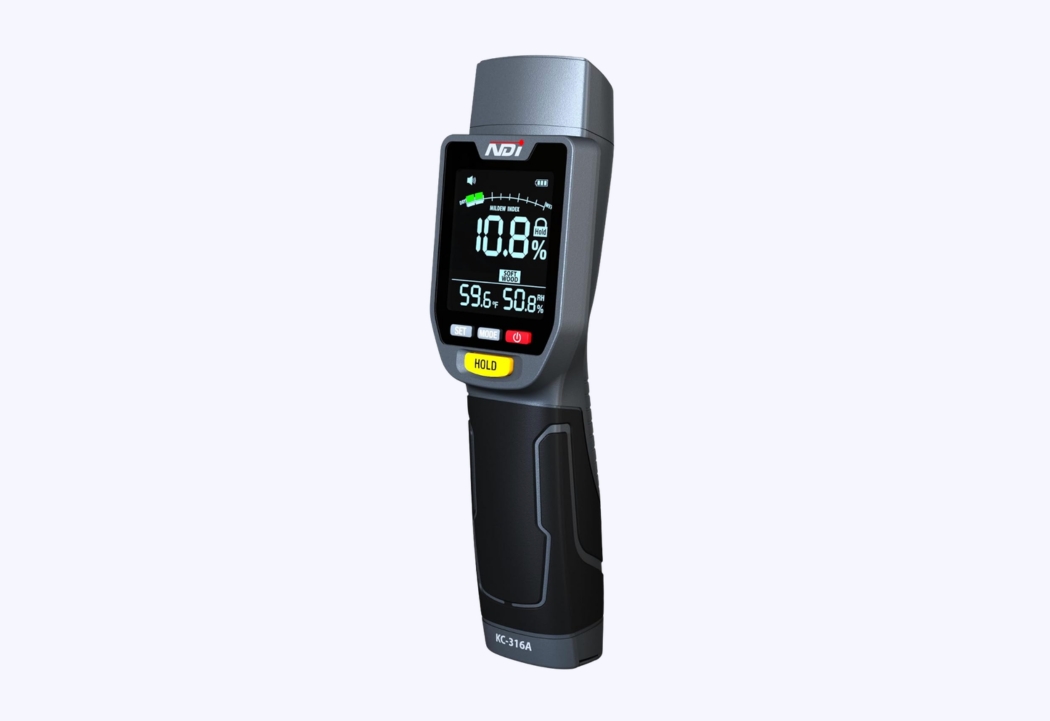
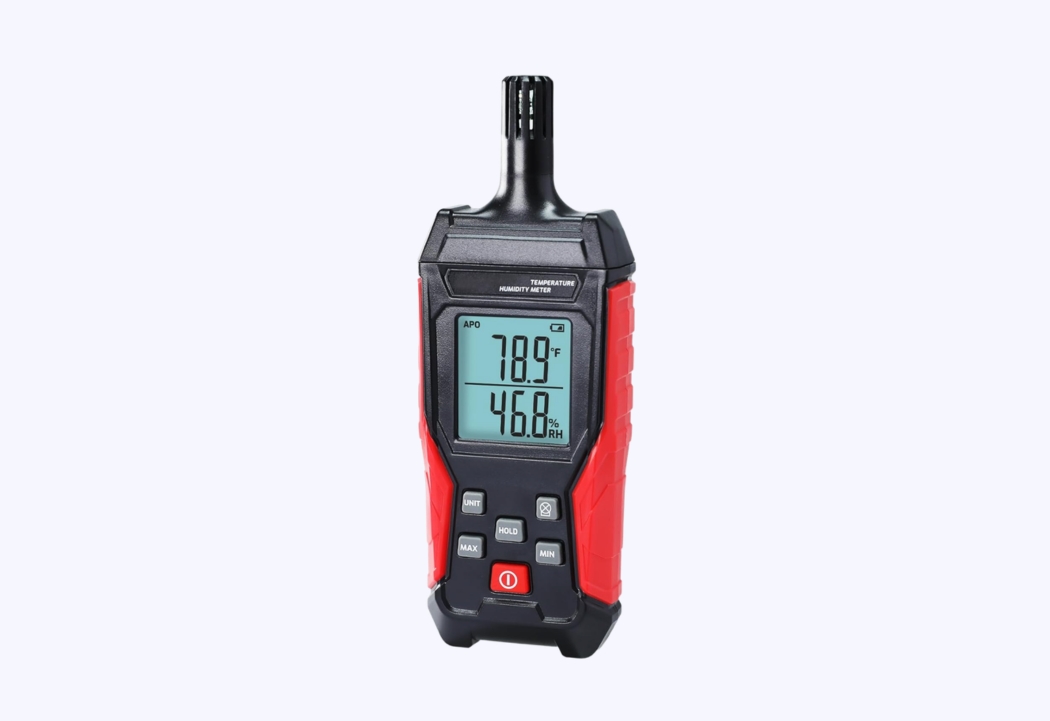
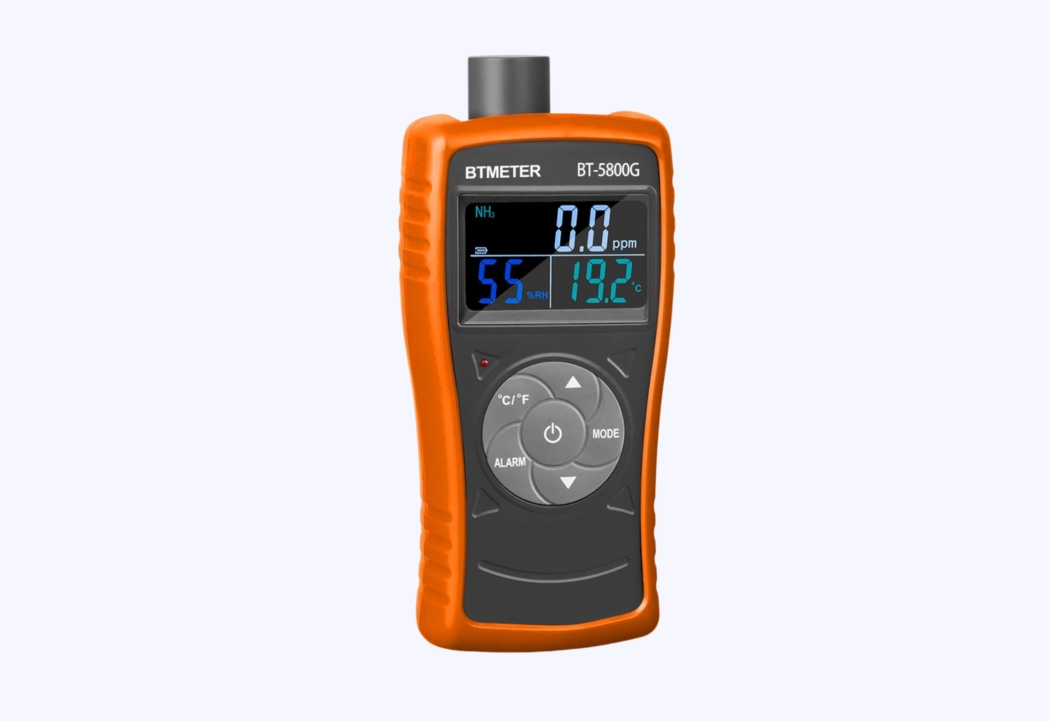
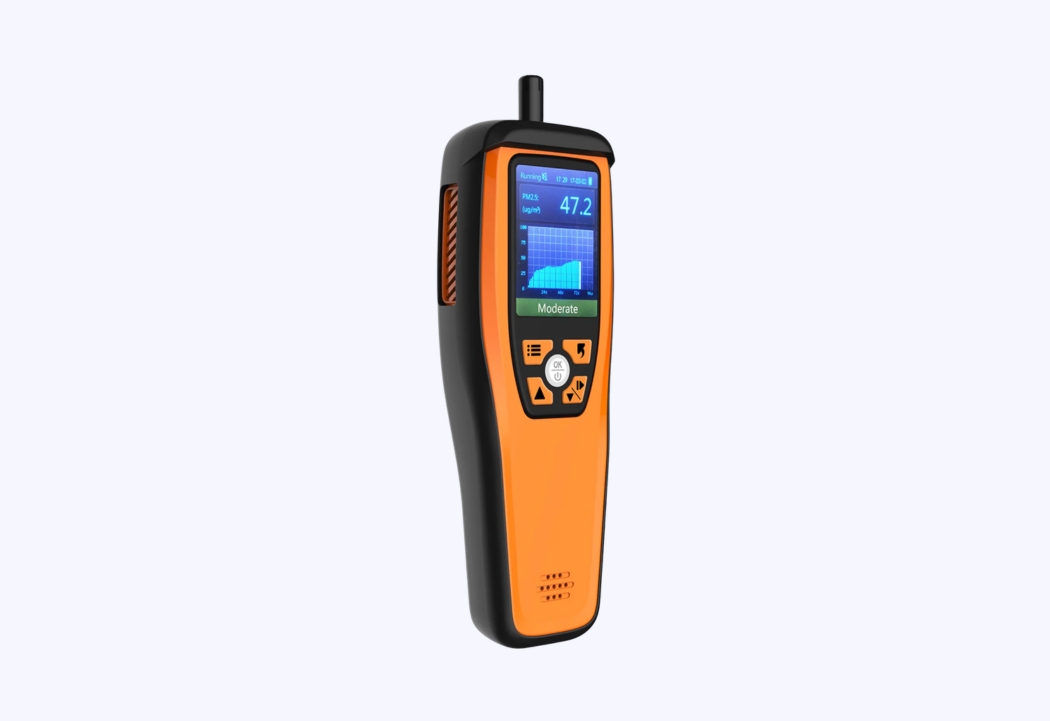
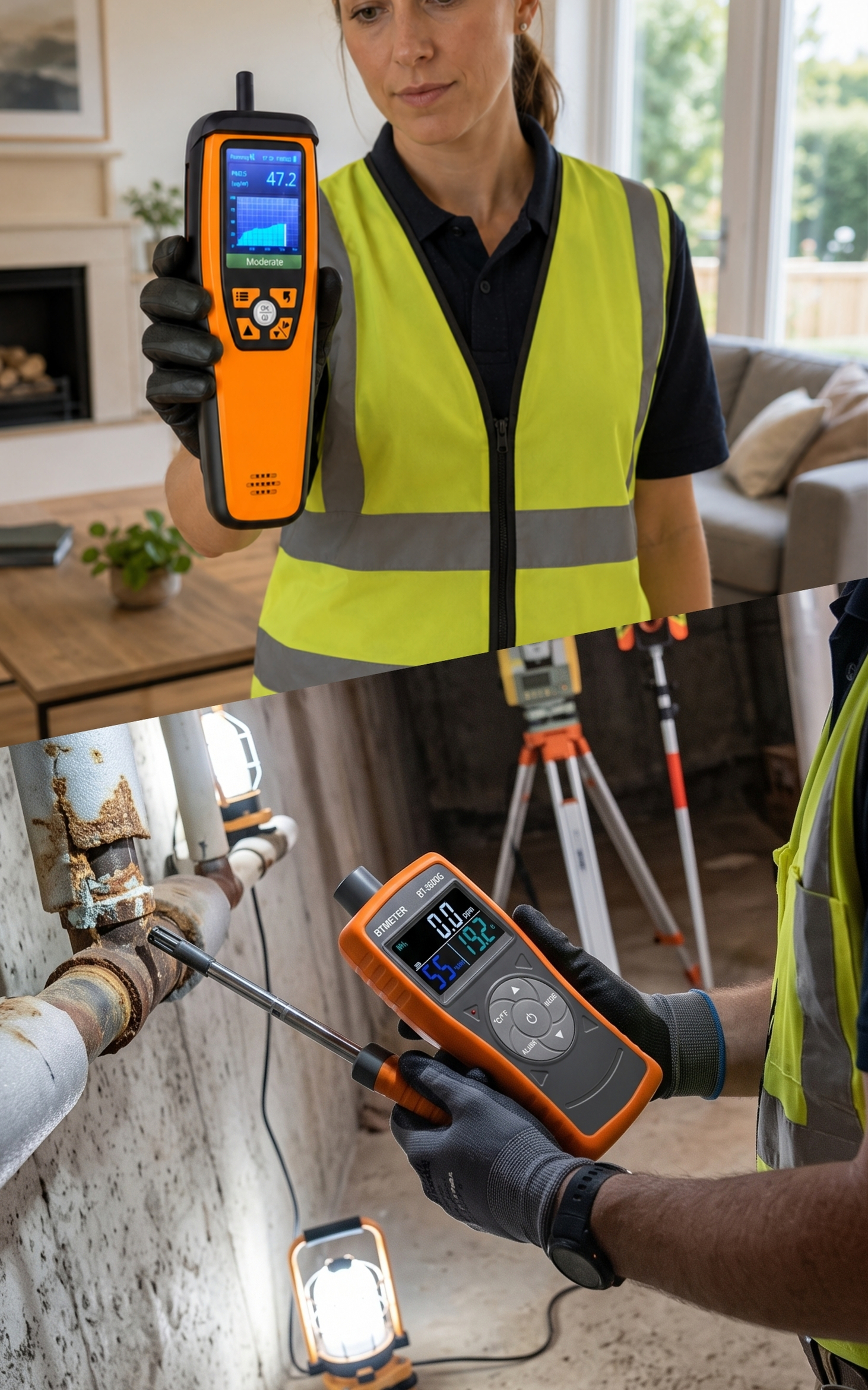
- Atmospheric testing inside the nursery cupboard recorded a humidity level of 69.3%, which is very high and creates an environment highly susceptible to condensation and mould, especially when unventilated during colder periods.
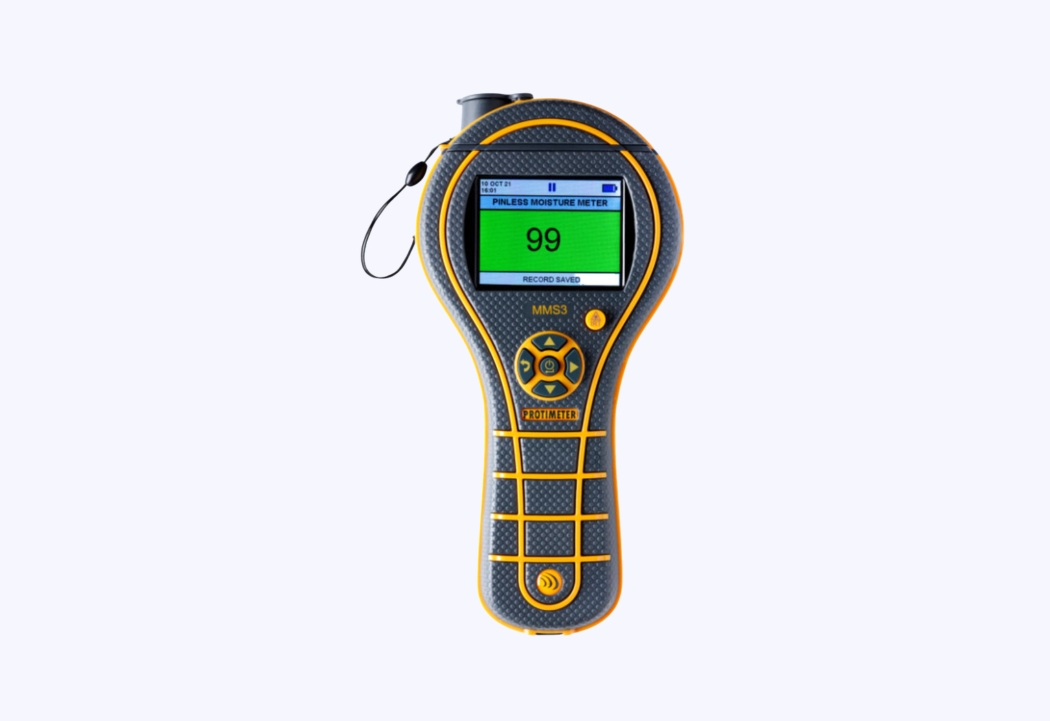
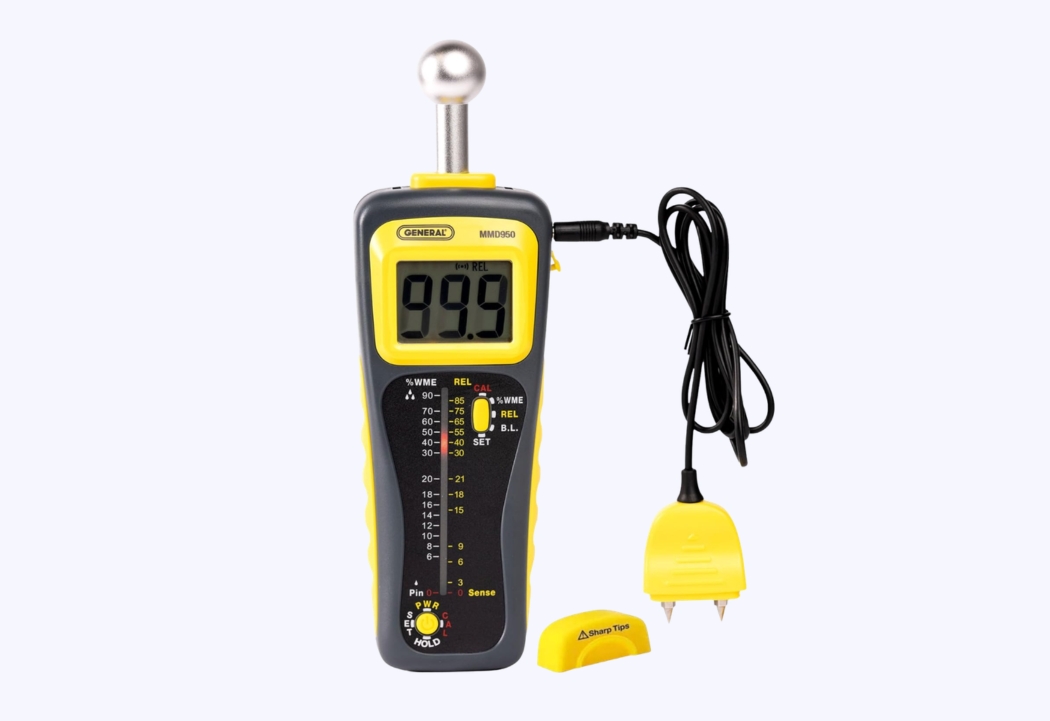
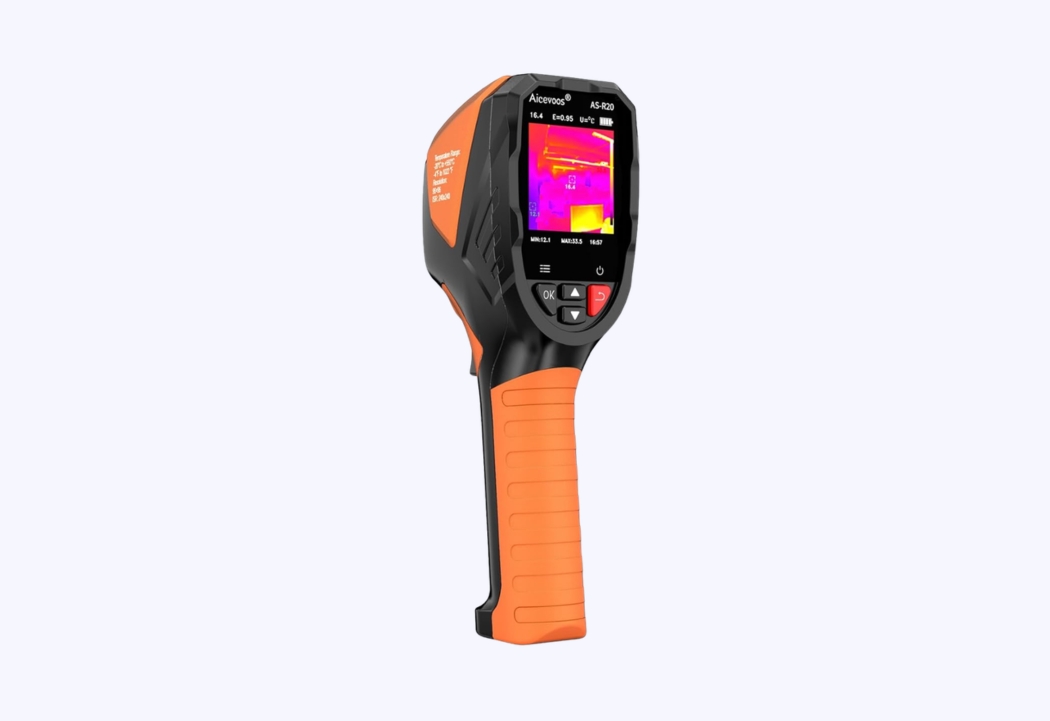
- Electronic moisture meters detected rising damp on the solid external wall in the nursery, slightly elevated moisture at floor level and cold spots across sections of the ceiling caused by insufficient insulation above.
- Rising damp readings were confirmed at the base of the living room double doors (both left-hand and right-hand sides) and within the bedroom bay window area.
- Penetrating damp was identified on the entrance area ceiling directly beneath the external front entrance steps, indicating rainwater tracking through the structure from above.
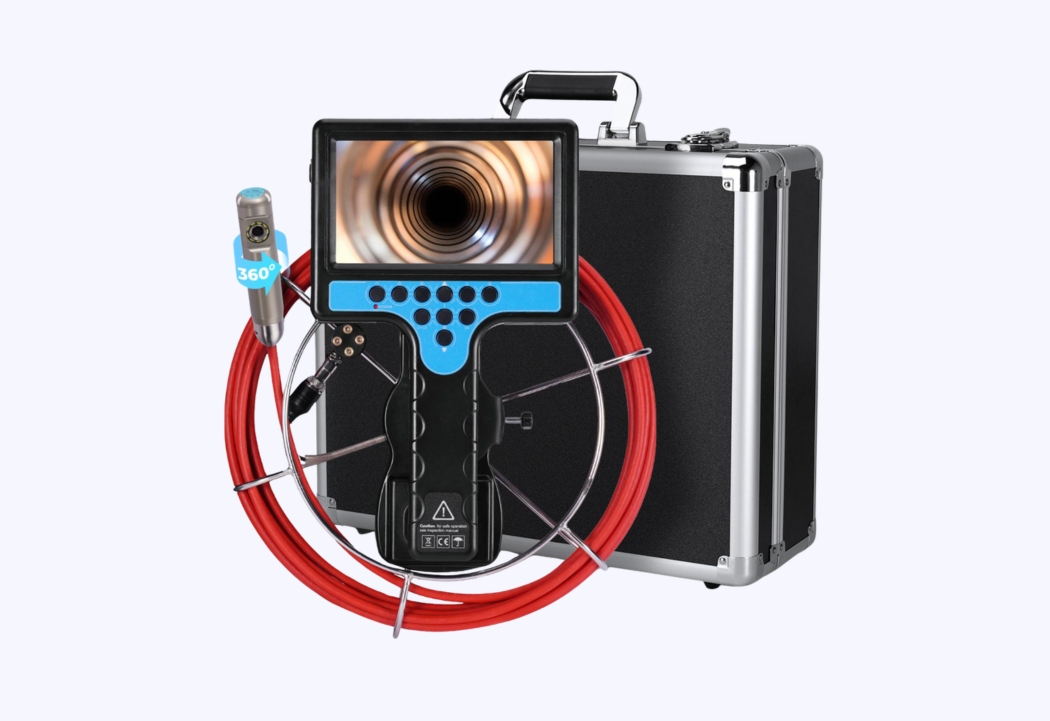
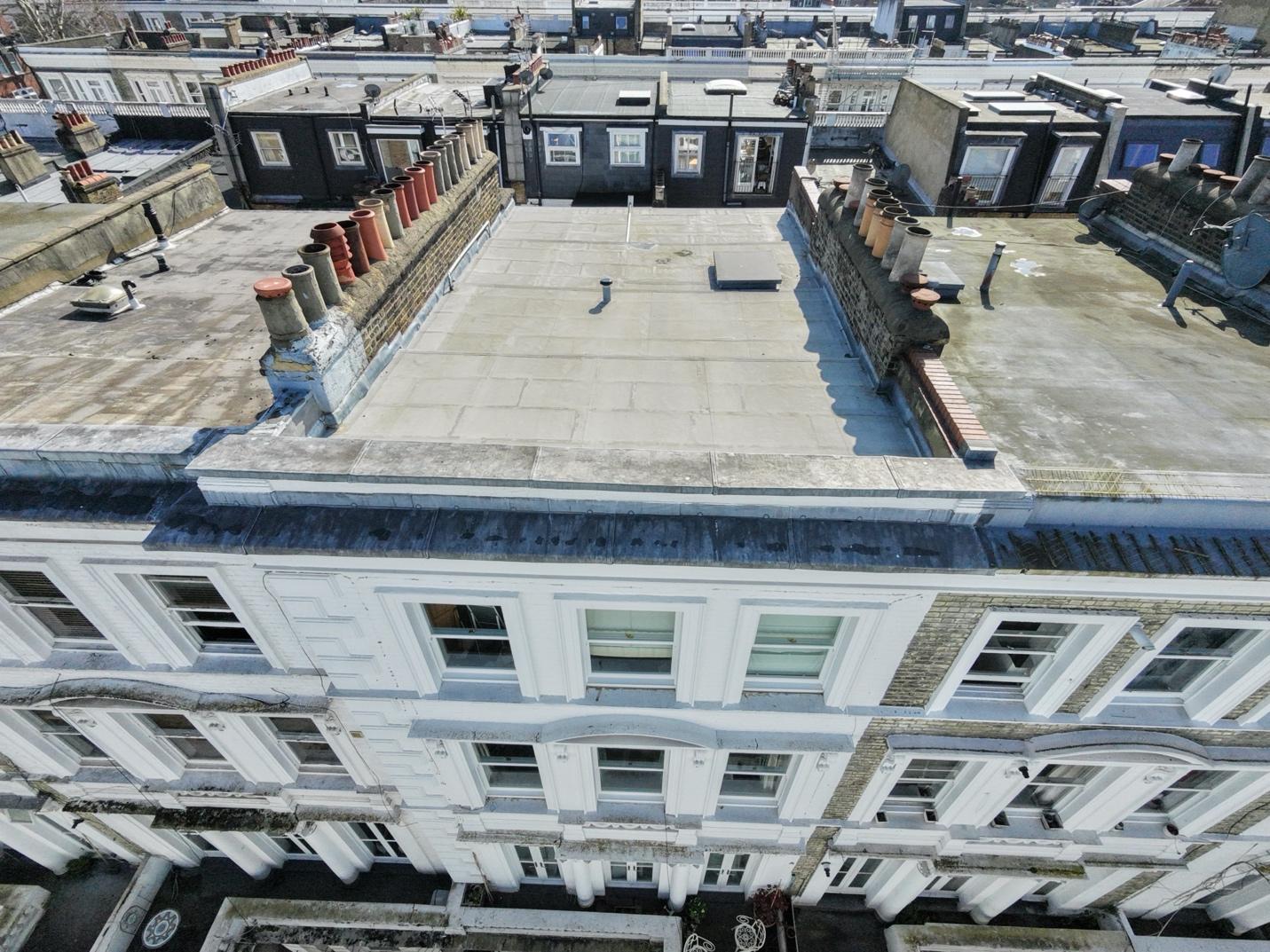
- An aerial drone survey revealed significant moss growth on the small flat roof at the rear directly above the small bedroom, deteriorating lead flashing and a downpipe discharging rainwater directly onto the flat roof surface instead of into a ground drain.
The Solution
To eliminate moisture ingress and create a safe environment, the survey outlined a targeted remedial plan:
- Remove excess items stored in the nursery cupboards to improve airflow and prevent mould growth on stored items and cupboard surfaces.
- Install a damp proof membrane to the floor area within the small bedroom, alongside damp proofing on the small wall to the left-hand side upon entering and the short wall between the two doors.
- Install thermal insulated plasterboard on the solid external wall and fit additional thermal insulation above the ceiling to eliminate cold spots.
- Instruct a qualified roofing contractor to clean and treat the small flat roof surface to remove moss, inspect and repair the lead flashing and redirect the downpipe to discharge directly into a ground-level drainage system.
The Outcome
The homeowner received total diagnostic clarity, enabling them to protect their upcoming nursery without undertaking redundant building work. By identifying roof drainage faults, missing insulation and isolated rising damp, the independent survey provided a clear roadmap to make the home dry and healthy.
Why This Case Matters
High humidity and surface damp in prospective nursery spaces create understandable worry for expecting parents. Independent diagnostic surveys combine atmospheric readings with aerial roof checks to separate thermal insulation defects from structural rising damp, ensuring money is spent on effective solutions.
FAQs
Why was the 69.3% humidity reading in the cupboard particularly concerning?
What causes penetrating damp near the entrance area?
Penetrating damp on the entrance ceiling is caused by moisture tracking through the building structure from the external front entrance steps directly above.
What roof defect was discovered above the small bedroom?
The drone inspection revealed significant moss growth on the small flat roof, deteriorating lead flashing and a downpipe incorrectly discharging water directly onto the roof surface.
Ensure your home is dry and healthy with an expert diagnostic assessment.