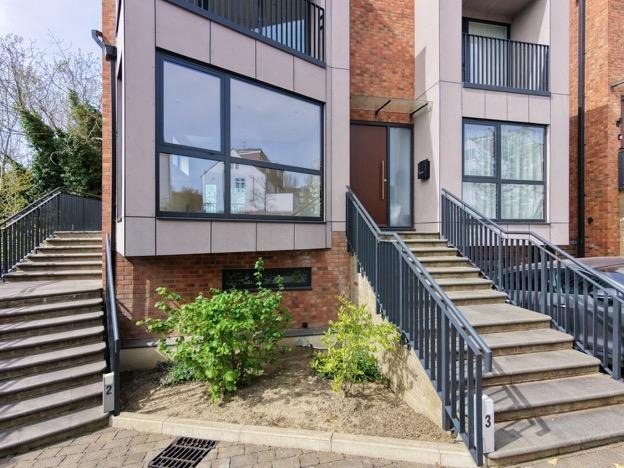
This Level 3 damp survey was commissioned for a residential house located in Royal Docks (E16). The property owner arranged an independent investigation to assess potential moisture risks across all internal and external building components. The survey provided an objective, specialist evaluation without commercial sales bias.
About the Issue
Prompting the survey were reports suggesting possible damp penetration at the lower ground floor level, originating from the external entrance steps above. The property owner wanted to verify whether moisture was entering the home, risking structural deterioration or internal mould.
The Challenge
To establish a definitive diagnostic picture, a Level 3 survey was undertaken from the lower ground level upward. The surveyor examined all accessible rooms, subterranean walls, roof structures, plumbing runs and ventilation systems.
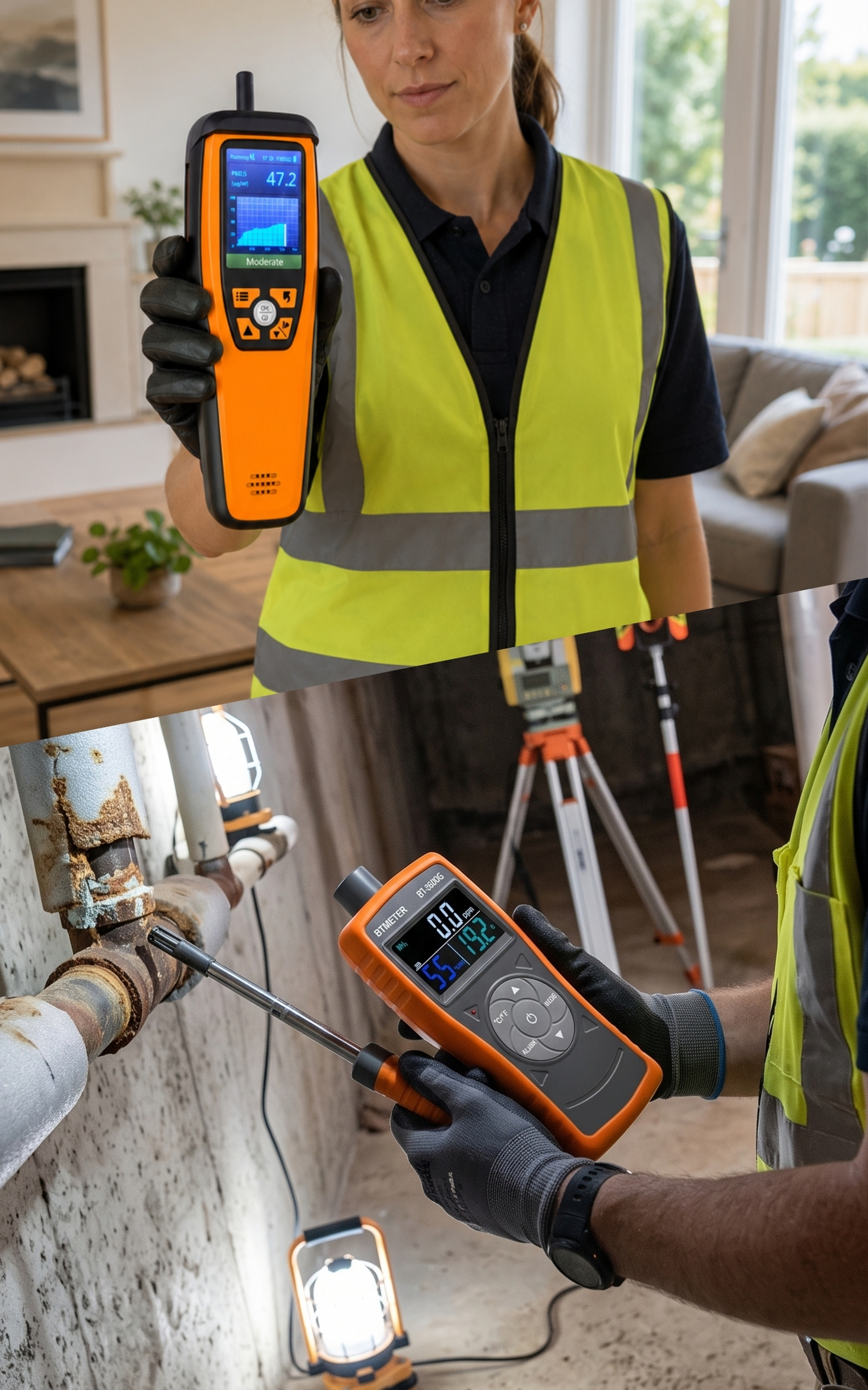
Diagnostic equipment and visual checks produced clear findings:
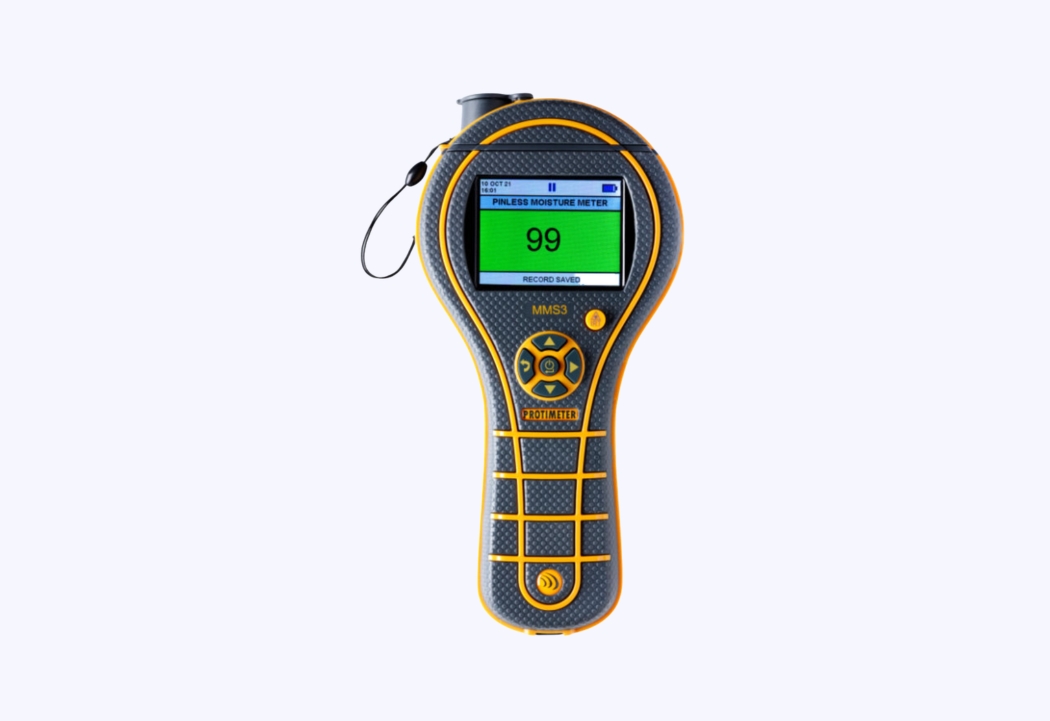
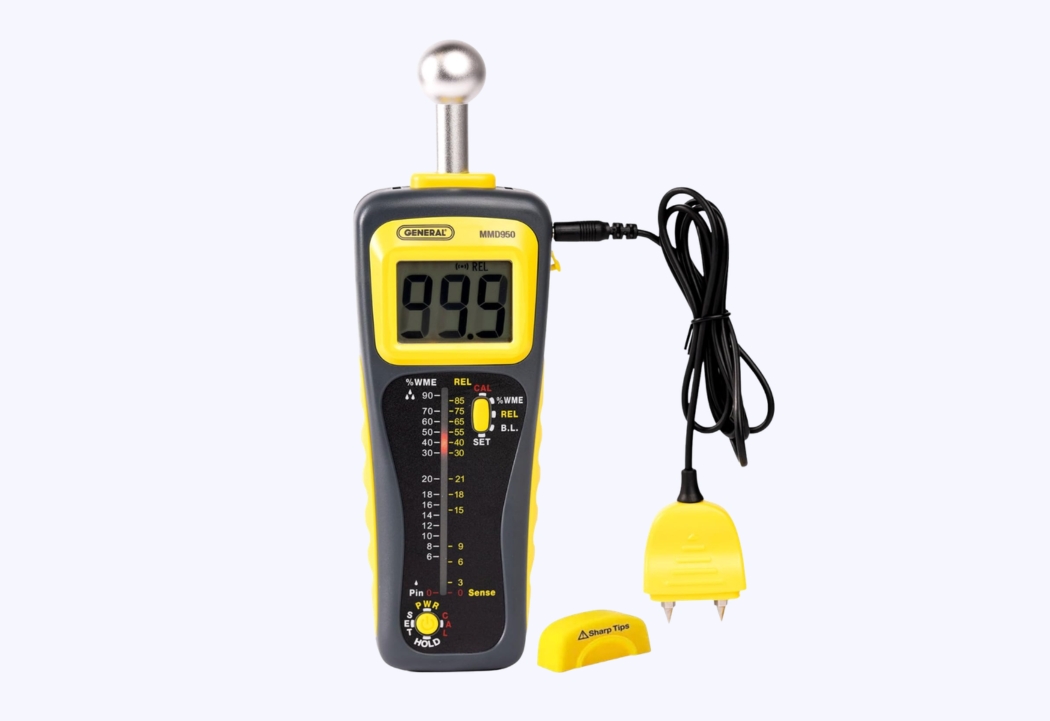
- Moisture testing across lower ground floor walls, floors and adjoining masonry recorded completely dry conditions, confirming no water ingress from the steps above.
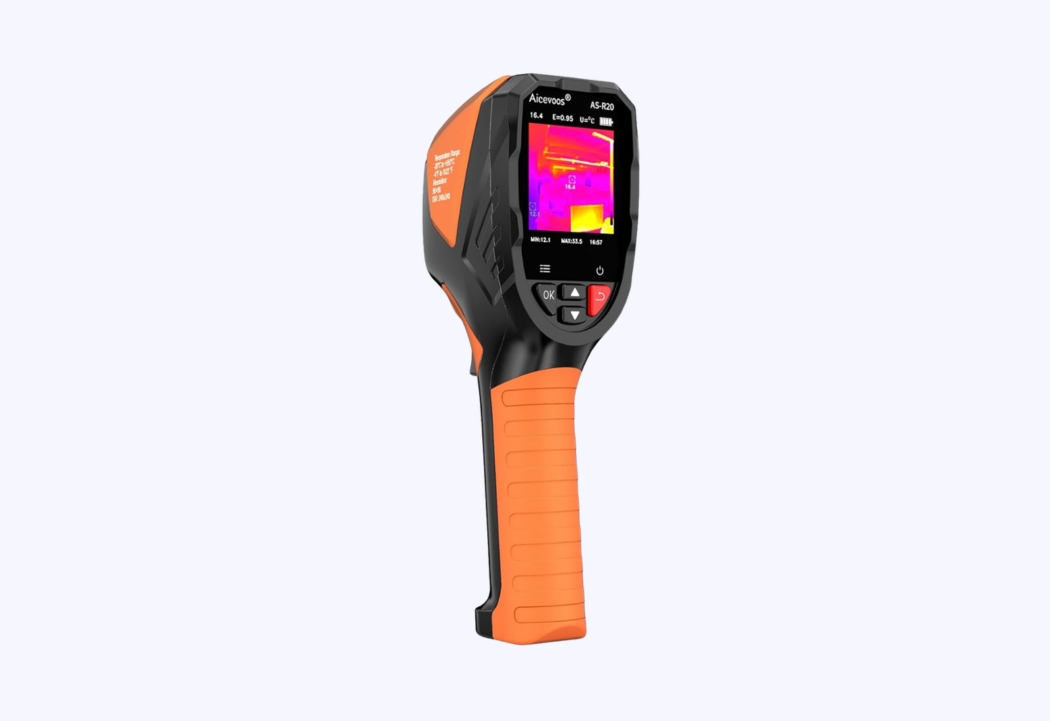
- A thermal imaging survey across accessible walls revealed consistent temperature distribution, ruling out cold bridging or subterranean water tracking.
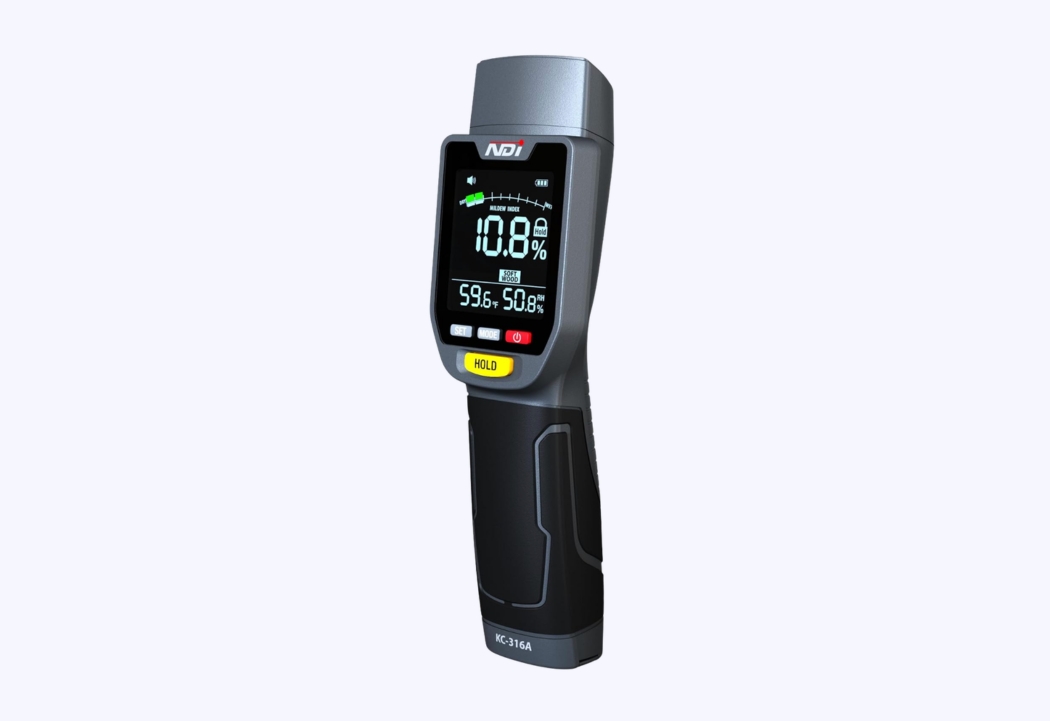
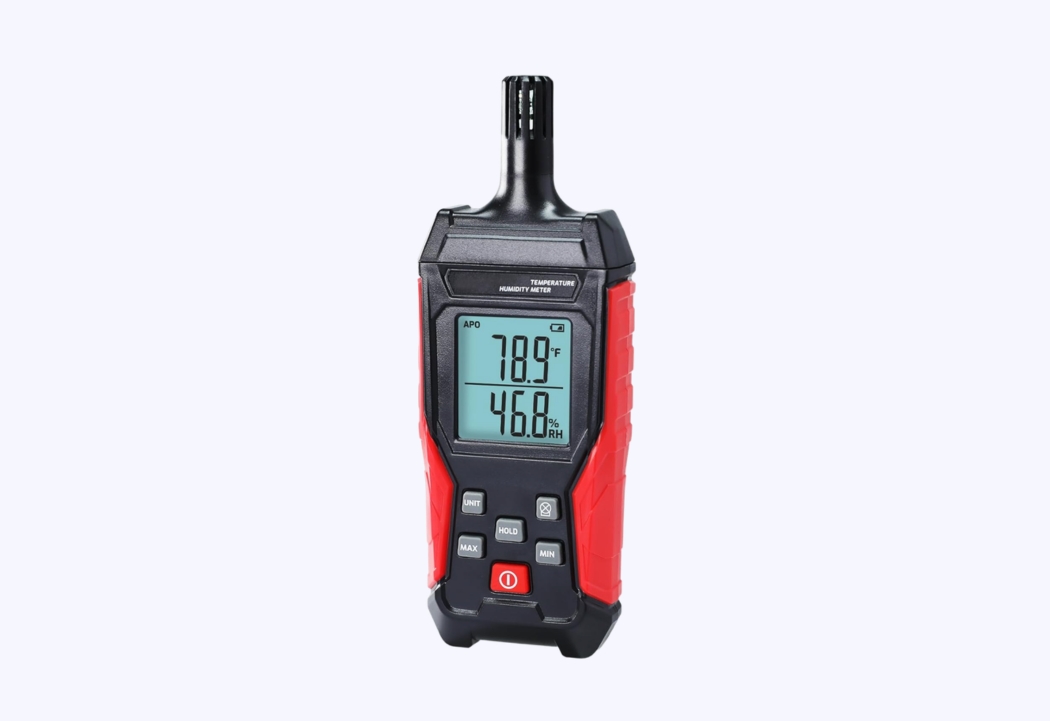
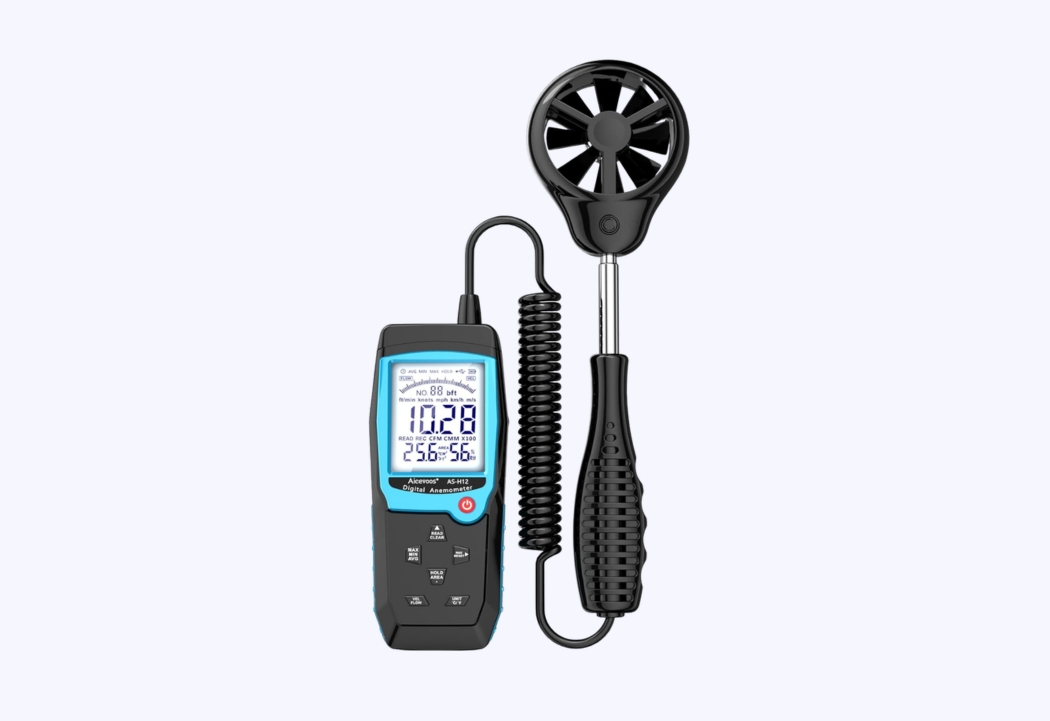
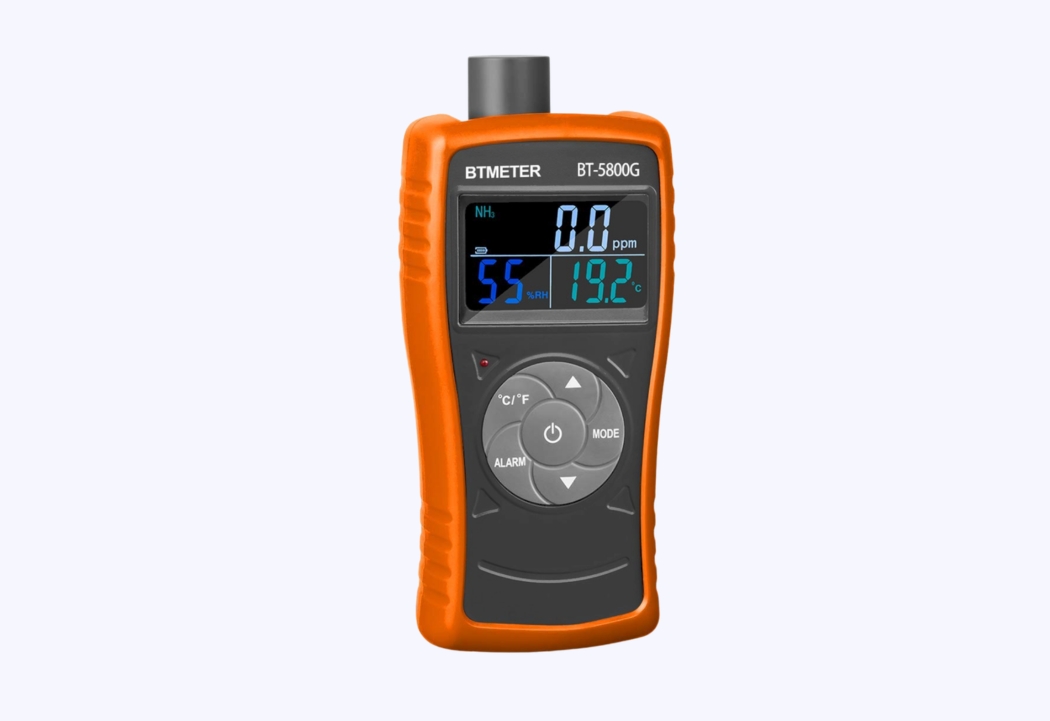
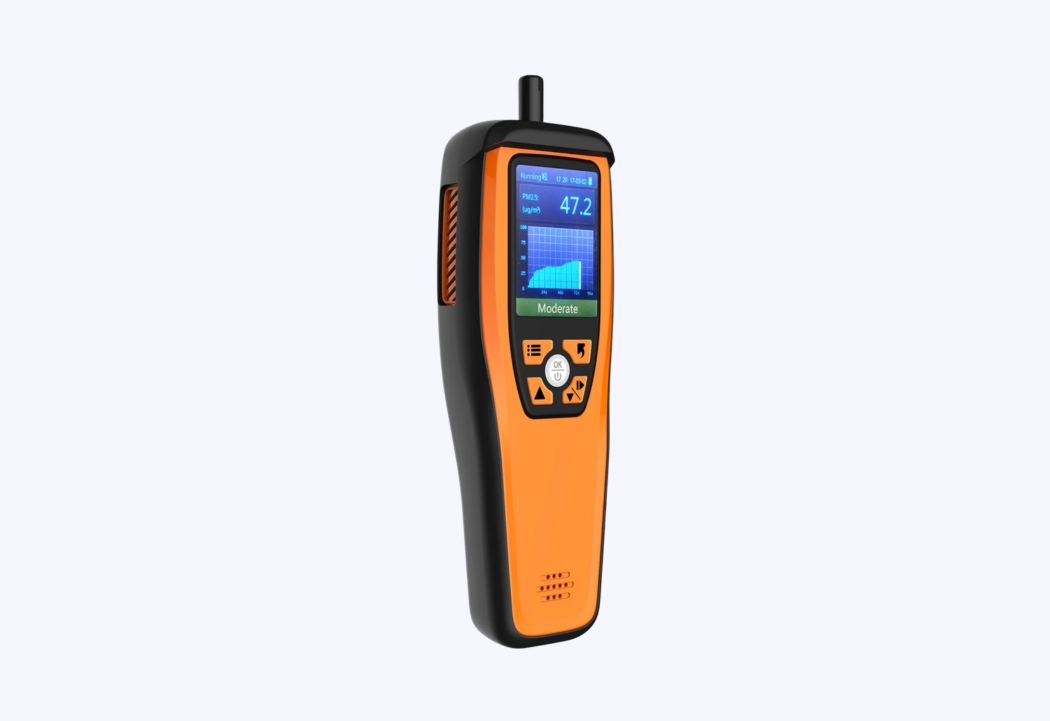
- Air humidity testing across multiple floors confirmed atmospheric moisture remained within normal, healthy living parameters.
- Aerial drone footage verified that roof coverings, flashings, chimneys and gutters were defect-free and performing as expected.
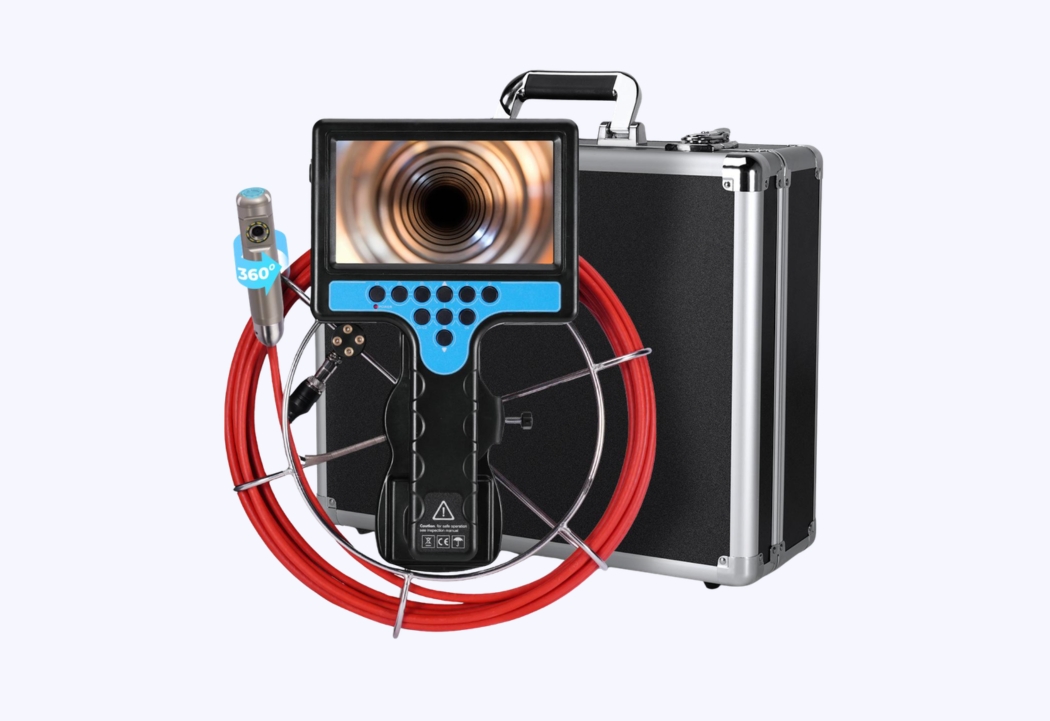
Tests on visible plumbing and drainage showed zero leaks or back-ups. Structural masonry and pointing were in very good condition, the DPC was functioning as intended and all accessible timbers were completely free of dry rot, wet rot and woodworm.
The Solution
Because the inspection confirmed excellent general condition with no damp detected anywhere, remedial building works were completely ruled out:
- Continue standard, routine property maintenance over time.
- Maintain existing ventilation habits in wet rooms to preserve indoor air quality.
The Outcome
The homeowner received formal confirmation that the entire property was dry and structurally sound. By instructing an independent survey, they avoided high quotes for unnecessary basement tanking or step-waterproofing treatments.
Why This Case Matters
Unverified damp claims near external steps can cause unnecessary alarm for property owners. Independent diagnostic assessments combine thermal imaging, moisture profiling and drone technology to deliver fact-based conclusions, preventing unnecessary financial expenditure.
Was any mould growth or atmospheric moisture detected indoors?
No. No visible mould growth, staining, or excess humidity was found; internal air humidity readings were within normal, healthy living ranges.
How did the surveyor verify the condition of high-level roof areas?
High-level roof coverings, flashings, chimneys and gutters were evaluated using an aerial drone inspection, confirming good working order throughout.
Are plumbing or drainage systems functioning correctly?
Yes. Full inspection of visible plumbing and drainage confirmed no leaks, blockages, or defects.
Protect your property with an unbiased, expert damp assessment.