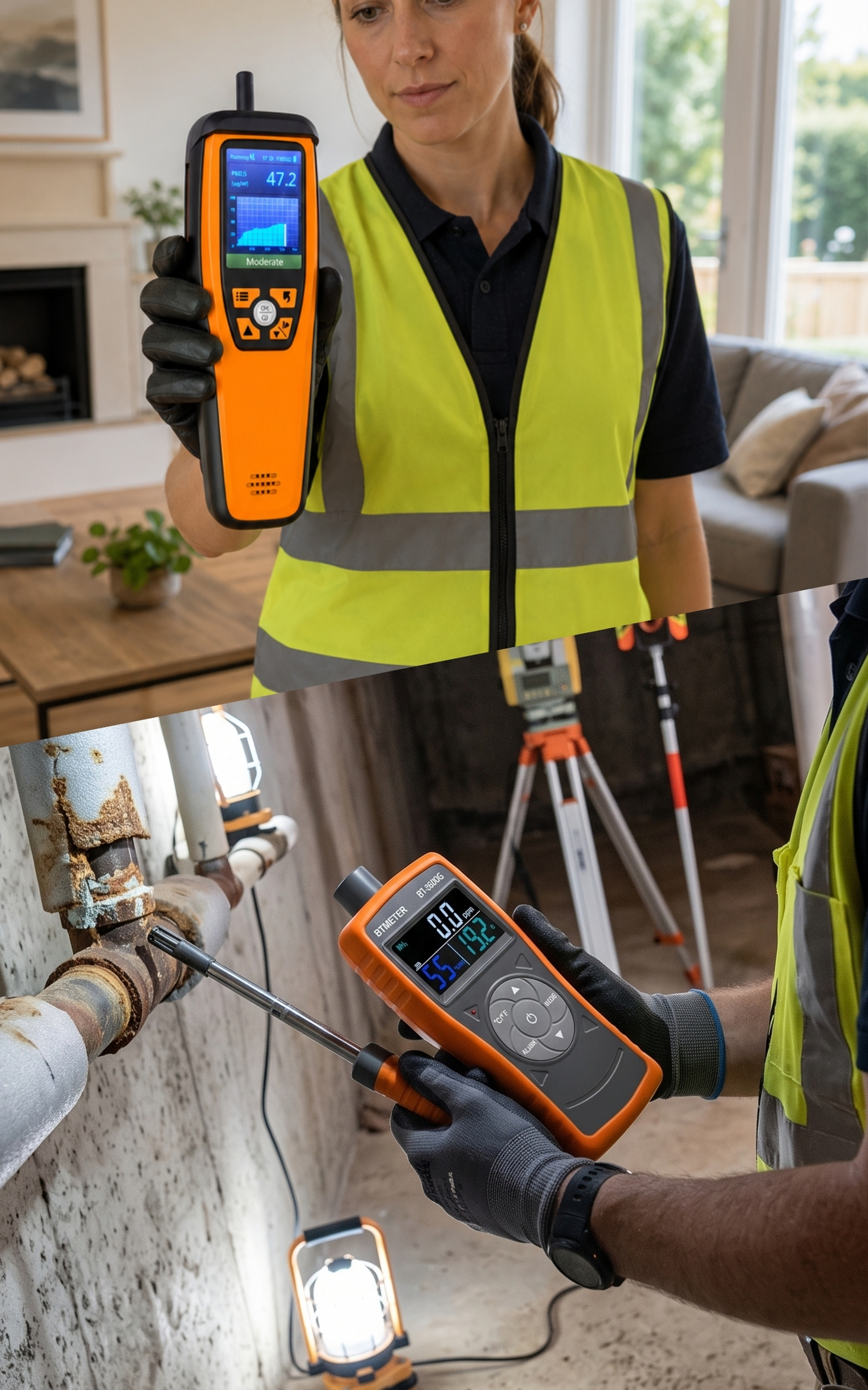
An independent Level 3 damp survey was commissioned for an apartment located in Poplar (E14). The property owner instructed a specialist inspection to investigate localised mould growth and plasterboard deterioration. The survey delivered a clear, evidence-based assessment free from commercial contractor bias.
About the Issue
The property owner noticed black mould spots, peeling wall coverings and dampness along one side of the living room. Unsure whether the defect stemmed from a pipe failure, a building facade leak, or an overhead flat, they requested a comprehensive health check.
The Challenge
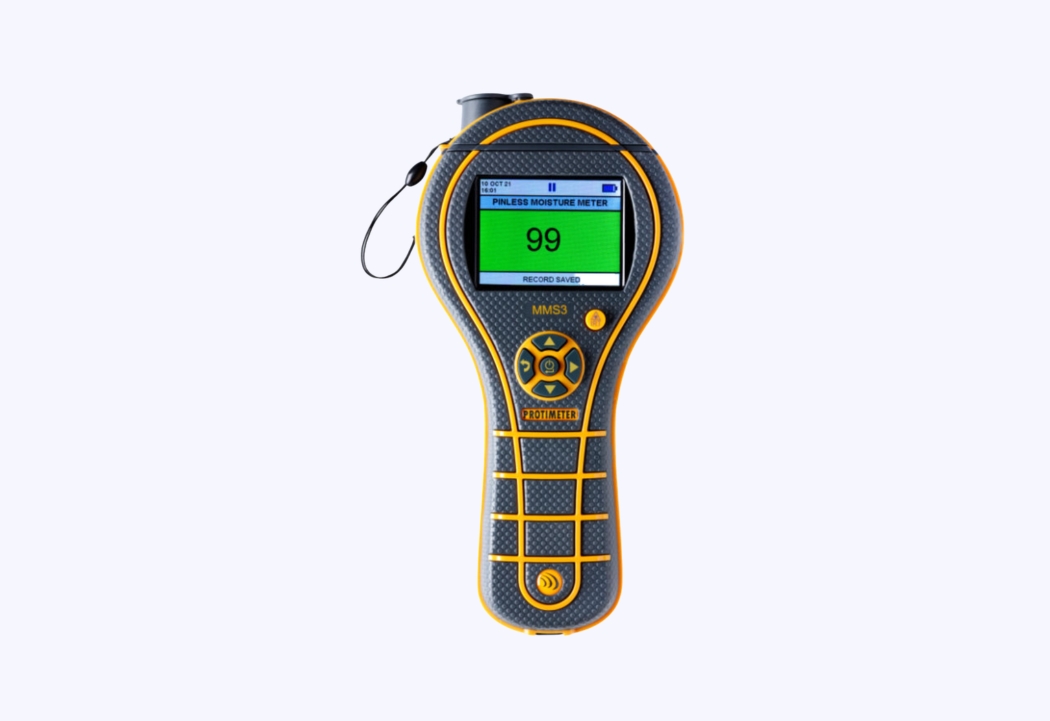
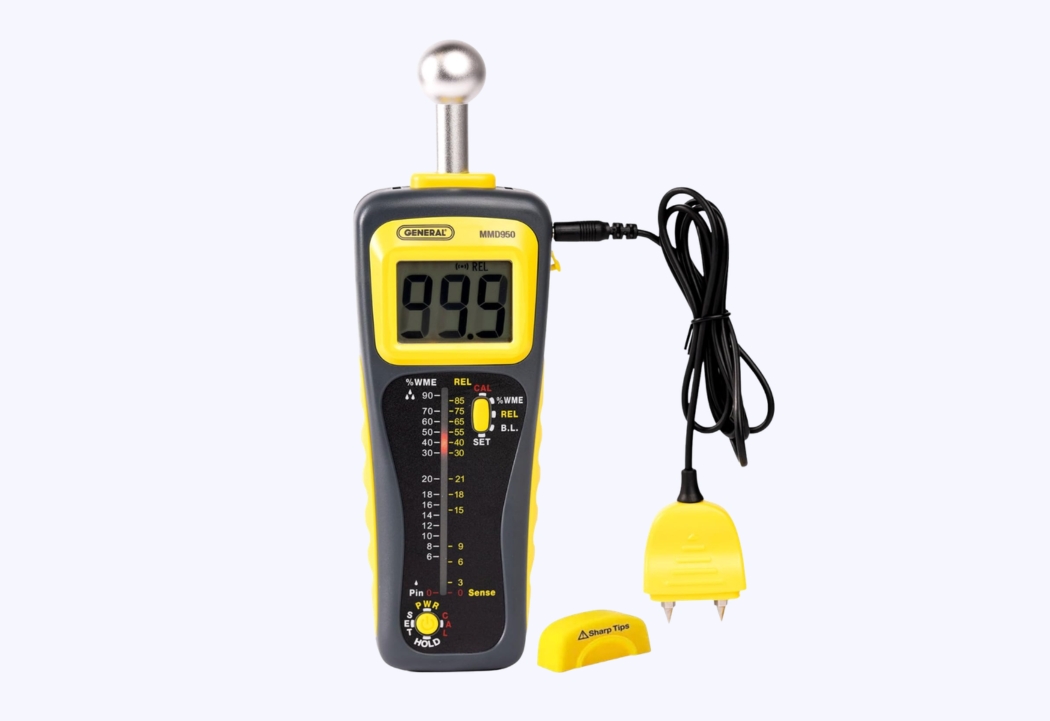
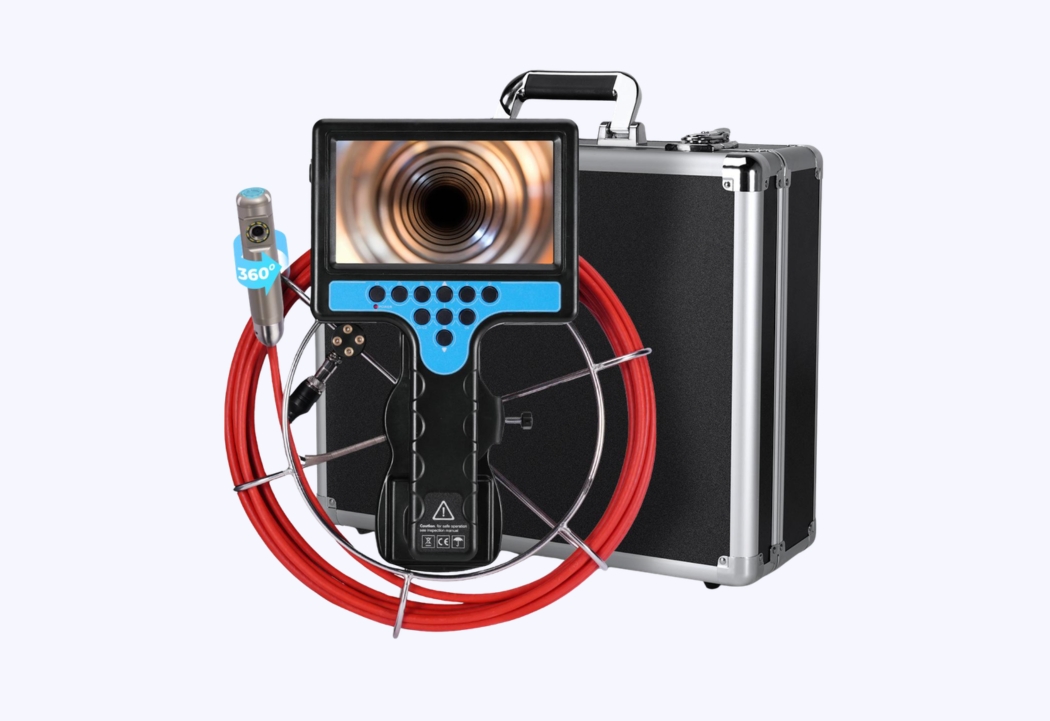
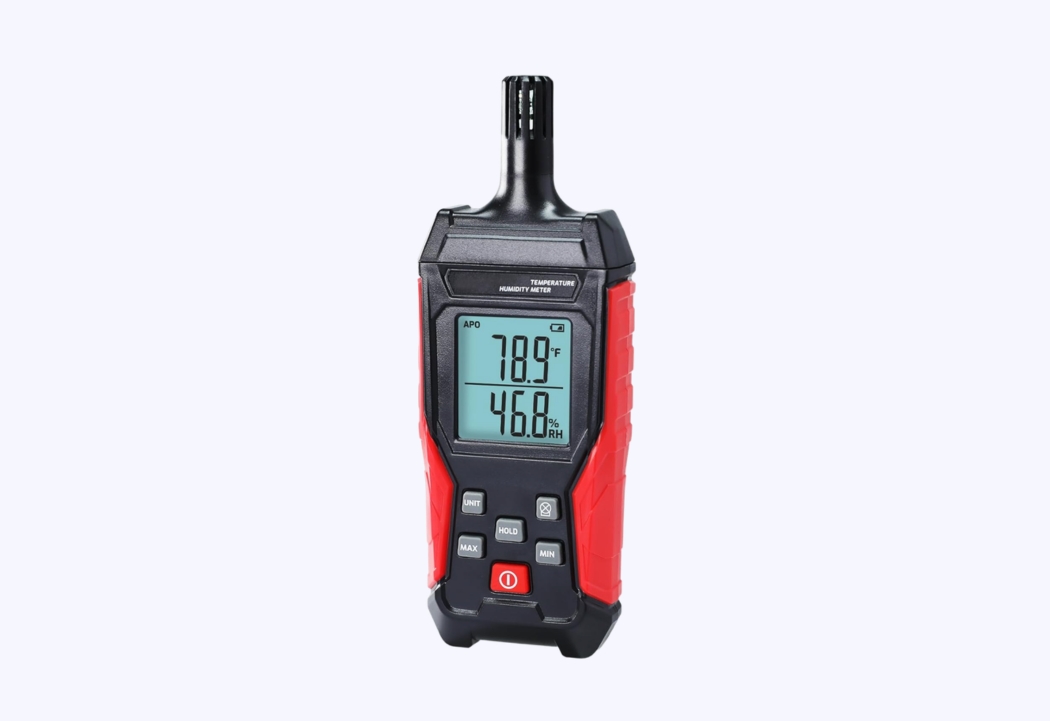
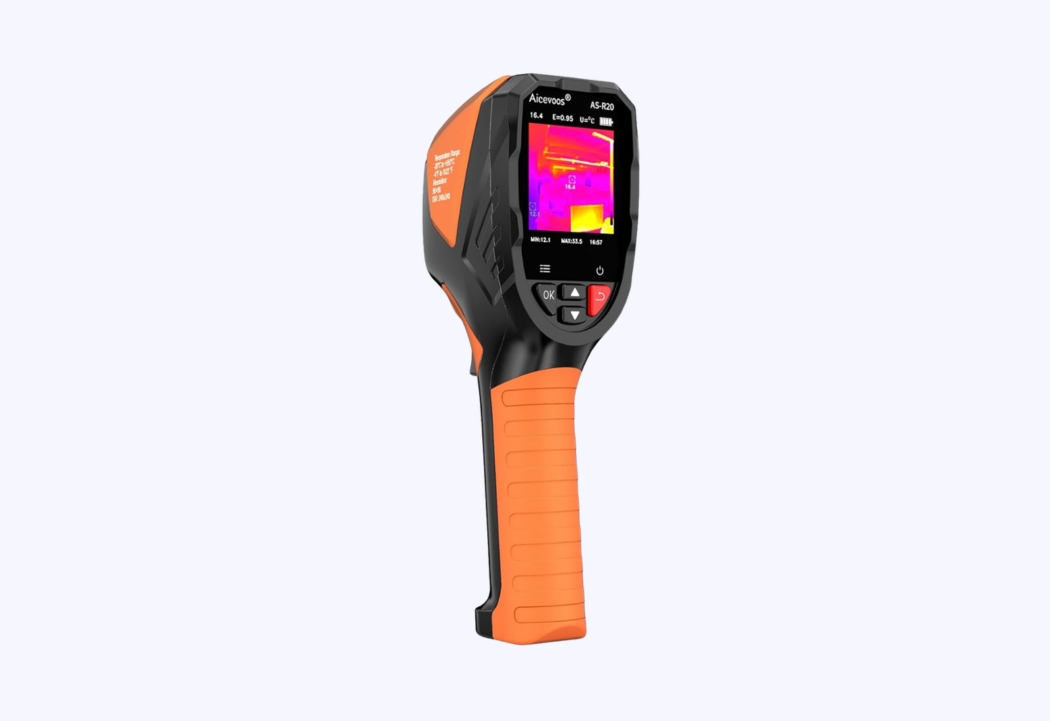
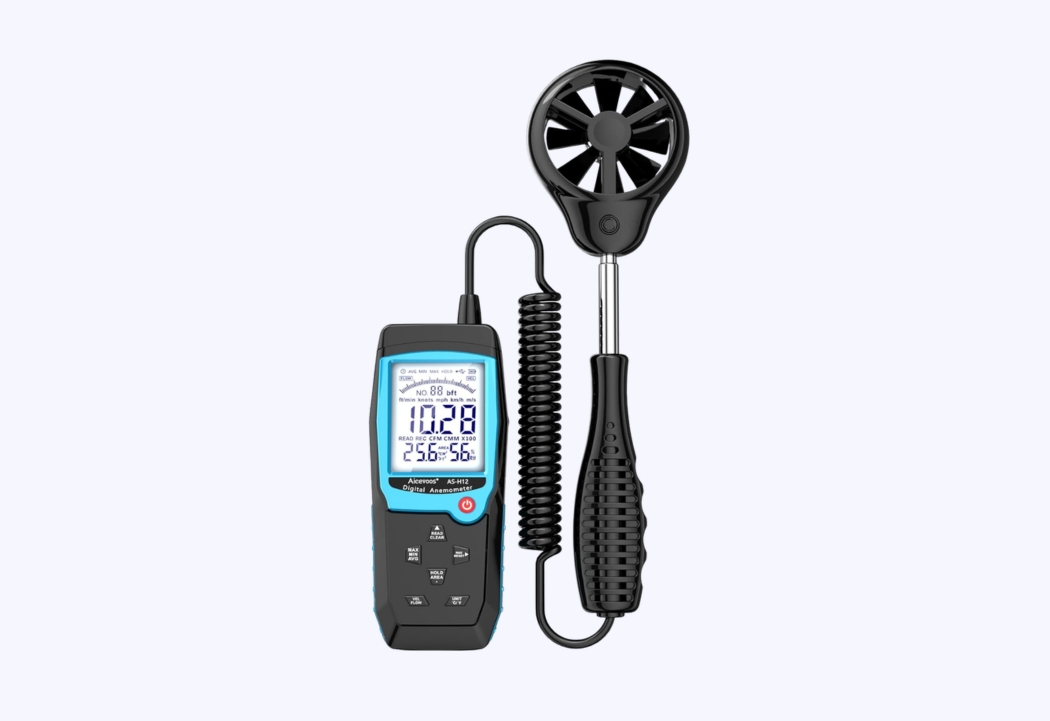
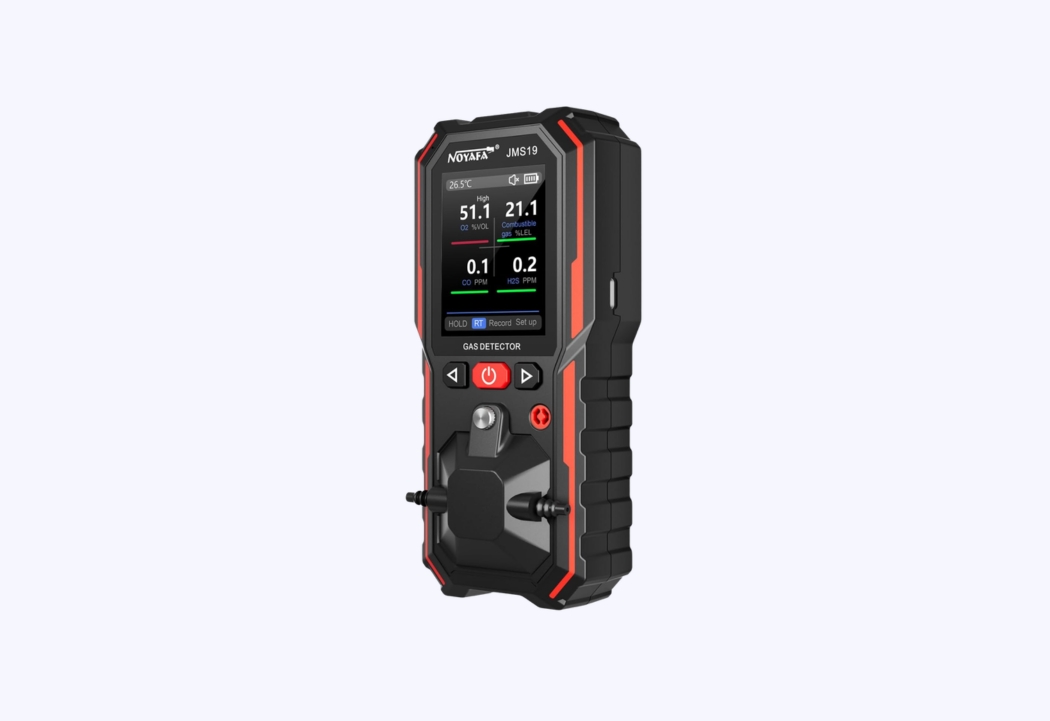
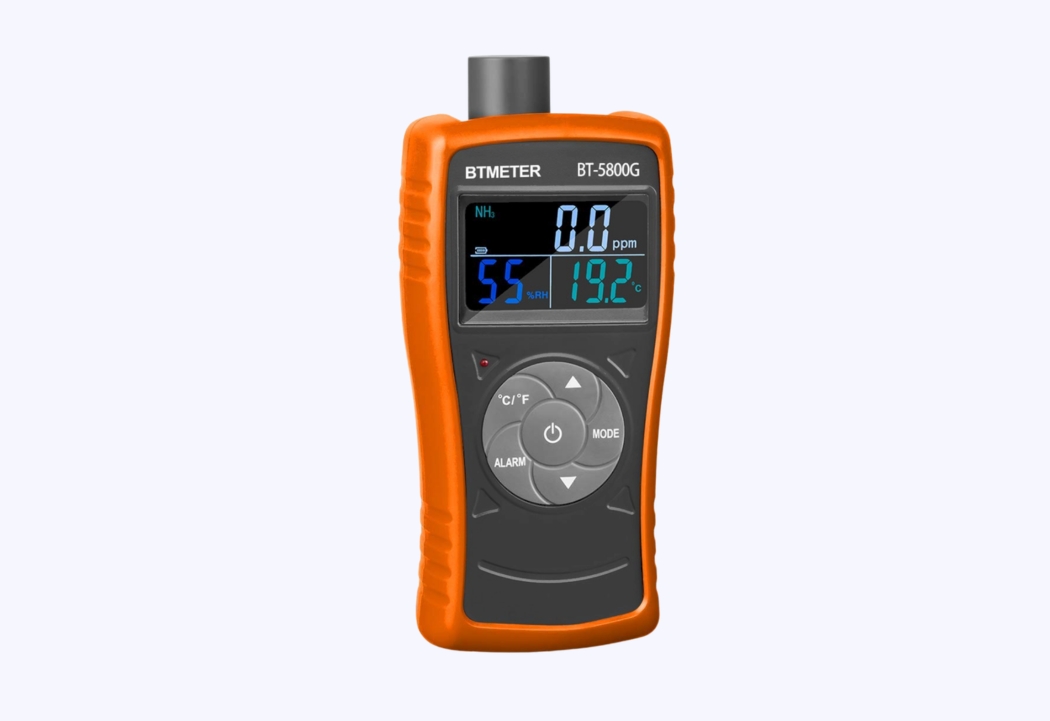
The surveyor conducted a Level 3 assessment covering all living zones, checking moisture profiles, internal air quality, sanitary installations and structural elements.
The diagnostic process revealed specific physical evidence:
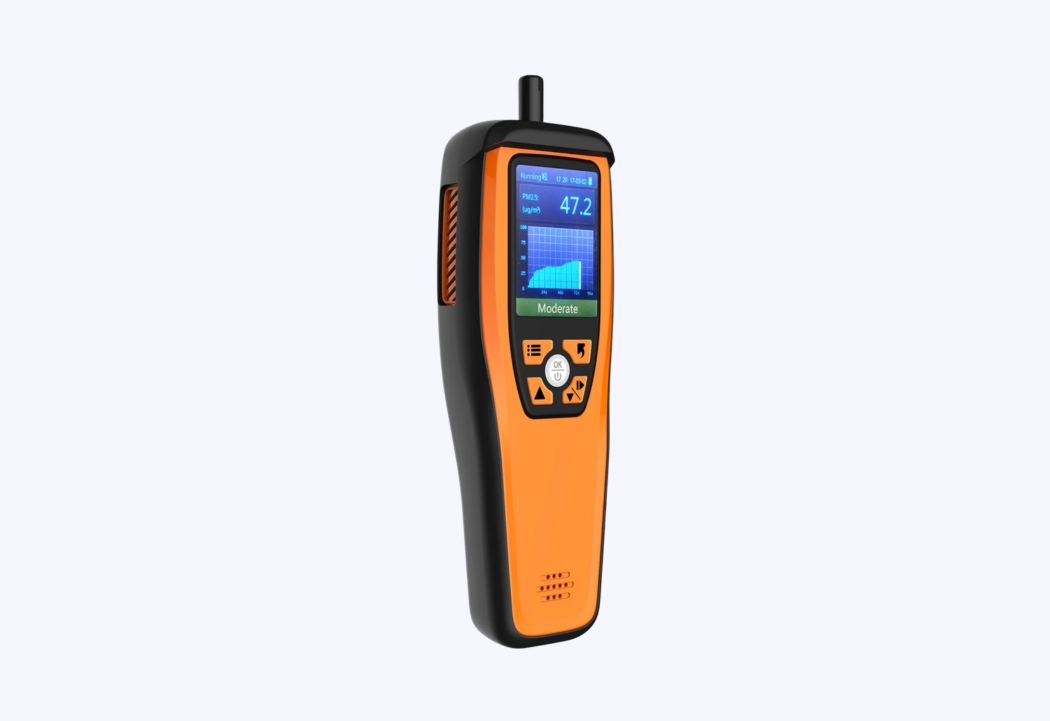
- Relative air humidity was measured at 54.5%, a figure slightly higher than ideal that can exacerbate mould growth on damp surfaces.
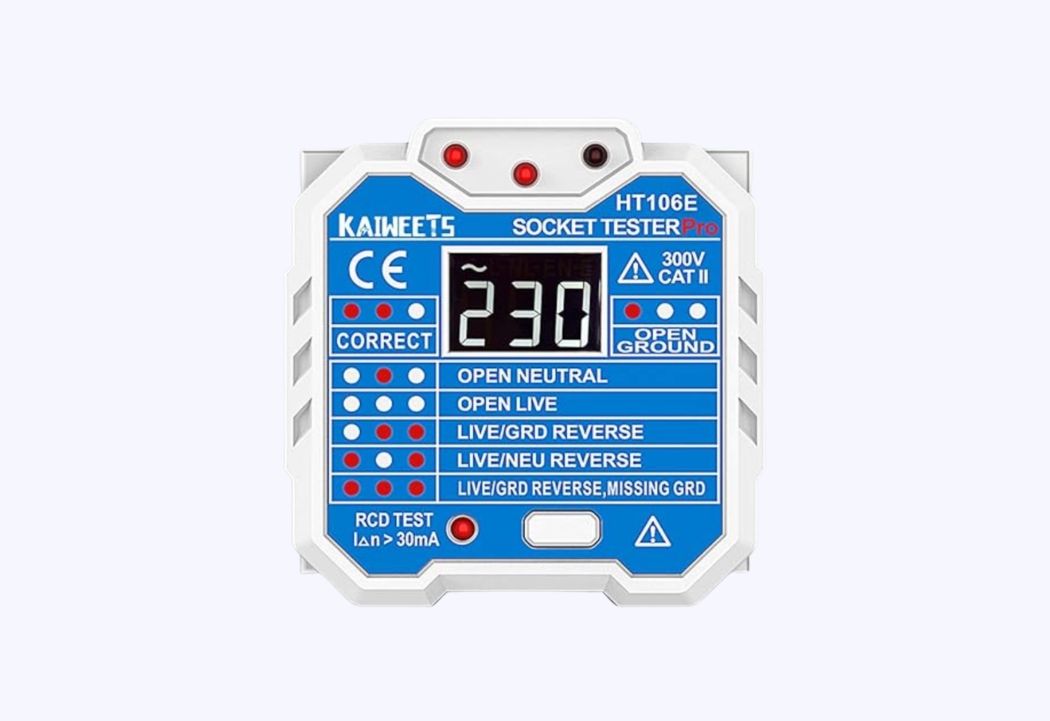
- High moisture readings were confined to the lower wall section in the living room, pointing to a water source at or near floor height.
- Inspection of the adjoining bathroom identified failed silicone sealant around the bath, which allowed shower runoff to seep behind the tub and migrate into the base of the living room wall plasterboard.
- Staining on the bathroom ceiling and upper wall was confirmed to be dry and historic, originating from a past leak from the flat above that is no longer active.
- Full inspection confirmed zero evidence of dry rot, woodworm, structural movement, or active plumbing leaks.
Additionally, silicone sealant around the shower in the second bedroom area was noted as beginning to fail, presenting a minor risk if left unattended.
The Solution
To eliminate the dampness and prevent recurrence, the report outlined the following remedial steps:
- Hack off the mould-contaminated, damp plasterboard section in the living room.
- Allow the bare wall and floor junctions to dry thoroughly.
- Fit new plasterboard, plaster to a smooth finish and redecorate.
- Carefully remove and replace all failing silicone sealant around the bath, verifying watertightness before shower use.
- Renew the shower silicone sealant in the second bedroom area as a preventative precaution.
- Monitor the dry historic marks on the bathroom ceiling before redecorating.
- Maintain good internal ventilation to manage room humidity levels.
The Outcome
The property owner achieved complete peace of mind knowing the apartment was structurally sound and free from hidden pipe bursts. By choosing an independent survey, they avoided heavy expenditure on unnecessary damp treatments and fixed the root cause with a basic sealant renewal.
Why This Case Matters
Plasterboard acts like a sponge when exposed to standing water at floor level, drawing moisture upward and causing surface finishes to fail. Independent damp surveys isolate mechanical water escape from building defects, preventing homeowners from funding unnecessary structural work.
What caused the black mould on the living room wall?
Shower water leaked behind the bath through failed silicone sealant, pooled on the floor and absorbed into the base of the living room plasterboard wall, creating damp conditions that fostered mould.
Were any signs of woodworm or rot detected?
No. All inspected areas were completely clear of dry rot, wet rot and woodworm infestation.
What preventative work was recommended for the second bedroom?
The survey recommended replacing the silicone sealant around the shower in the second bedroom area, as it was beginning to fail and could cause future leaks if neglected.
Protect your property with an unbiased, expert damp assessment.