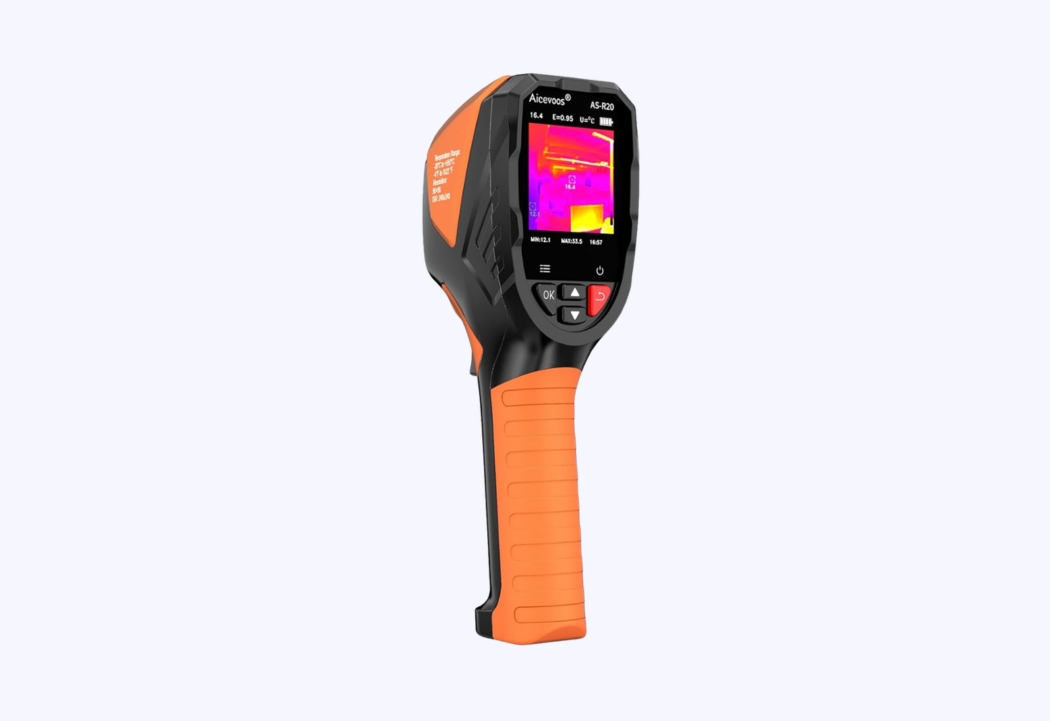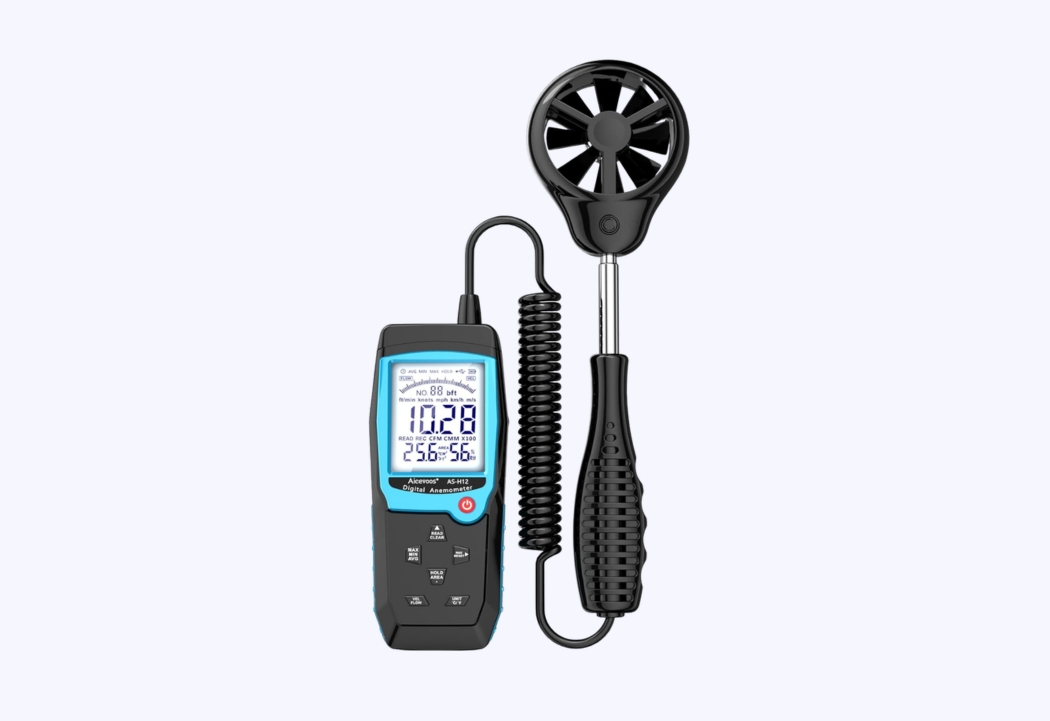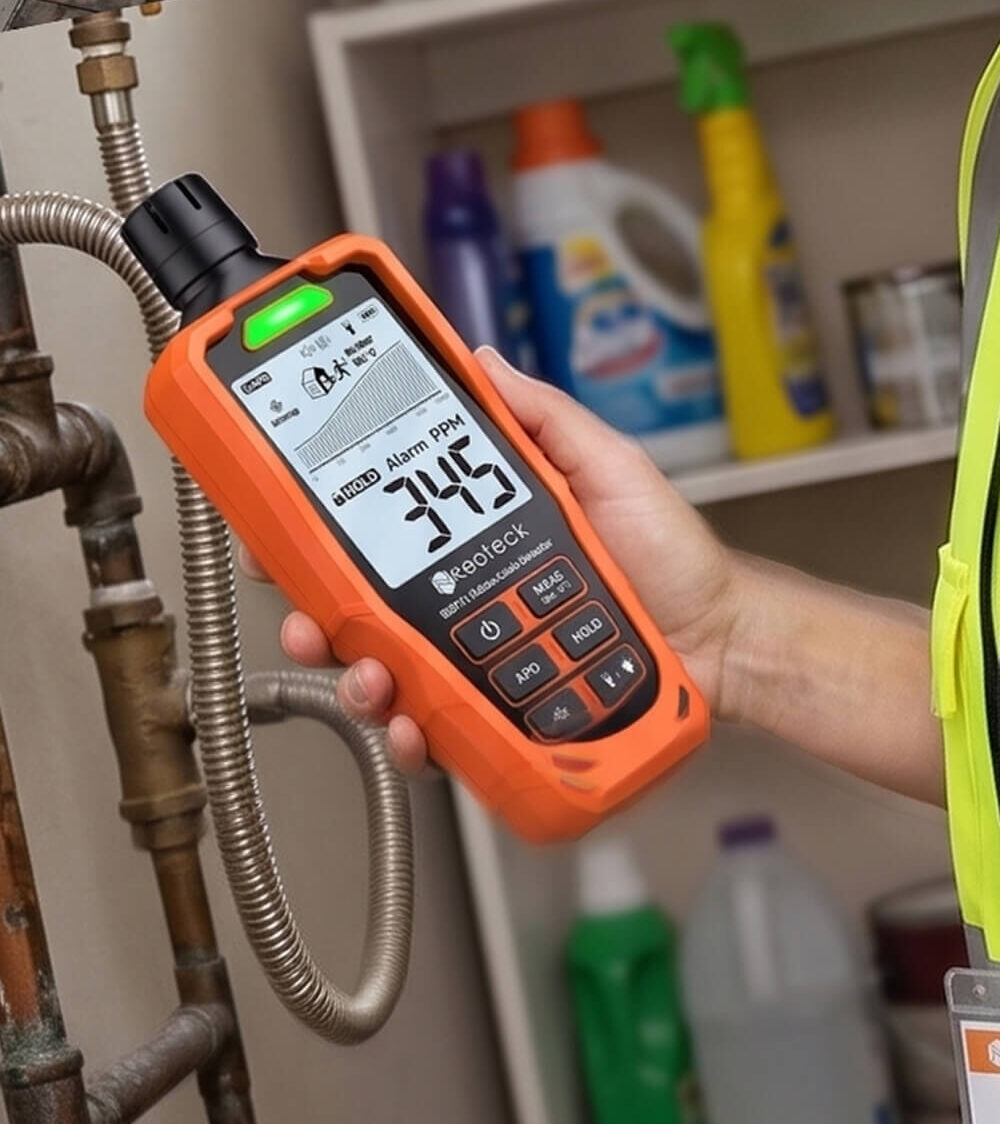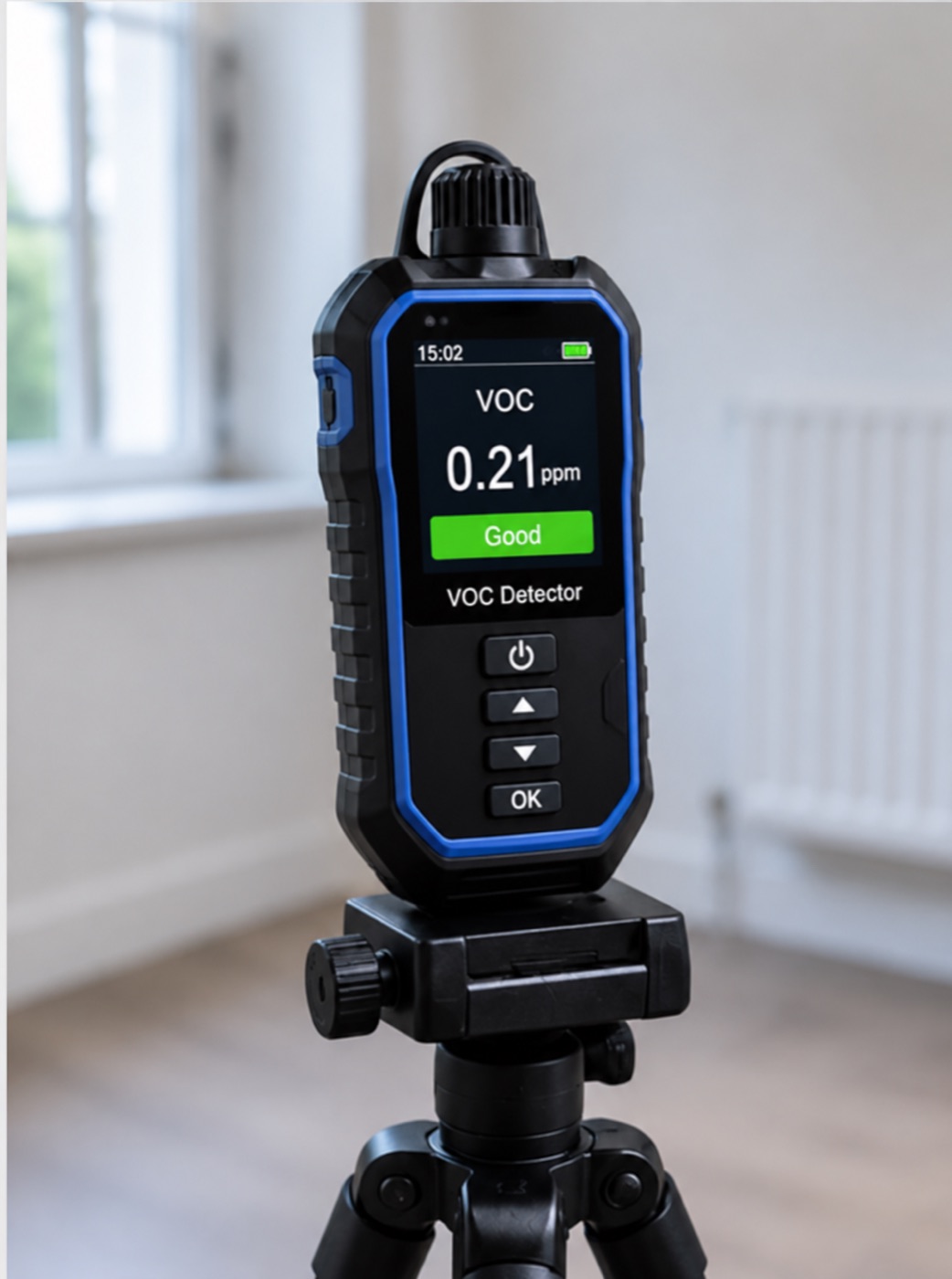
An independent Level 3 damp survey was carried out on a residential property in West Kensington (W14). The property owner arranged the inspection to evaluate suspected rising damp, ceiling leaks and high indoor humidity. The comprehensive check delivered complete clarity across all internal living spaces and external roof coverings.
About the Issue
The property owner noticed dampness along the entrance ceiling, bay window walls and beside double doors in the living room. Because a small bedroom was intended as a nursery for a newborn baby, finding elevated humidity and cold wall surfaces prompted a request for an independent health check.
The Challenge
The surveyor conducted a Level 3 damp investigation on Thursday the 5th at 11:00 a.m., inspecting internal walls, floor slabs, ceiling insulation, entrance step junctions and high-level roof drainage.
The physical investigation established several key points:
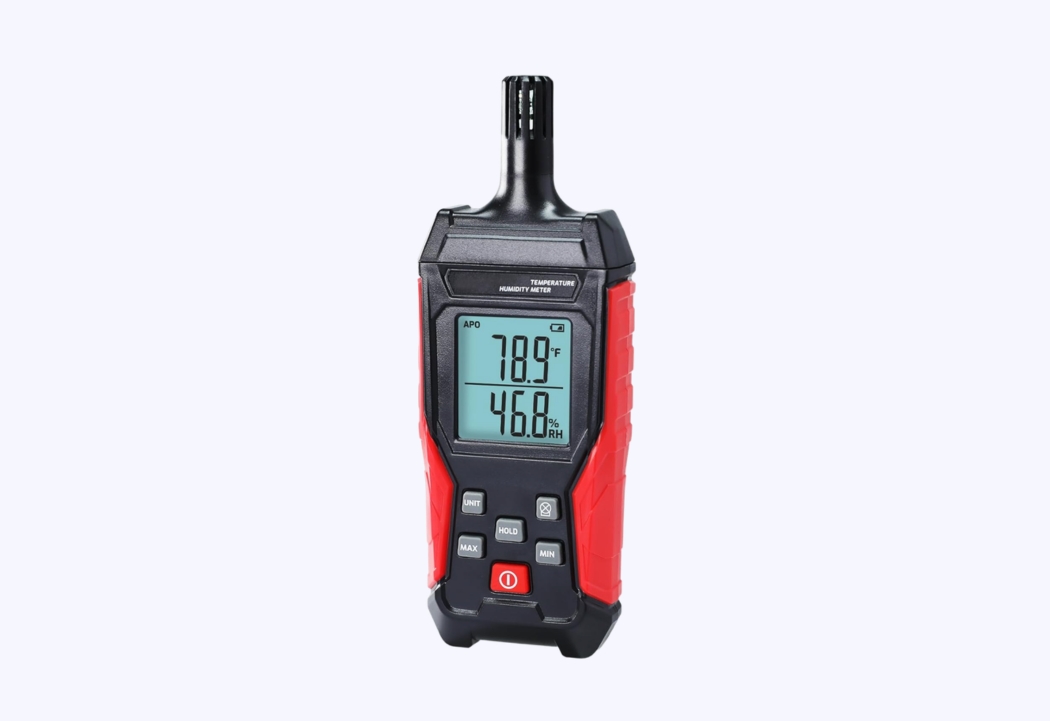
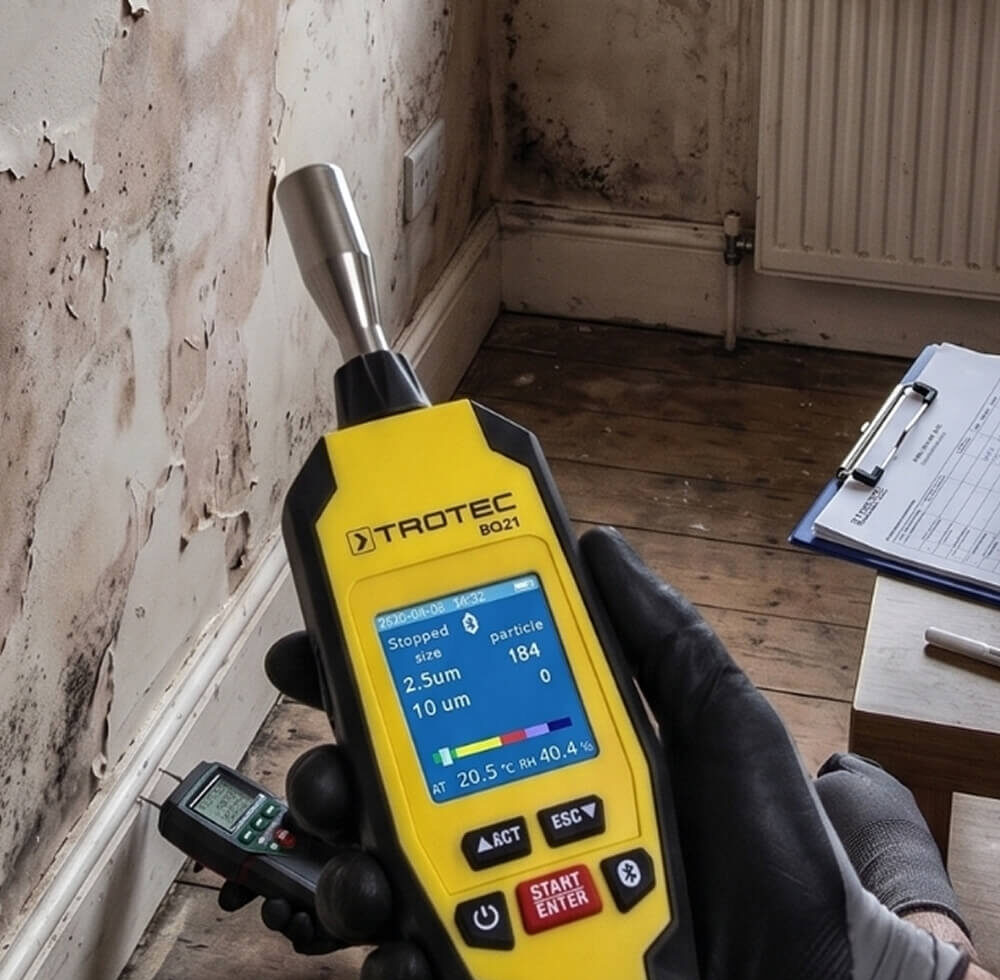
- Hygrometer readings inside the cupboard recorded a humidity level of 69.3%, which creates an environment highly prone to surface condensation and mould.
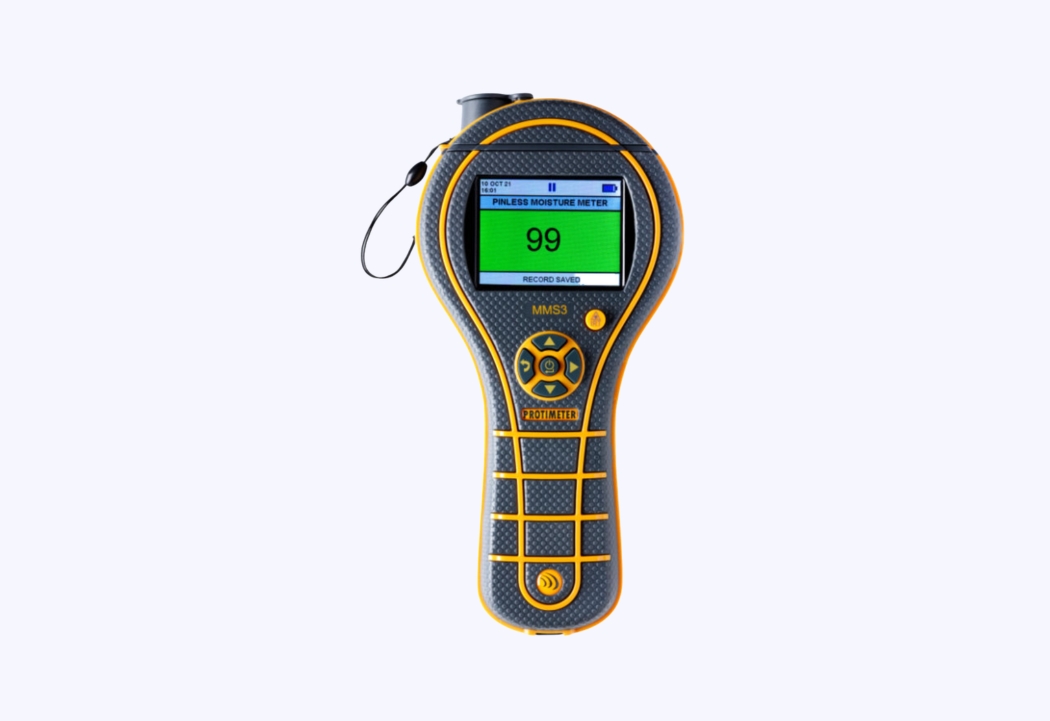
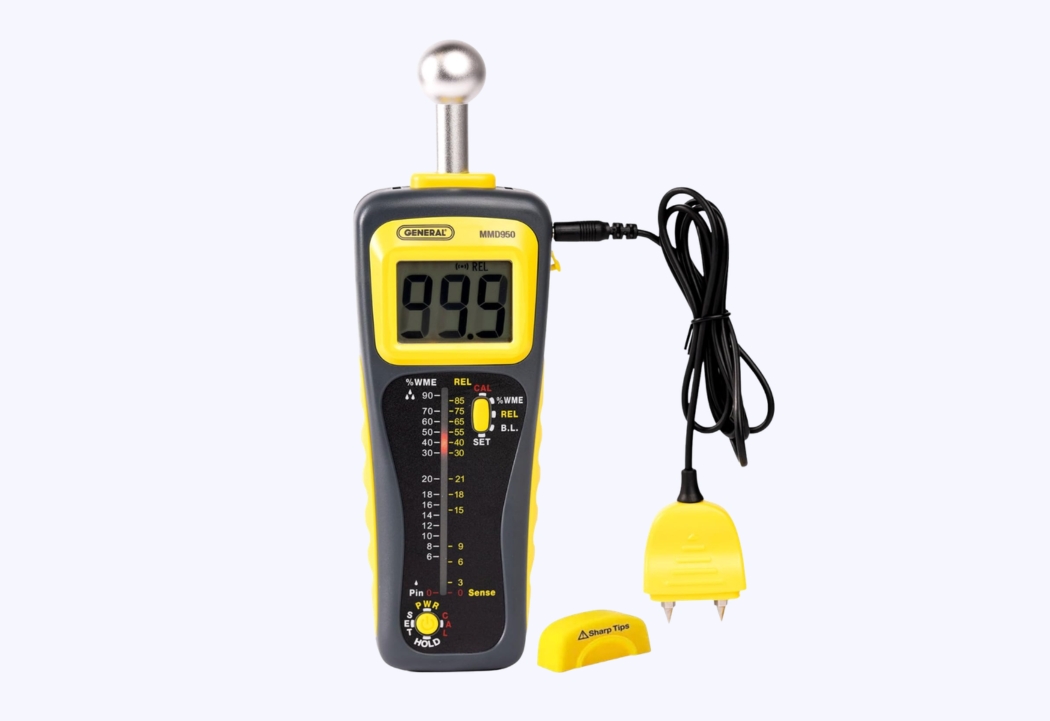
- Moisture meters detected rising damp on the solid external wall of the small bedroom, slightly elevated floor moisture and ceiling cold spots pointing to thermal insulation deficiencies above.
- Elevated moisture readings consistent with rising damp were recorded on the left-hand side and right-hand side of the living room double doors and within the bedroom bay window.
- Water tracking down from the external front entrance steps caused penetrating damp on the entrance area ceiling.
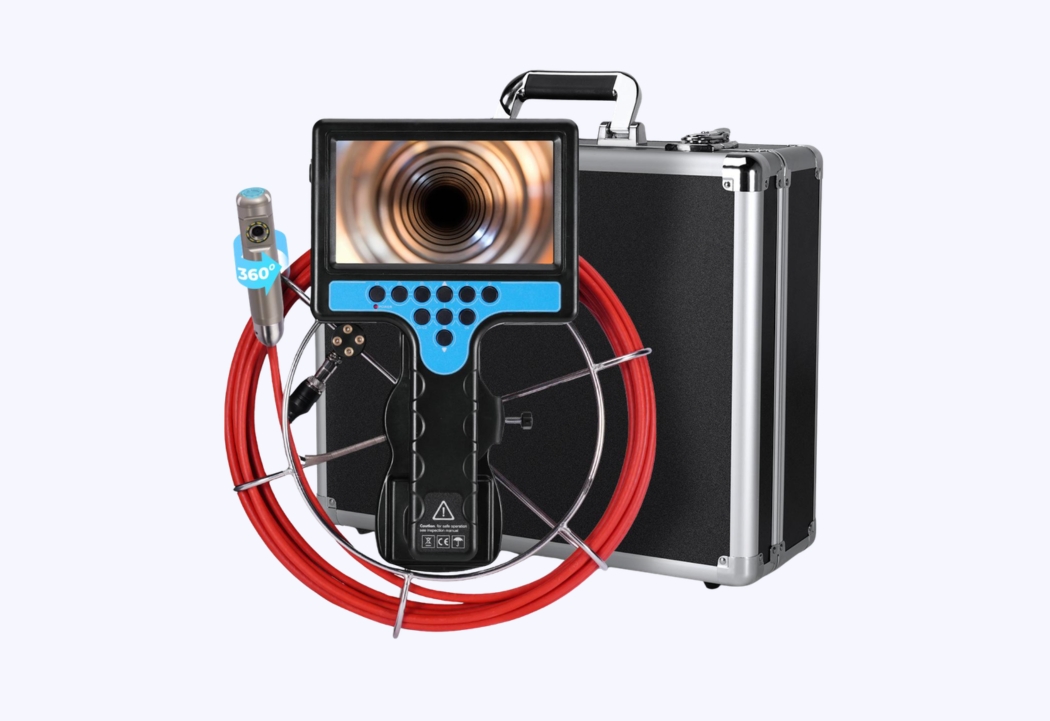
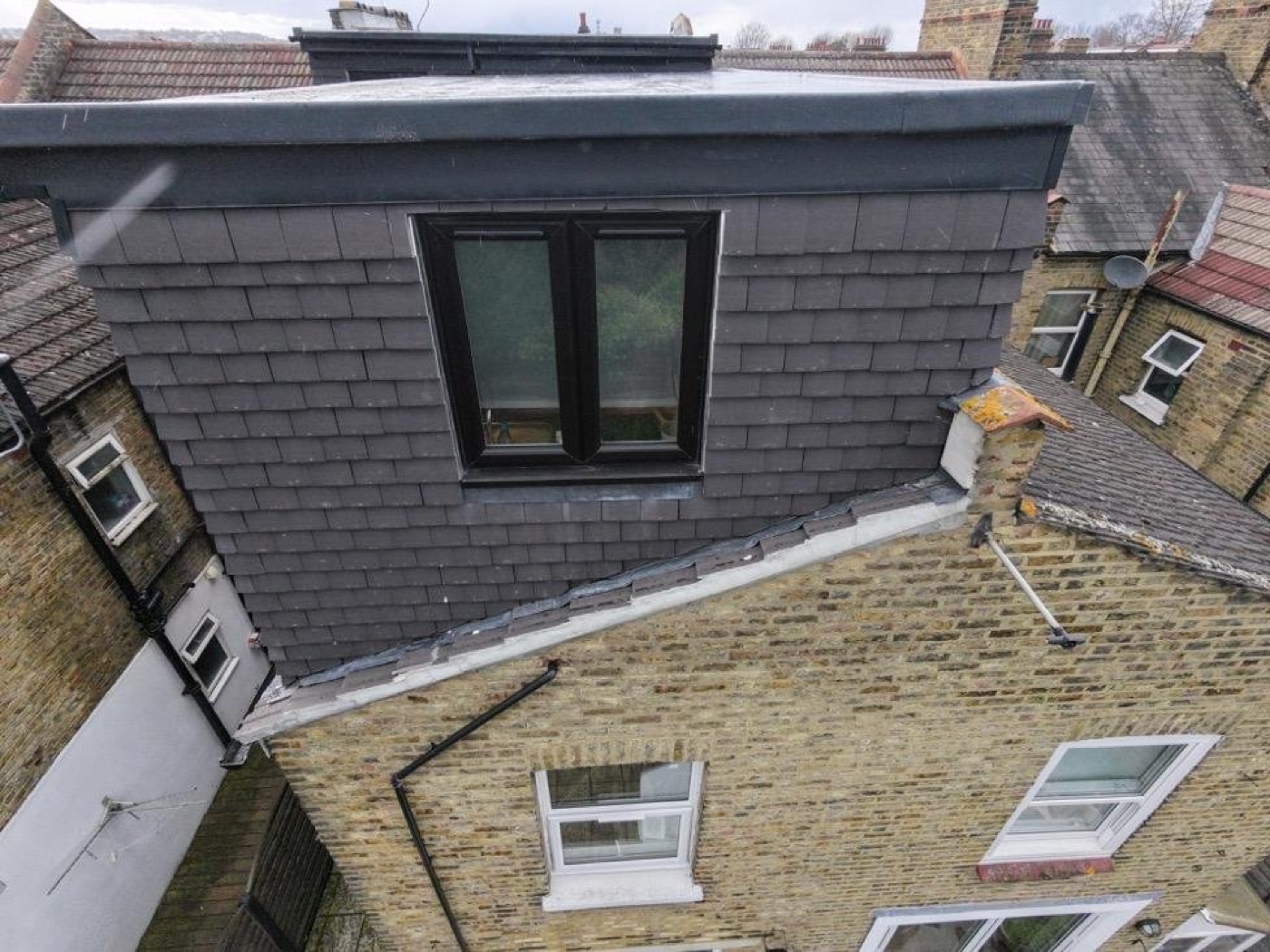
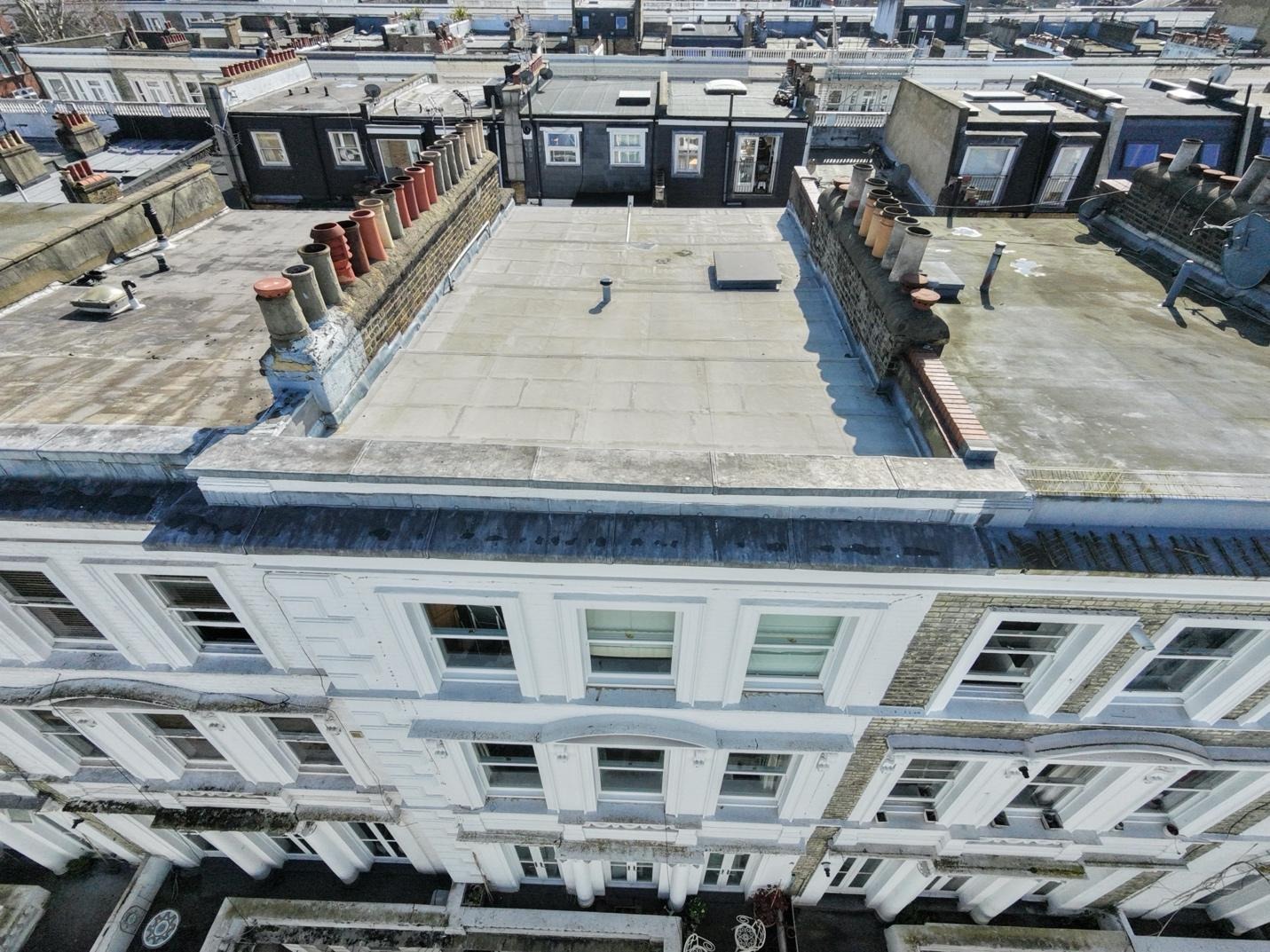
- Aerial drone footage of the small flat roof directly above the small bedroom showed heavy moss accumulation, deteriorating lead flashing and a downpipe emptying water directly onto the flat roof.
The Solution
To remediate the property and prepare the room for a newborn, the report specified a clear 4-part action plan:
- Clear excess items from nursery cupboards to maximise air circulation and prevent mould formation.
- Install a damp proof membrane on the small bedroom floor and damp proof the small wall on the left-hand side upon entering and the short wall between the two doors.
- Install thermal insulated plasterboard on the solid external wall and lay additional thermal insulation above the ceiling.
- Instruct a qualified roofer to clean moss from the flat roof, fix defective lead flashing and redirect the downpipe into a ground drain.
The Outcome
The homeowner received an accurate, evidence-based report that separated thermal condensation from true structural water ingress. Choosing an independent survey saved them from unnecessary, expensive wall tanking across unaffected areas while ensuring the nursery was made safe and dry.
Why This Case Matters
Bay windows, entrance steps and solid external walls present distinct moisture risks that require individual diagnostic assessment. Independent surveys prevent misdiagnosis by testing each building component separately, giving homeowners clear, prioritised advice.
Is rising damp common in bay window areas?
Yes. Bay windows are frequently prone to rising damp due to their specific foundation structure and increased exposure to ground moisture.
What insulation upgrades were recommended for the small bedroom?
The report recommended installing thermally insulated plasterboard on the solid external wall and fitting additional thermal insulation above the ceiling level.
Why is discharging a downpipe onto a flat roof considered bad practice?
It increases water loading on the roof surface, accelerating roof deterioration and significantly raising the risk of rainwater penetration into rooms below.
Get an accurate, independent assessment before spending on property repairs.