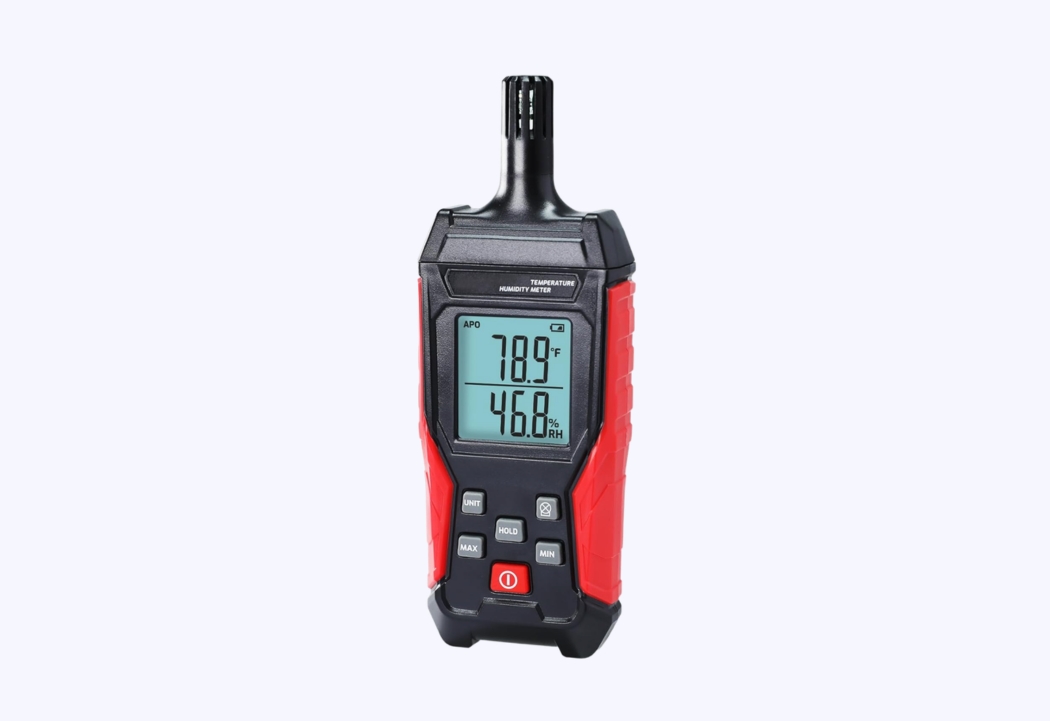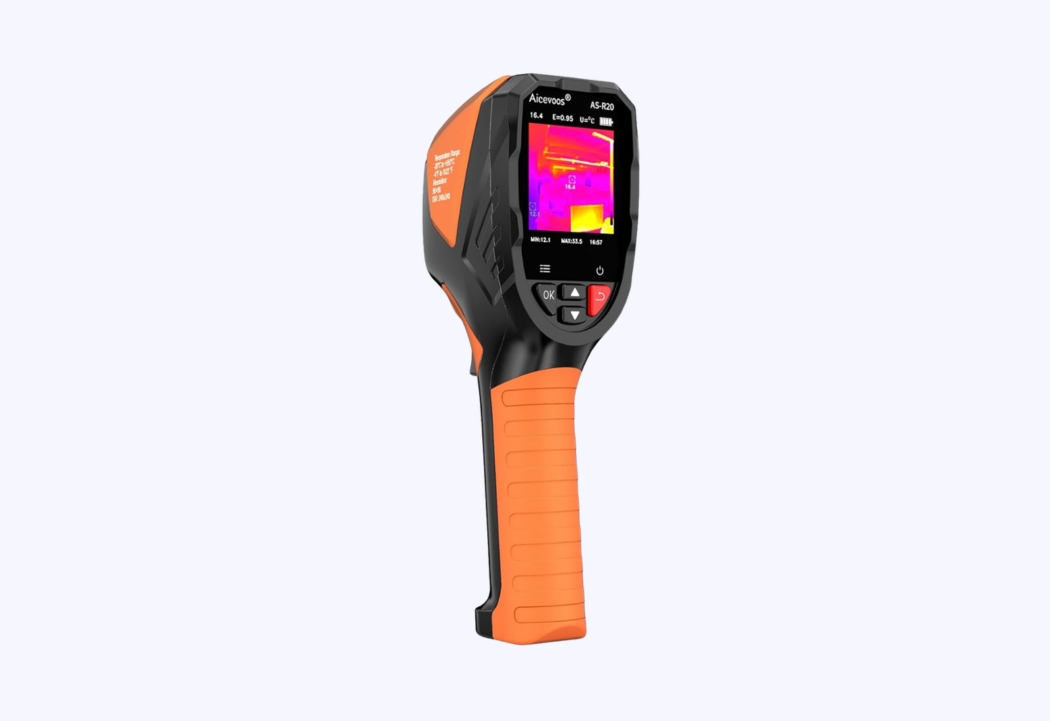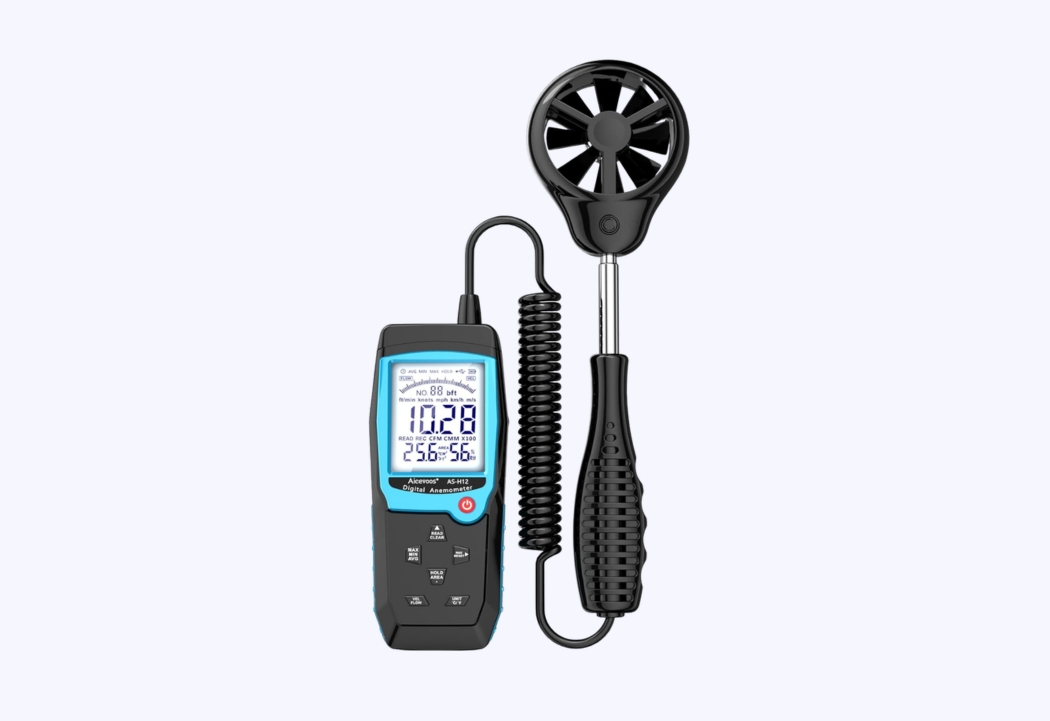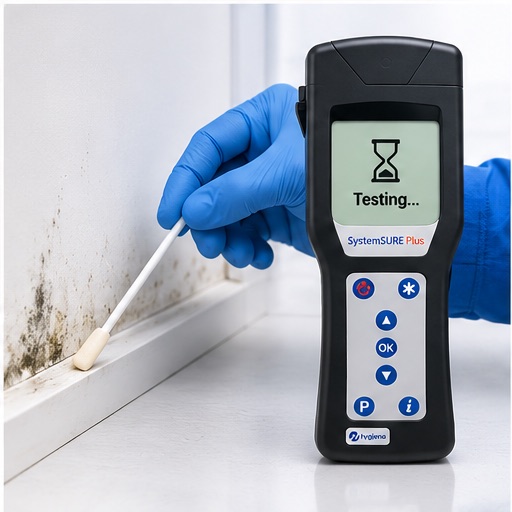
An independent Level 3 damp survey was carried out on a modern apartment in Isle of Dogs (E14). The property owner requested the survey to determine why a living room wall was suffering from peeling wallpaper and mould. The inspection provided a thorough, top-to-bottom appraisal of the apartment’s internal condition.
About the Issue
Concerns arose after black mould and flaking wall coverings were discovered on a living room wall. The homeowner feared that a concealed pipe burst inside the wall cavity or an ongoing leak from an upper flat was causing widespread damage.
The Challenge
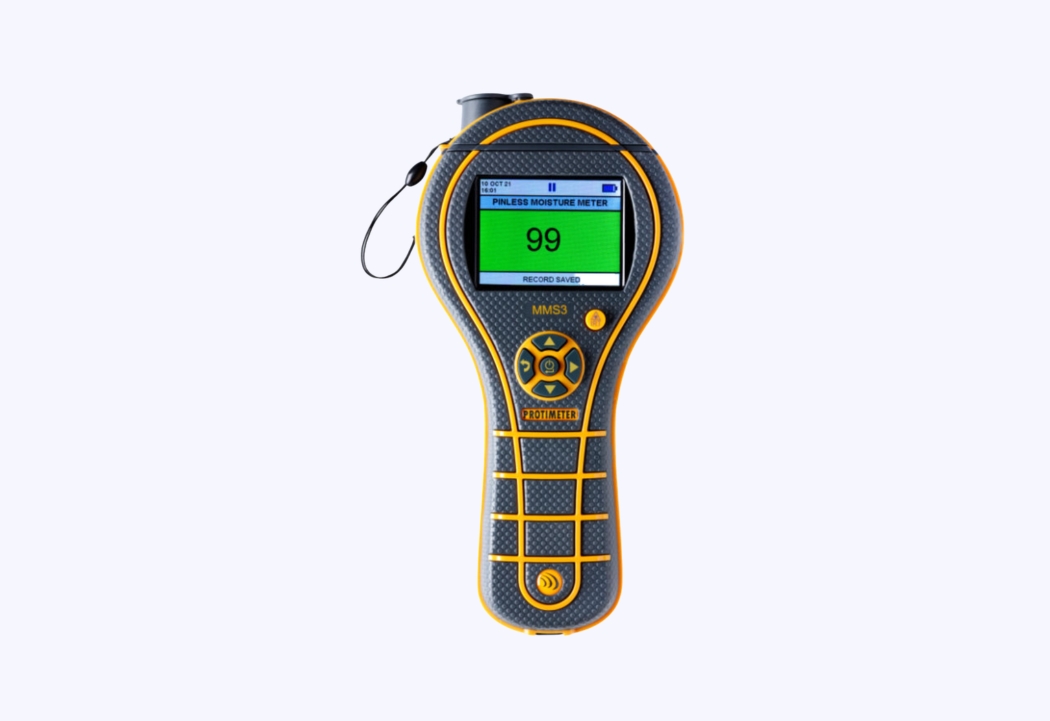
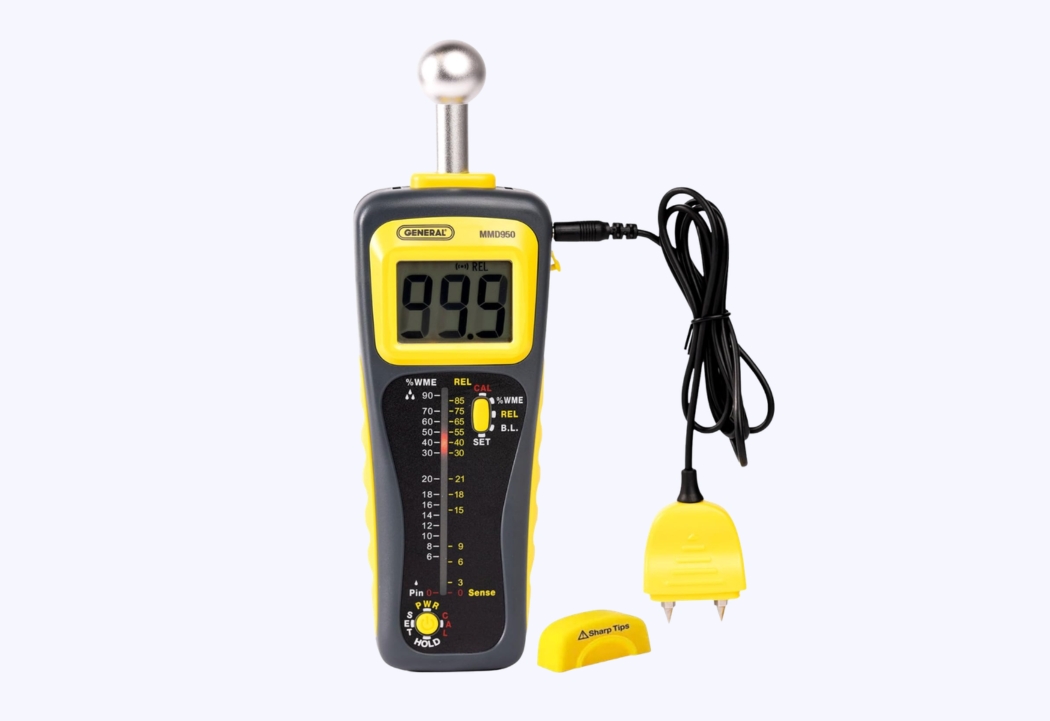
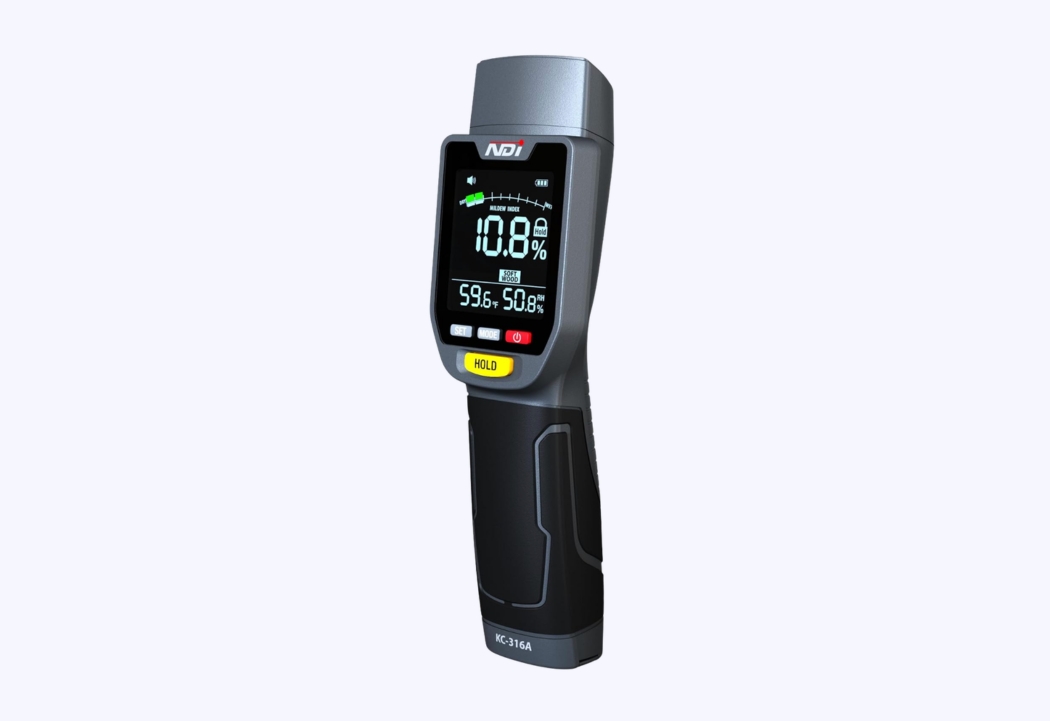
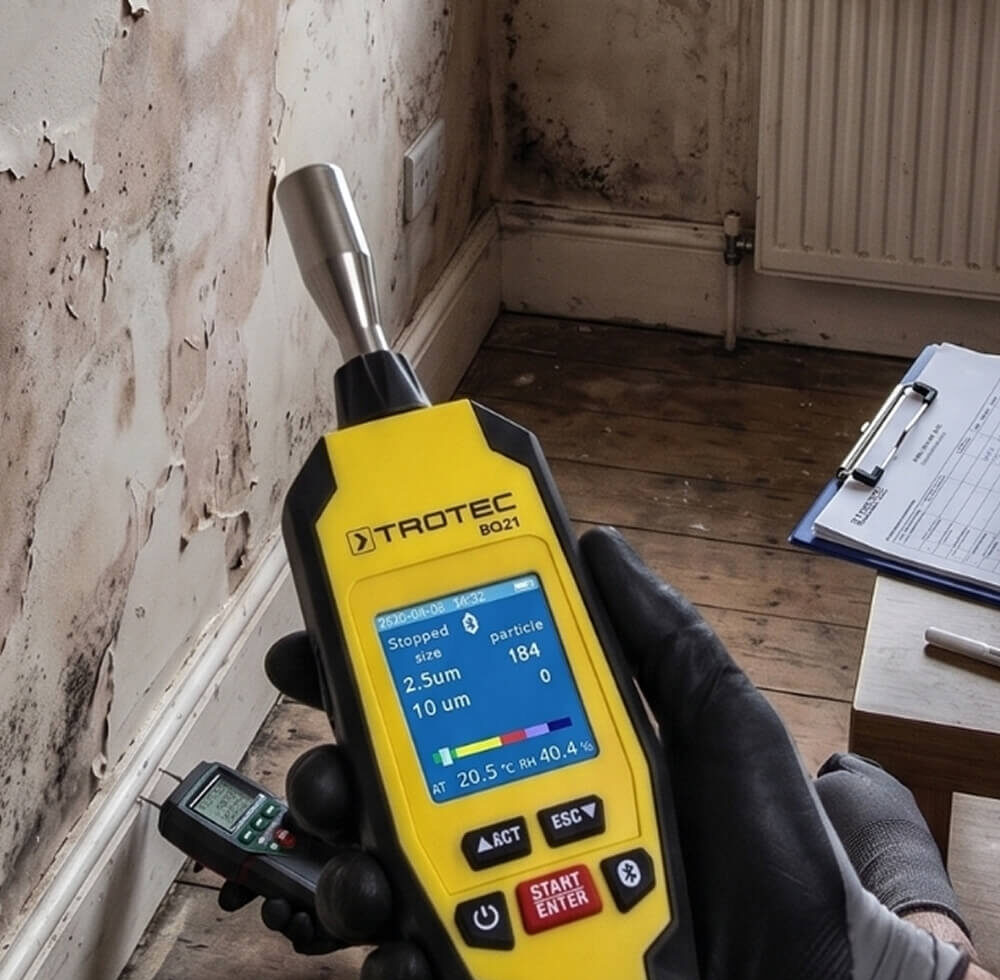
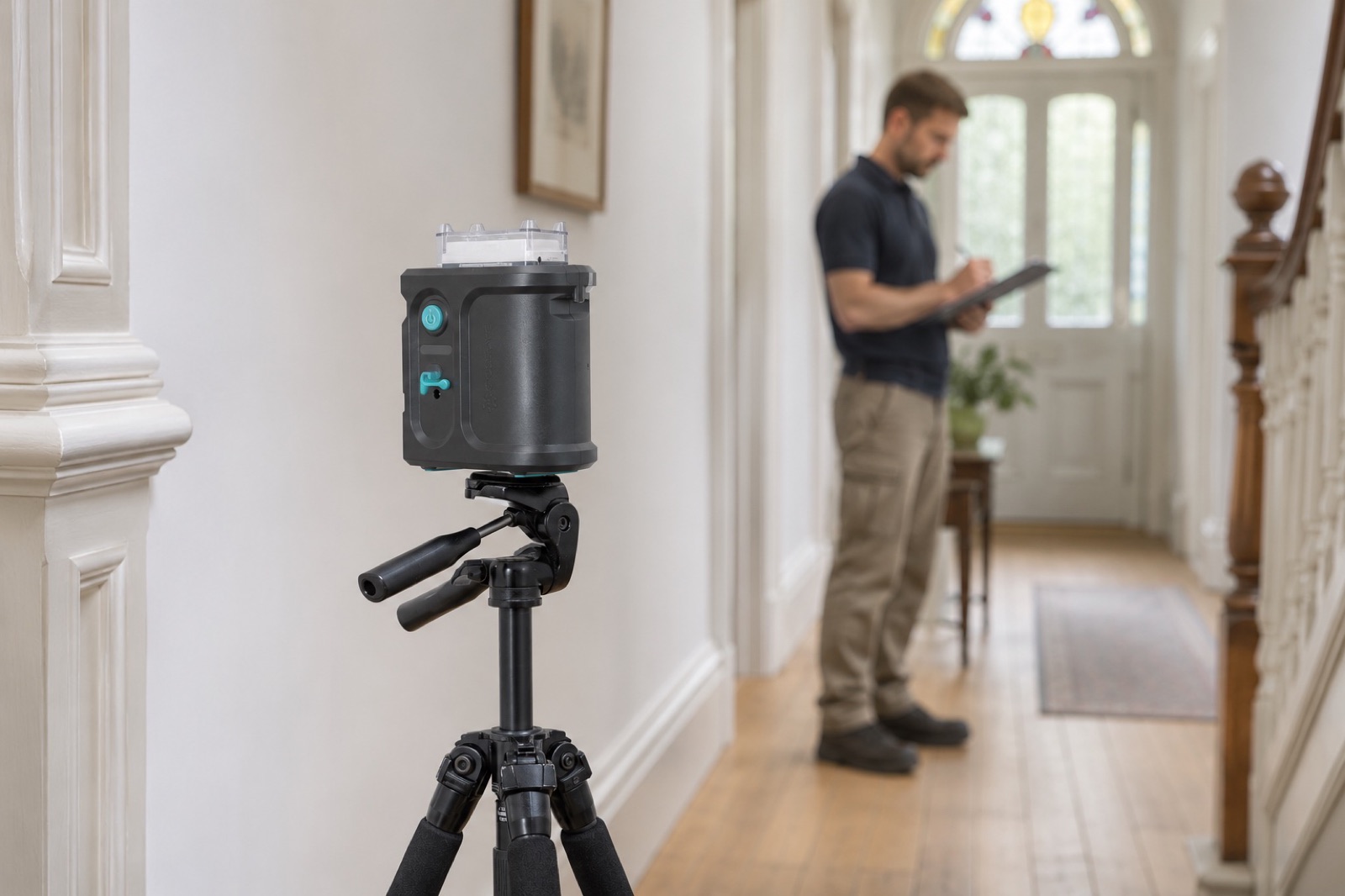
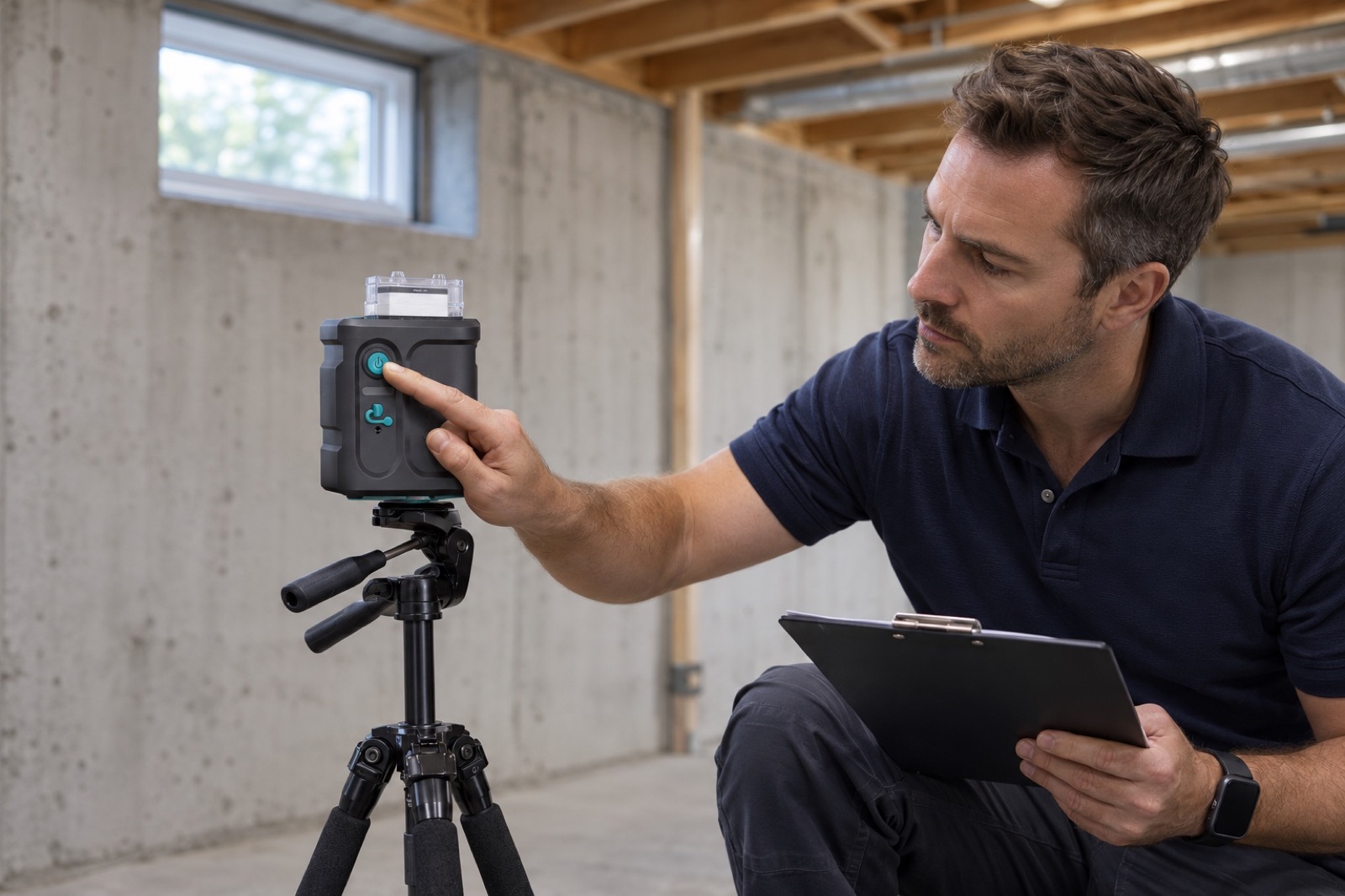
The Level 3 investigation involved testing wall moisture gradients, measuring atmospheric humidity, checking adjoining bathroom fixtures and assessing structural integrity.
Key diagnostic evidence gathered during the survey included:
- Atmospheric testing recorded internal relative humidity at 54.5%.
- Moisture testing showed high readings limited to the bottom portion of the living room wall, proving the moisture was entering at low level rather than tracking down from ceiling height.
- Examination of the adjacent bathroom wall revealed multiple areas of failed silicone sealant surrounding the bath, permitting shower water to track behind the bath and onto the floor slab.
- Water on the floor was absorbed by the plasterboard wall base, wicking upward and causing wallpaper failure and mould growth.
- Bathroom ceiling and wall stains were tested and confirmed dry, representing an inactive historic leak from above.
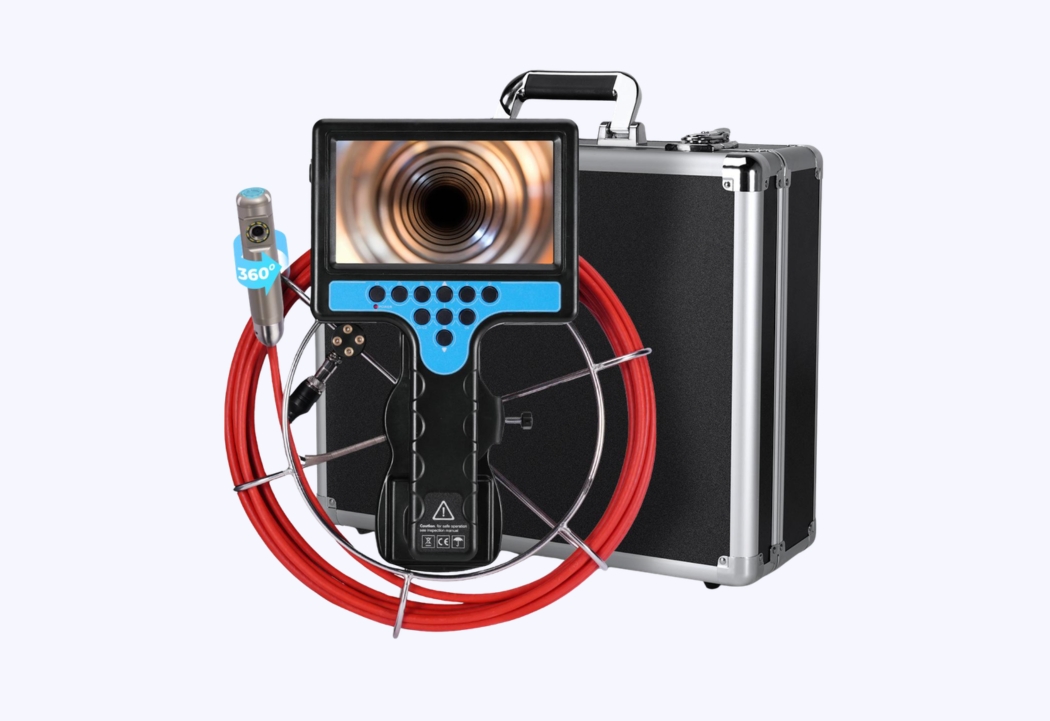
All visible plumbing, drainage systems, floor structures and structural components were verified in good working order, with no dry rot or woodworm present. Silicone sealant around the shower in the second bedroom area was noted as starting to fail and was marked for preventative maintenance.
The Solution
The report detailed a clear, practical remedial blueprint:
- Remove the affected plasterboard on the living room wall to clear mould and trapped moisture.
- Allow the underlying wall masonry and floor slab to dry out fully.
- Install replacement plasterboard, apply skim plaster and redecorate.
- Remove old silicone sealant around the bath and apply fresh, watertight sealant before using the shower again.
- Replace the shower silicone sealant in the second bedroom area as a preventative measure.
- Monitor historic ceiling stains in the bathroom, redecorating once dry stability is maintained.
- Ensure consistent home ventilation to keep relative humidity within a healthy range.
The Outcome
The homeowner received definitive proof that the apartment was structurally healthy and free from pipe leaks. By opting for an independent survey, they avoided high quotes for unnecessary chemical damp proofing, directing their budget strictly toward replacing damaged plasterboard and updating bath seals.
Why This Case Matters
Low-level moisture patterns require careful analysis to differentiate between ground-level water entry, plumbing leaks and sealant failures. Independent diagnostic surveys focus on identifying the exact physical route of water, saving property owners from misdiagnosed, costly building interventions.
Why is 54.5% air humidity relevant to this case?
While 54.5% relative humidity is only slightly elevated, higher air humidity accelerates black mould growth on surfaces that are already damp from localised water leaks.
How was it proven that the leak was not from the flat above?
Leaks from above show moisture tracking from ceiling level downward. In this case, elevated moisture readings were restricted to the base of the wall near the floor.
Is the bath leak considered a plumbing or drainage defect?
No. The plumbing pipework and drainage are fully functional; the water escape was caused solely by physical failure of the surface silicone sealant around the bath edges.
Get an accurate, independent assessment before spending on property repairs.