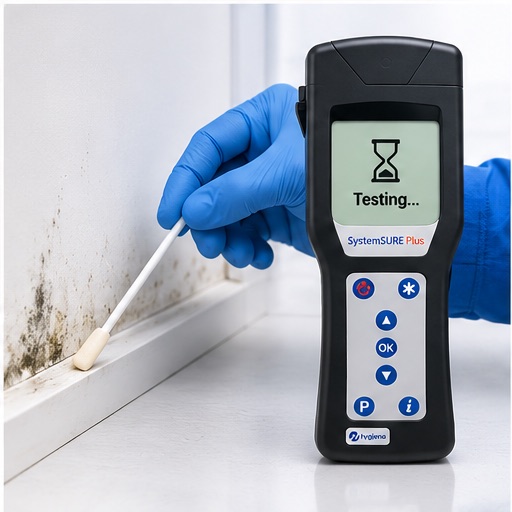
An independent Level 3 damp survey was carried out on a ground-floor flat in Streatham (SW16). The property owner requested the survey to investigate living room wall dampness and assess overall structural health. The comprehensive check delivered an impartial, expert appraisal of the property’s overall condition.
About the Issue
Concerns arose after the homeowner identified localised wall dampness positioned behind the couch in the living room. They feared that rising dampness was spreading across all ground-contact walls or that internal plumbing was leaking inside wall cavities.
The Challenge
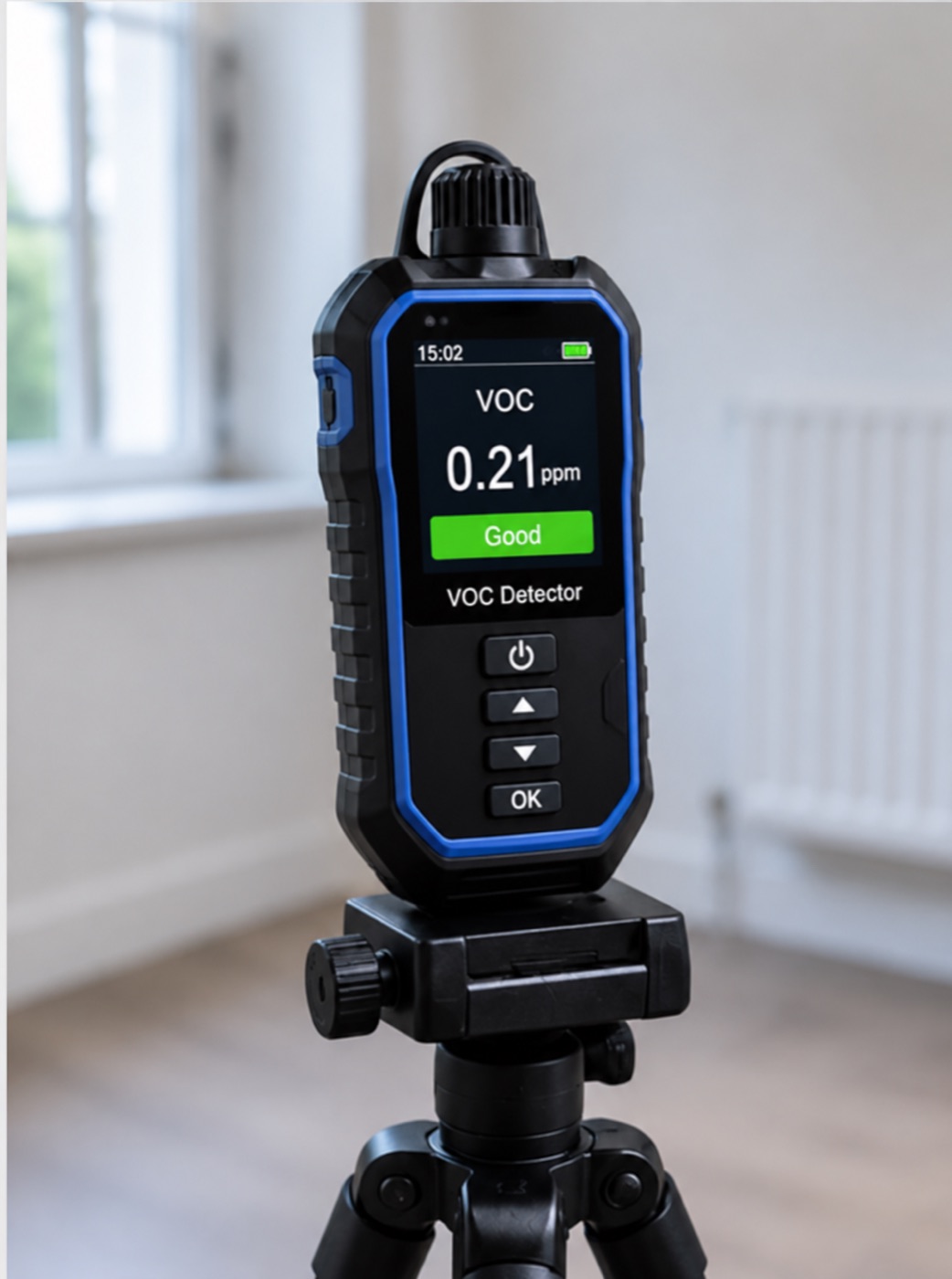
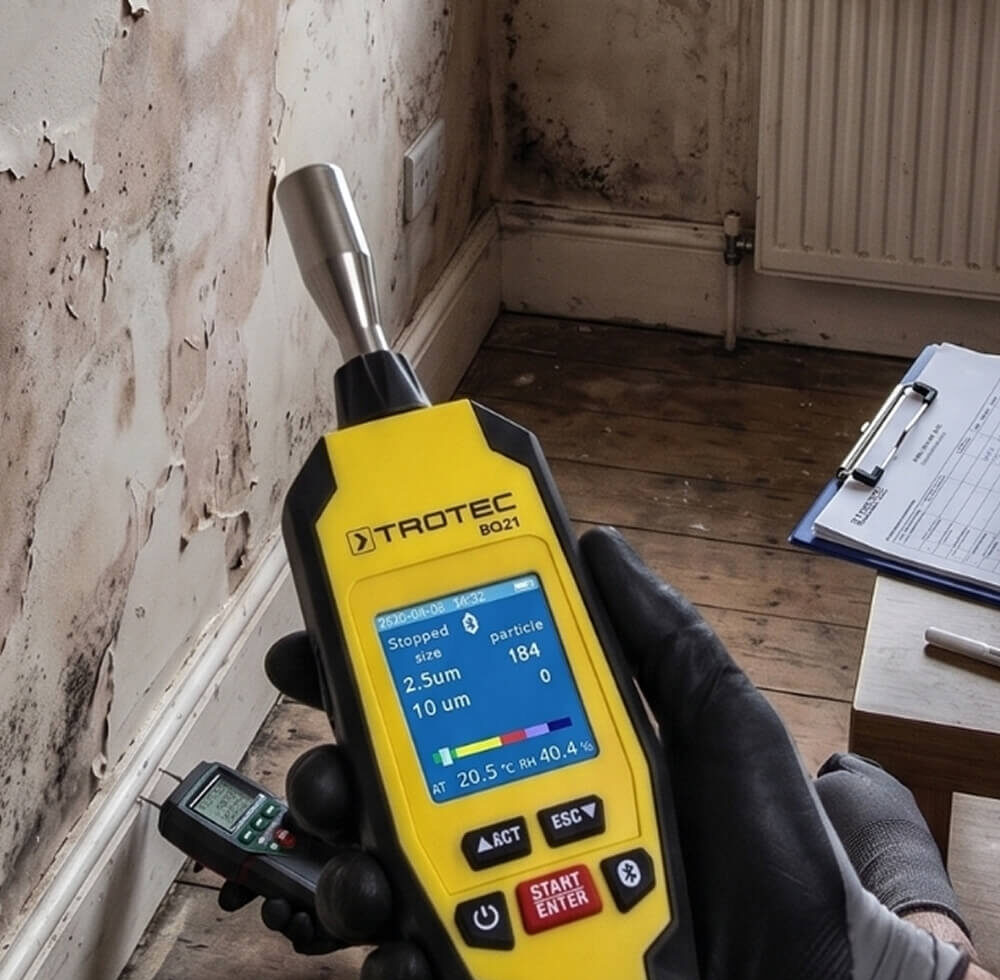
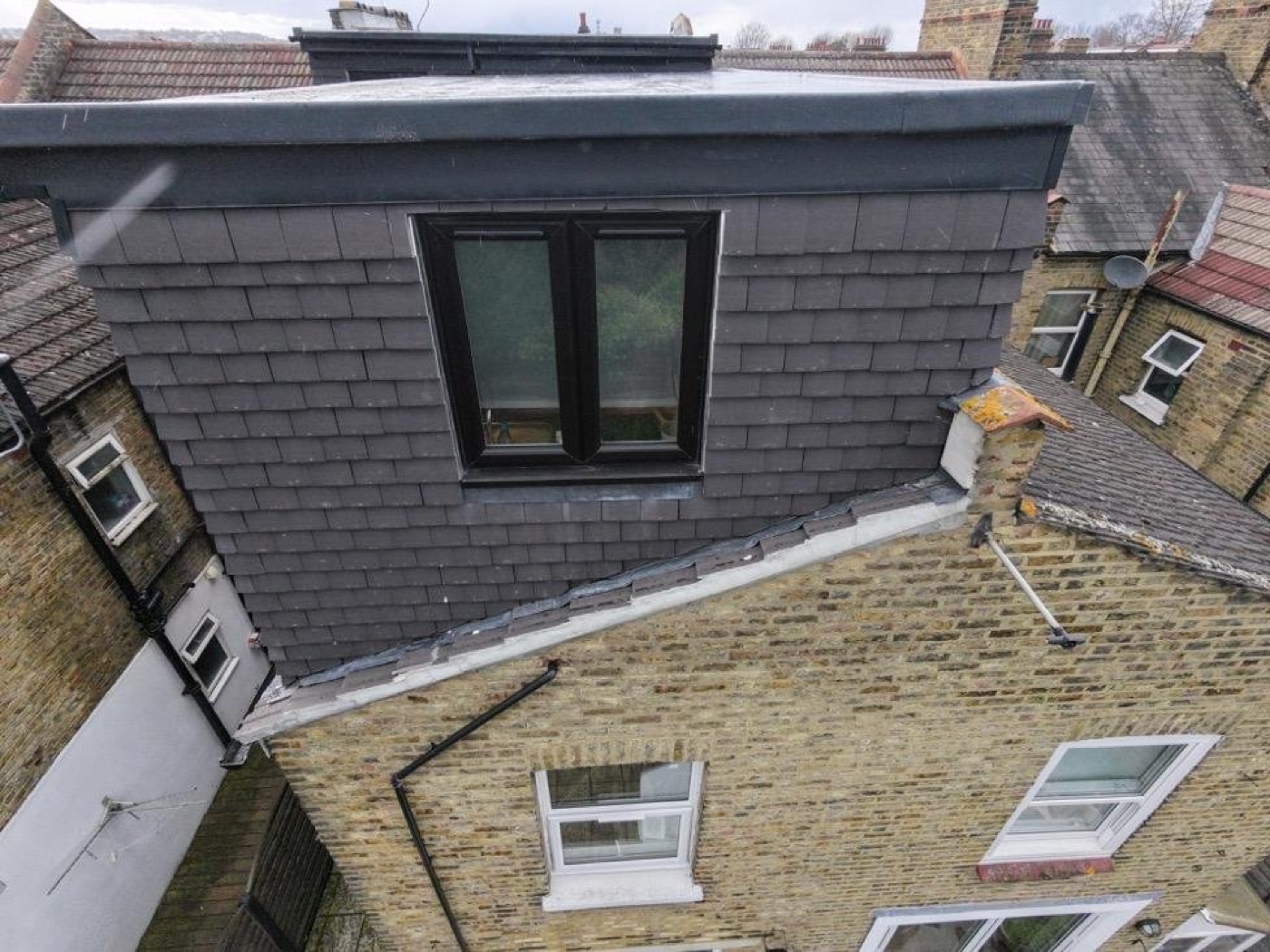
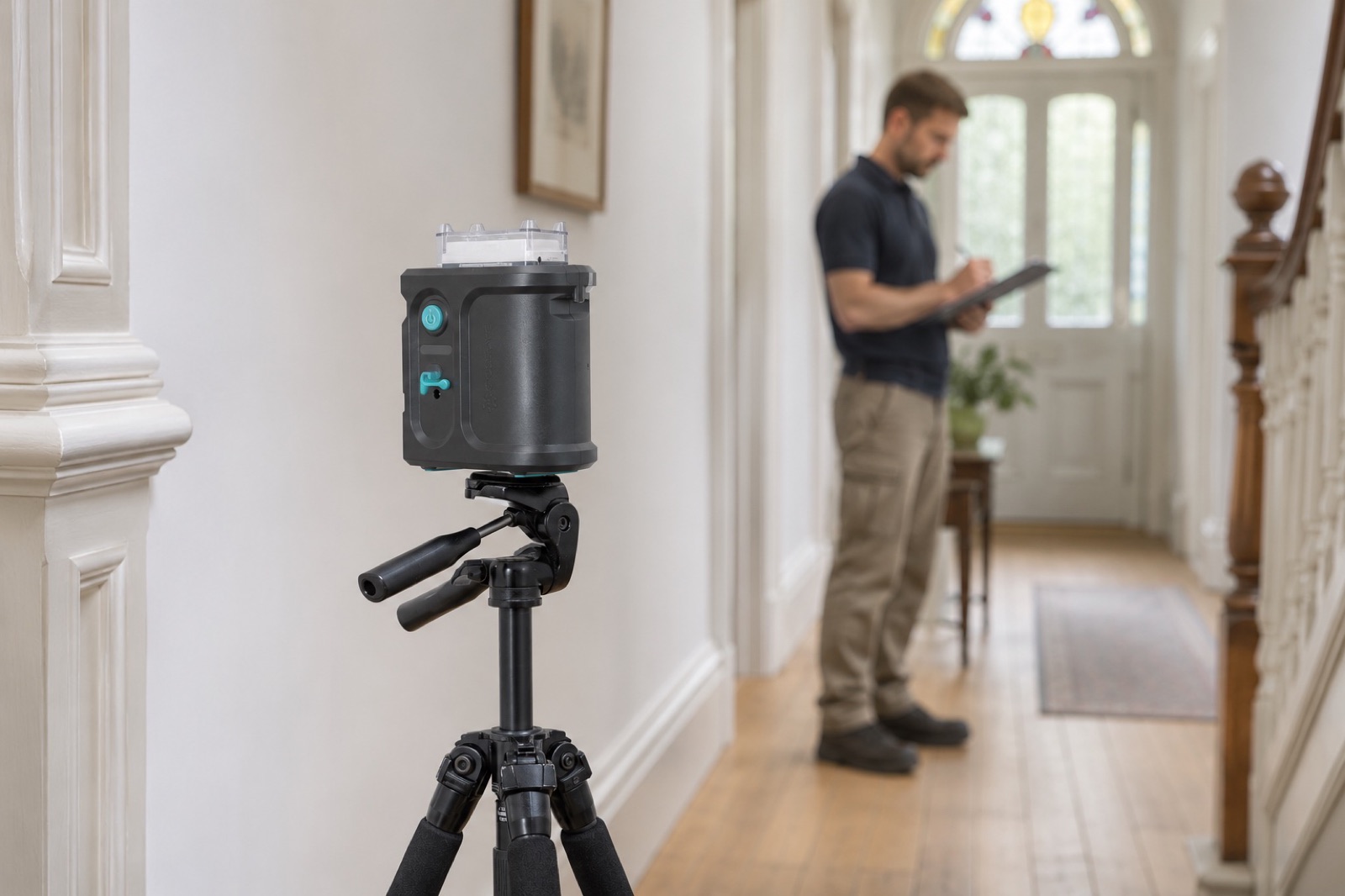
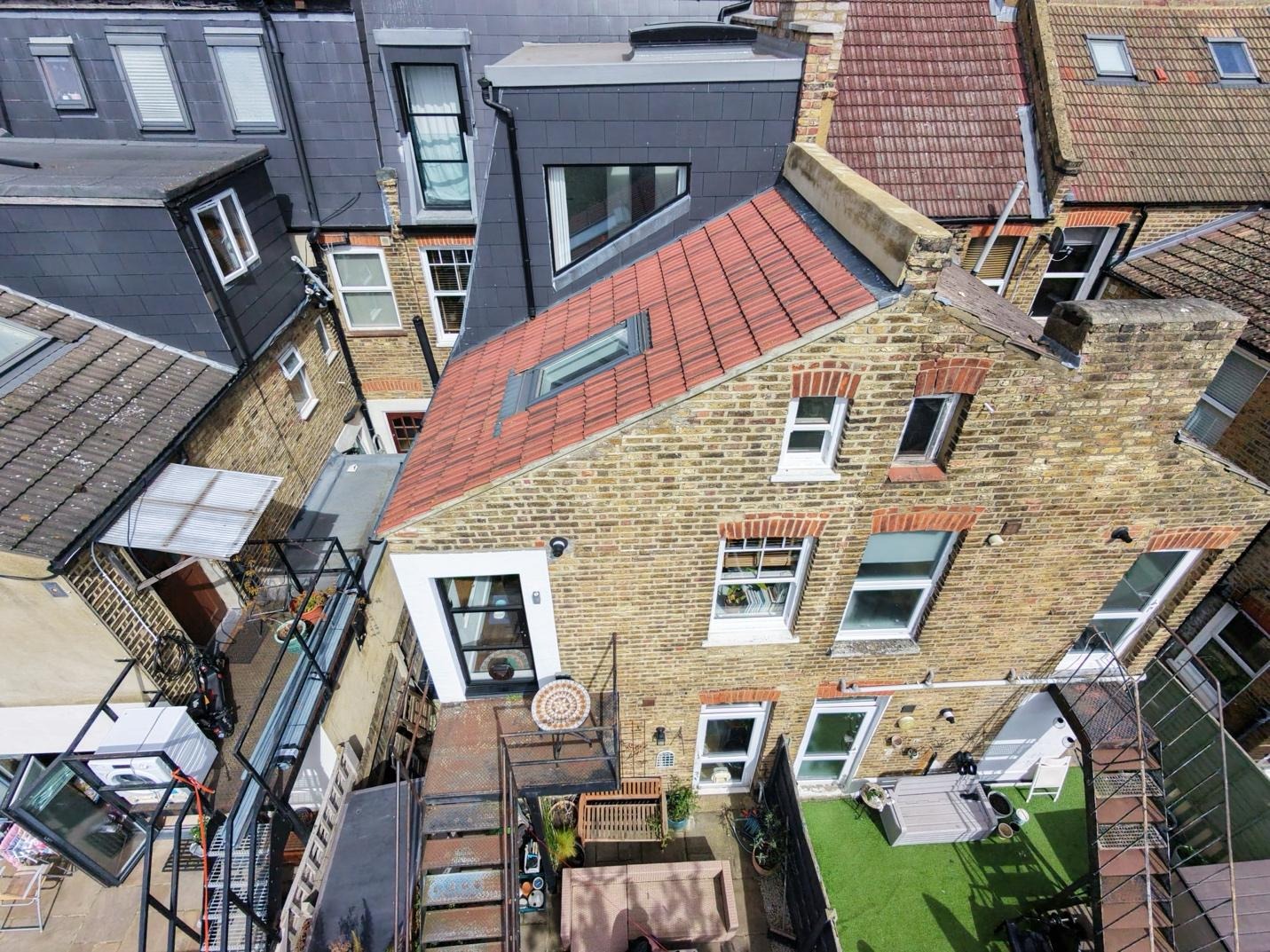
The inspection involved testing internal walls across all rooms, measuring room microclimates, assessing structural joinery, checking ventilation equipment and inspecting high-level roof coverings via drone.
Key testing results and observations included:
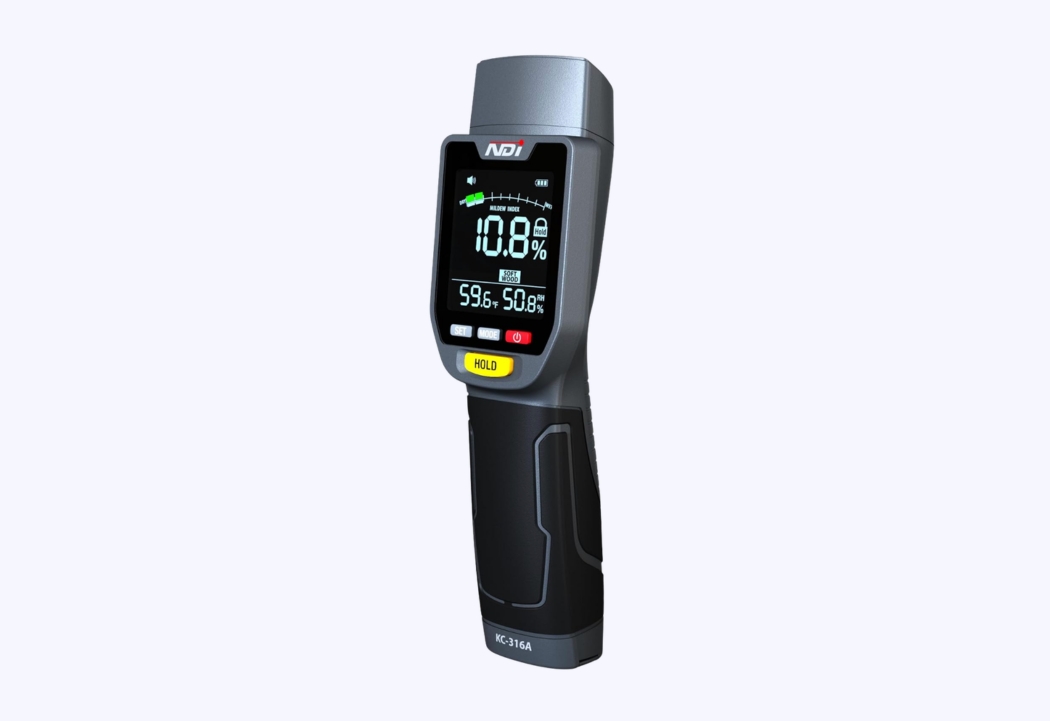
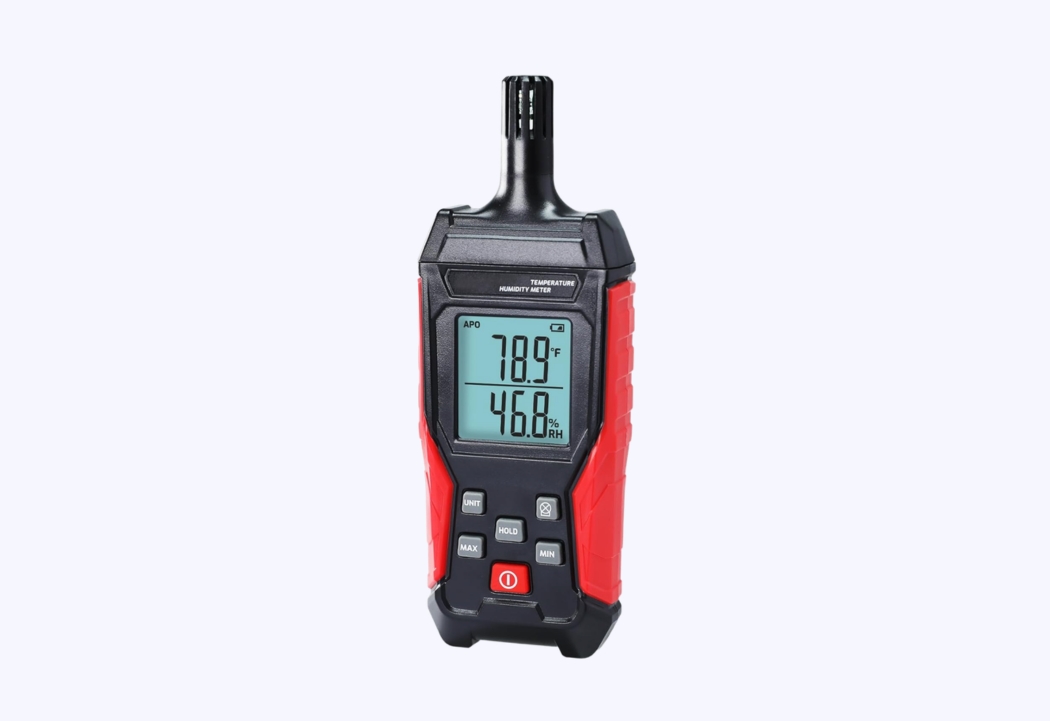
- Atmospheric testing recorded 54.8% relative humidity at an ambient temperature of 21.3°C, ruling out high humidity or condensation.
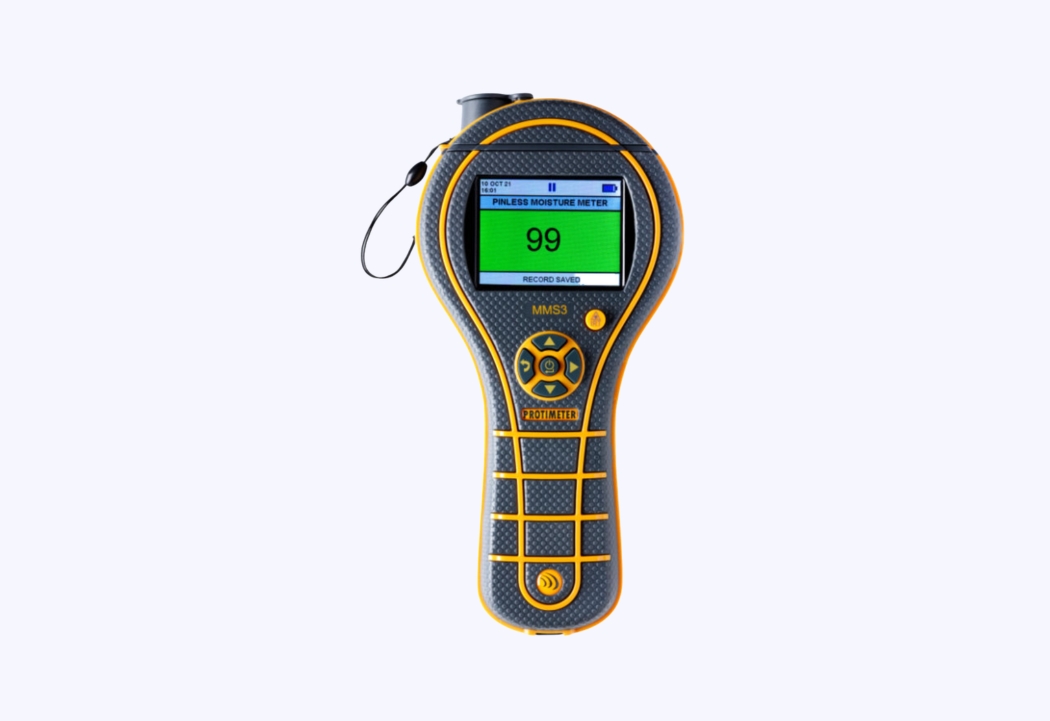
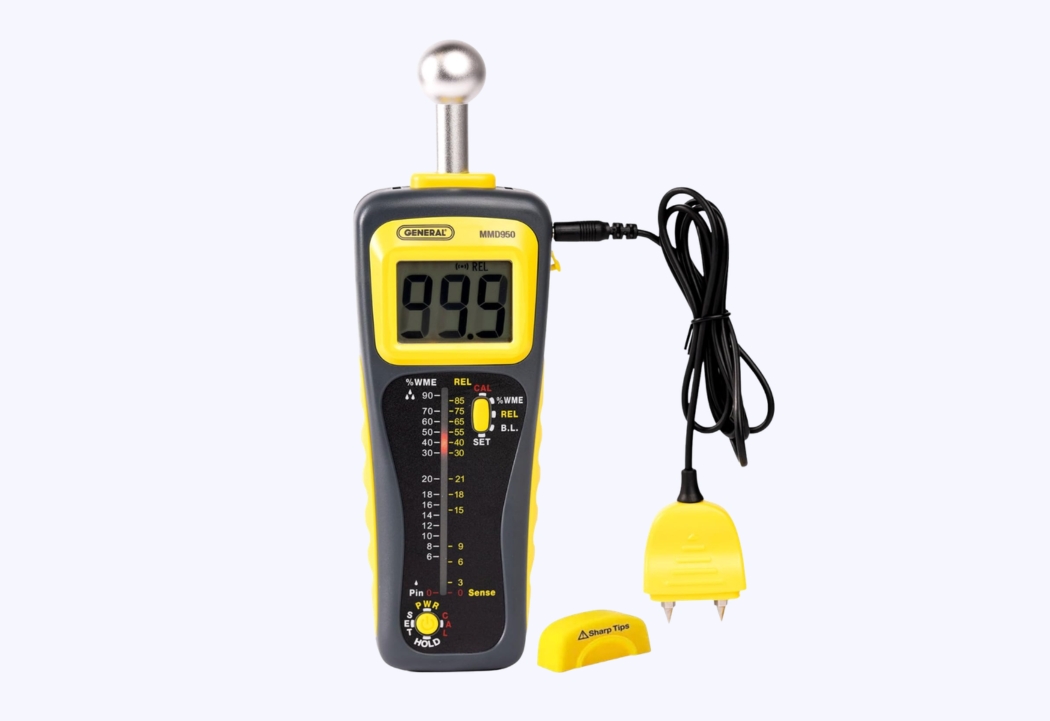
- Calibrated moisture meters confirmed elevated dampness was isolated strictly to one wall section behind the living room couch.
- All other internal walls, floors and ceilings throughout the flat returned normal, dry moisture readings.
- Drone inspection of the roof coverings, tiles, flashings and chimney areas confirmed good working order with zero water ingress.
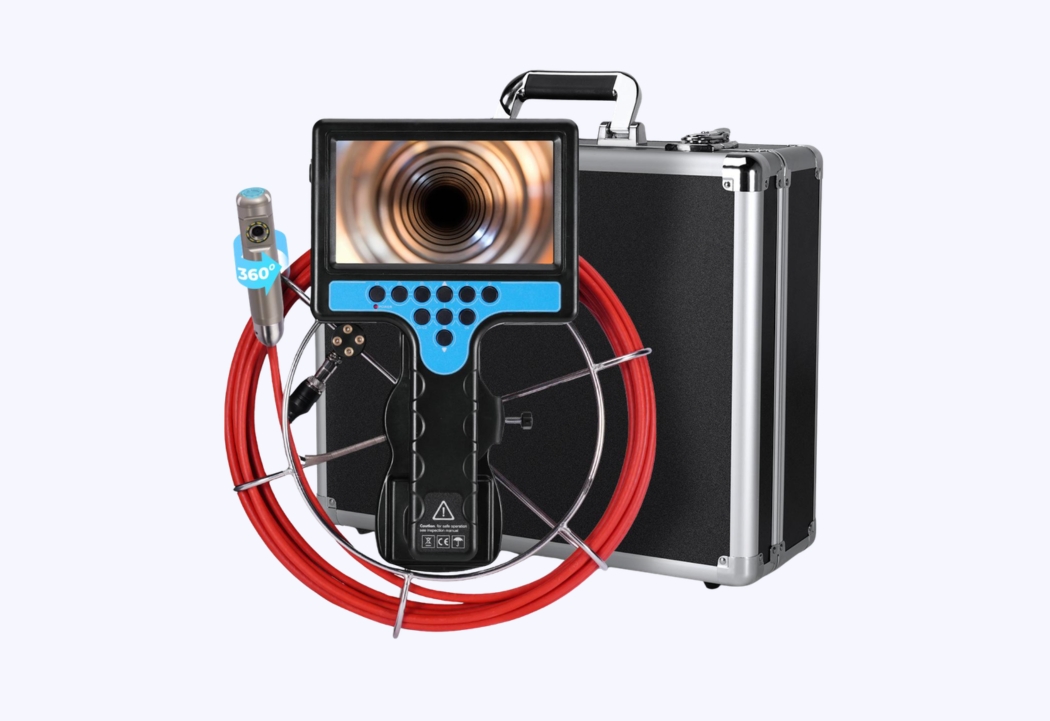
- Checks on visible plumbing, drainage, structural brickwork, extractor fan airflow and accessible timbers confirmed sound structural health with zero dry rot, wet rot, or woodworm.
The surveyor concluded that localised dampness on the single living room wall was the sole defect present within the flat.
The Solution
The report detailed a practical action plan to stop water ingress and restore the interior:
- Hack off contaminated plaster to a suitable height on the affected living room wall.
- Inject a chemical damp proof course (DPC) into the wall structure.
- Apply salt neutraliser to exposed brickwork to control hygroscopic salts.
- Coat surfaces with waterproof tanking slurry followed by a waterproof render system.
- Apply a smooth plaster skim finish, ready for redecoration once cured.
- Maintain a small gap between furniture and external walls to maintain healthy air movement.
The Outcome
The homeowner received definitive proof that their property was structurally healthy and free from timber rot or plumbing leaks. Choosing an independent specialist survey saved them from unnecessary, expensive wall tanking across unaffected rooms, directing their budget strictly to verified living room repairs.
Why This Case Matters
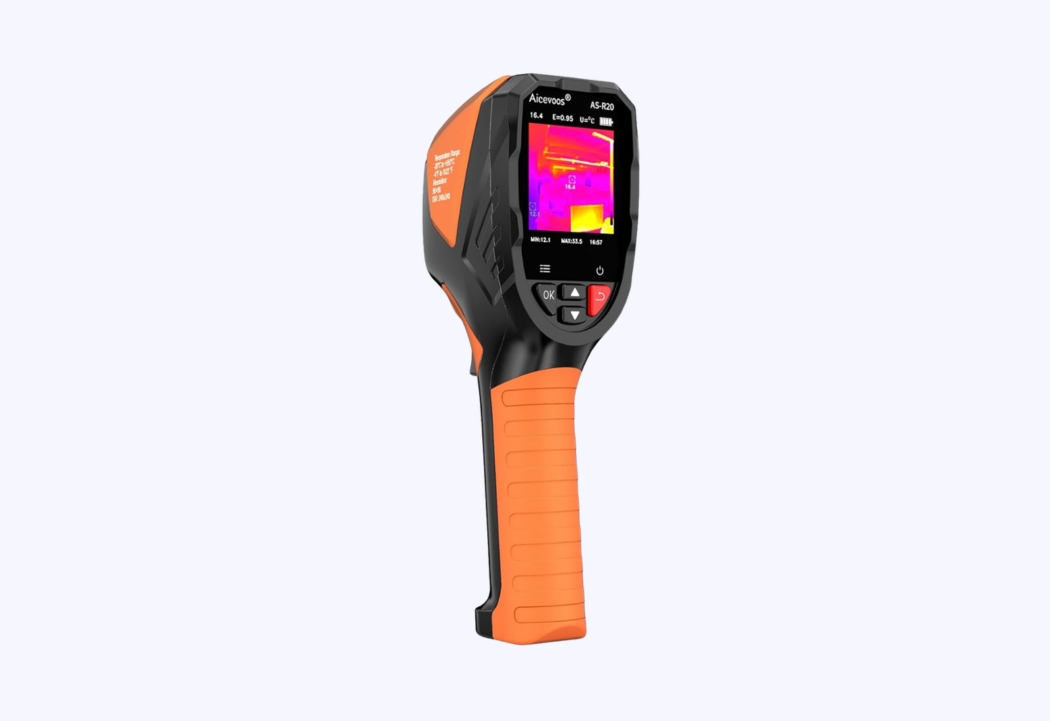
When damp appears behind a couch, property owners often fear widespread rising damp. Independent diagnostic surveys combine drone imagery, thermal checks and moisture profiling to isolate single-wall defects, ensuring root causes are rectified without unneeded whole-house building work.
Was any timber decay or woodworm found in the ground floor flat?
No. Thorough inspection of all accessible structural timber elements confirmed complete freedom from dry rot, wet rot and woodworm infestation.
What extractor fan test was conducted during the survey?
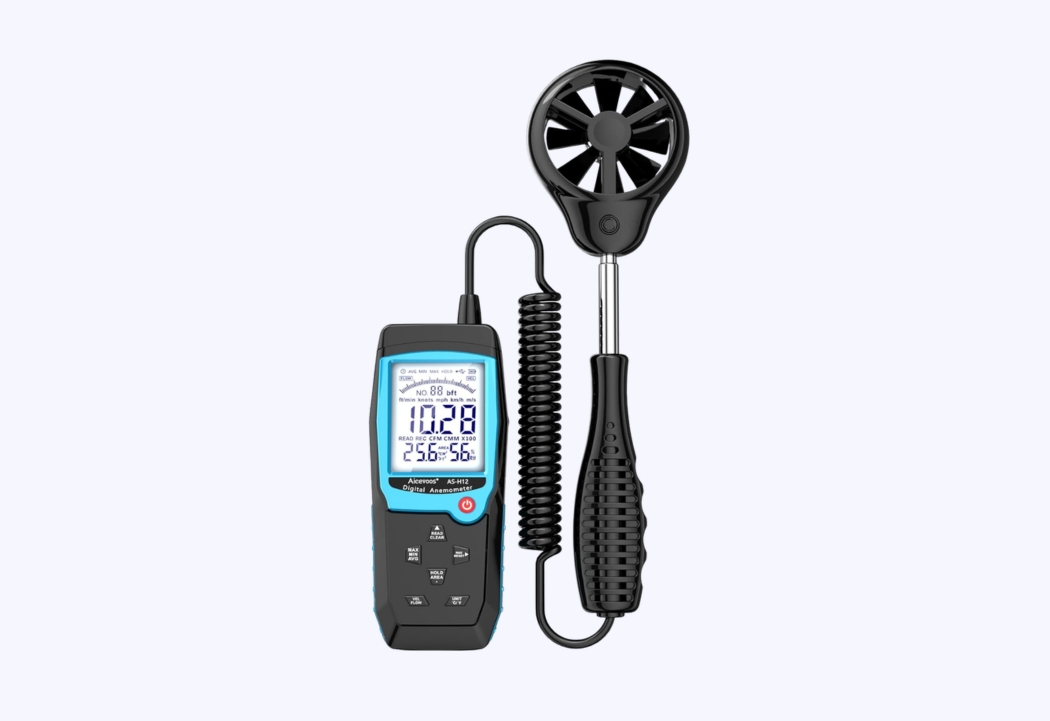
A ventilation flow test was conducted on the extractor fan, confirming it is operating correctly and extracting air at an appropriate rate.
Are any repairs required in the bedrooms, kitchen, or hallway?
No. All other walls, floors and ceilings throughout the flat were tested and returned normal dry moisture readings, requiring no remedial action.
Get an accurate, independent assessment before spending on property repairs.