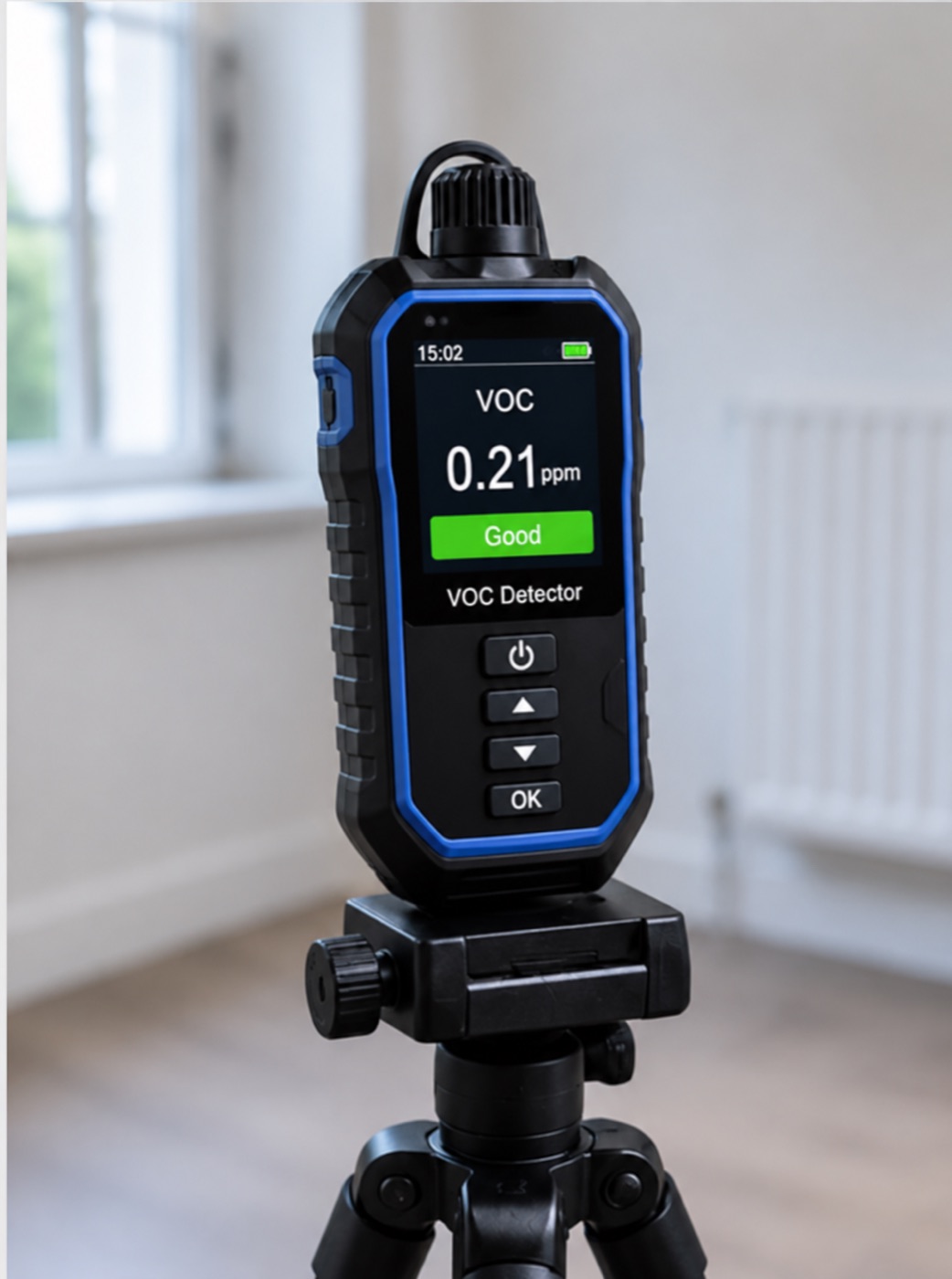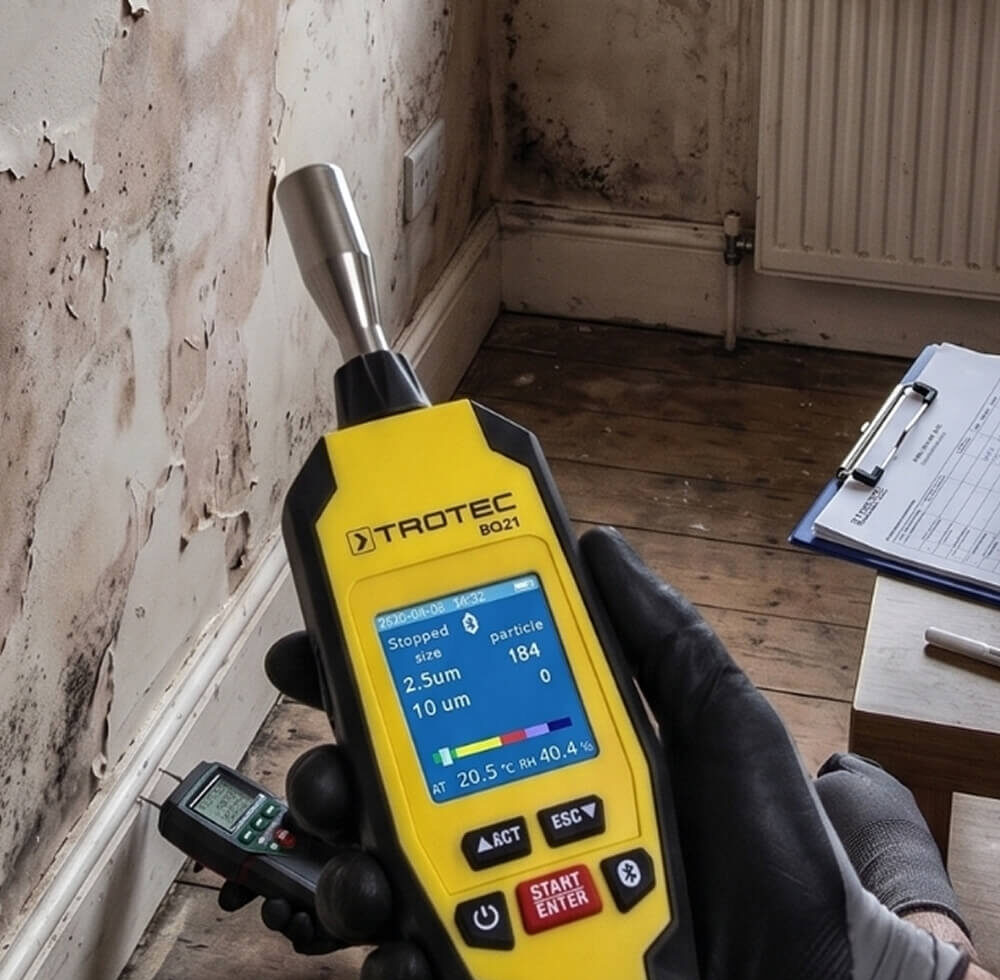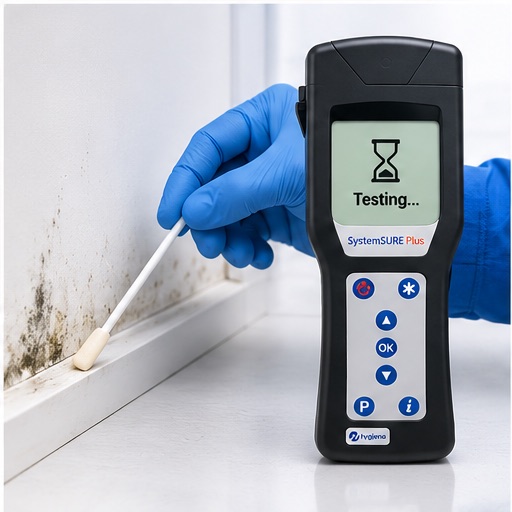
A Level 3 damp survey was commissioned for a residential property in West Kensington (W14) to determine the cause of elevated moisture readings and ceiling staining. The property owner instructed an independent investigation to secure an authoritative, evidence-based report. The assessment covered all ground-floor living areas, entrance steps and roof surfaces.
About the Issue
Concerns arose after the property owner spotted damp patches around the living room double doors, entrance ceiling and bedroom bay window. With the small bedroom intended for use as a nursery for a newborn baby, elevated humidity and cold wall surfaces required an immediate expert opinion.
The Challenge
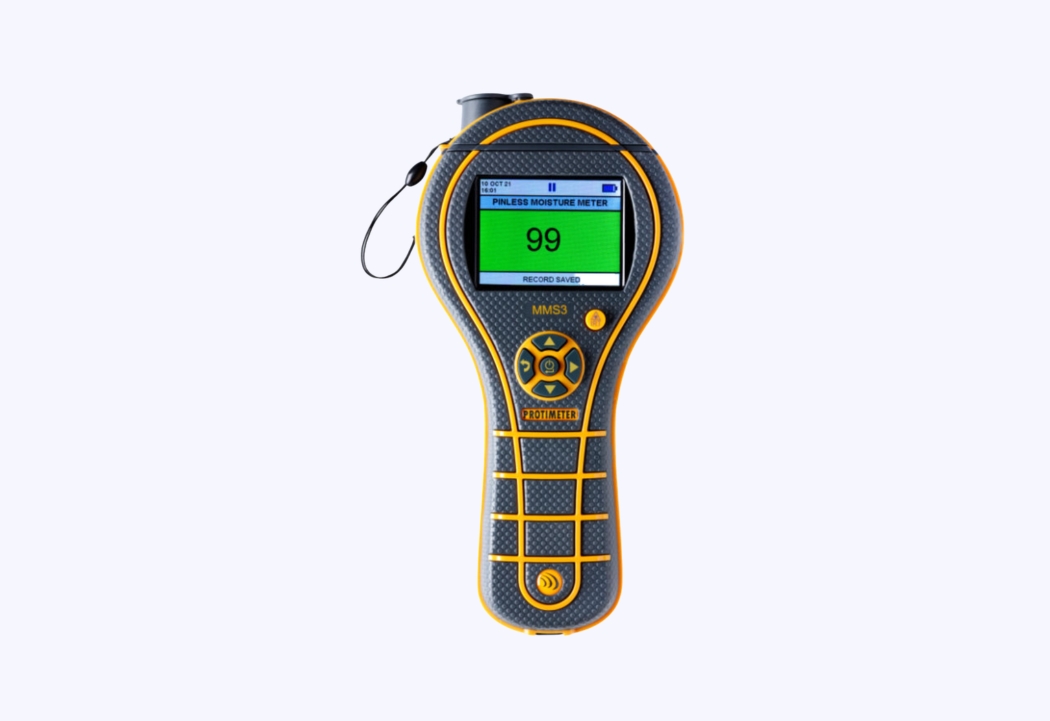
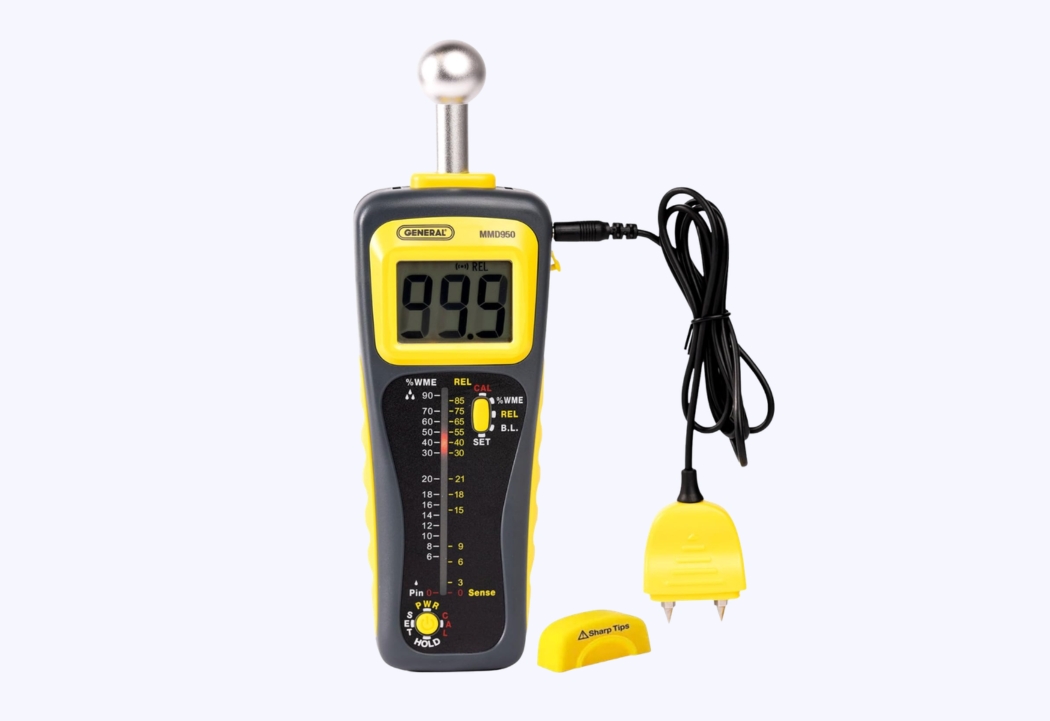
The diagnostic inspection took place on Thursday the 5th at 11:00 a.m., examining internal wall bases, floor slabs, environmental humidity and roof drainage details.
The investigation produced clear factual evidence:
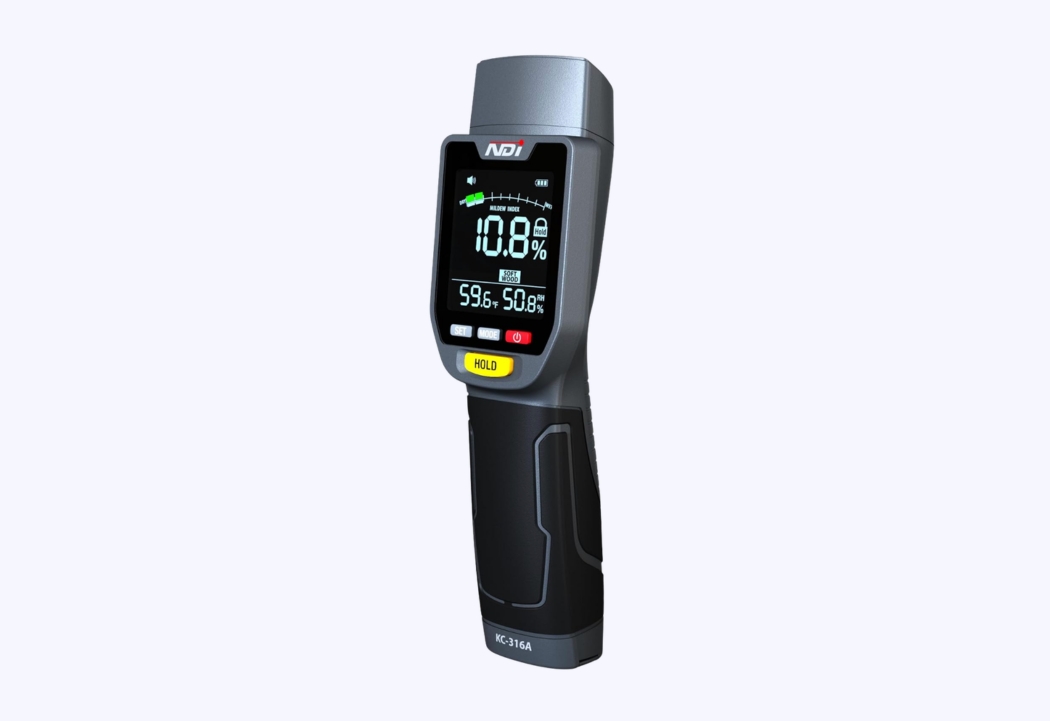
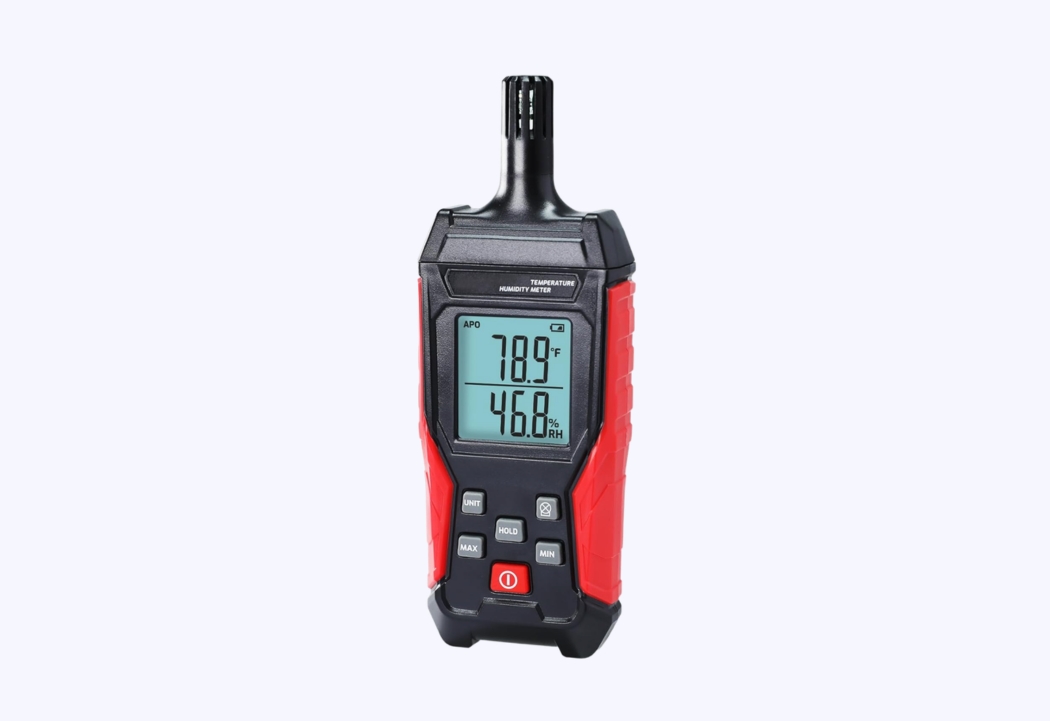
- Internal humidity testing inside the nursery cupboard measured 69.3%, indicating a high risk of mould that worsens when unventilated.
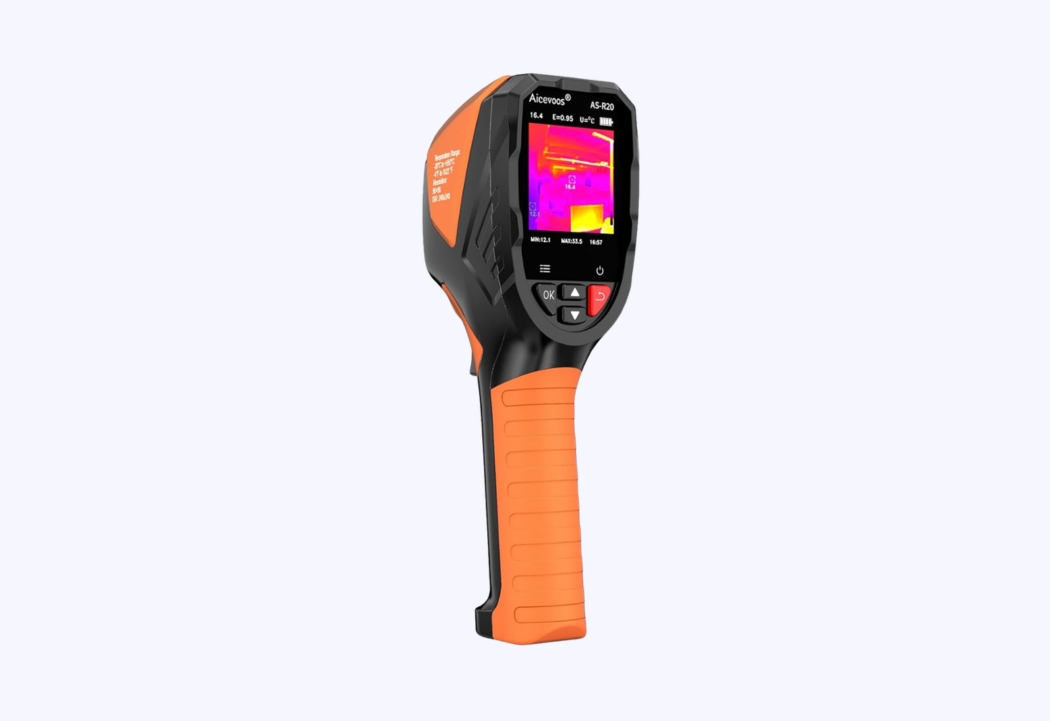
- Solid external walls in the nursery exhibited rising damp, floor moisture was slightly elevated and ceiling cold spots indicated heat loss due to inadequate insulation above.
- Wall base readings on the left-hand side and right-hand side of the living room double doors and within the bedroom bay window confirmed rising damp conditions.
- Penetrating damp on the entrance ceiling was linked directly to water penetrating from the external front entrance steps above.
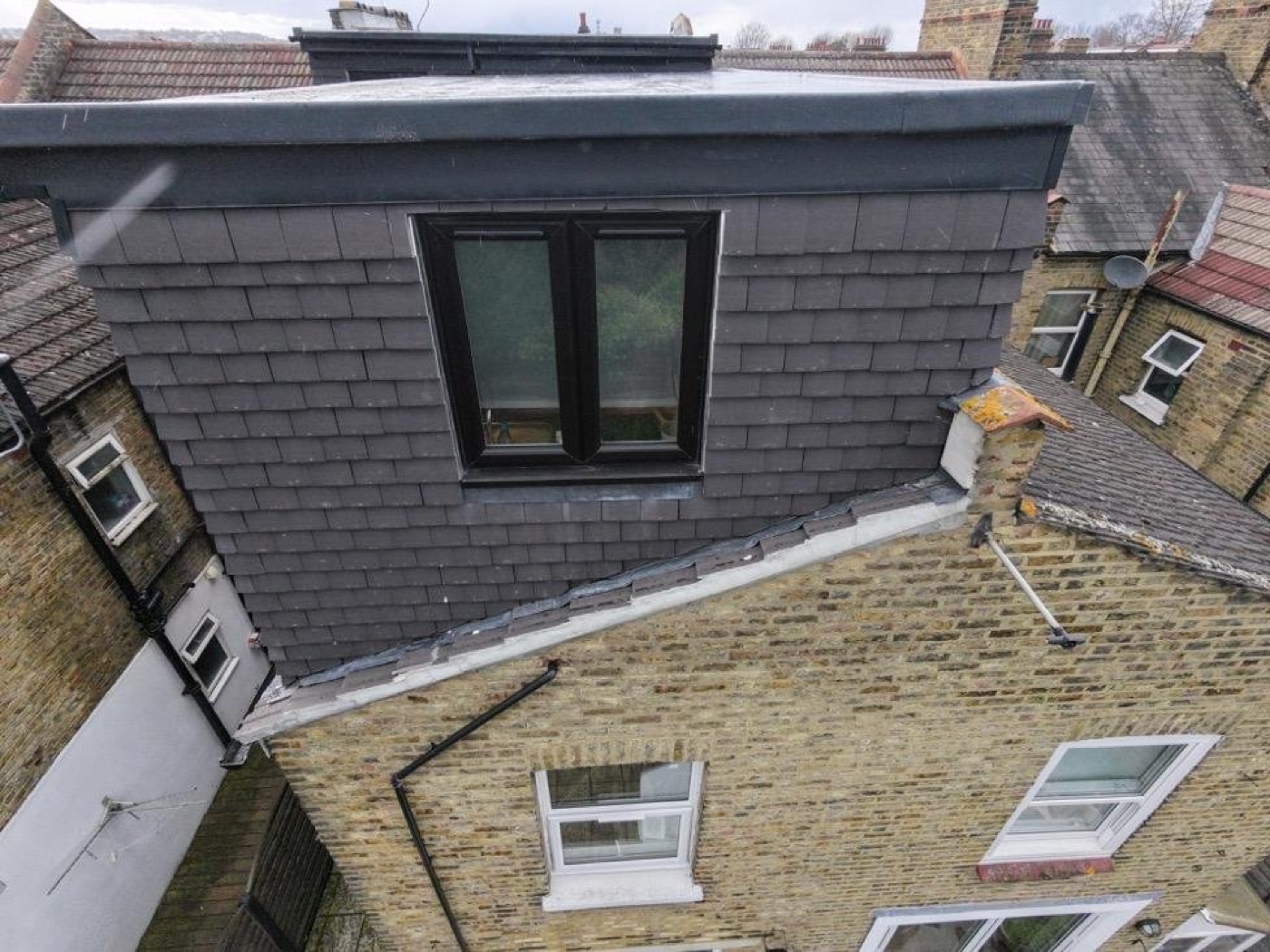
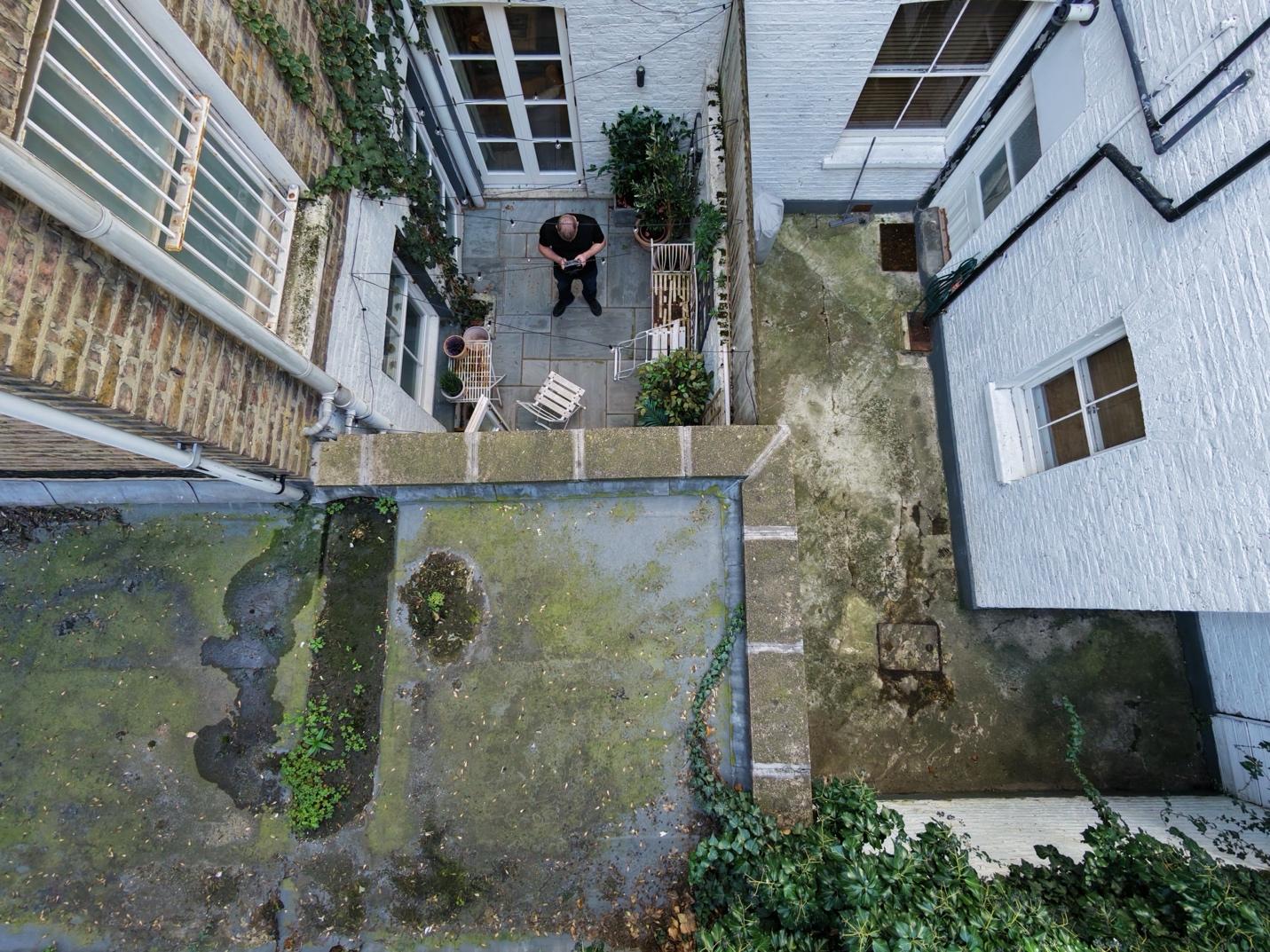
- Drone inspection of the small flat roof at the rear revealed significant moss growth, lifting lead flashing and a downpipe discharging directly onto the flat roof.
The Solution
The report detailed practical preventative and remedial measures:
- Remove excess stored items from nursery cupboards to improve ventilation and protect cupboard surfaces from mould.
- Install a damp proof membrane across the small bedroom floor slab and damp proof the small wall to the left-hand side of the doorway and the short wall between the two doors.
- Fit thermal insulated plasterboard to the solid external wall and add thermal insulation above the ceiling.
- Engage a qualified roofer to treat the flat roof for moss, repair lead flashing and redirect the downpipe directly into a ground-level drainage system.
The Outcome
The independent survey provided the property owner with total confidence. By distinguishing between roof drainage faults, thermal bridging and isolated rising damp, the report saved the owner from unnecessary building works while securing a safe nursery space.
Why This Case Matters
Unbiased damp diagnostics look beyond surface symptoms to identify root causes. Combining drone roof checks with microclimate testing ensures building owners solve real defects—such as downpipe runoff and uninsulated ceilings—rather than relying on temporary surface treatments.
What moisture level was recorded in the nursery cupboard?
Humidity inside the cupboard was recorded at 69.3%, which is very high and creates an environment highly susceptible to condensation and mould.
How does the external entrance step affect the entrance ceiling?
Rainwater tracks through the structure from the external front entrance steps directly above, causing penetrating damp on the entrance ceiling below.
Why is a damp proof membrane recommended for the small bedroom floor?
Slightly elevated moisture readings at floor level prompted the recommendation to install a damp proof membrane as a precautionary measure to protect the floor slab.
Get expert, unbiased advice on your home’s damp condition today.