BASEMENT DAMP


EXPERT BASEMENT DAMP SURVEYS
London Damp Specialist offer expert damp surveys in and around London.
The basements of London homes come in all shapes and sizes, depending on the residence’s location and intended purpose. Here are some of the common base types:
- A lookout basement is built on level ground, with the basement walls extending above the ground level and windows at grade.
- A daylight basement is built on a sloping lot, where part of the floor is above ground with an exterior door. The space below ground level that’s attached with ventilated windows to prevent dampness is considered the true basement.
- A walk-up basement prevents rainwater from seeping in by having an exterior entrance with doors at the bottom of the stairs.
- An underground crawl space is a dark and cramped area where you can only move by crawling. They’re often used to store things or keep rats away from homes.
- A fully underground cellar is a room below the ground level of a house that is used to store wine or other household items. It must remain at a constant cool temperature with small forms of ventilation.
CHOOSING A BASEMENT / CELLAR TANKING SYSTEM?
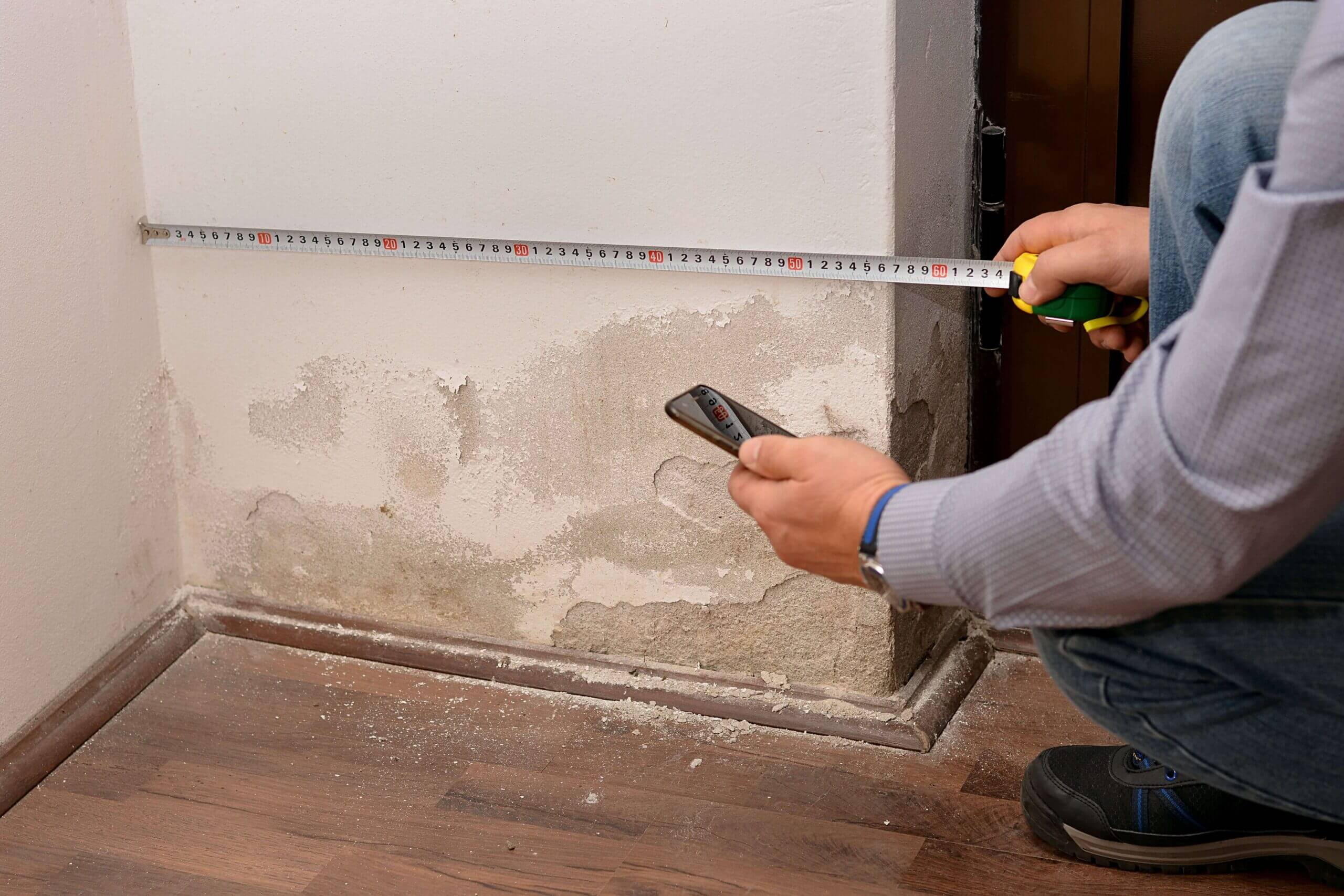
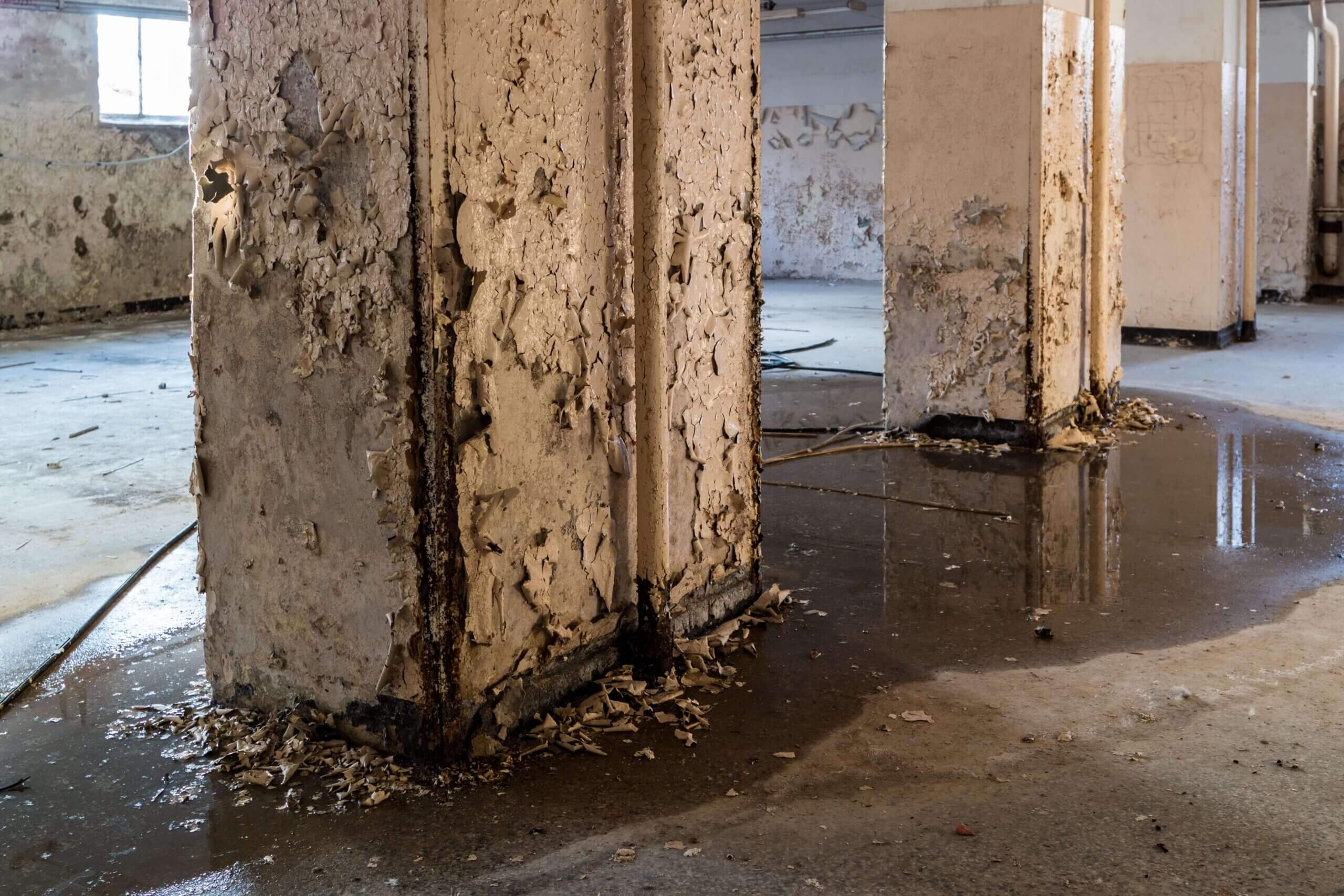
The first step for any cellar tanking or basement waterproofing system is to remove all damaged plasterwork and masonry, effectively stripping your basement back to its original state. Once the foundation layer is exposed, it can then be cleaned and prepared for the next stage of the process.
London Damp Specialist recommends two options for cellar/basement waterproofing systems, either a tanking and rendering system or a cavity drainage sump and pump system.
CAVITY DRAINAGE ‘SUMP AND PUMP’
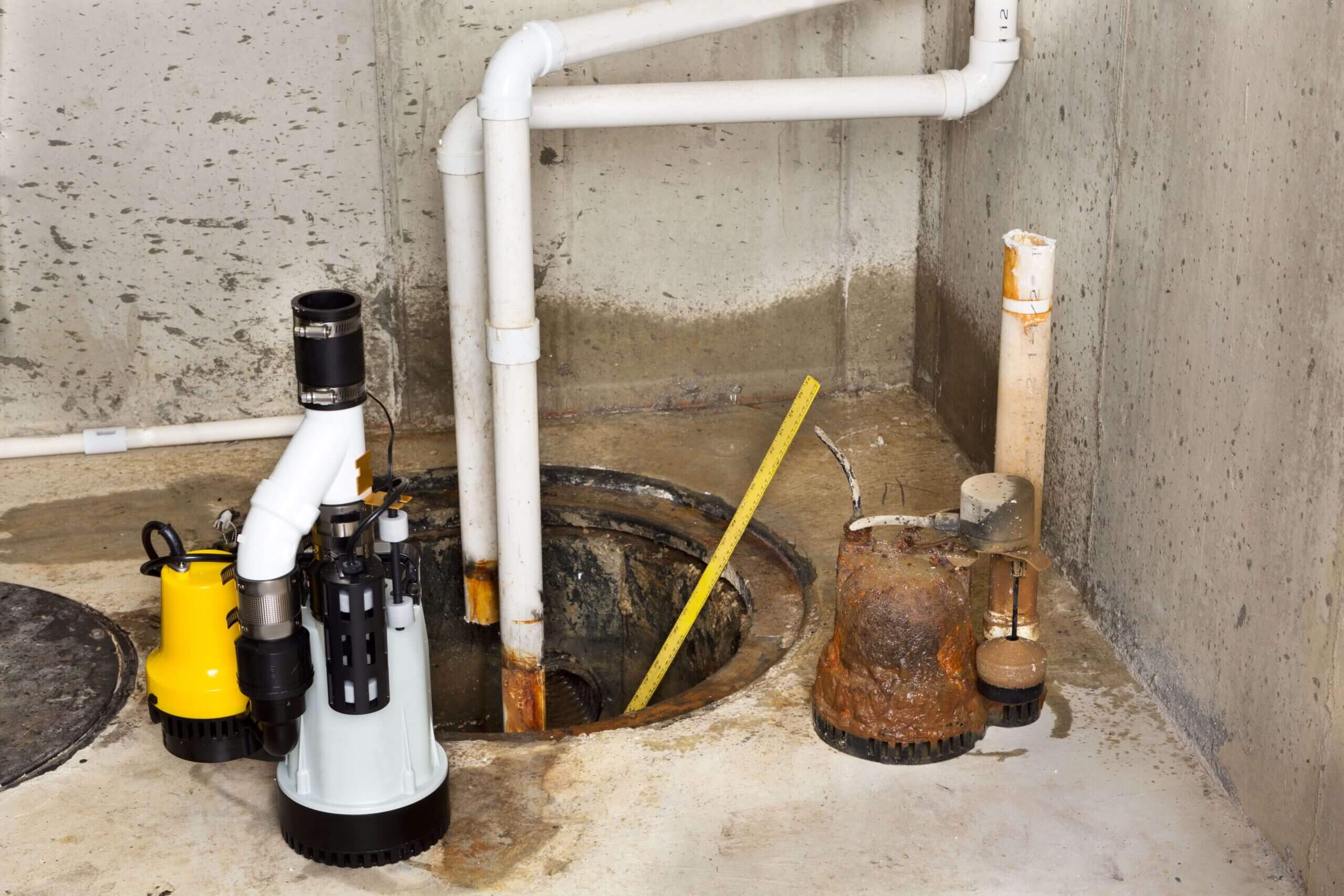
A waterproof barrier (tanking and rendering system) will not always keep your cellar dry, in which case, the most reliable solution is cavity drainage. This method involves installing a textured membrane on the basement’s walls, floor and ceiling before covering it with specialist plasterboard, insulation and screed. A hidden pump is installed to manage and direct water out of the system into the normal water table or wastewater source.
Cavity drainage systems divert water away from the interior of your room, leaving it dry so that you can finish and decorate it however you please. With this system, you’ll have excellent results that are simple to maintain and repair.
Here at London Damp Specialist, we carry out surveys that help you understand what solution you need to ensure your basement is waterproof. What are you waiting for? Contact us today!
Qualification list
PCA-Certificated Surveying
- CSDB (Certificated Surveyor of Dampness in Buildings): This certification ensures your damp diagnosis is carried out to a recognised industry standard.
- CSTDB (Certificated Surveyor of Timber and Dampness in Buildings): This means we can assess timber decay, wet rot, dry rot and wood-boring insect activity in the same visit, giving you a complete picture of your property’s condition.
- CSSW (Certificated Surveyor in Structural Waterproofing): Where basement or below-ground waterproofing is involved, this certification ensures that any tanking or structural waterproofing solution we recommend is specified the first time correctly.

CSCS
- CSCS (Construction Skills Certification Scheme): Our experts carry a CSCS card, which confirms they’re authorised and trained to work safely on-site, giving you confidence that the team in your home meets recognised industry safety standards.

Asbestos awareness
- Asbestos awareness: Older properties may contain asbestos, particularly in areas where damp and timber work are common. Our team holds UKATA-accredited Asbestos Awareness training as standard and where a job risks disturbing such materials, our experts are more than qualified to manage the work safely and in full compliance with UK regulations.

30-Year Warranty + 10-Year Insurance-Backed Guarantee
Your damp repair is protected for decades.
- 30-Year Warranty: All remediation work is covered by a 30-year workmanship warranty, protecting your property against recurrence of the treated issue.
- 10-Year Insurance-Backed Guarantee (IBG): Your guarantee is insurance-backed for 10 years through Quality Assured National Warranties (QANW), so your cover remains valid even if we’re unable to fulfil it ourselves.
- 24-Hour Report Delivery: Comprehensive digital survey reports are typically issued within 24 hours of the inspection’s completion.


BASEMENT DAMP AND RENDERING SYSTEM
The tanking process is simple and efficient, the results are amazing. The slurry mixture bonds to surfaces like cement-based powder, providing a waterproof barrier against any water leaks. The tanking should be completed by plastering over it to finish off the waterproofing.
The cemented multi-coat render system is effective in resisting water seepage through decayed mortar joints or walls. It can be applied directly to uneven, moist bricks as it has an adhesive coat that creates a good seal and texture. When this type of render is used on external walls, it acts as a weather repellent against damp conditions, infestations, and the growth of mould. This makes it ideal for use on most types of brickwork or blockwork.
frequently asked questions
How does dampness occur in basements?
Dampness in basements often occurs due to water seeping in from the ground, through cracks in the walls or floor, or due to poor drainage. Condensation can also cause dampness if the basement is not well-ventilated.
Is basement damp more common in certain geographic regions?
Yes, areas with high rainfall, a high water table, or prone to flooding are more likely to experience basement damp.
Does the construction type of a basement affect its susceptibility to dampness?
Yes, the construction type and materials used can influence a basement’s susceptibility to dampness. For instance, basements made of concrete are more prone to dampness due to their porous nature.
Can the basement damp cause damage to stored belongings?
Absolutely, basement damp can cause significant damage to stored belongings, particularly those made of organic materials like wood or fabric, which can rot or grow mould.
What are the long-term effects of untreated basement dampness on a building?
Untreated basement dampness can lead to structural damage over time, including decay in wooden structures, damage to the foundation, and deterioration of interior finishes. It can also lead to unhealthy indoor air quality due to mould growth.
Are there any building regulations or standards for basement waterproofing?
Yes, there are building regulations in the UK that specify the standards for basement waterproofing. These include BS 8102:2009, which provides guidance on methods of dealing with and preventing the entry of water from surrounding soil into a basement.
Can basement waterproofing prevent dampness from occurring?
Yes, a properly implemented basement waterproofing system can effectively prevent dampness by stopping water ingress.
Can external factors, such as poor drainage or high groundwater levels, contribute to basement dampness?
Yes, external factors like poor drainage, high groundwater levels, or even heavy rainfall can increase the risk of basement dampness.
Can I use basement tanking systems to address dampness?
Yes, basement tanking systems, which involve applying a waterproof coating to the interior basement walls and floor, can be an effective solution to address dampness.
Is it necessary to conduct regular inspections to detect and address potential basement dampness issues?
Regular inspections are crucial to detect and address basement dampness early. This involves checking for signs of dampness, inspecting drainage systems, and assessing the condition of the waterproofing measures in place.
Can the age or condition of a building's foundation impact basement dampness?
Absolutely, older foundations or those in poor condition can be more susceptible to cracks and leaks, which can lead to basement dampness.
Can the location or depth of a basement within a building affect its susceptibility to dampness?
Yes, basements that are deeper underground or located in areas with a high water table are more susceptible to dampness as they are more likely to come into contact with groundwater.
BASEMENT WATER-PROOFING SURVEY
To get help, call London Damp Specialist on 0207 305 5997.
Or, feel free to send an enquiry or book a survey online.
If you submit an enquiry form, one of our damp surveyors will be in touch with you to discuss your problems. We aim to contact you within 24 hours.
- }Damp can cause structural problems such as rot and corrosion that could ultimately cost you money in the long run if not treated properly.