CONDENSATION


IMPORTANT SIGNS OF CONDENSATION
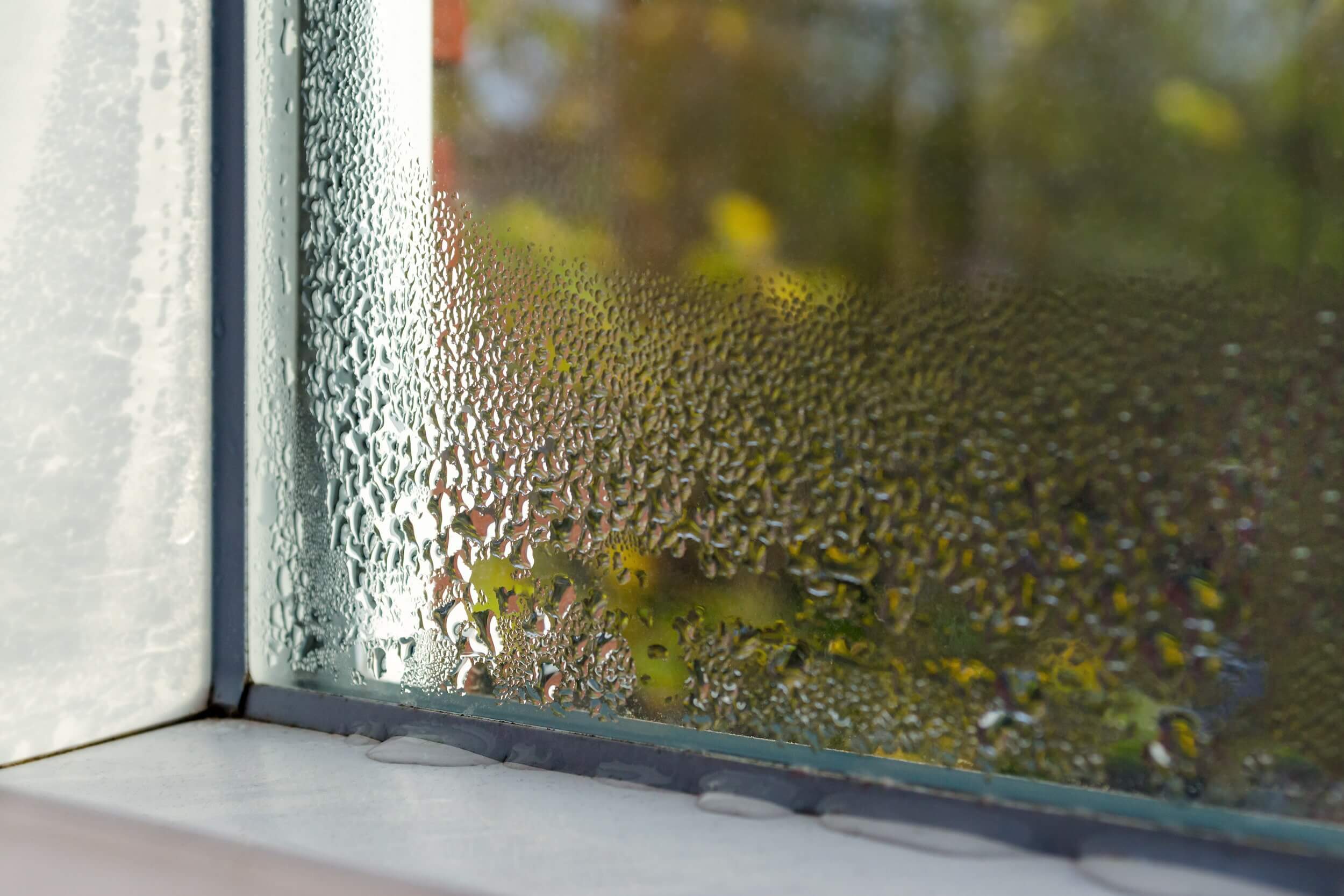
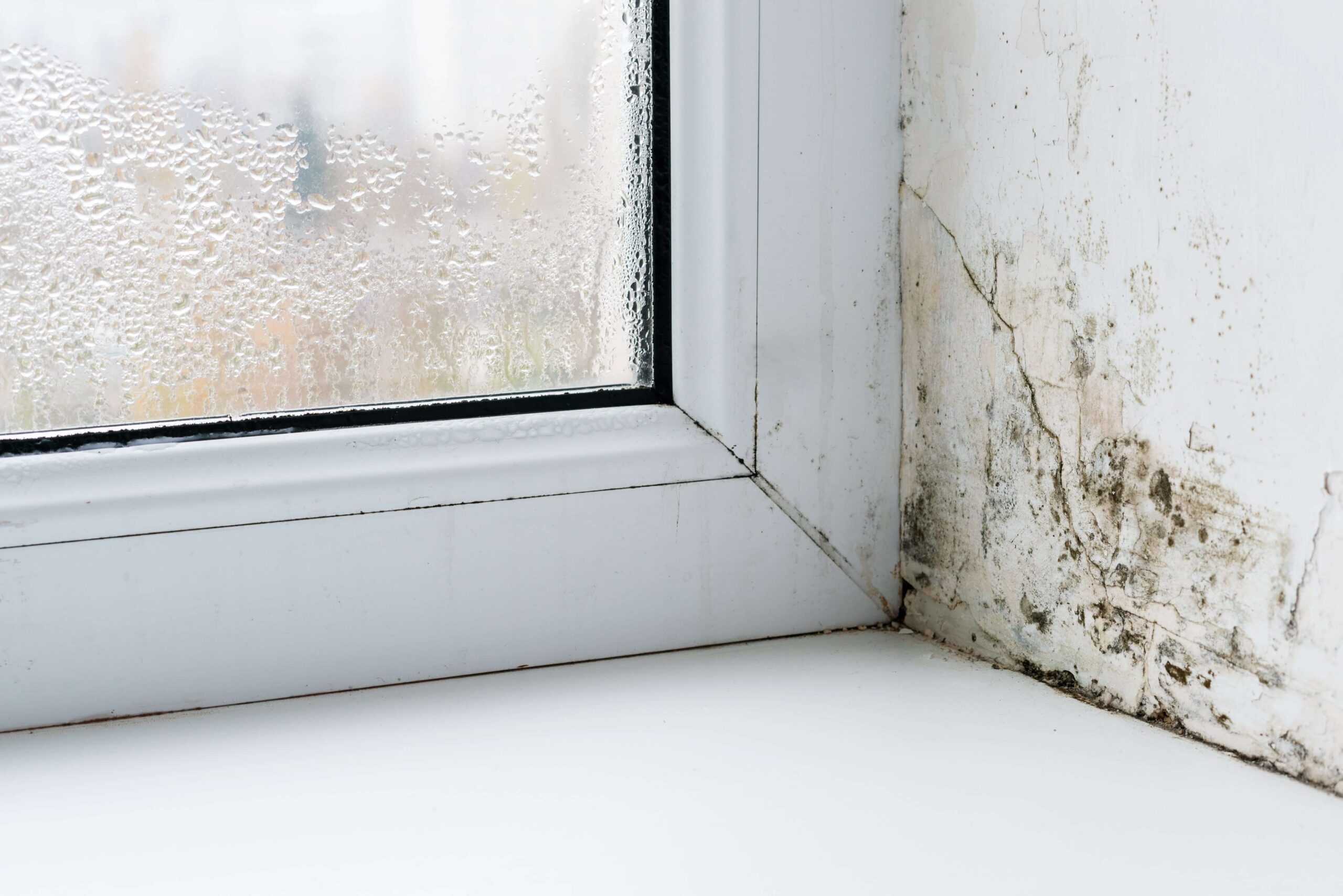
Unhealthy and uncomfortable homes are often caused by condensation and mould growth, which usually comes with a distinct damp smell. If you encounter these problems in your home, it is important to take care of them immediately.
Condensation not only destroys plaster-work, interior walls, window frames, skirting boards and other timber components – it can be seen on any cold surface during winter.
For expert advice on condensation, speak with our qualified surveyors today at 0207 305 5997.
WHAT ARE THE CAUSES OF CONDENSATION?
Mould usually appears due to condensation, which typically forms on cold surfaces like walls and windows when warm air cools down below the dew point. Common causes of winter condensation are:
- NPoor heating in your home
- NPoor ventilation when showering / cooking
- NWet clothes left hung up to dry
- NLeaking drain and/or water pipe
- NLeaking roof
Maintaining appropriate room temperatures and wiping away water droplets immediately will minimise mould formation.
- It's essential to investigate condensation as soon as possible, as it can cause mold, rot, and damage to the structure of your home.
PREVENTING CONDENSATION OF WATER VAPOR
To avoid condensation, ensure that your home is properly ventilated and heated so that moist air can be released from the rooms. Pay attention to possible condensation problems during colder months, as they often resolve themselves once warmer weather arrives. However, kitchens and bathrooms are more likely than other parts of the house to experience condensation issues. Using a dehumidifier in these areas can help prevent moisture buildup by drawing in air, cooling it and then reheating it before circulating it back into the room.
The London Damp Specialist team will quickly assess the level of dampness in your home, identify the source and type of dampness, and recommend treatment to protect your property and the health of its occupants.
CONDENSATION CONTROLS LONDON
London Damp Specialist are experts on condensation and how to prevent it. Contact us today so we can come to your home or commercial property, examine the condensation problem, and figure out an appropriate solution. Our experienced team is available at 0207 305 5997.
HOW CAN YOU STOP CONDENSATION?
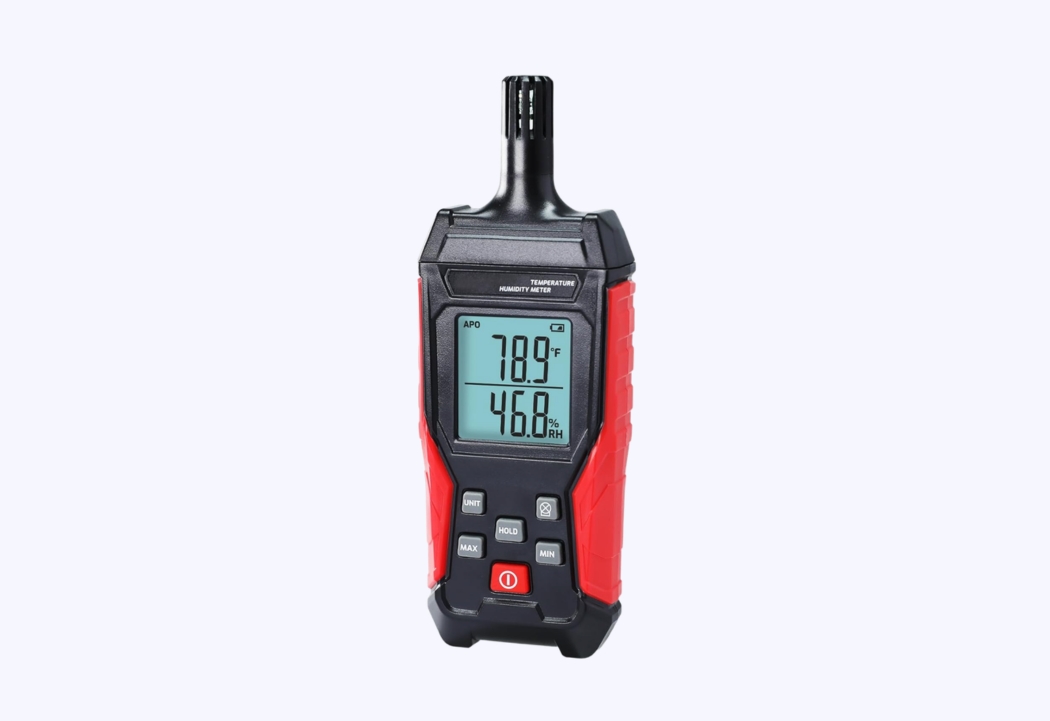
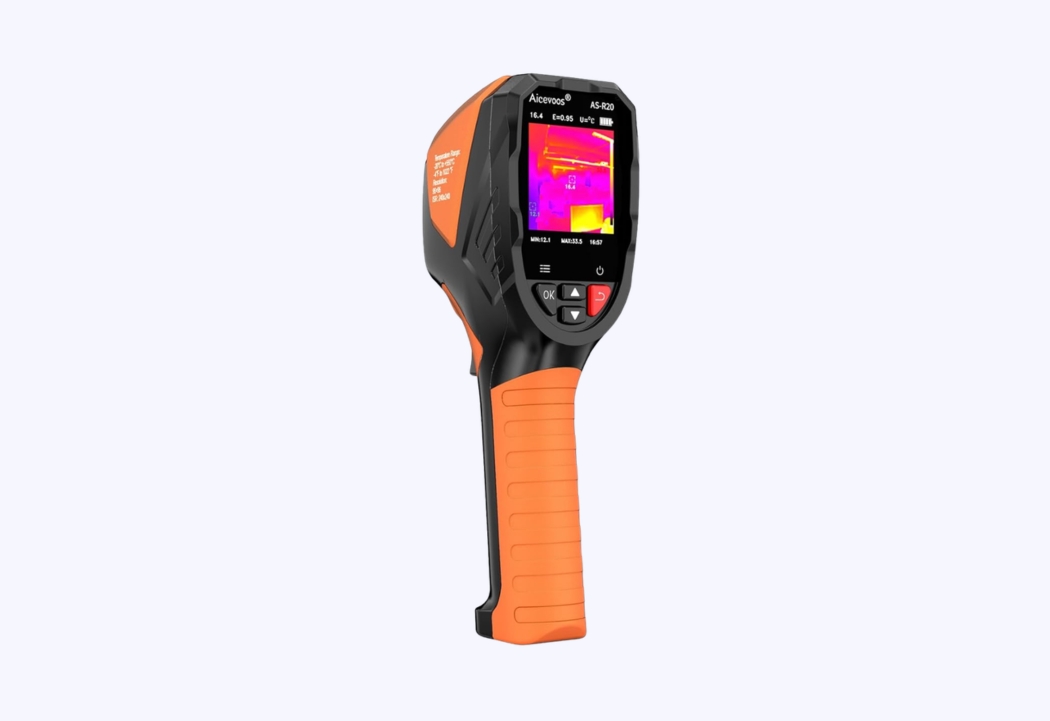
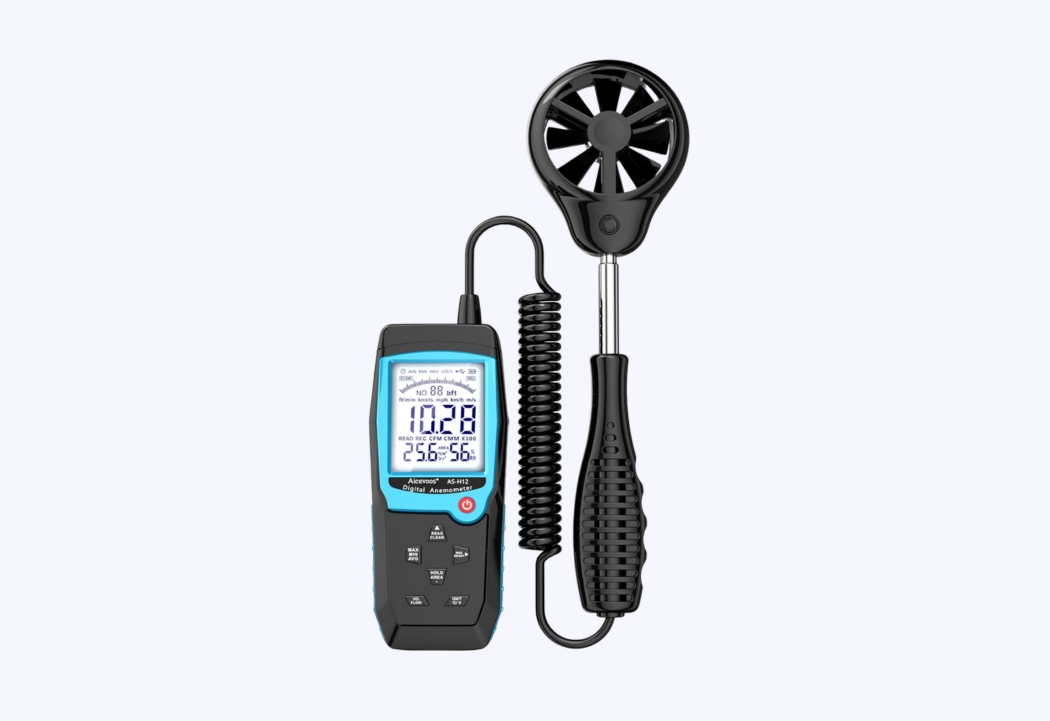
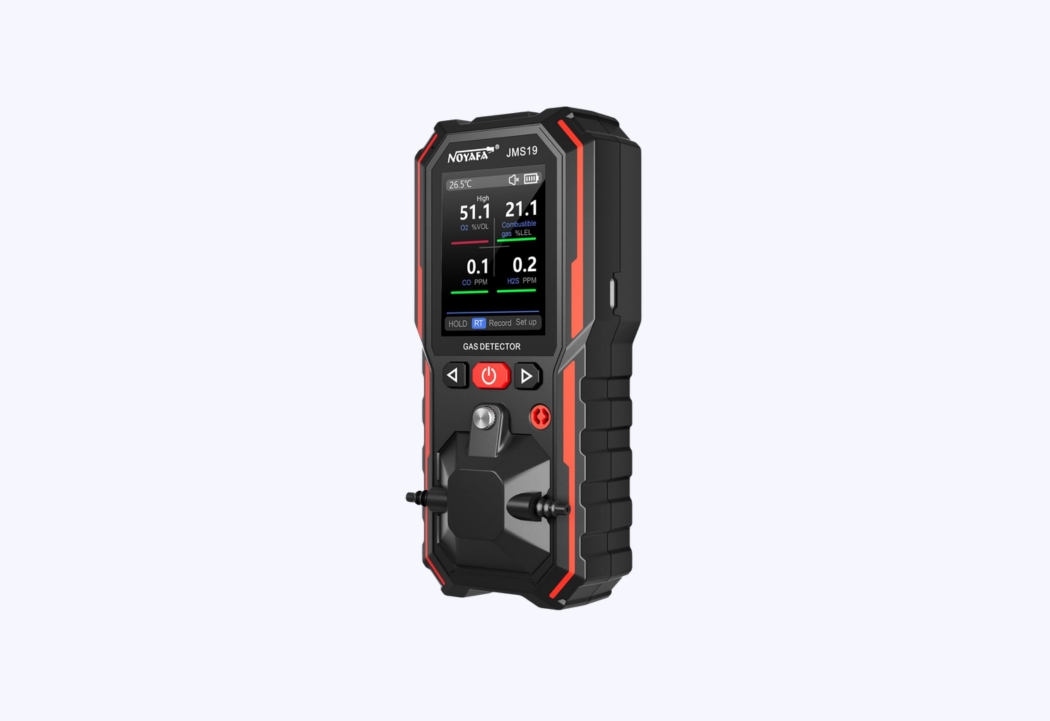
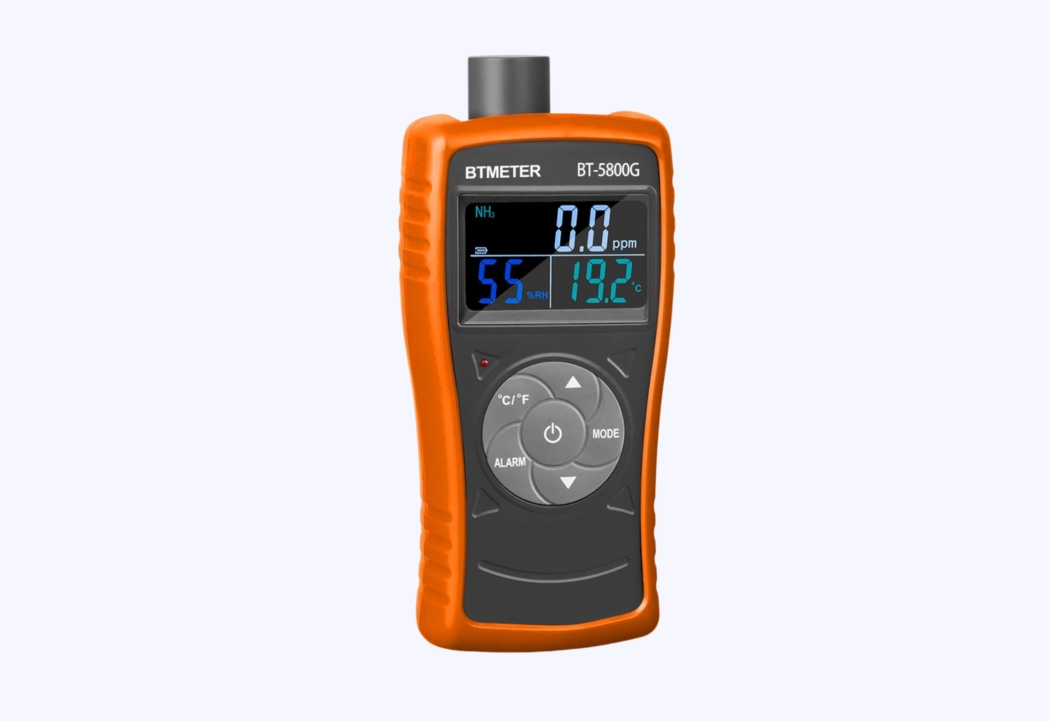
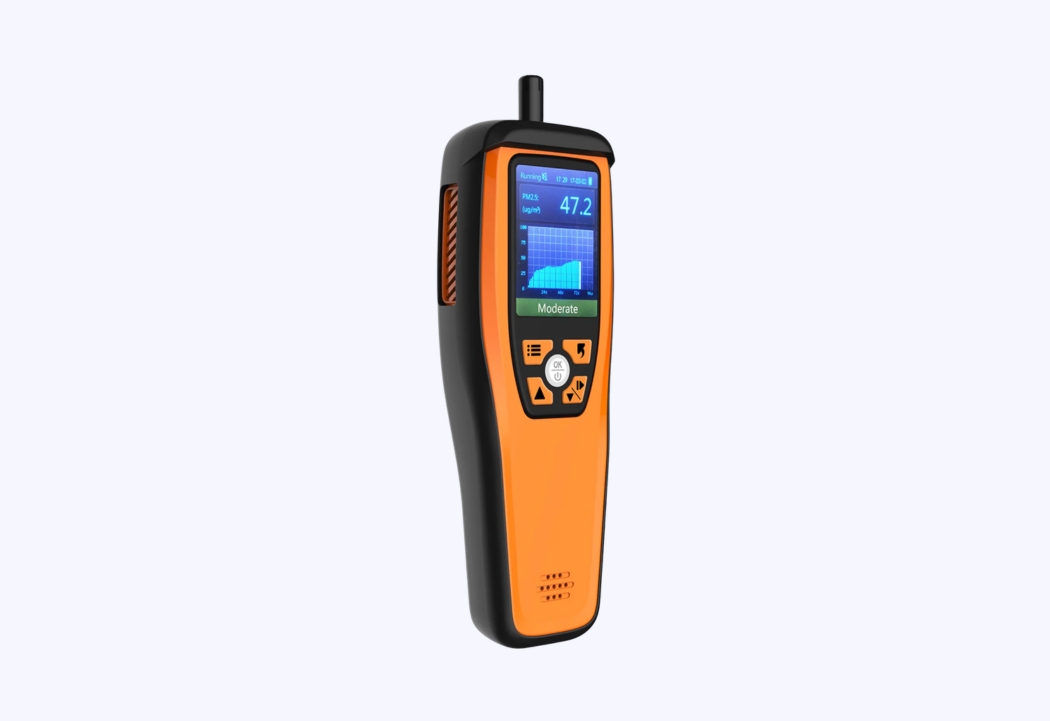
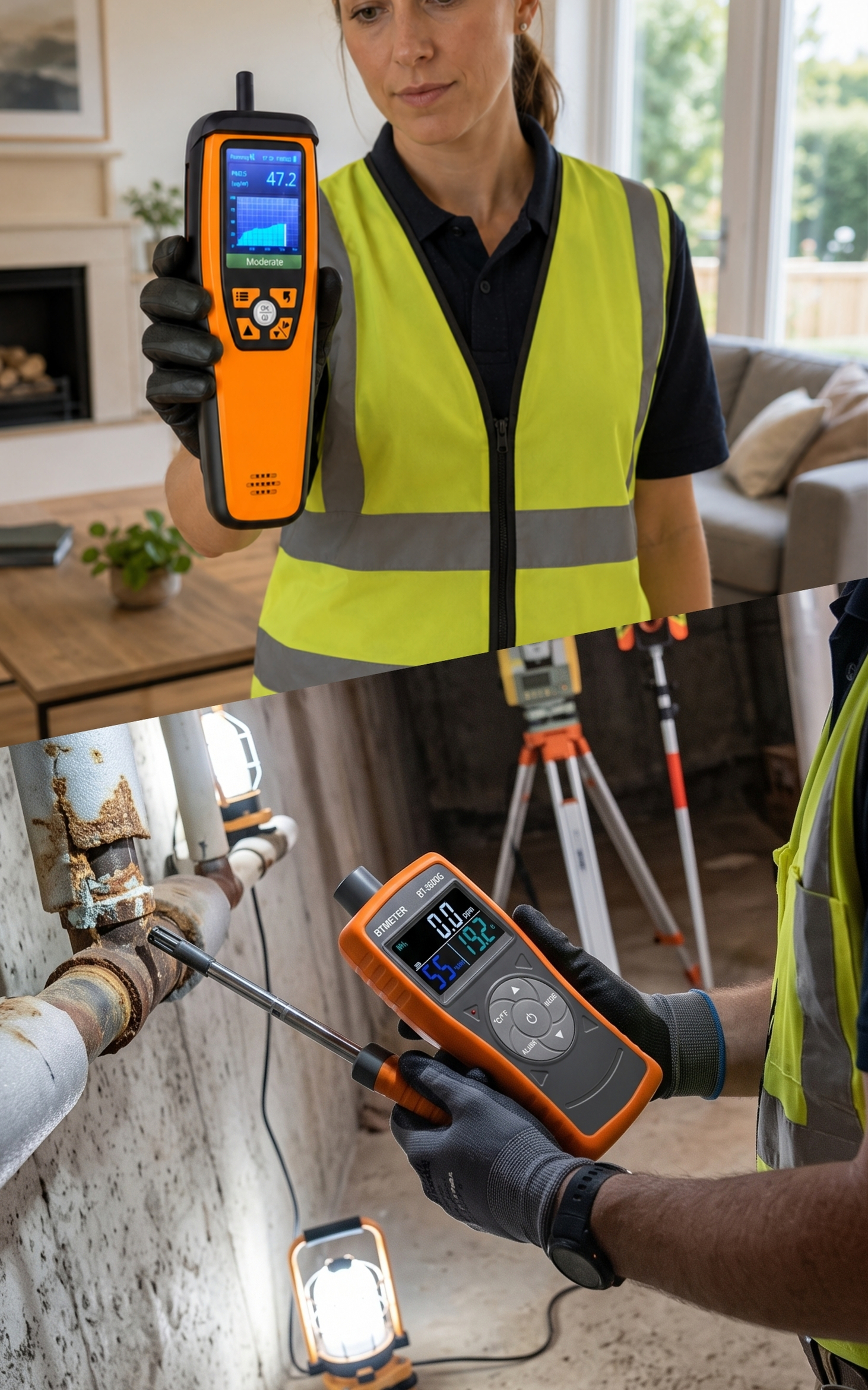
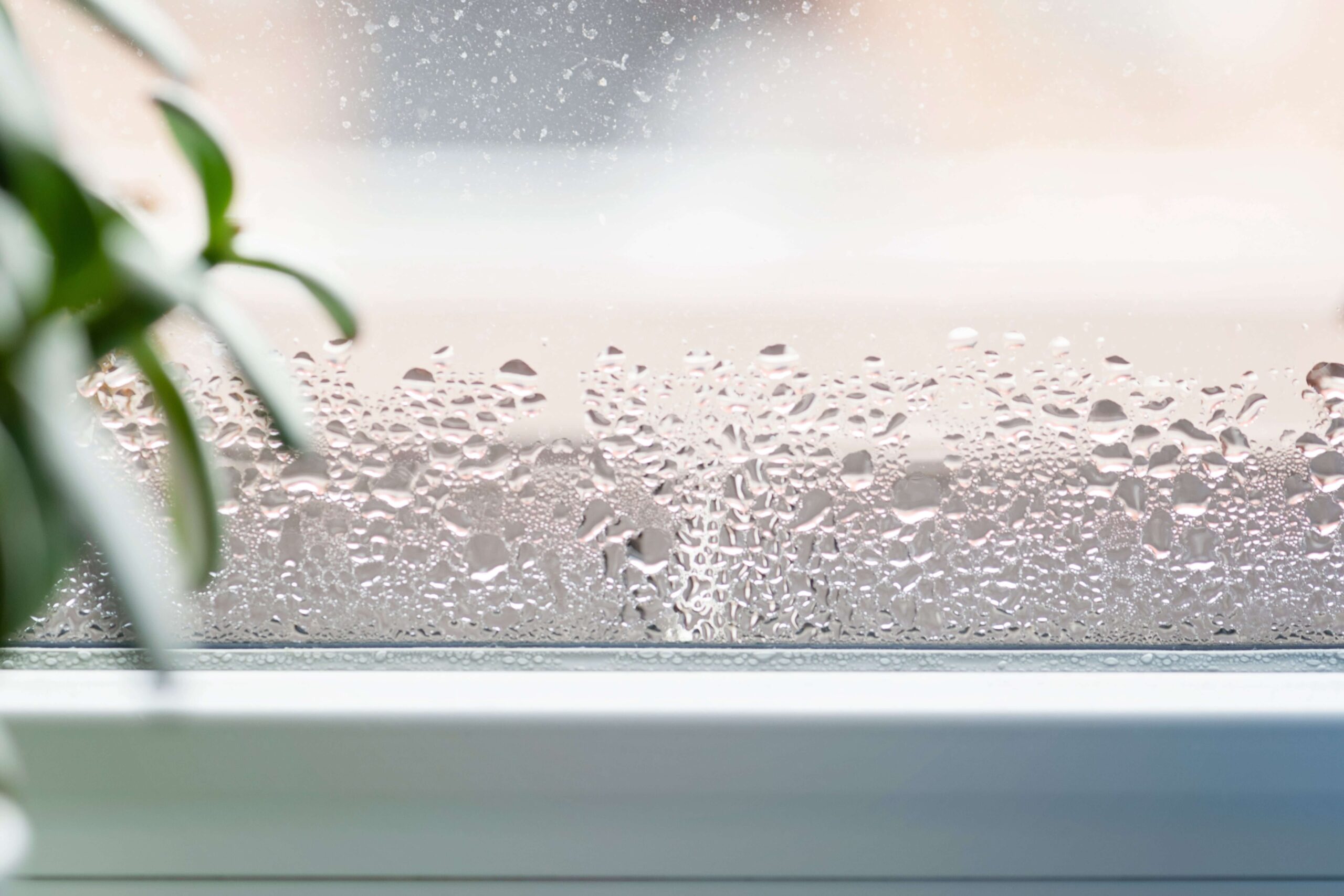 To check whether condensation is present, seal the room with a dehumidifier to run for the recommended time. measure air humidity and temperature with meters and other instruments. If the dampness disappears, then condensation was present. Condensation is usually made worse by poor ventilation and heating. The symptoms include water droplets on windows and walls, dark mould patches appearing, an unpleasant odour,, paint damage,, plaster damage, window frame decay, skirting board decay, etc.
Proper ventilation and heating are key to preventing condensation, which can cause mould growth. Condensation usually occurs in the kitchen and bathrooms. The best way to prevent it is by wiping away water droplets with a cloth and ensuring good air circulation in all areas of the house.
By taking simple measures such as improving insulation and adding a dehumidifier, you can effectively prevent condensation in your home.
Condensation appears when ventilation inside the room is not sufficient. When air vents, windows, and other exits are blocked off, condensation can occur. Unblocking or openning the windows for natural ventilation often reduces condensing effect. However, different heating temperatures in other rooms can also cause condensation. Intermittent heating improves this by reducing mould growth.
Cavity walls and solid walls are susceptible to condensation due to the build-up of tiny water droplets. By insulating with special insulation materials, you can prevent this condensation from occurring. Maintaining adequate room temperatures and wiping away any water droplets that do form will help minimise the possibility of mould formation. Condensation is often caused by areas with little air movement; fitting dehumidifiers can reduce this by cooling down the air before re-circulating it as warm air.
Condensation is more prevalent during cold months, so it is important to take precautions against condensation in the winter.
Qualification list
PCA-Certificated Surveying
- CSDB (Certificated Surveyor of Dampness in Buildings): This certification ensures your damp diagnosis is carried out to a recognised industry standard.
- CSTDB (Certificated Surveyor of Timber and Dampness in Buildings): This means we can assess timber decay, wet rot, dry rot and wood-boring insect activity in the same visit, giving you a complete picture of your property’s condition.
- CSSW (Certificated Surveyor in Structural Waterproofing): Where basement or below-ground waterproofing is involved, this certification ensures that any tanking or structural waterproofing solution we recommend is specified the first time correctly.

CSCS
- CSCS (Construction Skills Certification Scheme): Our experts carry a CSCS card, which confirms they’re authorised and trained to work safely on-site, giving you confidence that the team in your home meets recognised industry safety standards.

Asbestos awareness
- Asbestos awareness: Older properties may contain asbestos, particularly in areas where damp and timber work are common. Our team holds UKATA-accredited Asbestos Awareness training as standard and where a job risks disturbing such materials, our experts are more than qualified to manage the work safely and in full compliance with UK regulations.

30-Year Warranty + 10-Year Insurance-Backed Guarantee
Your damp repair is protected for decades.
- 30-Year Warranty: All remediation work is covered by a 30-year workmanship warranty, protecting your property against recurrence of the treated issue.
- 10-Year Insurance-Backed Guarantee (IBG): Your guarantee is insurance-backed for 10 years through Quality Assured National Warranties (QANW), so your cover remains valid even if we’re unable to fulfil it ourselves.
- 24-Hour Report Delivery: Comprehensive digital survey reports are typically issued within 24 hours of the inspection’s completion.


WHAT ABOUT CONDENSATION NOT CAUSED BY POOR VENTILATION?
If you see condensation, it might be caused by a more serious issue like rising or penetrating damp. Schedule a survey with us so we can take a look and offer our expert advice.
If you’re experiencing mould and condensation, even after taking preventative steps, it may be due to the temperature of your exterior walls. Exterior cold walls are especially susceptible to this problem because when warm moisture comes into contact with them, condensation appears quickly, followed by mould. The solution is to apply thermal plasterboard to these exterior walls.
Condensation treatments can take many different forms, including:
- NRemoving blown plaster
- NApplying a waterproof render
- NFitting thermal plasterboard
- NPlaster with a skim finish
frequently asked questions
What causes condensation on windows?
Condensation on windows occurs when warm, moist air comes into contact with a cooler surface, such as window glass. This is often seen in colder weather when the inside of a building is significantly warmer than the outside.
Can condensation occur on other surfaces besides windows?
Yes, condensation can occur on any surface that is cooler than the surrounding air, including walls, pipes, and mirrors.
Can condensation be a temporary issue or is it typically a long-term concern?
Condensation can be both a temporary and a long-term concern. It might be temporary if it’s caused by activities like showering or cooking, but it can become a long-term issue if it’s due to poor ventilation or insulation, leading to potential problems like damp and mould.
Can the type of roofing material or insulation affect condensation levels?
Absolutely, the type of roofing material and insulation can greatly impact condensation levels. Poor insulation can lead to heat escaping through the roof, which can cool the inside surface of the roof and lead to condensation.
Can the presence of nearby bodies of water or excessive rainfall contribute to condensation?
While nearby bodies of water or excessive rainfall can increase the overall humidity, they don’t directly cause condensation inside a building. Condensation occurs when there’s a difference in temperature between a surface and the surrounding air.
Can condensation be a problem in buildings with a high occupancy rate?
Yes, buildings with a high occupancy rate can experience more issues with condensation as human activities like breathing, showering, and cooking all release moisture into the air.
Can condensation be resolved without major renovations or modifications?
Often, yes. Improving ventilation, using dehumidifiers, and maintaining a consistent indoor temperature can help reduce condensation. However, if the condensation is due to structural issues like poor insulation, more significant modifications may be required.