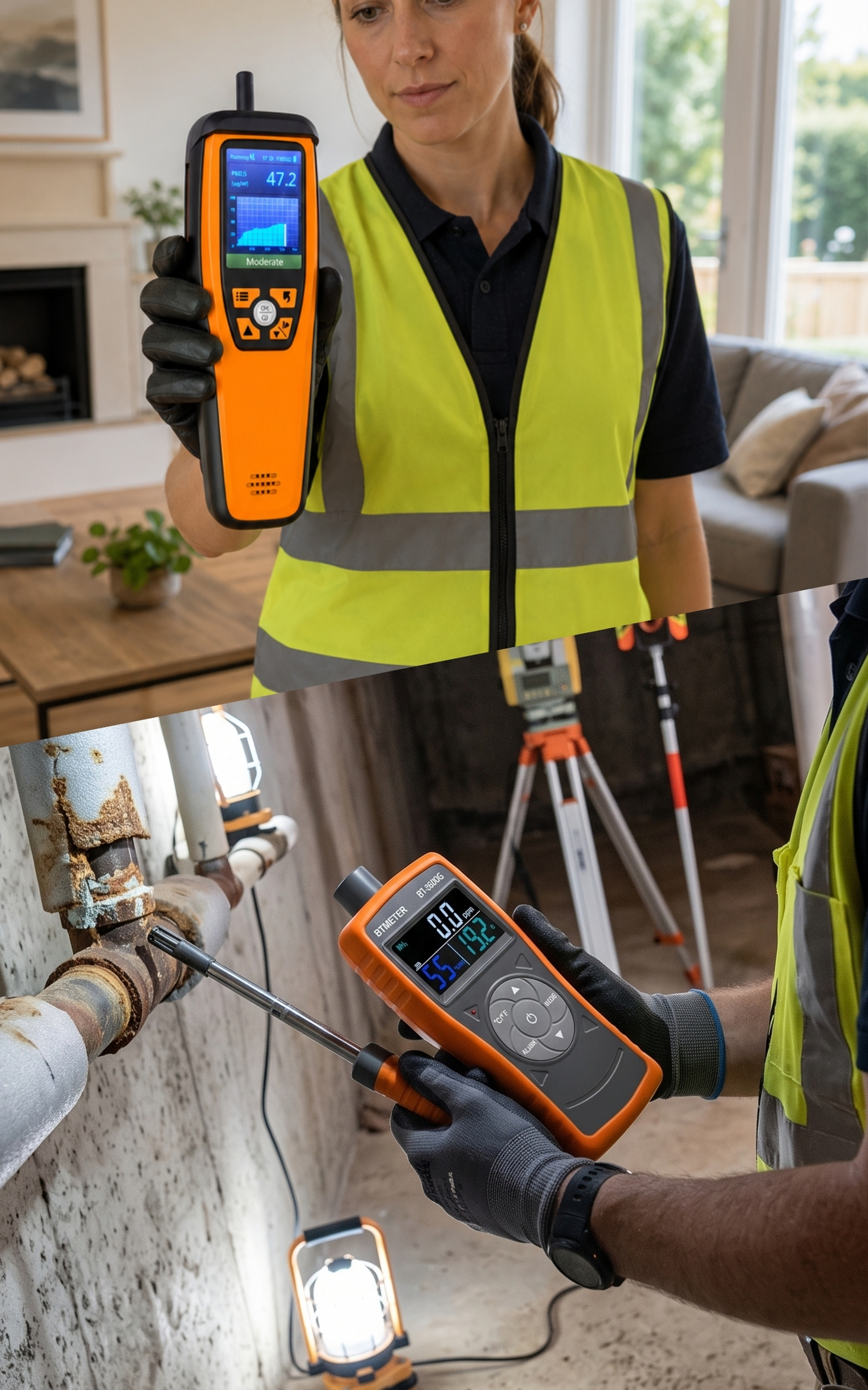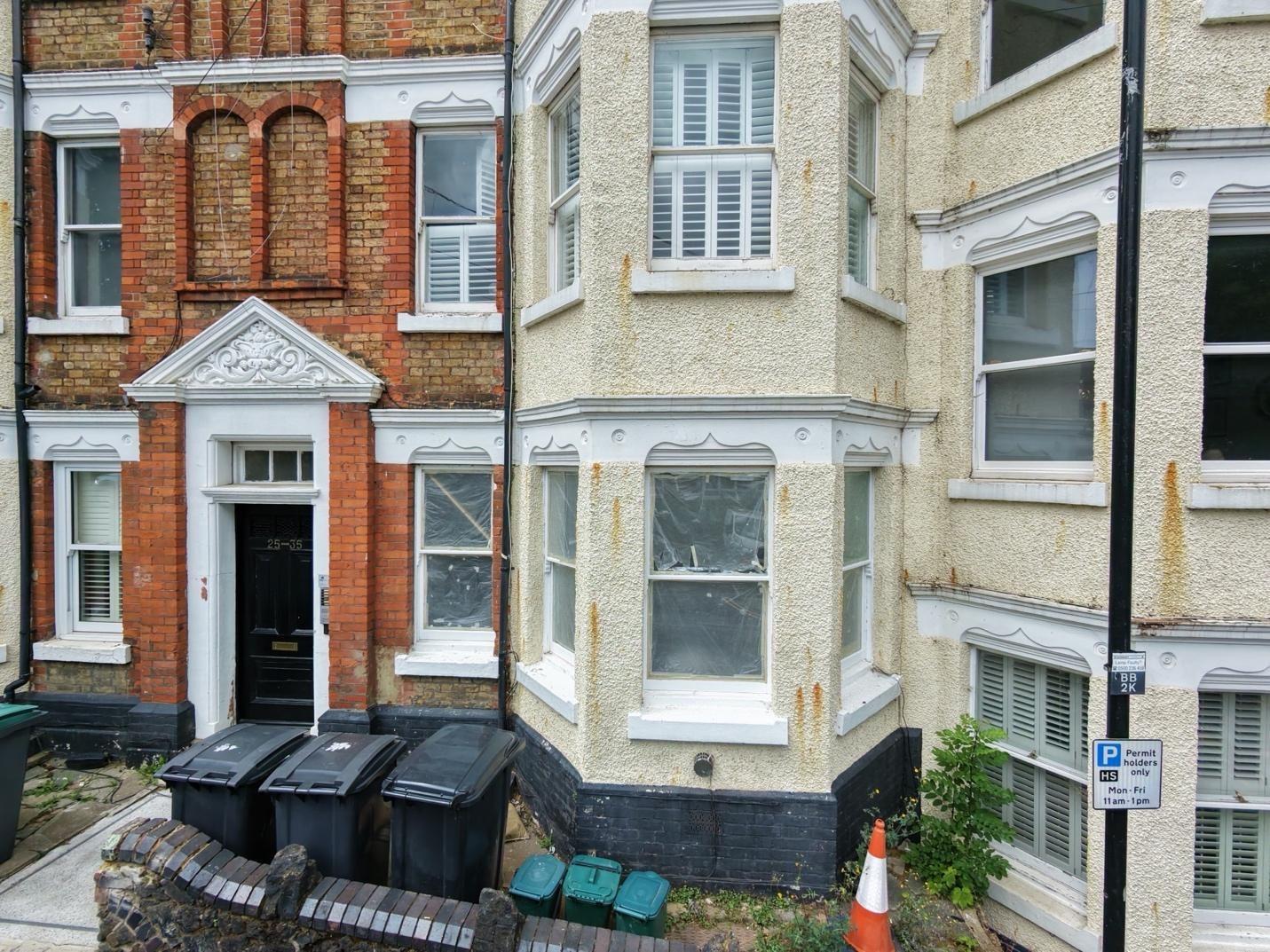
A Level 3 damp survey was carried out on a ground floor flat in Streatham (SW16). The property owner instructed an independent damp specialist to evaluate visible living room wall dampness and establish an authoritative building health baseline. The assessment provided an objective diagnostic report free from contractor sales pressure.
About the Issue
Moisture marks and soft plaster appearing on the wall directly behind the living room couch raised concerns for the homeowner. They worried that groundwater was rising through the floor slab across the flat or that subfloor timbers were decaying from concealed dampness.
The Challenge
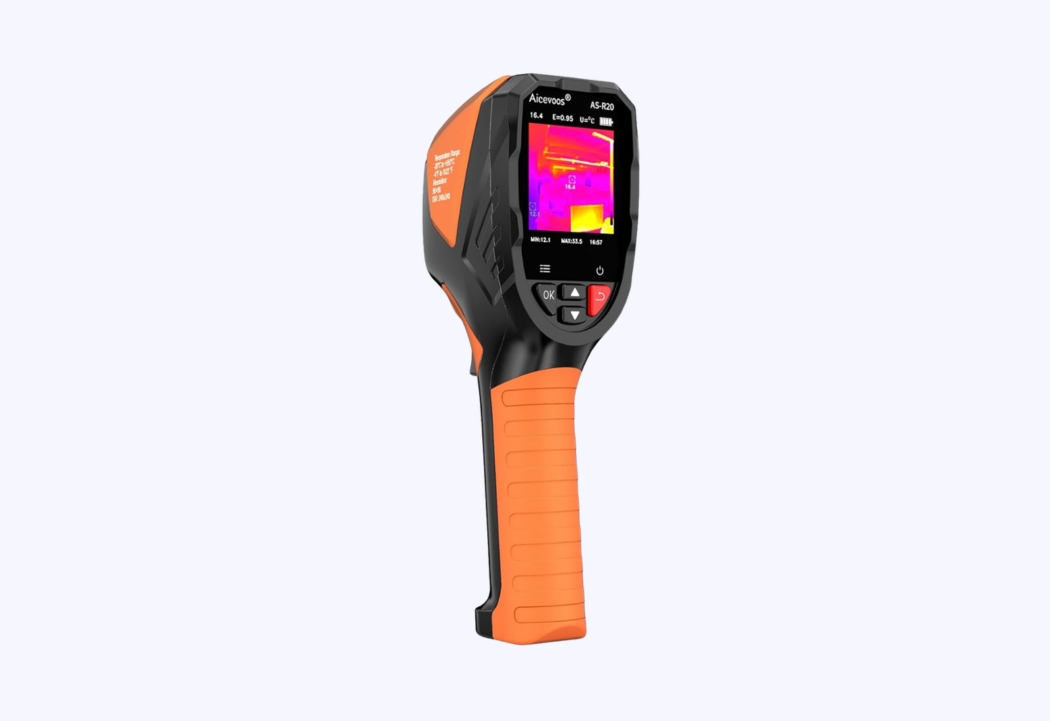
The surveyor performed a top-to-bottom Level 3 inspection across all accessible internal living spaces, structural wall bases, drainage runs and external building elements, including a drone survey of high-level roof coverings.
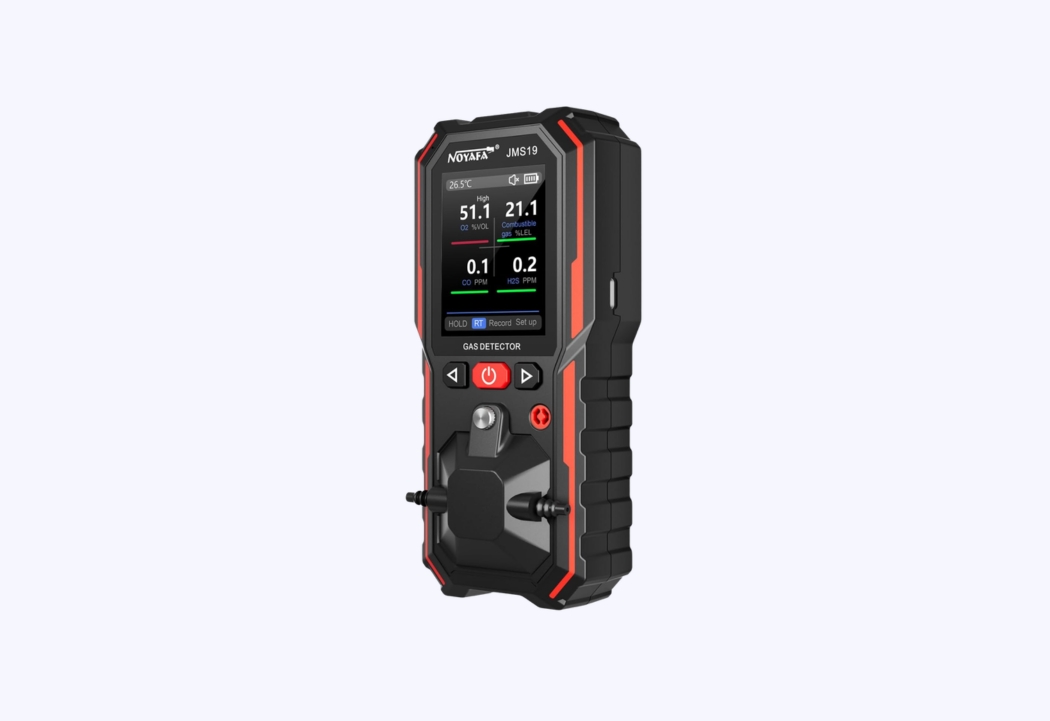
Diagnostic testing produced clear physical evidence:
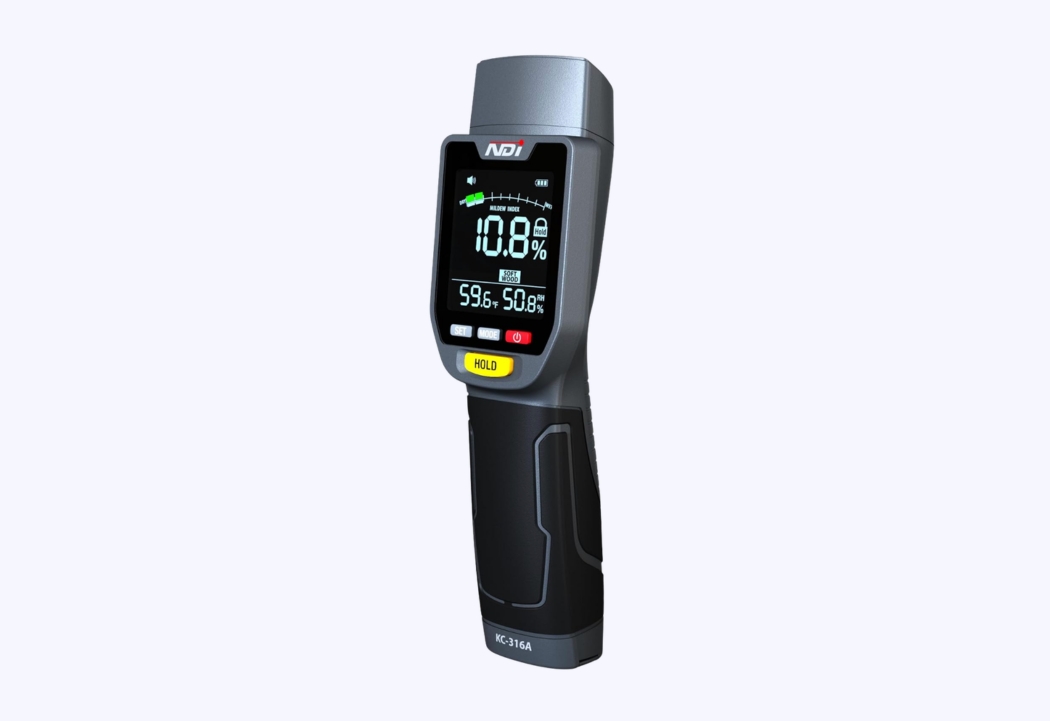
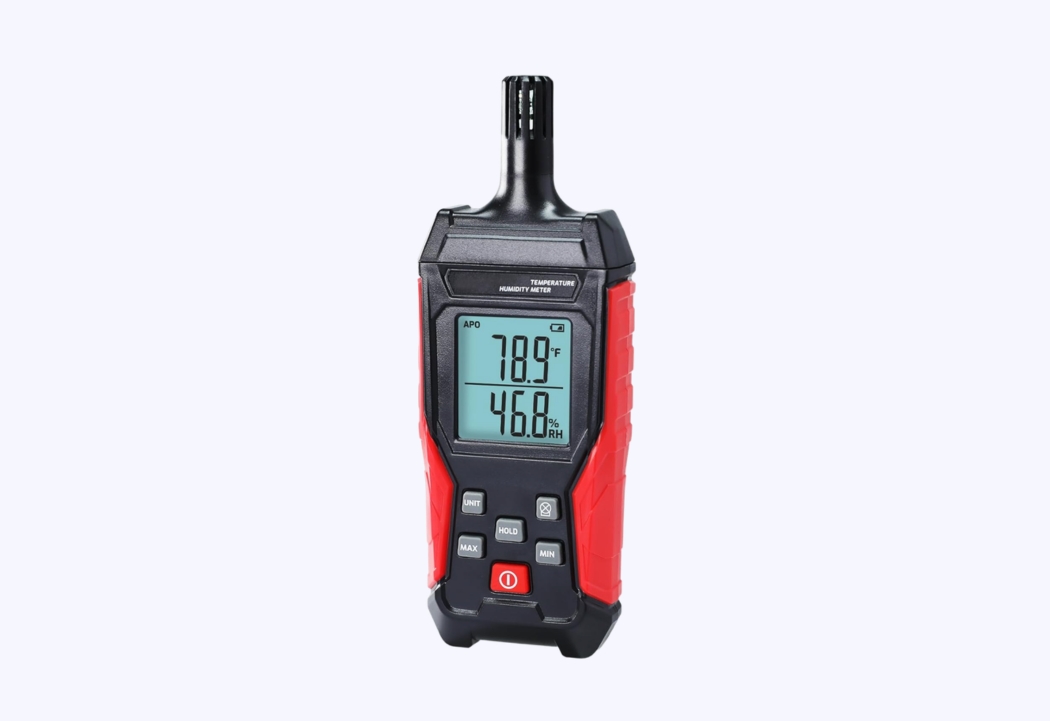
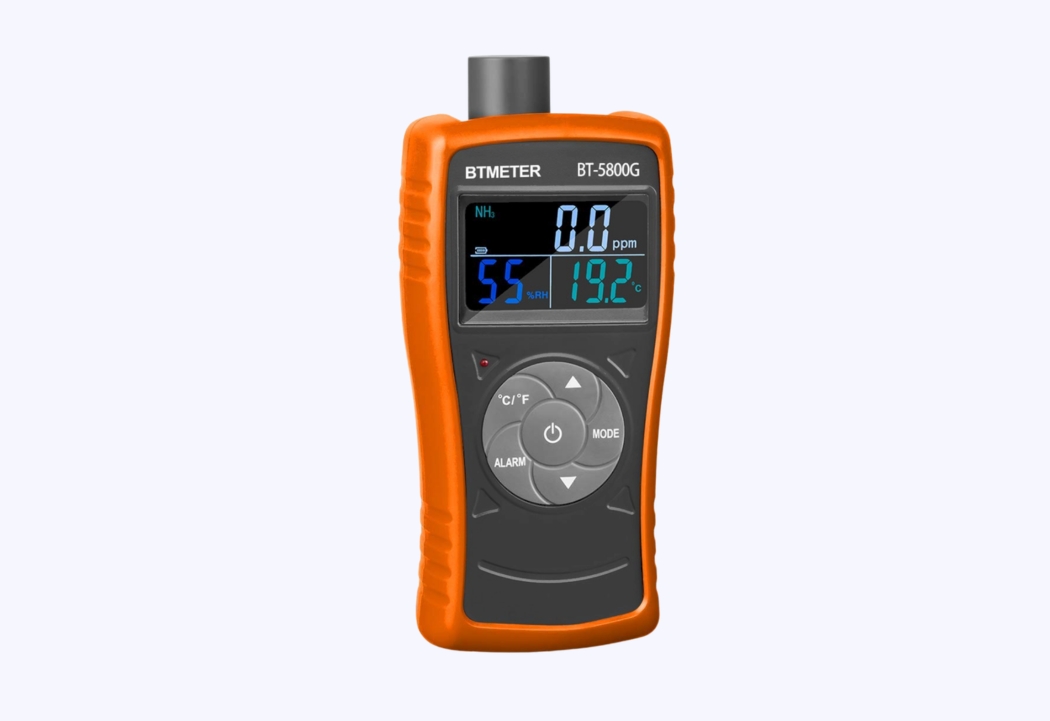
- Environmental testing recorded 54.8% relative humidity at 21.3°C, establishing a healthy indoor air quality baseline free from condensation risks.
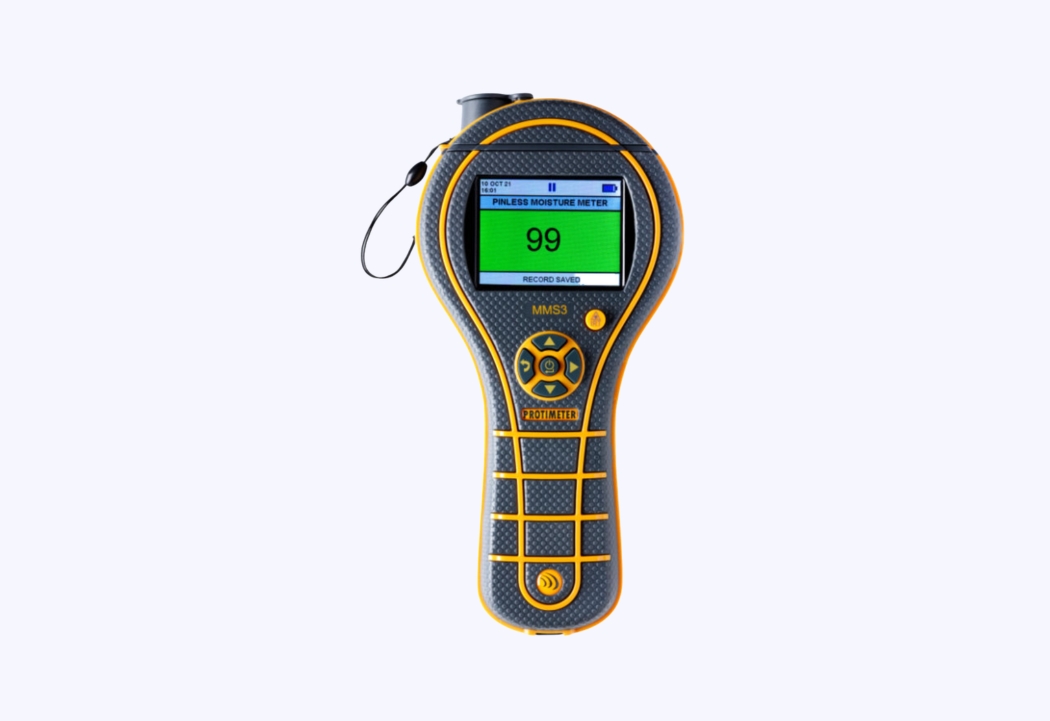
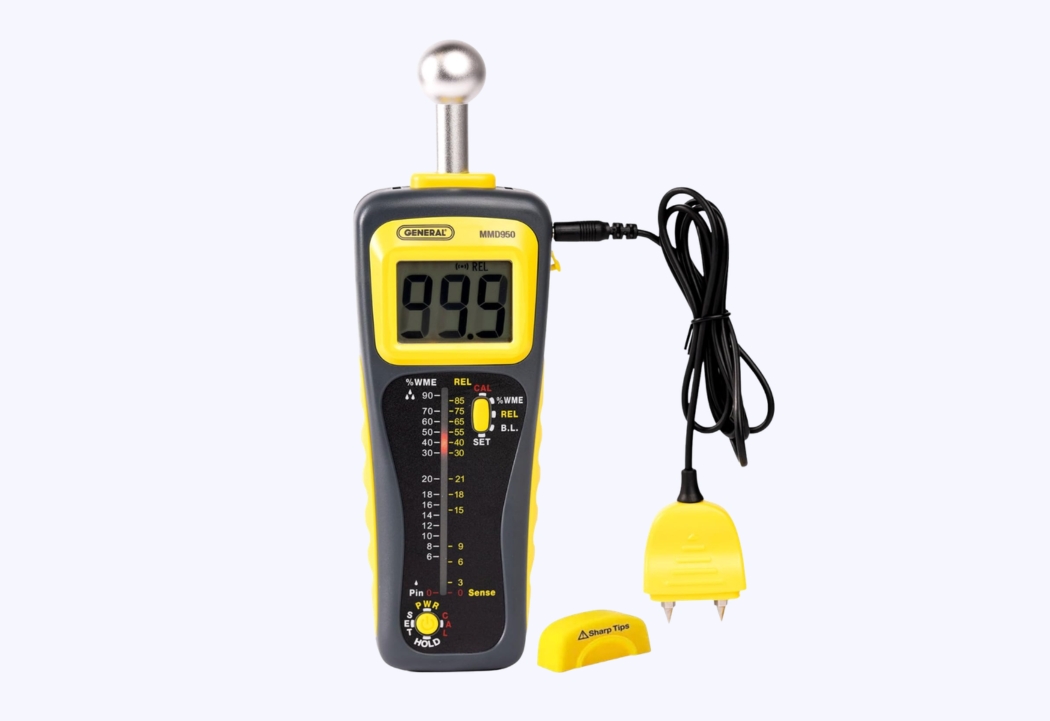
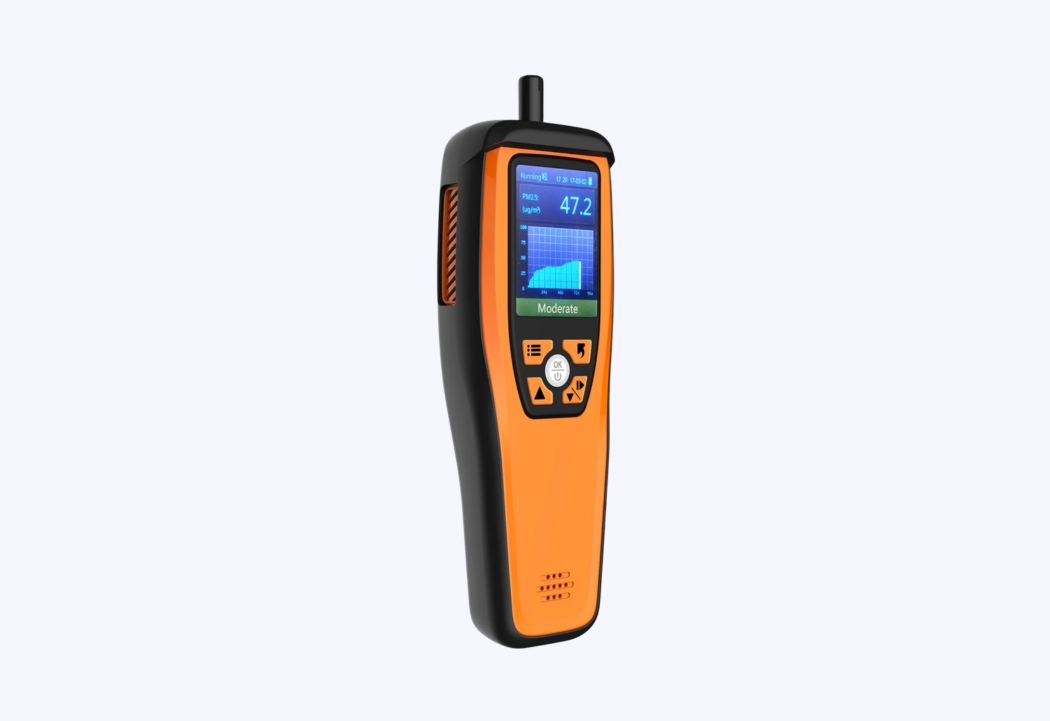
- Calibrated damp meter testing confirmed that moisture was isolated strictly to one living room wall section behind the couch, while all other walls, floors and ceilings returned normal dry readings.
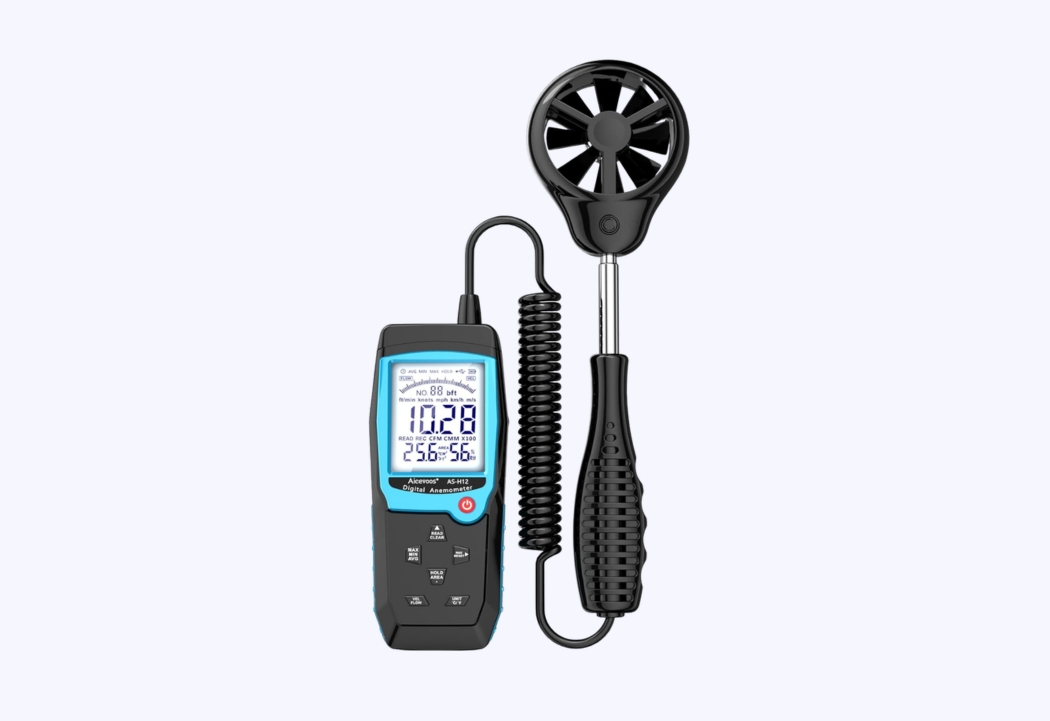
- Ventilation flow testing verified that the extractor fan was operating correctly and extracting air at an appropriate rate.
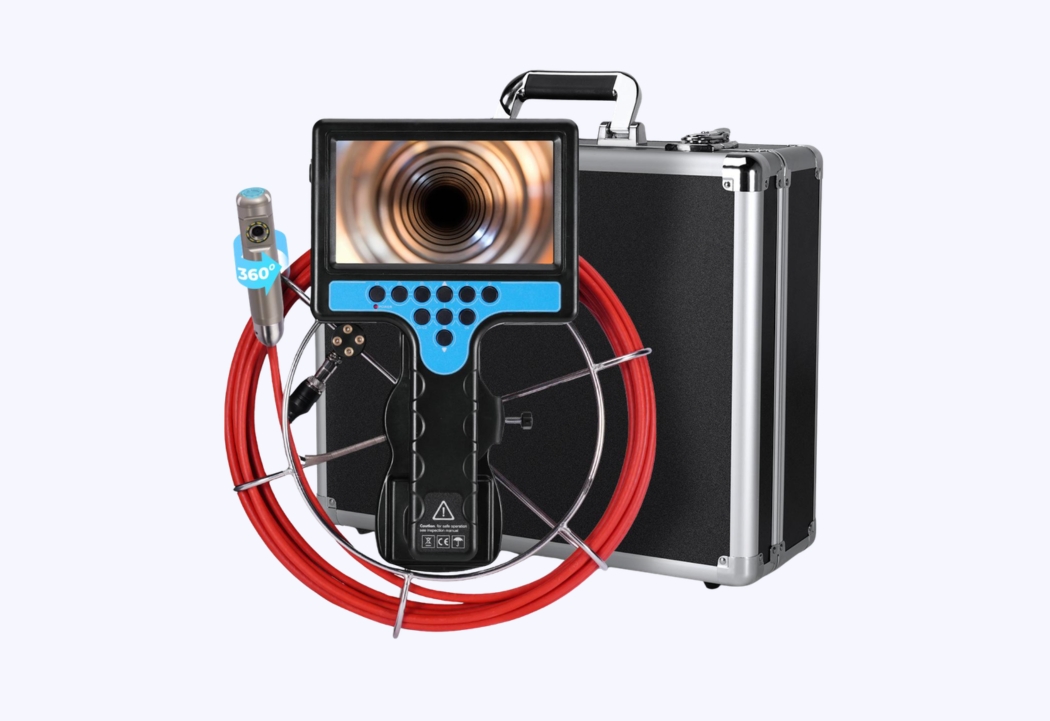
- Inspection of plumbing systems, drainage routes, brickwork and accessible timbers confirmed zero leaks, sound structural masonry, intact roof coverings and zero dry rot, wet rot, or woodworm.
The evidence proved that the flat was otherwise dry and sound, isolating the defect to a localised wall issue exacerbated by furniture placed tightly against the masonry.
The Solution
The report detailed a practical remedial strategy to eliminate the damp defect and reinstate the wall:
- Remove contaminated plaster to a suitable height to expose raw brickwork.
- Inject a chemical damp proof course (DPC) into the wall masonry to block moisture migration.
- Treat the exposed wall with salt neutraliser to control residual hygroscopic salts.
- Apply a waterproof tanking slurry coat to create an internal moisture barrier.
- Apply a waterproof render system followed by a smooth plaster skim finish ready for paint.
- Ensure furniture is positioned slightly away from the wall to promote adequate air movement.
The Outcome
The survey provided the homeowner with absolute certainty regarding their building’s structural health. Armed with an independent diagnostic report, they avoided over-engineered damp-proofing proposals for unaffected rooms and focused their budget strictly on treating the single affected living room wall.
Why This Case Matters
A single damp patch behind living room furniture can lead homeowners to suspect widespread building failure. Independent damp specialists evaluate the entire building envelope, from roof tiles to floor slabs, ensuring property owners direct capital into precise, localised repairs.
What relative humidity was recorded during the survey?
Environmental air testing measured 54.8% relative humidity at an ambient temperature of 21.3°C, which sits within acceptable residential limits.
Is chemical damp proofing required across the entire living room?
No. Remedial treatment is required only on the single affected wall section behind the couch where elevated moisture was recorded.
Was any external repointing recommended?
Minor touch-ups were noted on isolated sections of external brickwork pointing, but they are not allowing water ingress and do not require urgent damp-proofing intervention.
Gain complete confidence in your building’s health with an independent diagnostic survey.