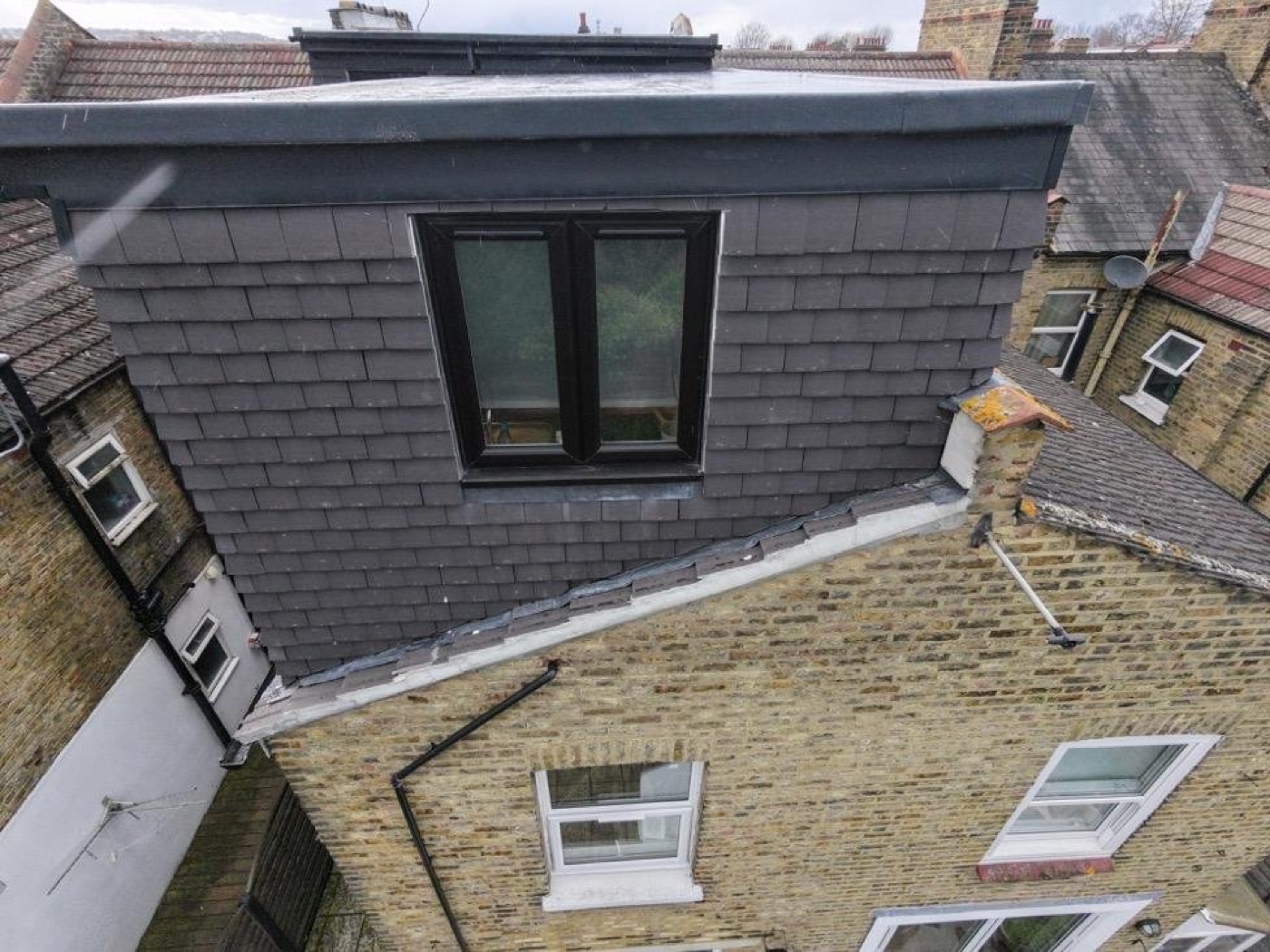
A Level 3 damp survey was commissioned for a ground floor flat in Streatham (SW16) to establish the cause of reported living room wall moisture. The property owner instructed an independent specialist to obtain an authoritative, evidence-based health check. The inspection covered all accessible living areas, subfloors and roof surfaces via drone.
About the Issue
The property owner grew concerned after observing damp plaster behind the couch in the main living room. They sought expert advice to confirm whether full structural waterproofing was necessary before hiring contractors.
The Challenge
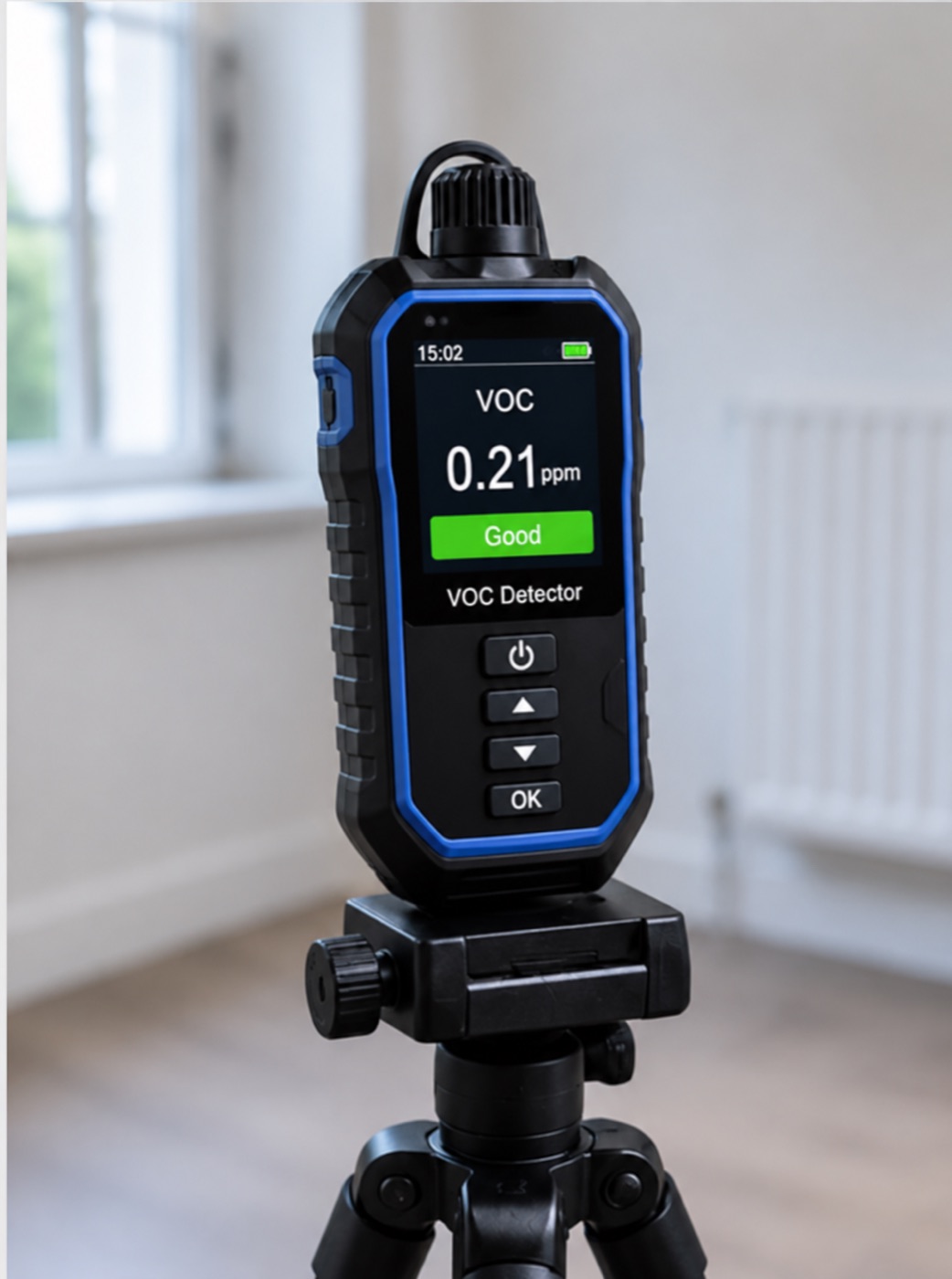
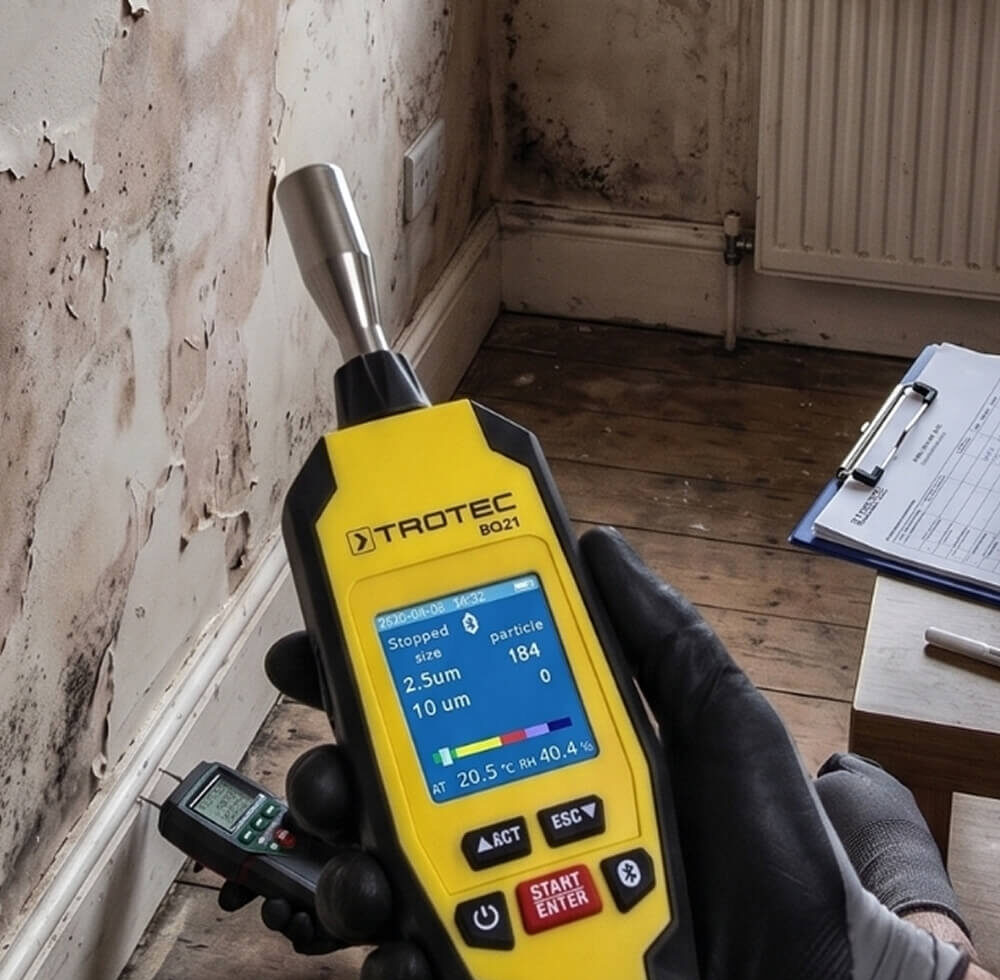
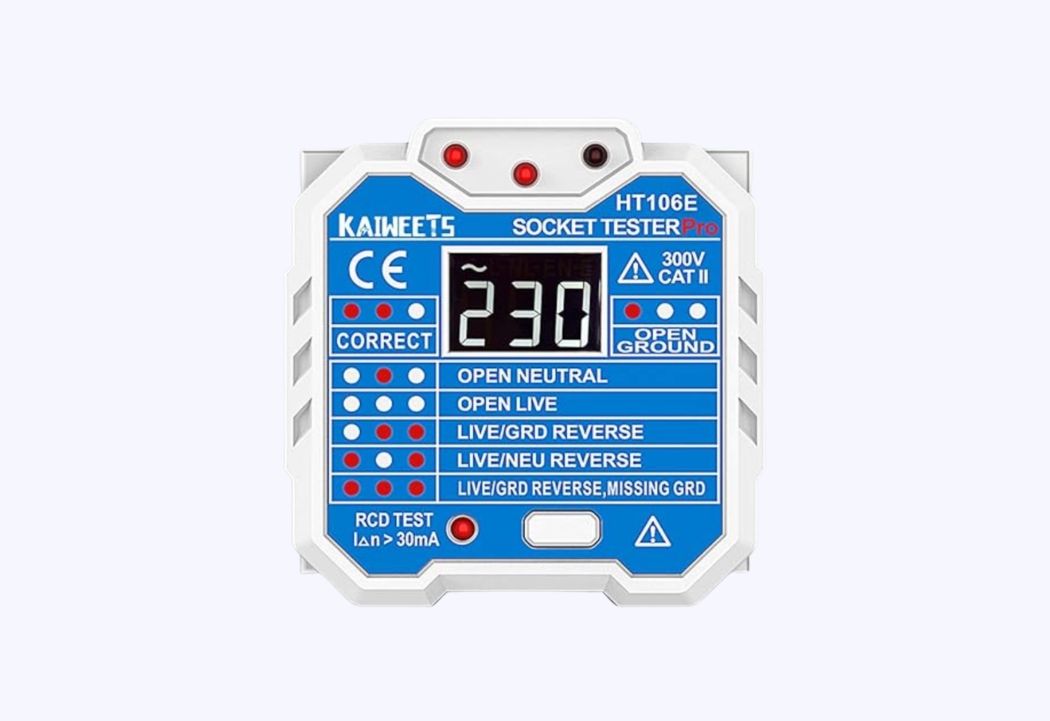
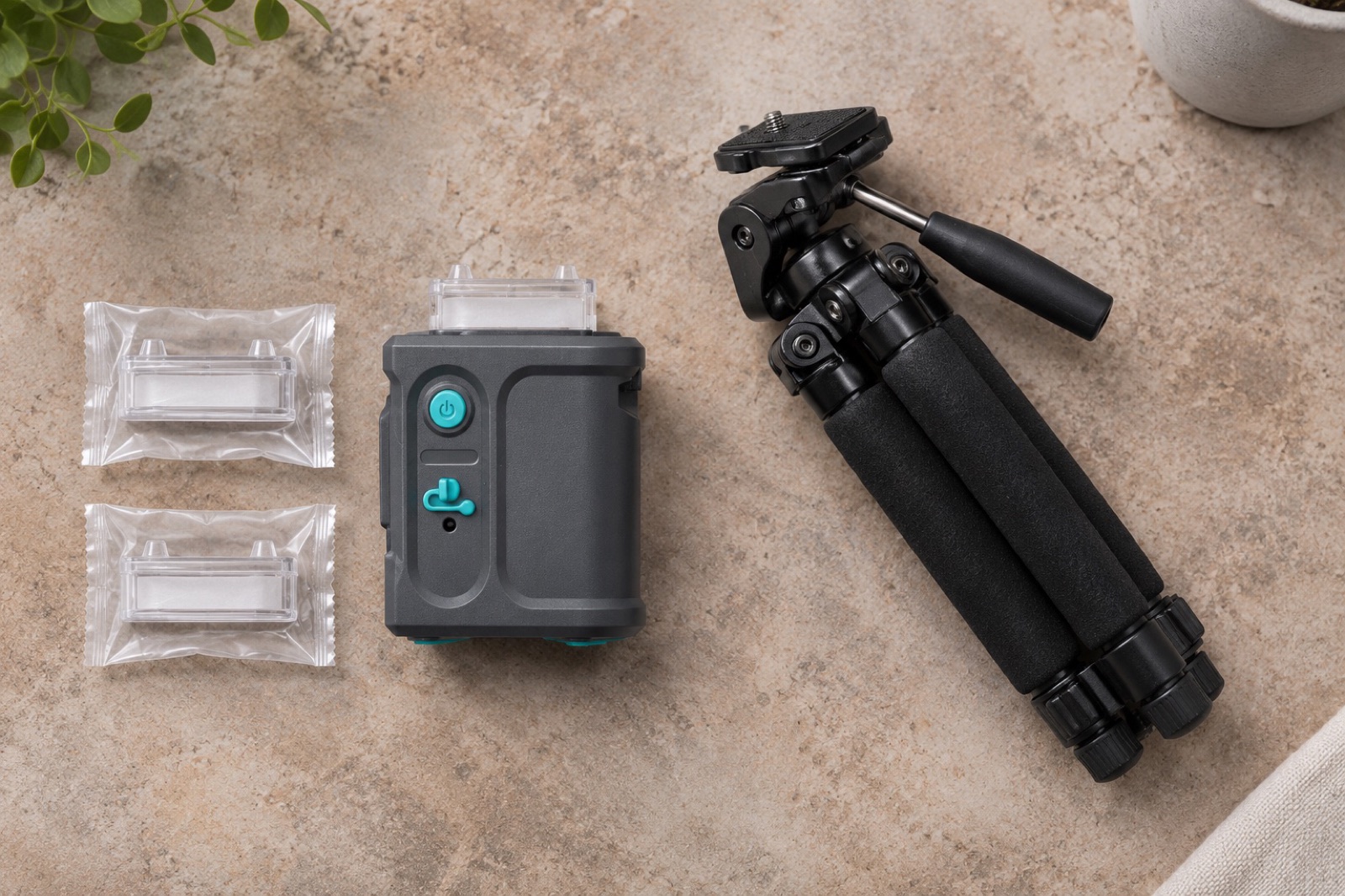
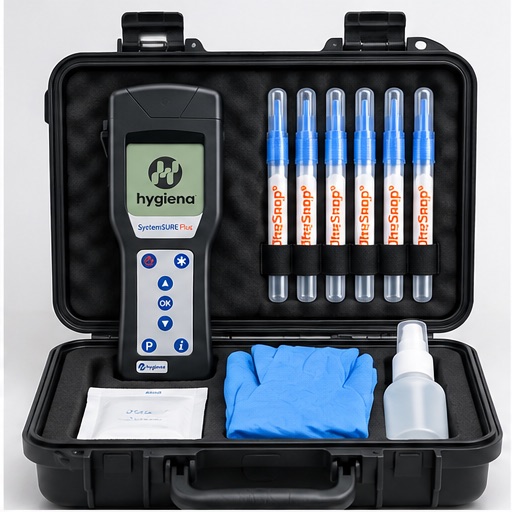
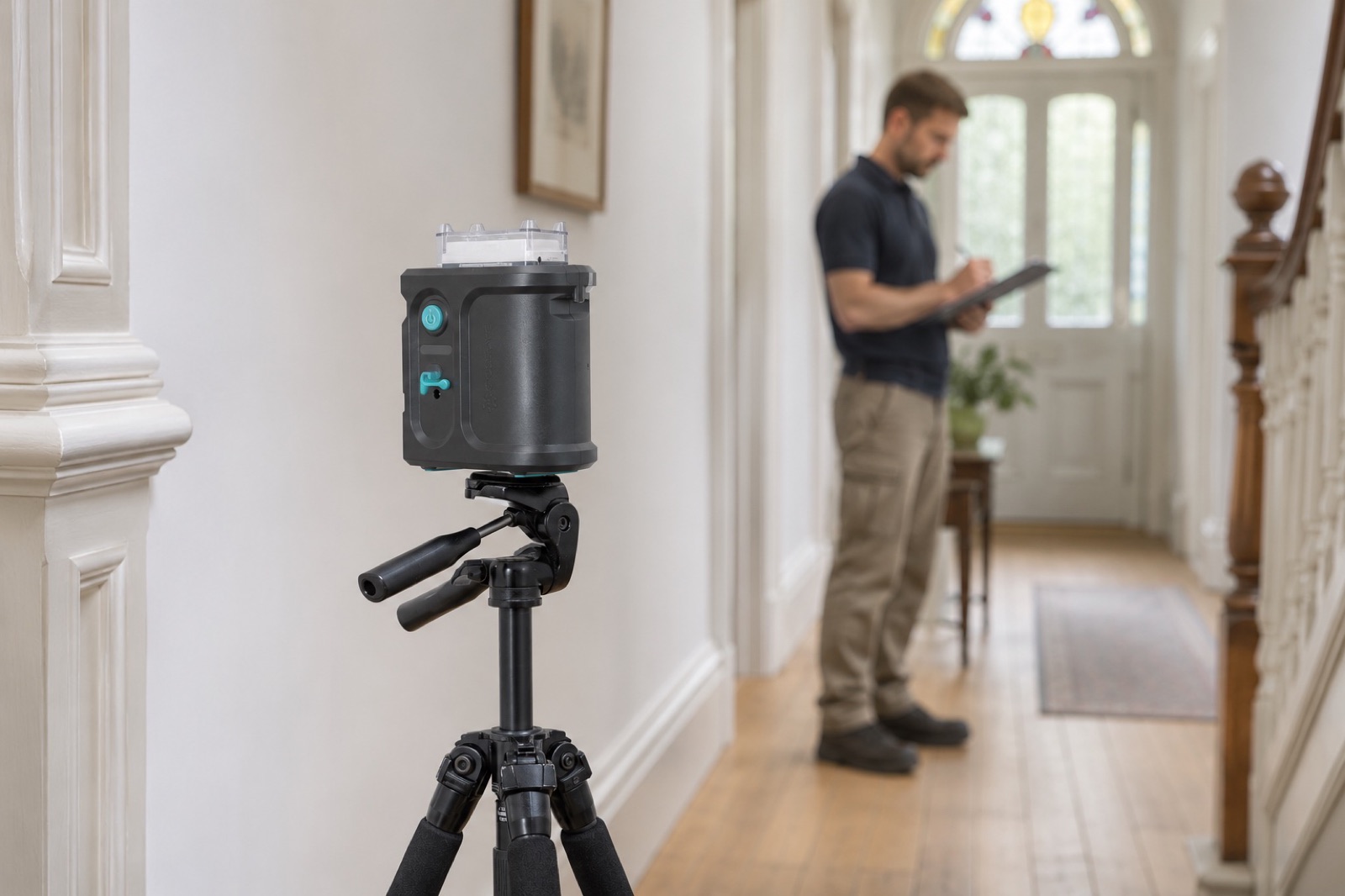
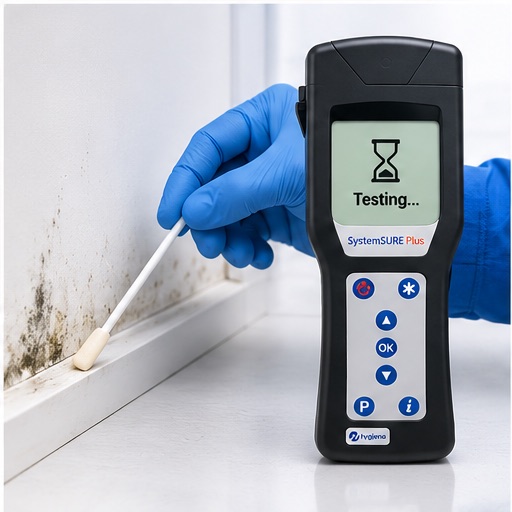
The diagnostic process evaluated internal wall moisture using calibrated meters, recorded room microclimates, checked structural joinery, tested mechanical ventilation and inspected roof coverings via drone.
The survey revealed clear factual evidence:
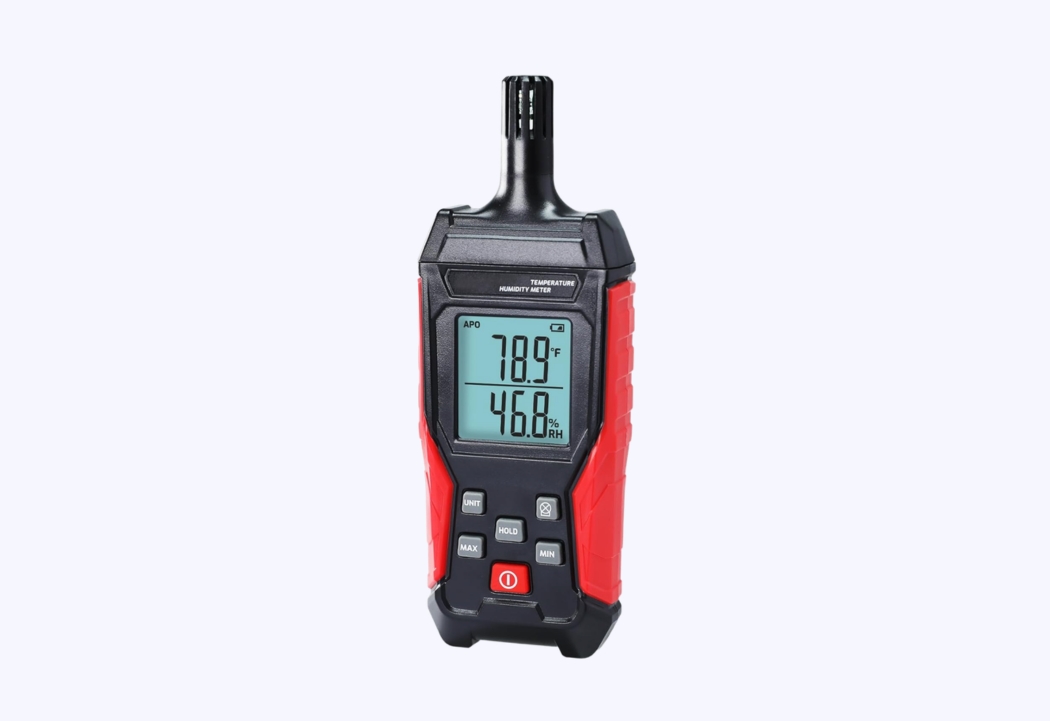
- Relative humidity measured 54.8% at an ambient temperature of 21.3°C, confirming a balanced indoor climate.
- Quantitative testing confirmed dampness was restricted to one localised living room wall section behind the couch.
- All other rooms, walls, floor slabs and ceilings returned normal moisture readings with no damp staining or plaster degradation.
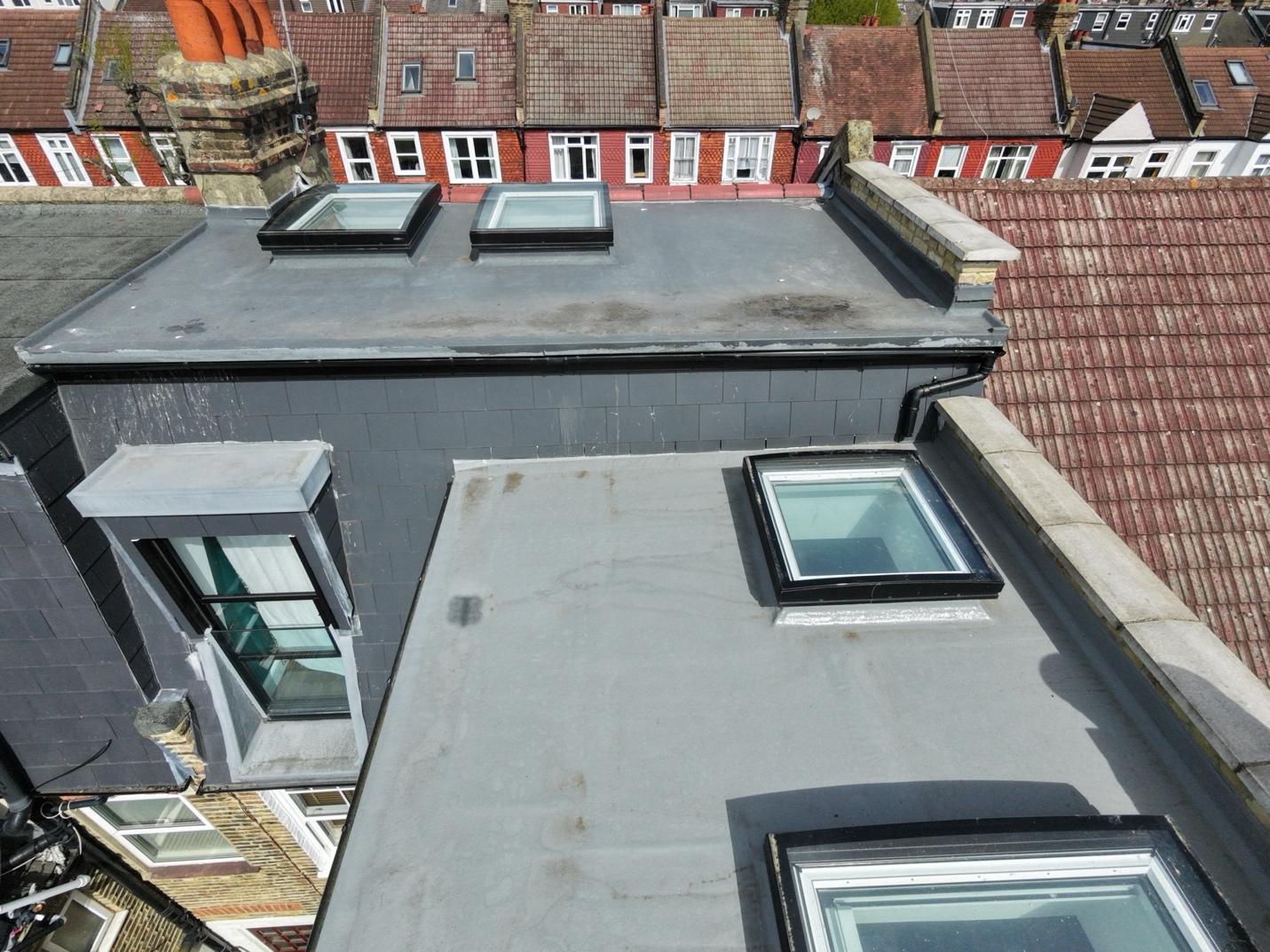
- Drone inspection identified zero defects in roof tiles, flashings, or chimney stacks.
- Full checks confirmed zero evidence of dry rot, wet rot, woodworm, plumbing leaks, drainage defects, or structural movement.
Diagnostic reasoning proved that a localised wall damp defect behind the couch was the sole issue, leaving the rest of the flat completely dry.
The Solution
To permanently resolve the active moisture defect, the report advised:
- Hack off contaminated plaster to a suitable height on the affected living room wall.
- Inject a chemical damp proof course (DPC) into the mortar bed.
- Apply salt neutraliser to raw masonry to control residual ground salts.
- Apply a waterproof tanking slurry barrier coat over the treated brickwork.
- Apply a waterproof render system and finish with smooth replastering.
- Ensure furniture is set slightly away from the wall to maintain natural airflow.
The Outcome
The independent survey provided total clarity, reassuring the homeowner that the property was structurally sound. By proving that roof coverings, floor joists and plumbing were dry, the report saved the owner from unnecessary expenditure on whole-flat damp proofing.
Why This Case Matters
Unbiased damp diagnostics look beyond surface symptoms to identify true root causes. Combining chemical DPC injections with tanking slurry and salt neutralisers specifically where elevated moisture exists ensures building defects are corrected without wasted expenditure.
Why is salt neutraliser applied during the repair process?
Salt neutraliser treats hygroscopic salts embedded in raw masonry, preventing residual salts from drawing atmospheric moisture into new plaster finishes.
How was the condition of the main roof verified?
An aerial drone inspection was conducted, confirming that roof tiles, flashings and chimney areas are in good condition with no water ingress.
Does the couch position affect wall dampness?
Restricted airflow behind tightly fitted furniture can trap moisture on wall surfaces; keeping furniture slightly away from walls encourages healthy air movement.
Get expert, unbiased advice on your home’s damp condition today.