An independent Level 3 damp survey was commissioned for a modern apartment in Blackwall (E14). The property owner instructed the specialist investigation after discovering localised mould growth and deteriorating wall coverings inside the main living space. Commissioning an unbiased assessment ensured that the root cause was correctly identified before any disruptive building work took place.
About the Issue
The homeowner observed a significant accumulation of black mould on one wall in the living room, accompanied by flaking and peeling wallpaper. Fearing an active plumbing failure within the building structure or an ongoing leak from the flat above, they requested an expert diagnostic evaluation.
The Challenge
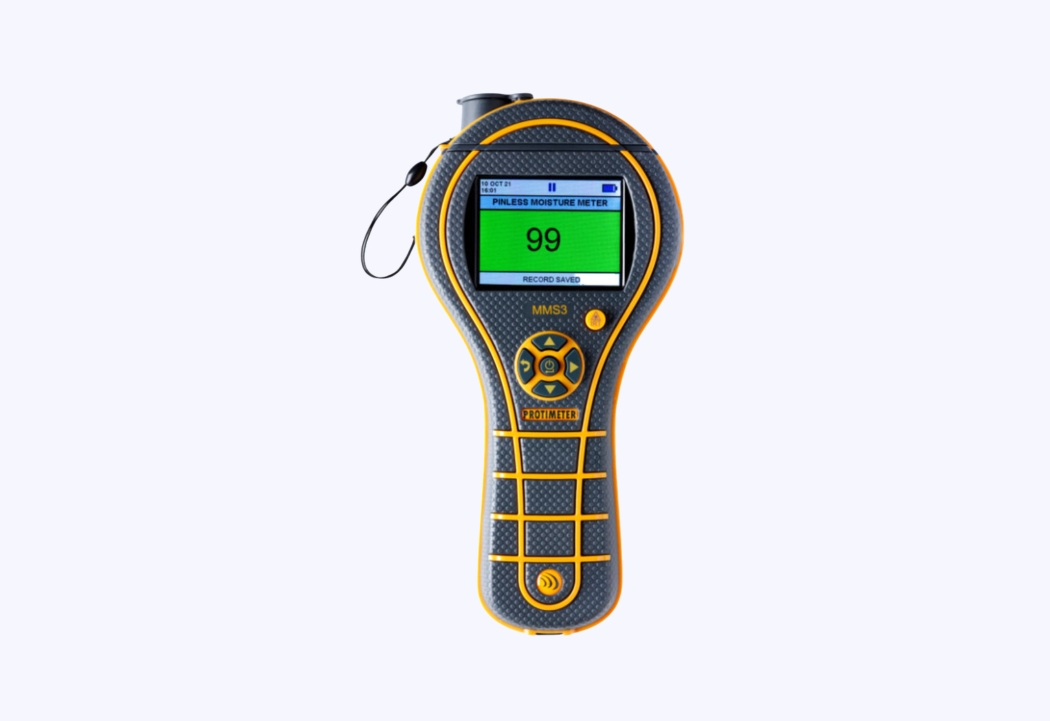
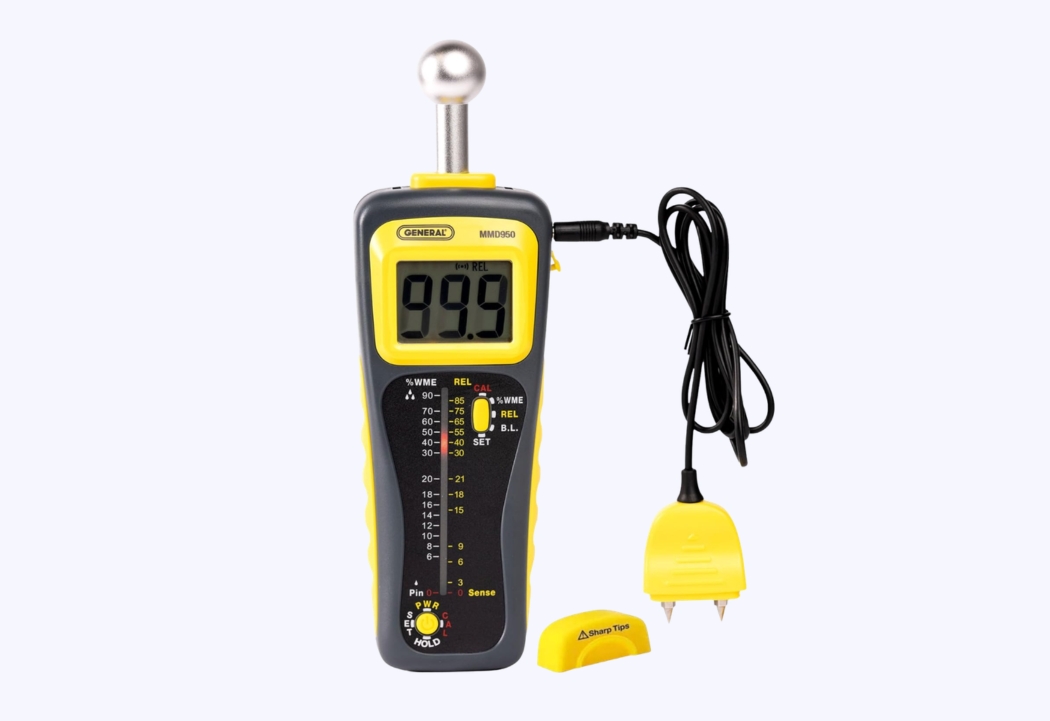
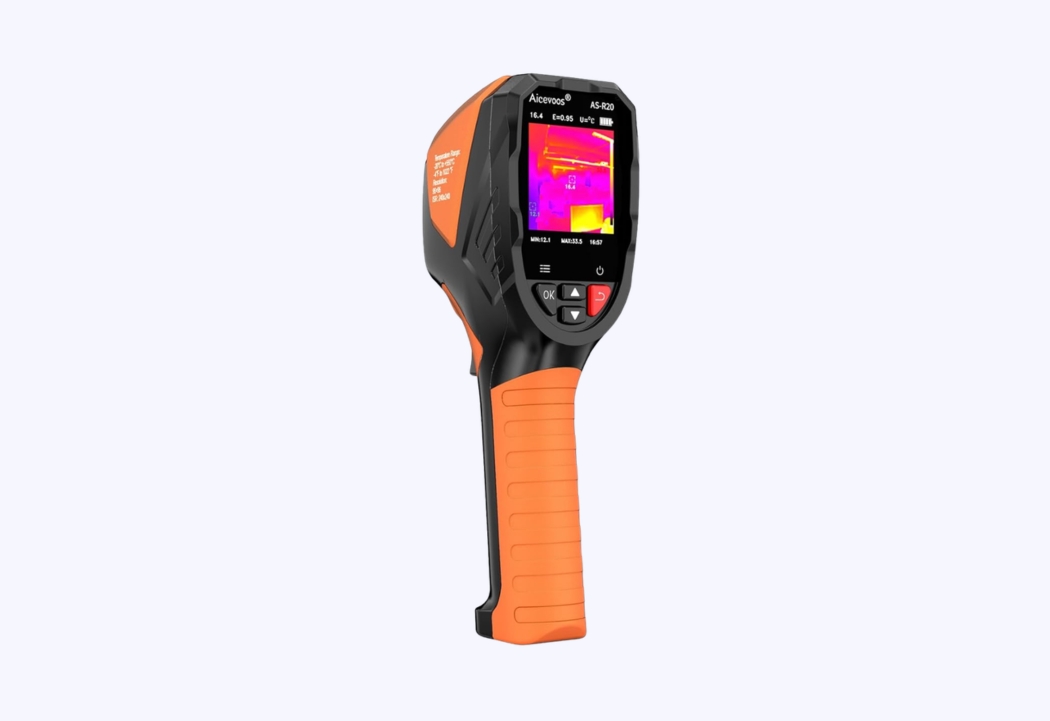
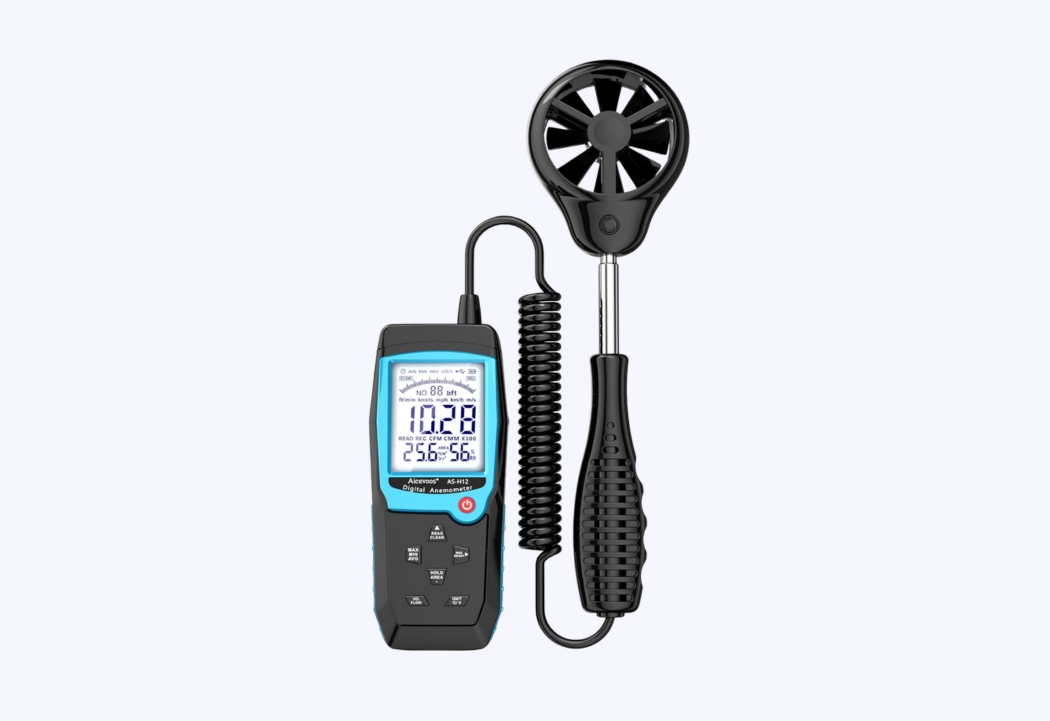
A Level 3 damp survey was conducted across the apartment, examining internal walls, moisture gradients, relative humidity, sanitary fittings and structural elements. The diagnostic objective was to pinpoint the exact route of water ingress affecting the living room masonry.
Investigative testing and inspection established key diagnostic facts:
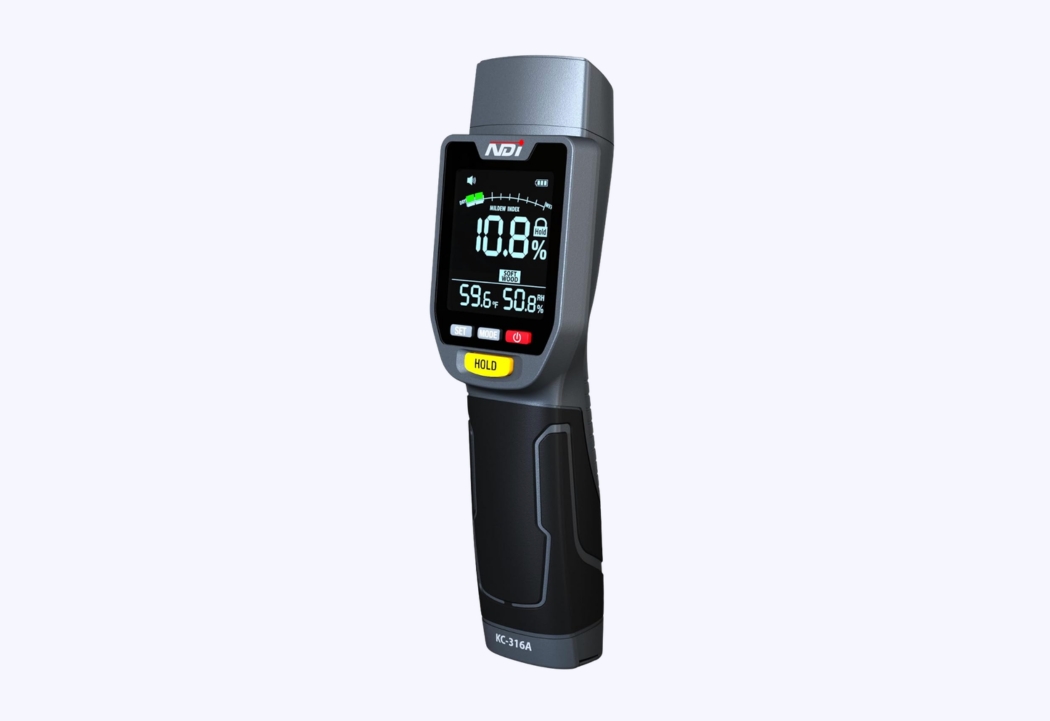
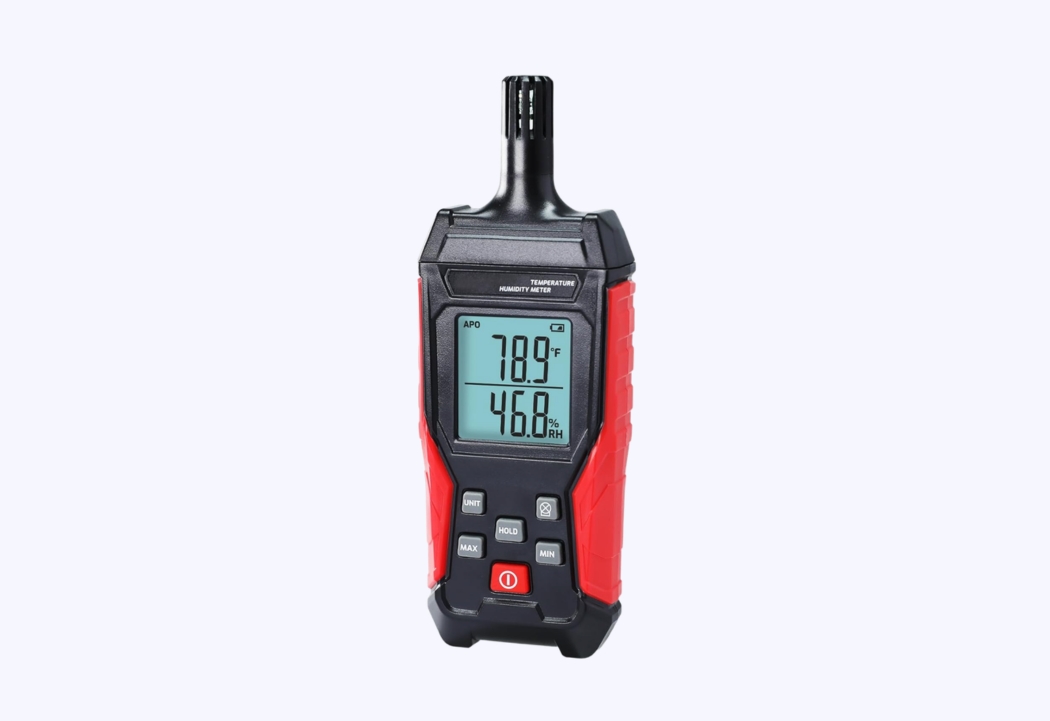
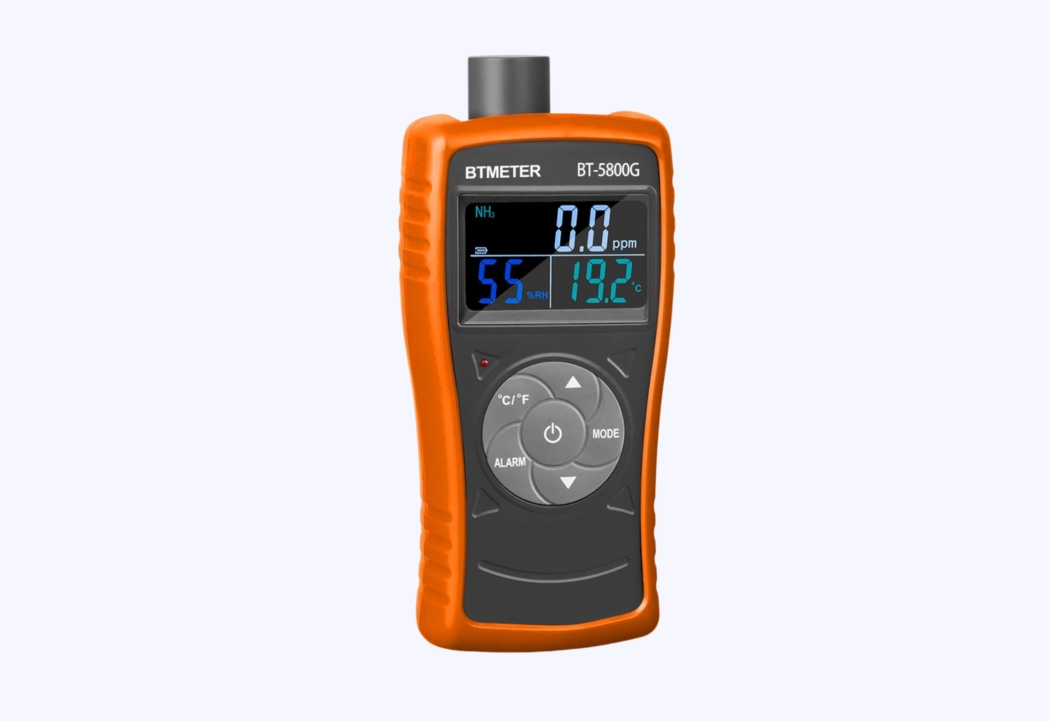
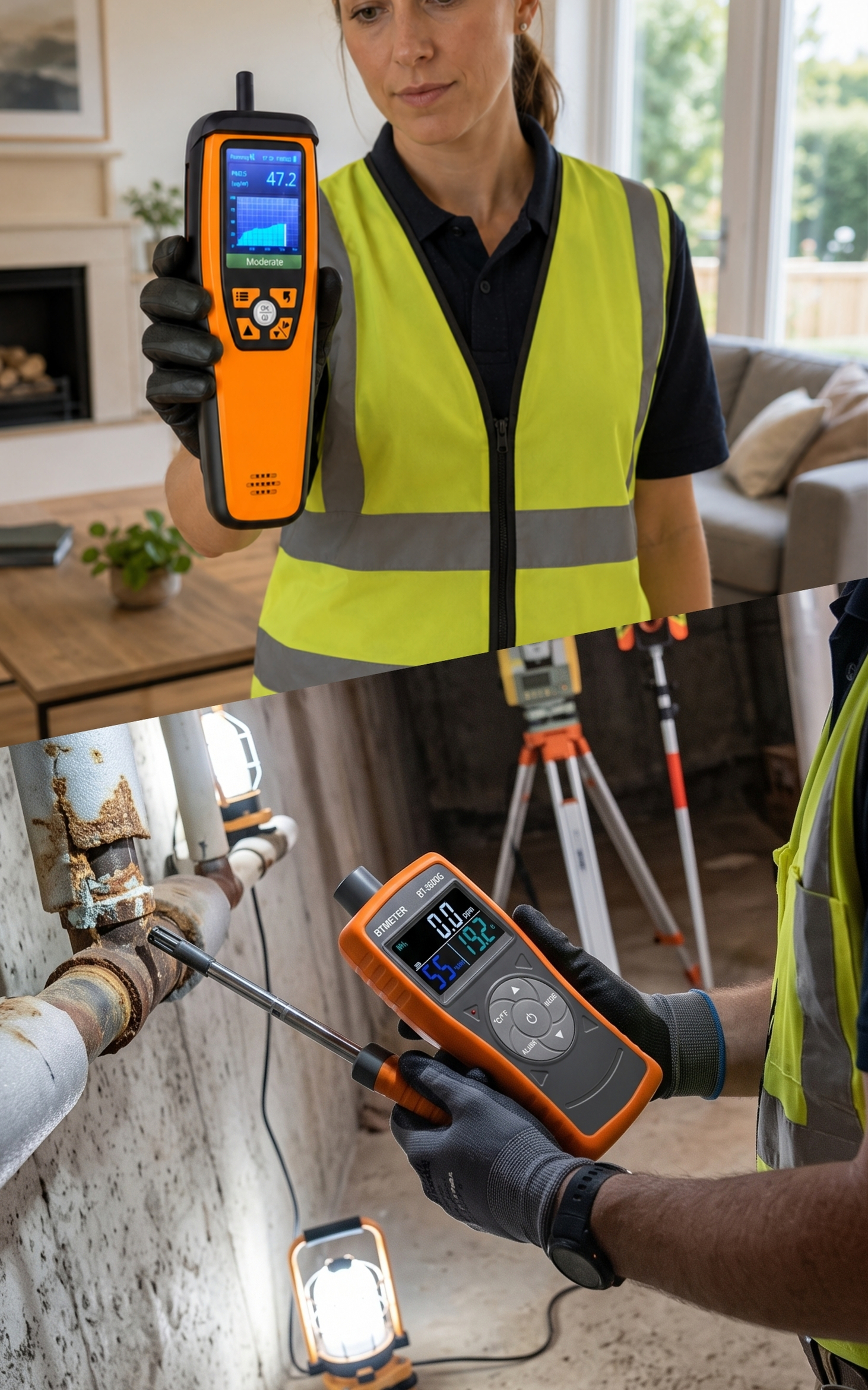
- Air humidity levels were recorded at 54.5%, representing a slightly elevated level that can encourage mould growth on damp surfaces.
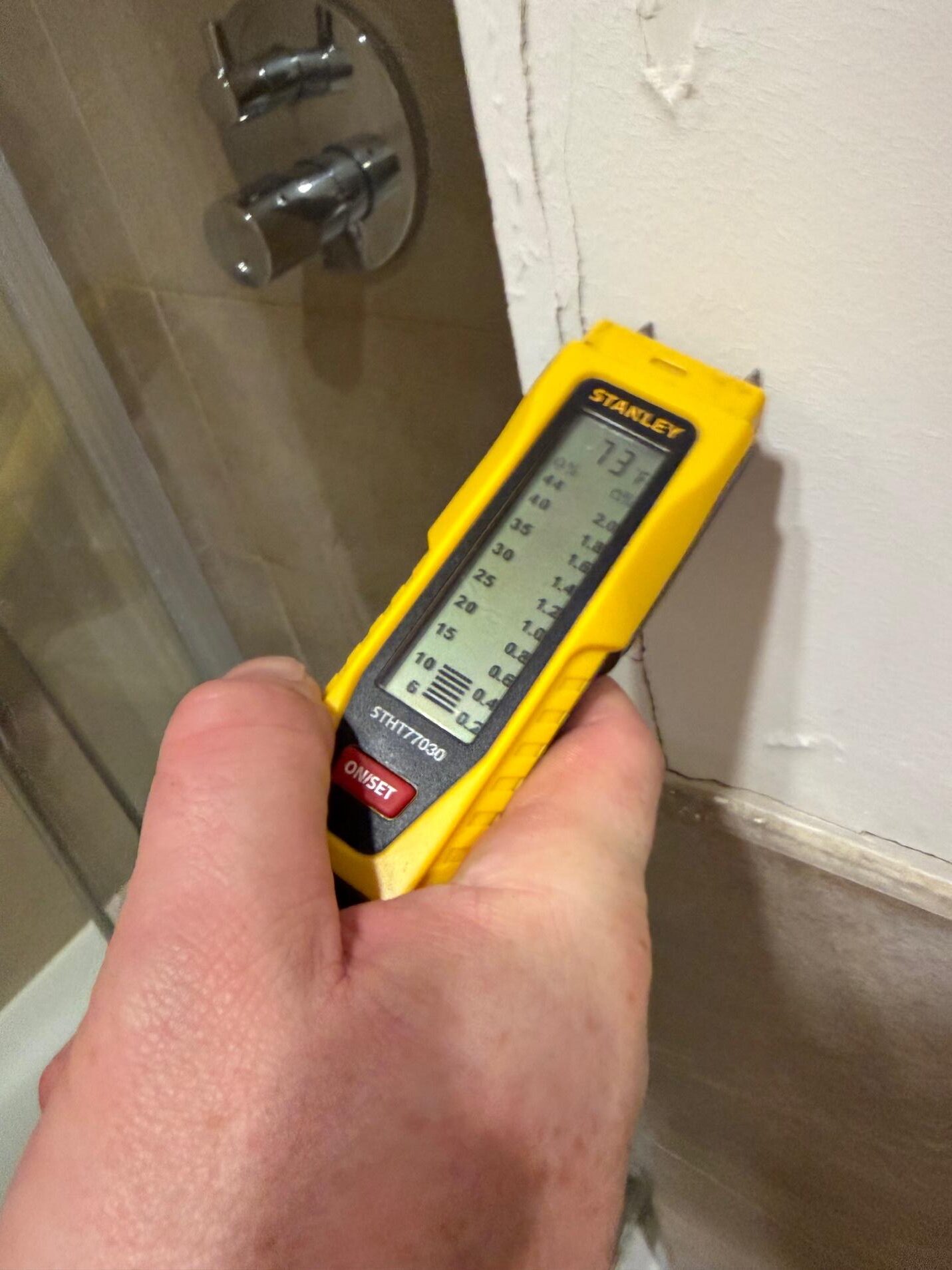
- High moisture readings were concentrated along the lower section of the affected living room wall rather than extending from the ceiling downward, ruling out an active overhead leak from the flat above.
- Inspection of the adjoining bathroom wall revealed that silicone sealant around the bath was failing in several areas, allowing shower water to escape behind the bath, run onto the floor and absorb into low-level plasterboard.
- Historic staining on the bathroom ceiling and wall was tested and found completely dry, confirming that an earlier leak from the flat above was no longer active.
- Full checks confirmed zero evidence of dry rot, woodworm, structural movement, or active plumbing and drainage pipe leaks.
In addition, the shower sealant in the other bedroom area was found to be in the early stages of failure, requiring preventative renewal.
The Solution
To remediate the living room wall and stop further water escape, the report set out a targeted remedial plan:
- Remove the affected damp and mould-contaminated plasterboard wall in the living room.
- Allow the exposed wall and subfloor structure to dry thoroughly.
- Install new plasterboard, followed by replastering and redecoration.
- Remove and replace the defective silicone sealant around the bath, ensuring complete watertightness before shower use resumes.
- Renew the failing silicone sealant around the shower in the second bedroom area as a preventative measure.
- Monitor the dry historic stains on the bathroom ceiling and wall, redecorating once stability is confirmed.
- Maintain adequate ventilation to keep internal humidity as low as reasonably possible.
The Outcome
The property owner gained absolute clarity regarding the source of the dampness. Rather than paying for unnecessary, invasive damp proofing or wall tanking, they resolved the problem by stripping the damaged plasterboard and replacing a simple bath silicone seal.
Why This Case Matters
High moisture readings at the base of internal plasterboard can easily be misdiagnosed as rising damp or complex plumbing faults. An independent diagnostic survey evaluates wall construction and adjoining sanitary fixtures, protecting homeowners from expensive, over-engineered repairs when simple sealant maintenance is the true remedy.
FAQs
Why was a leak from the flat above ruled out for the living room wall?
Water from an overhead leak tracks downward from ceiling height. Moisture on the living room wall was concentrated exclusively at low level near the floor, indicating water entry at the base of the plasterboard.
What was the recorded air humidity in the apartment?
The ambient air humidity was recorded at 54.5%, which is slightly elevated for an apartment of this type and can accelerate mould development on damp wall surfaces.
Are there any structural or timber defects in the property?
No. The inspection confirmed complete freedom from dry rot, woodworm infestation, structural issues and active pipework leaks.
Ensure your home receives an honest, evidence-based assessment before undertaking building repairs.