An independent Level 3 damp survey was carried out on a residential house in Canning Town (E16). The property owner requested the survey to investigate suspected water ingress and evaluate overall structural condition. The comprehensive inspection delivered complete clarity across all floors.
About the Issue
The property owner became concerned following suggestions that damp was penetrating the lower ground floor from external entrance steps above. They feared that unseen water ingress was threatening internal finishes or compromising structural timbers.
The Challenge
Executing a thorough Level 3 damp survey involved inspecting lower ground spaces, upper living rooms, external wall details, drainage, plumbing and roof coverings. The diagnostic goal was to determine if moisture was migrating through external steps or masonry.
Key diagnostic observations and measurements included:
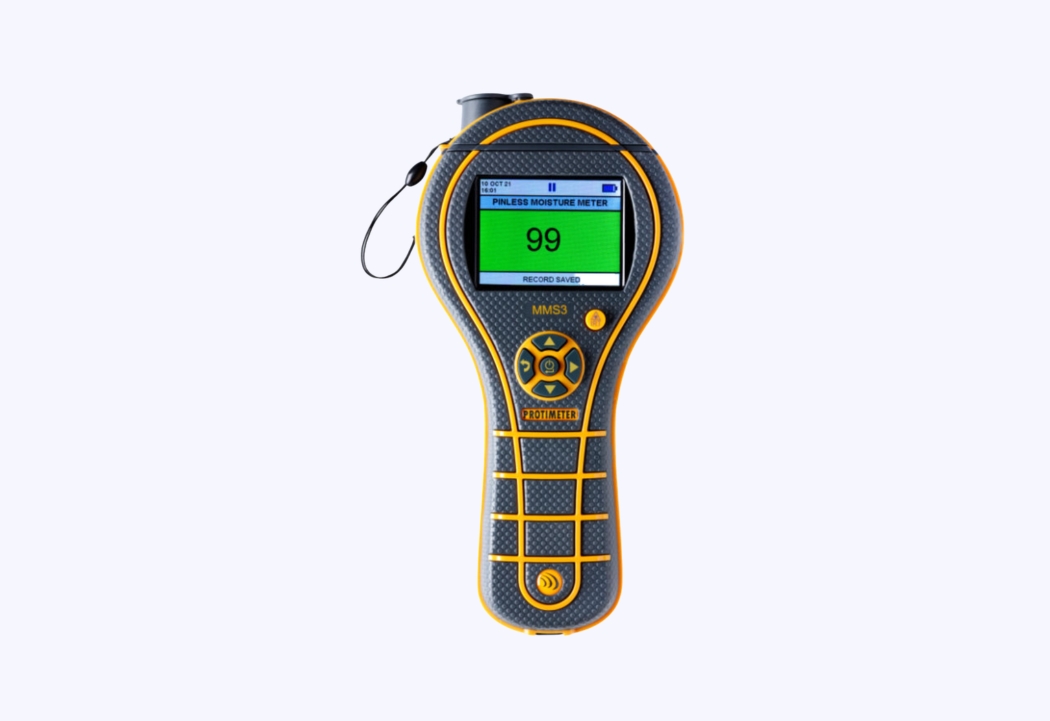
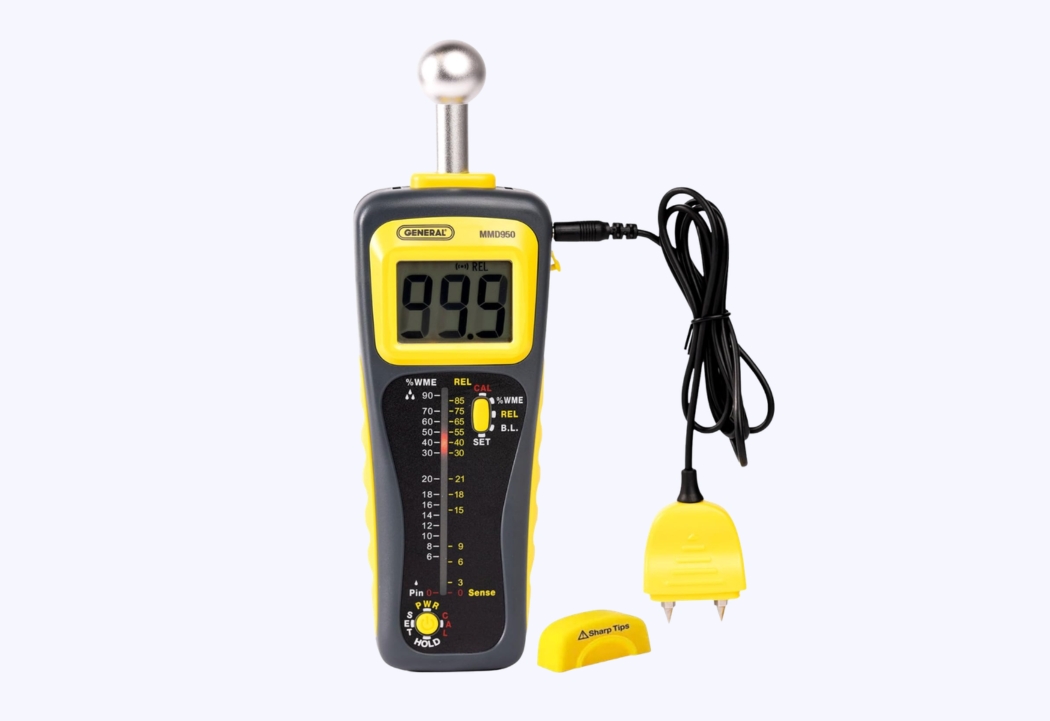
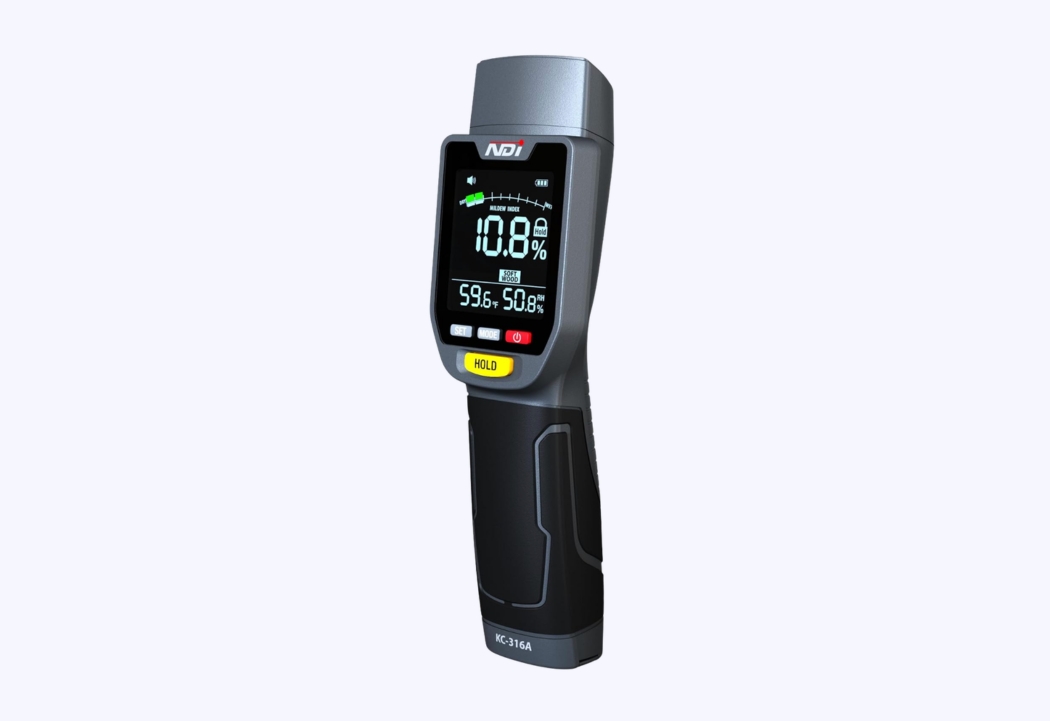
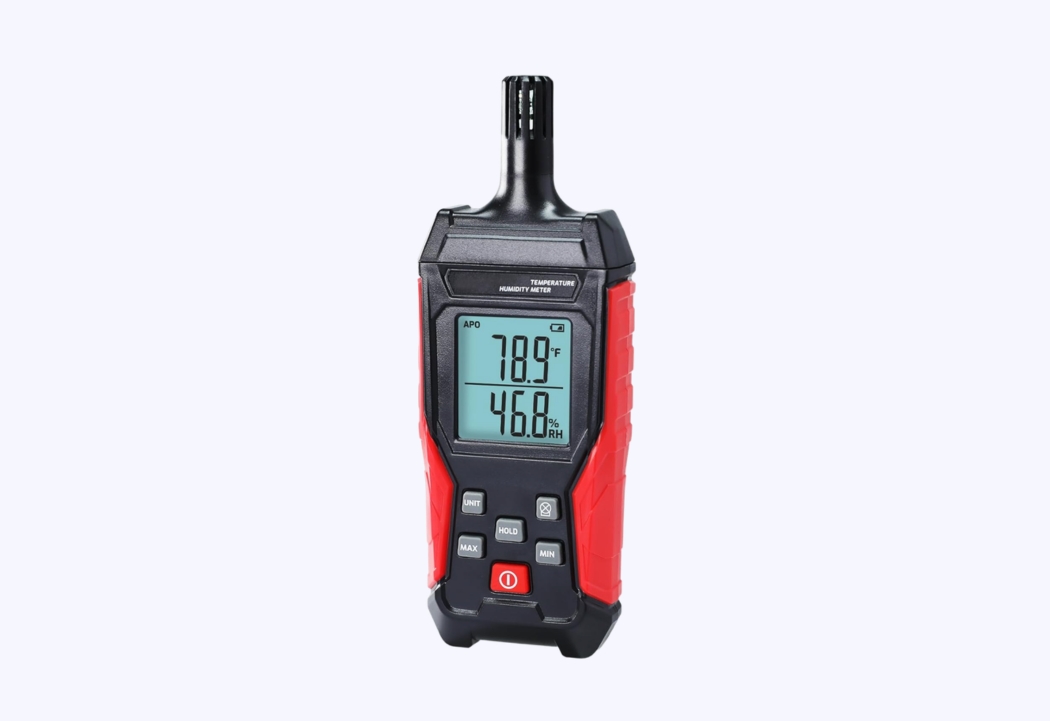
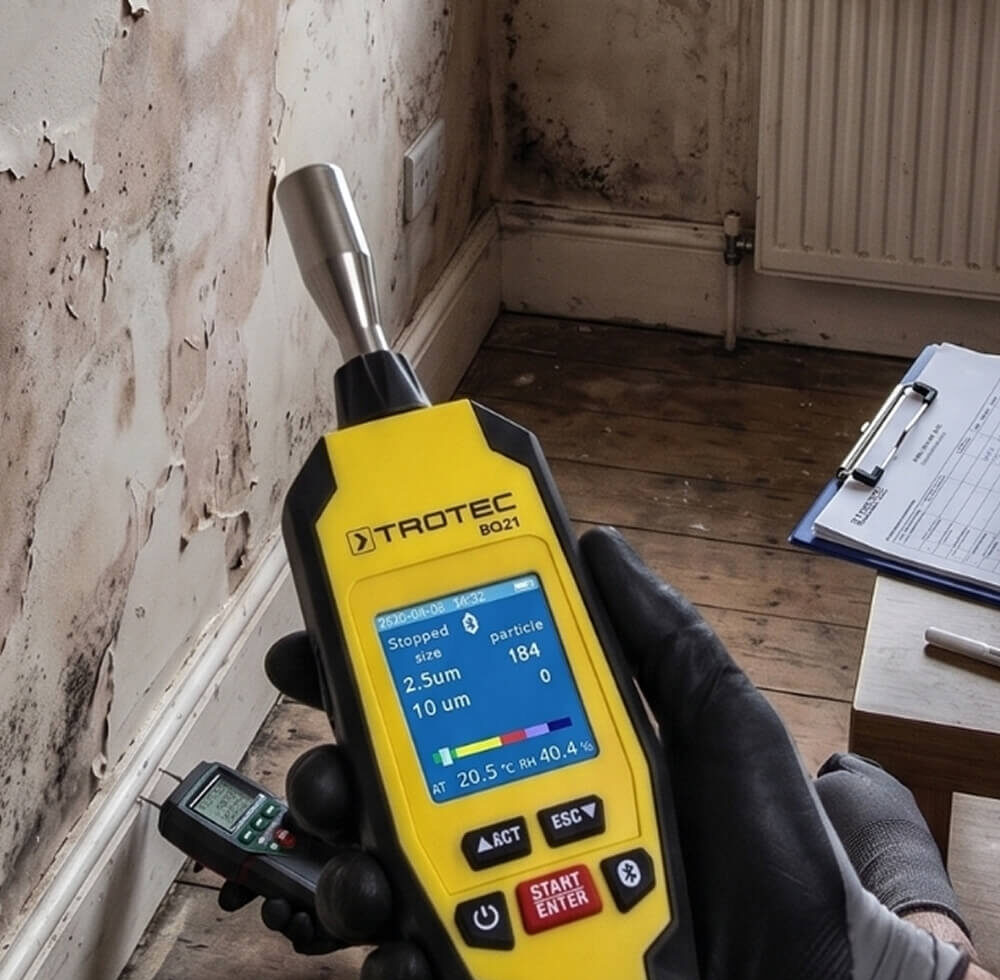
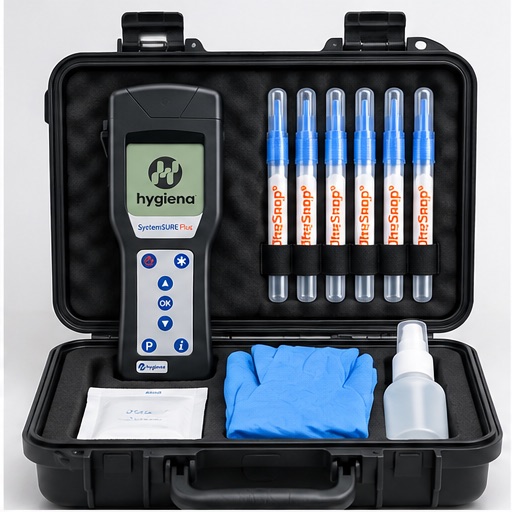
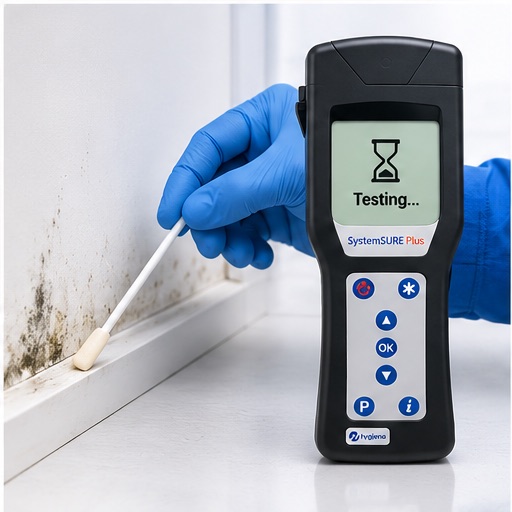
- Direct moisture meter testing over lower ground floor walls and floors returned dry results, establishing that external steps were fully watertight.
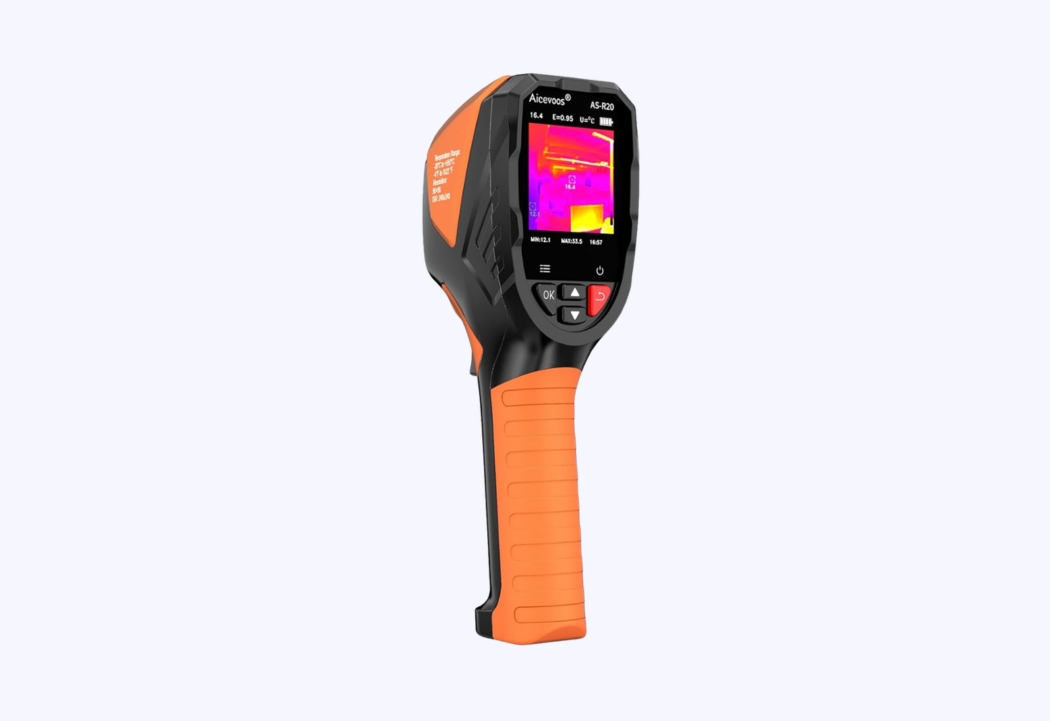
- Infrared thermal imaging confirmed uniform surface temperatures across all internal walls, proving no hidden damp or cold bridging was present.
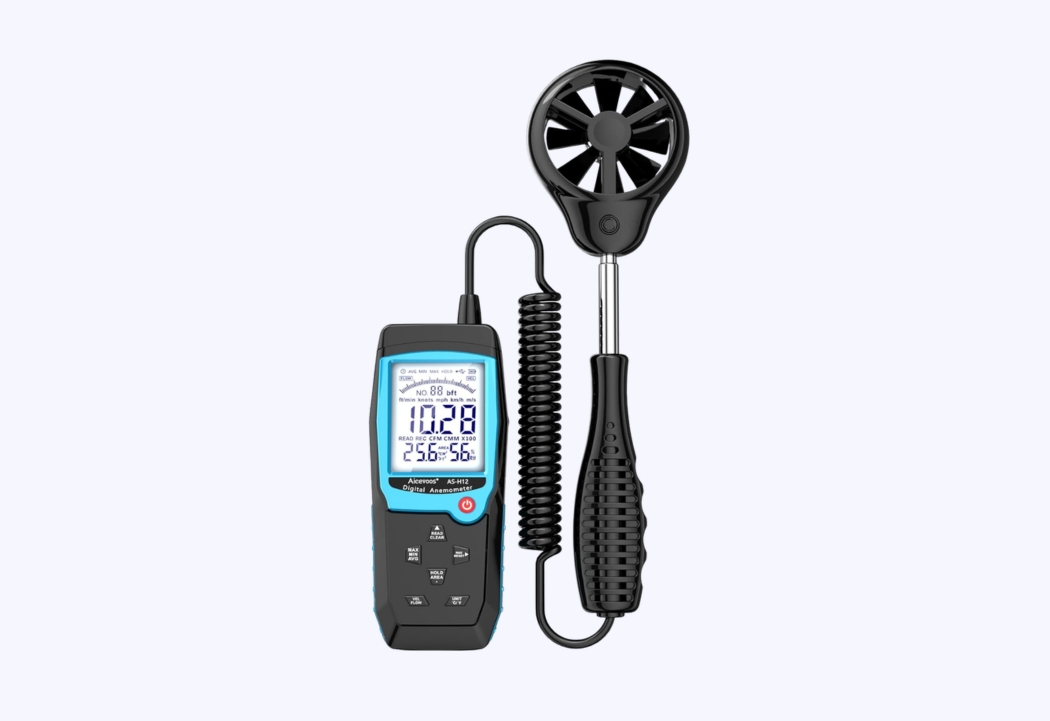
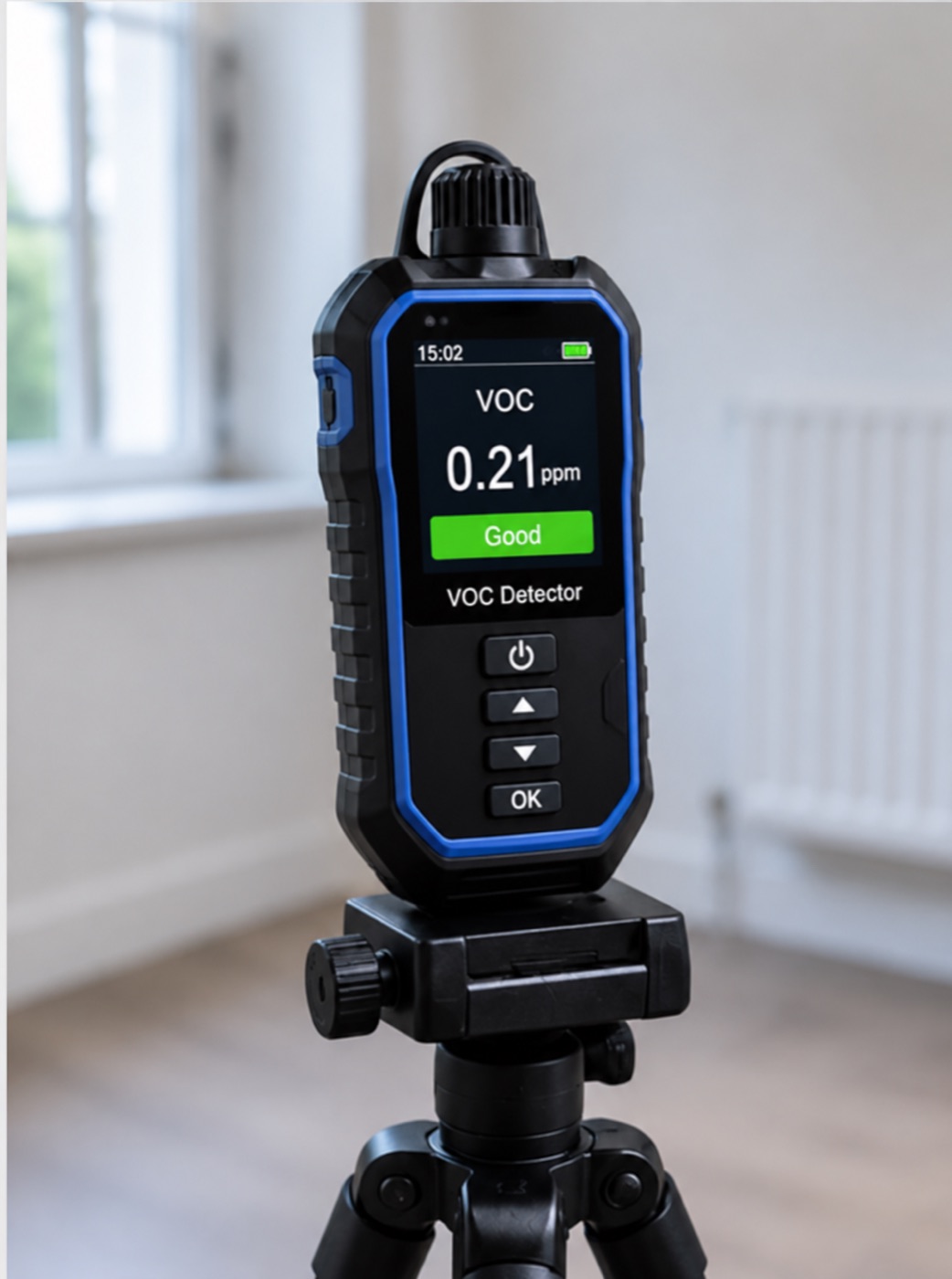
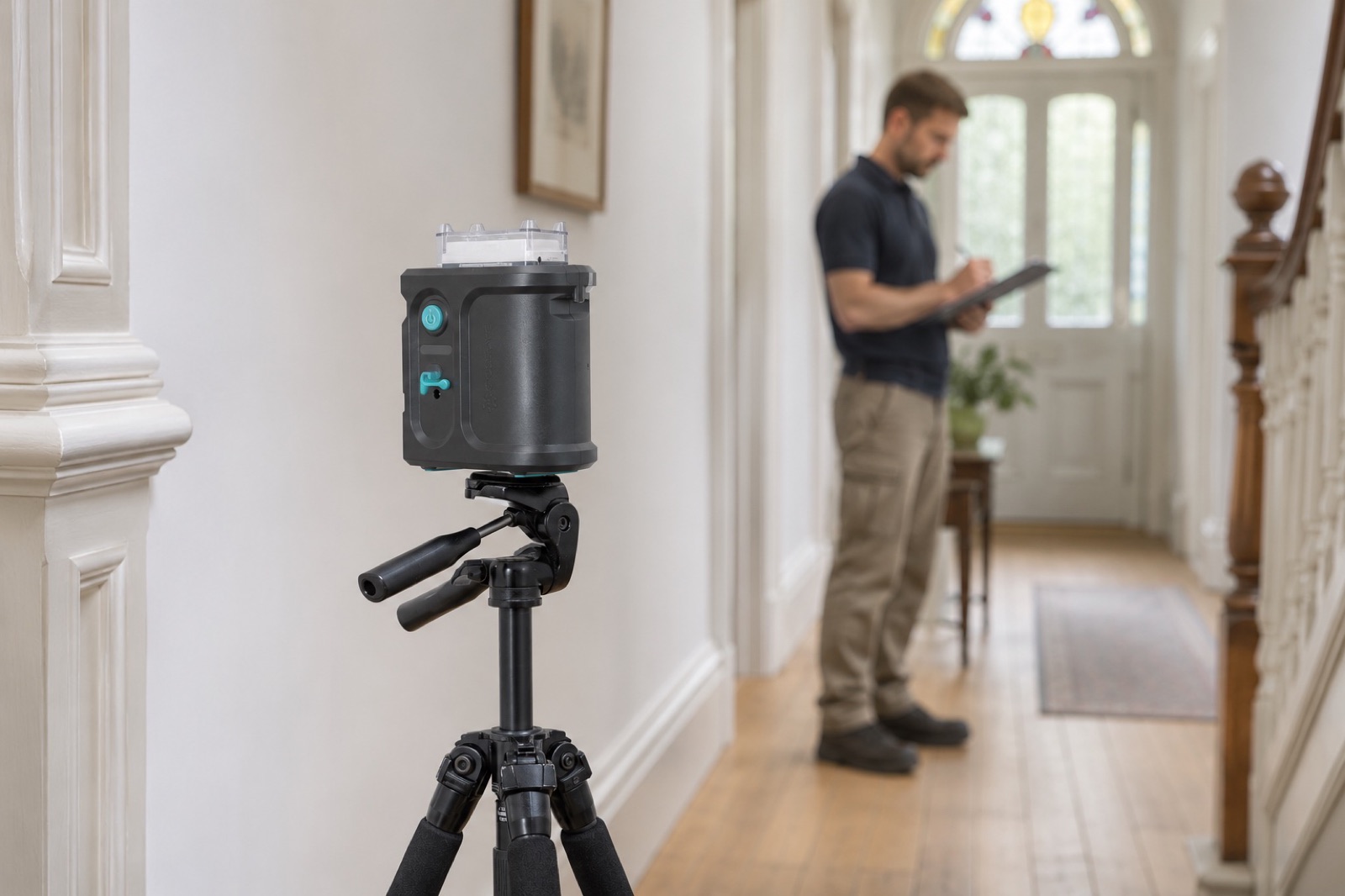
- Atmospheric testing confirmed internal air humidity readings were within normal living thresholds, supported by effective extractor fan airflow in wet areas.
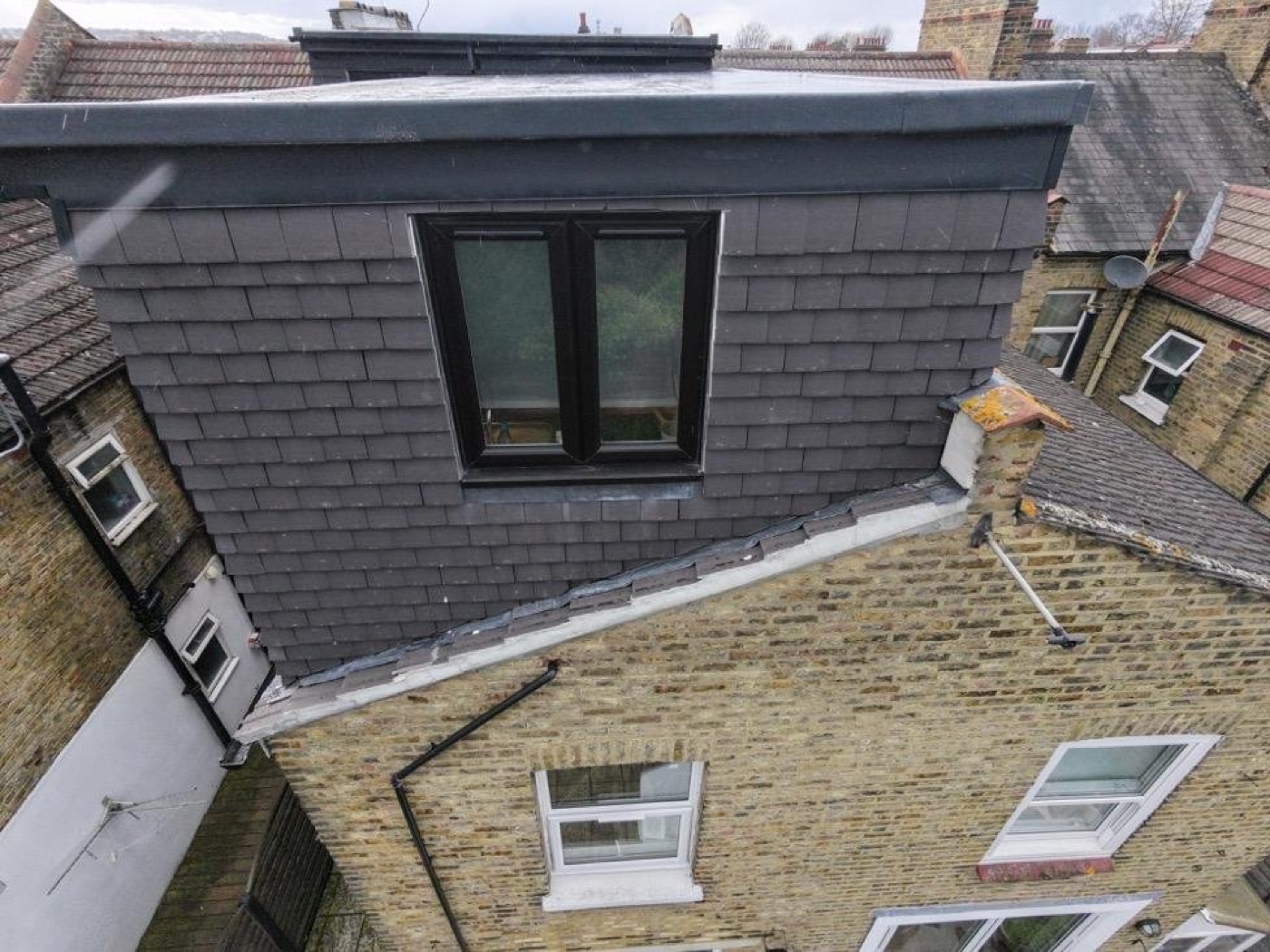
- Drone inspection confirmed the roof structure, flashings, chimneys and guttering were in good working order with no blockages.
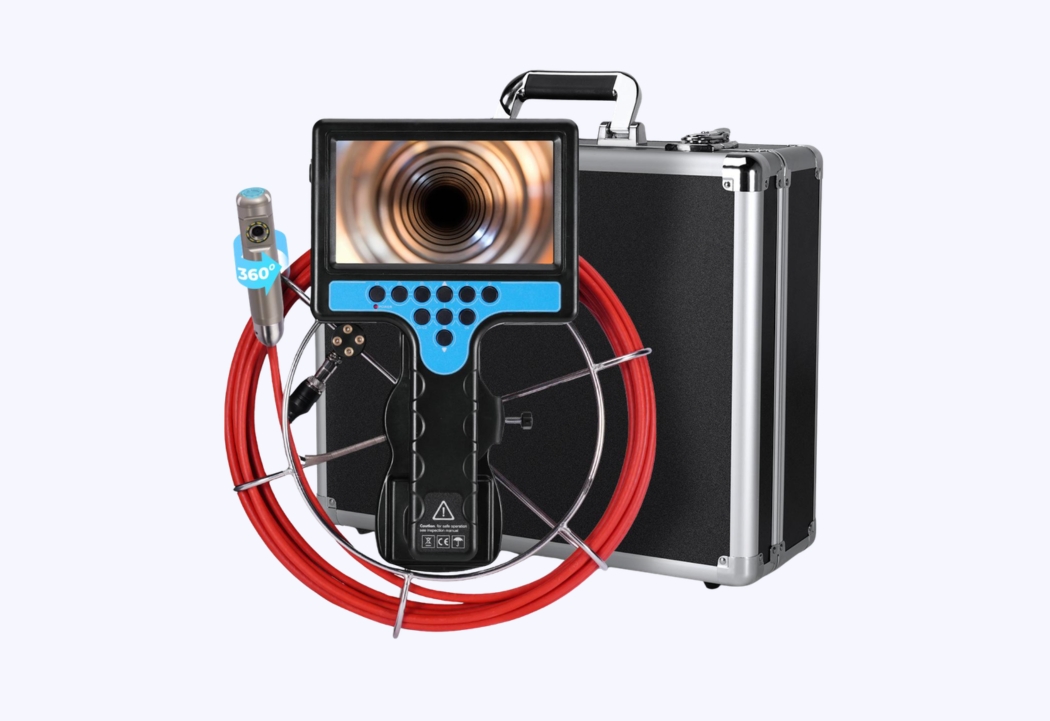
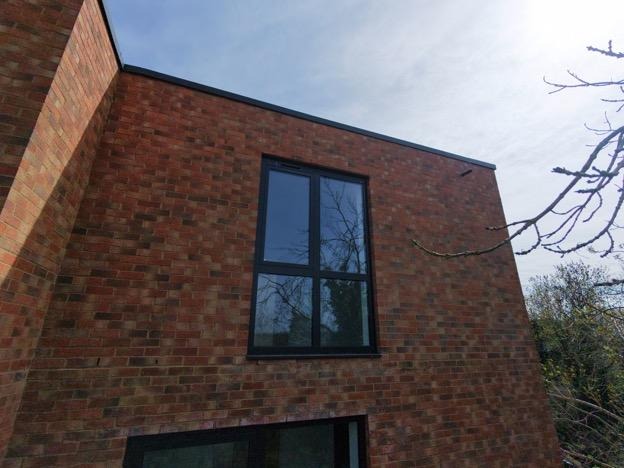
Inspection of exposed timbers confirmed zero dry rot, wet rot, or woodworm infestation. Plumbing and drainage runs showed no defects or leakage, while external brickwork, pointing and the damp proof course (DPC) were in very good condition.
The Solution
The report concluded that the property was in excellent condition with no damp detected, establishing a simple maintenance recommendation:
- Proceed with routine property upkeep and ventilation practices to preserve existing dry conditions.
The Outcome
The homeowner received definitive proof that their home was dry and structurally sound. By choosing an independent specialist survey, they avoided heavy-handed contractor quotes for structural waterproofing and gained complete peace of mind.
Why This Case Matters
Visual assumptions regarding lower ground entrance steps can easily lead to misdiagnoses. Specialist tools like thermal imaging cameras measure actual thermal and moisture profiles, protecting building owners from spending on unnecessary remedial treatments.
Were any timber rot or insect infestations found during the check?
No. All accessible timber elements were inspected and found to be completely free of dry rot, wet rot and woodworm.
What were the findings regarding the damp proof course (DPC)?
The DPC was visually assessed and confirmed to be present, intact and functioning as expected.
Was any active water penetration found at the lower ground level?
No. Walls, floors and adjoining surfaces at the lower ground level were tested and confirmed dry, with zero water ingress.
Protect your investment with an unbiased diagnostic damp inspection.