An independent Level 3 damp survey was commissioned for a ground floor flat in Hornsey (N8). The property owner arranged the specialist inspection after observing moisture marks on internal walls. Instructing an independent diagnostic survey ensured that the owner received an objective health check based on direct physical testing.
About the Issue
The homeowner observed persistent dampness along the front living room wall, around the bay window and on a small section of the back kitchen wall beside the radiator. Fearing widespread structural failure, pipe leaks, or roof defects across the flat, they requested a comprehensive diagnostic report.
The Challenge
A complete Level 3 damp survey was undertaken across the entire ground floor flat to evaluate internal walls, floor slabs, plumbing runs, drainage, structural timbers and roof elements.
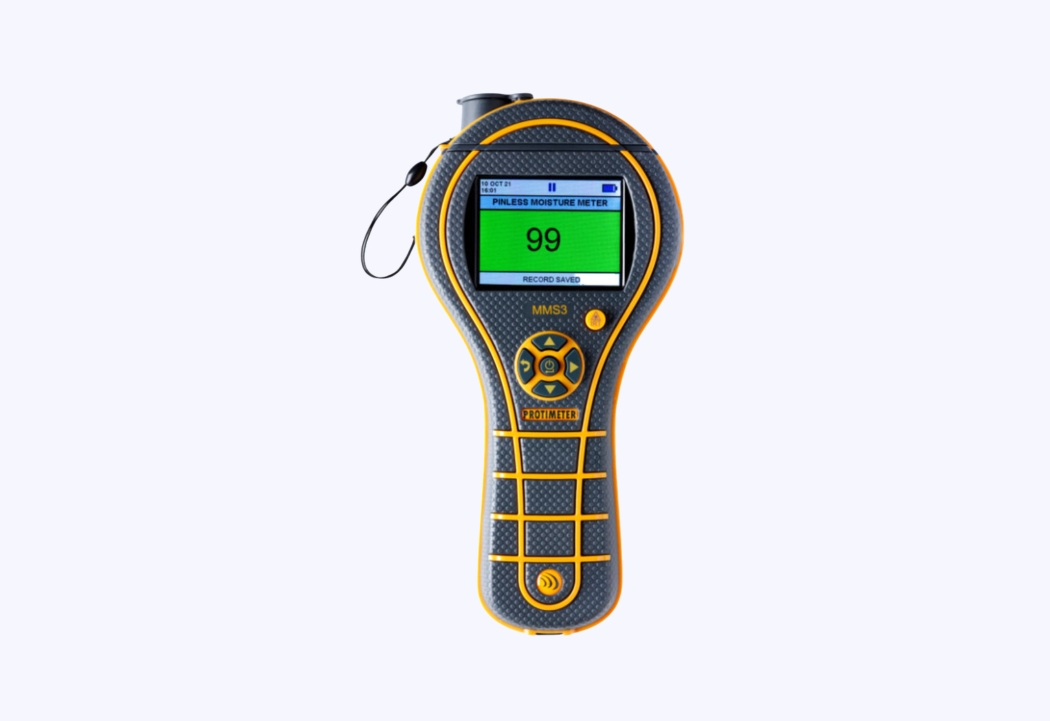
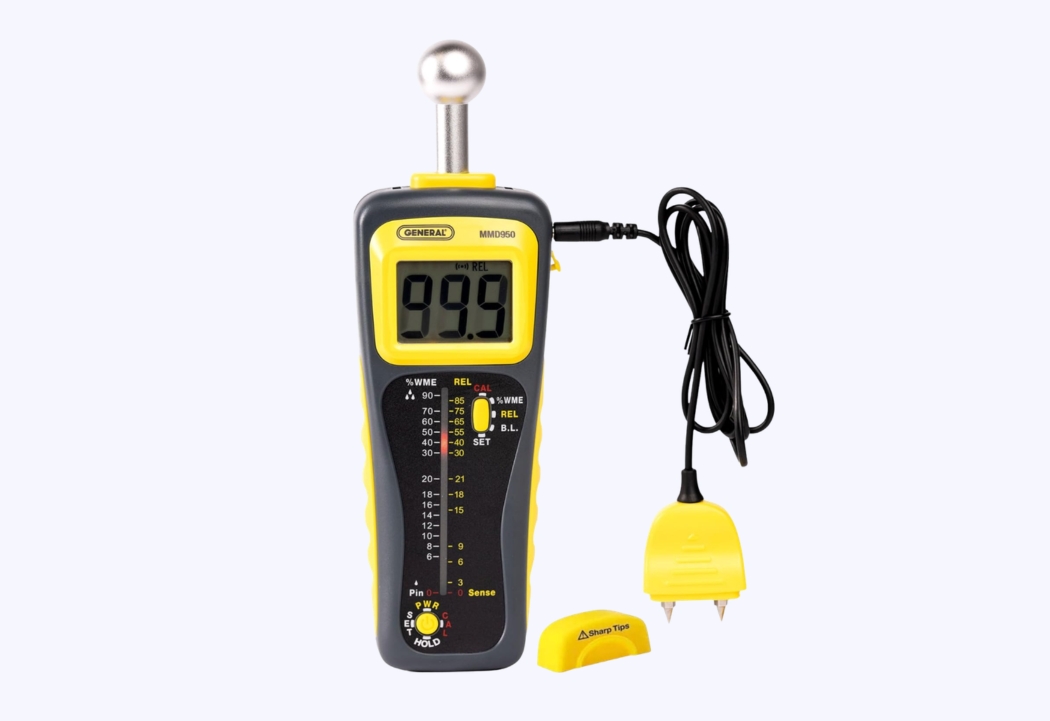
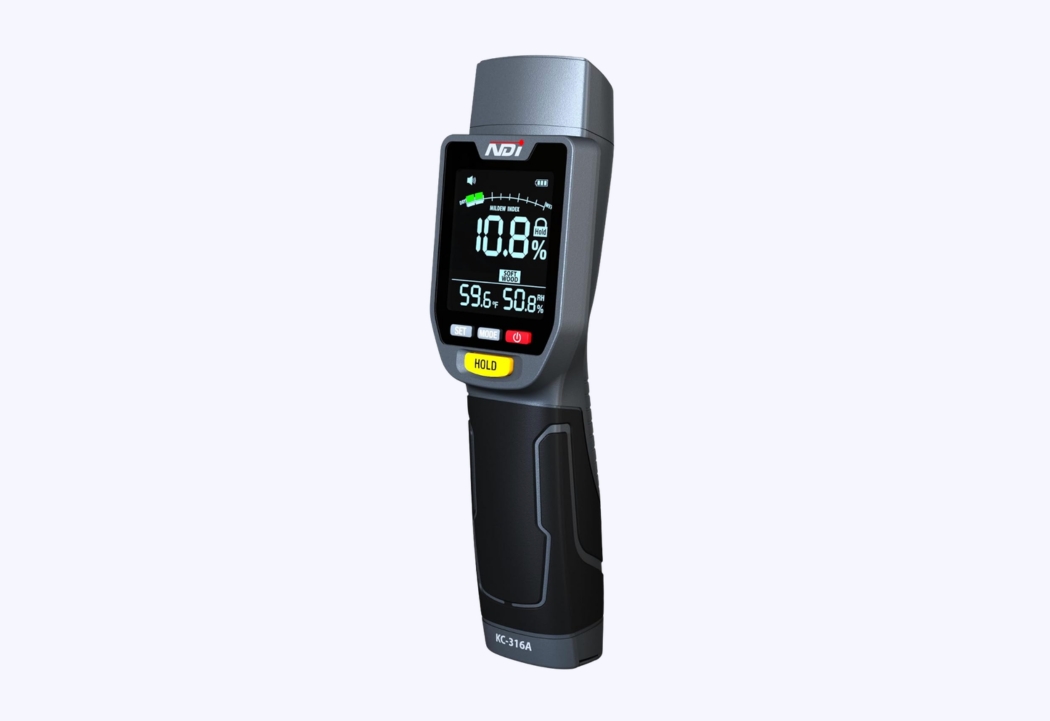
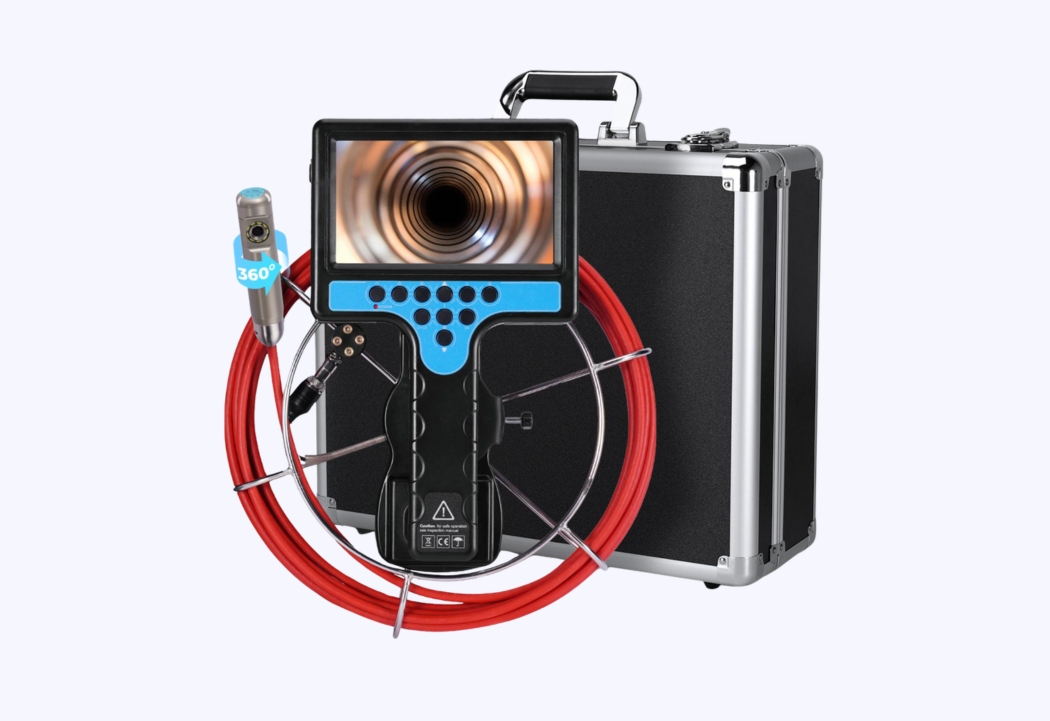
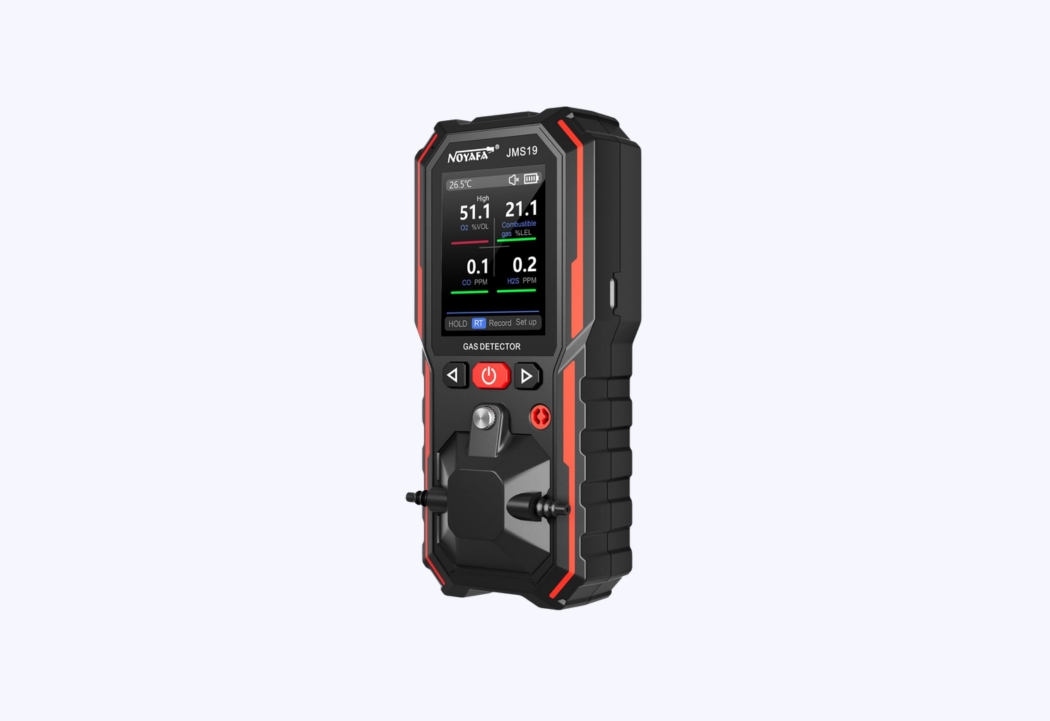
Diagnostic checks incorporated advanced equipment and visual inspections:
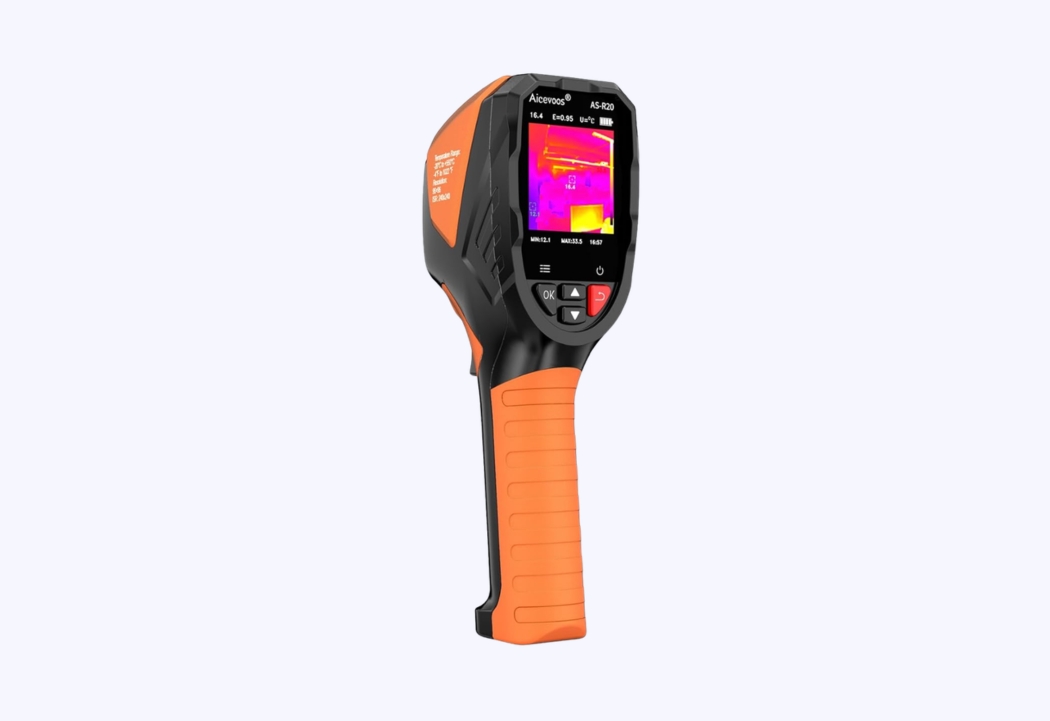
- Thermal imaging mapped surface temperature profiles, revealing the exact dot-and-dab adhesive pattern behind the living room plasterboard, which was acting as a moisture bridge from the damp masonry to the internal wall finish.
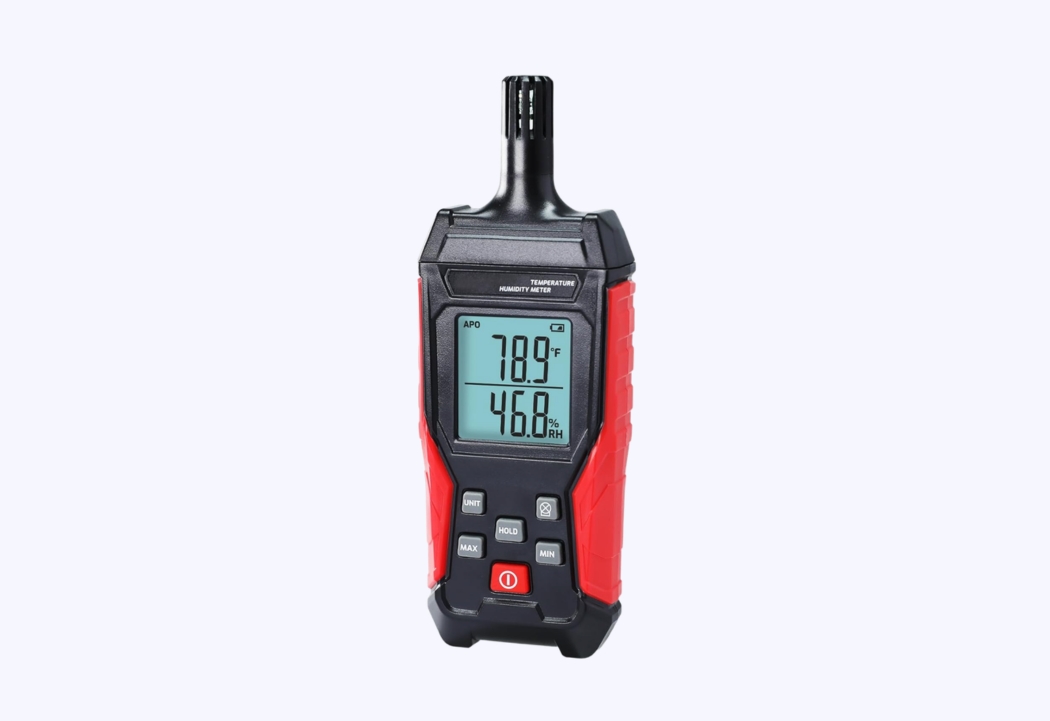
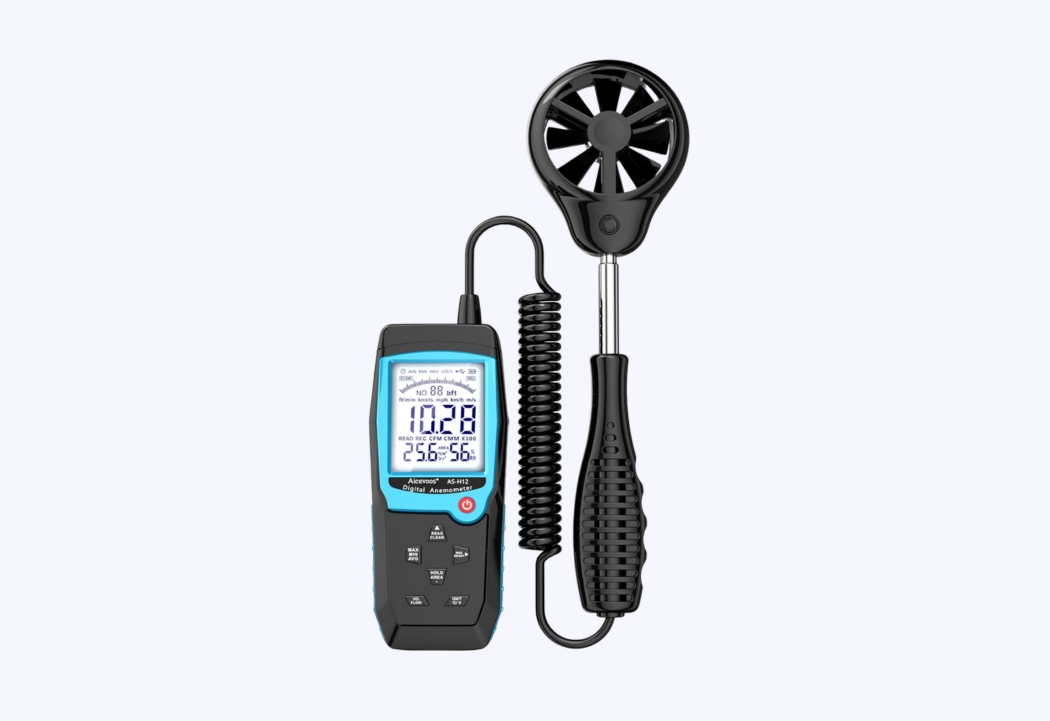
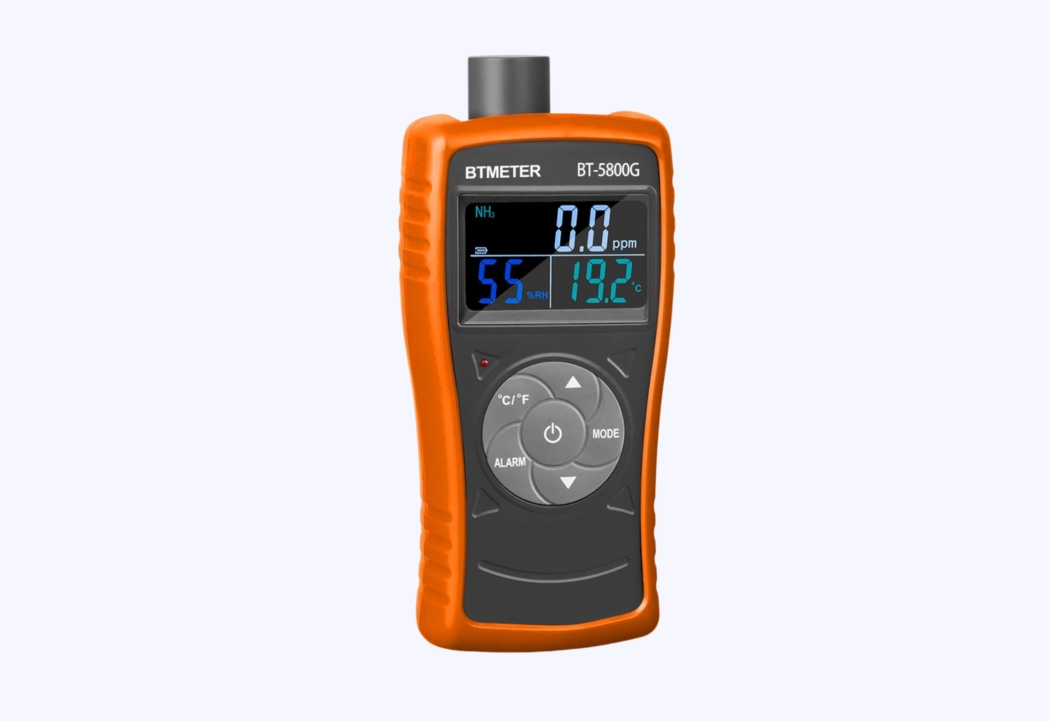
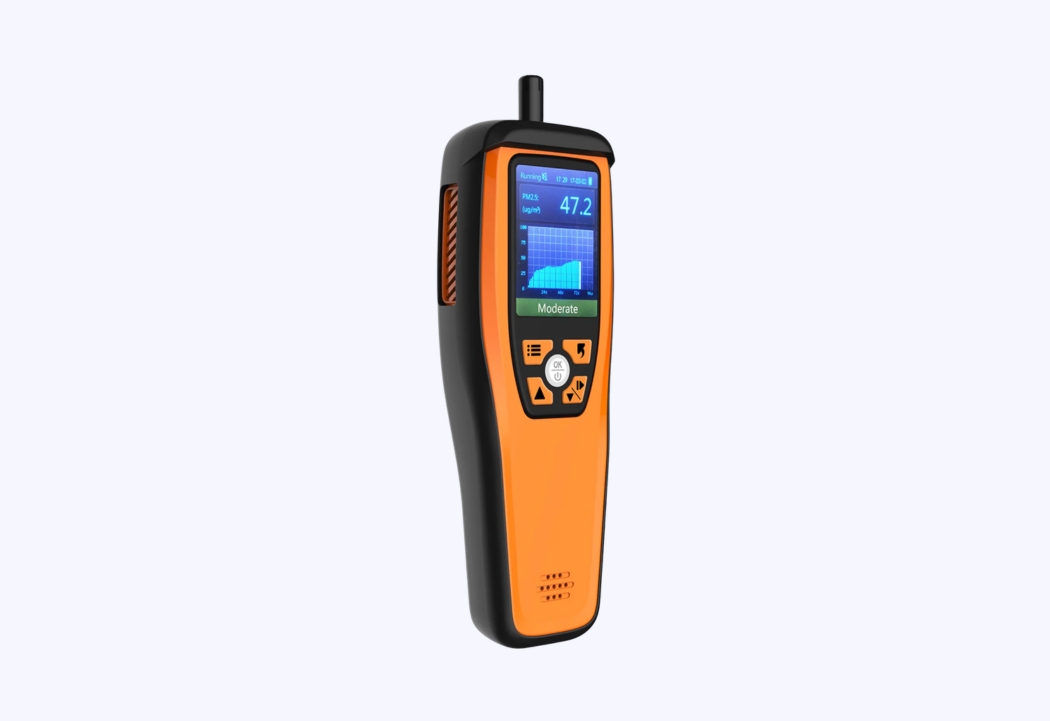
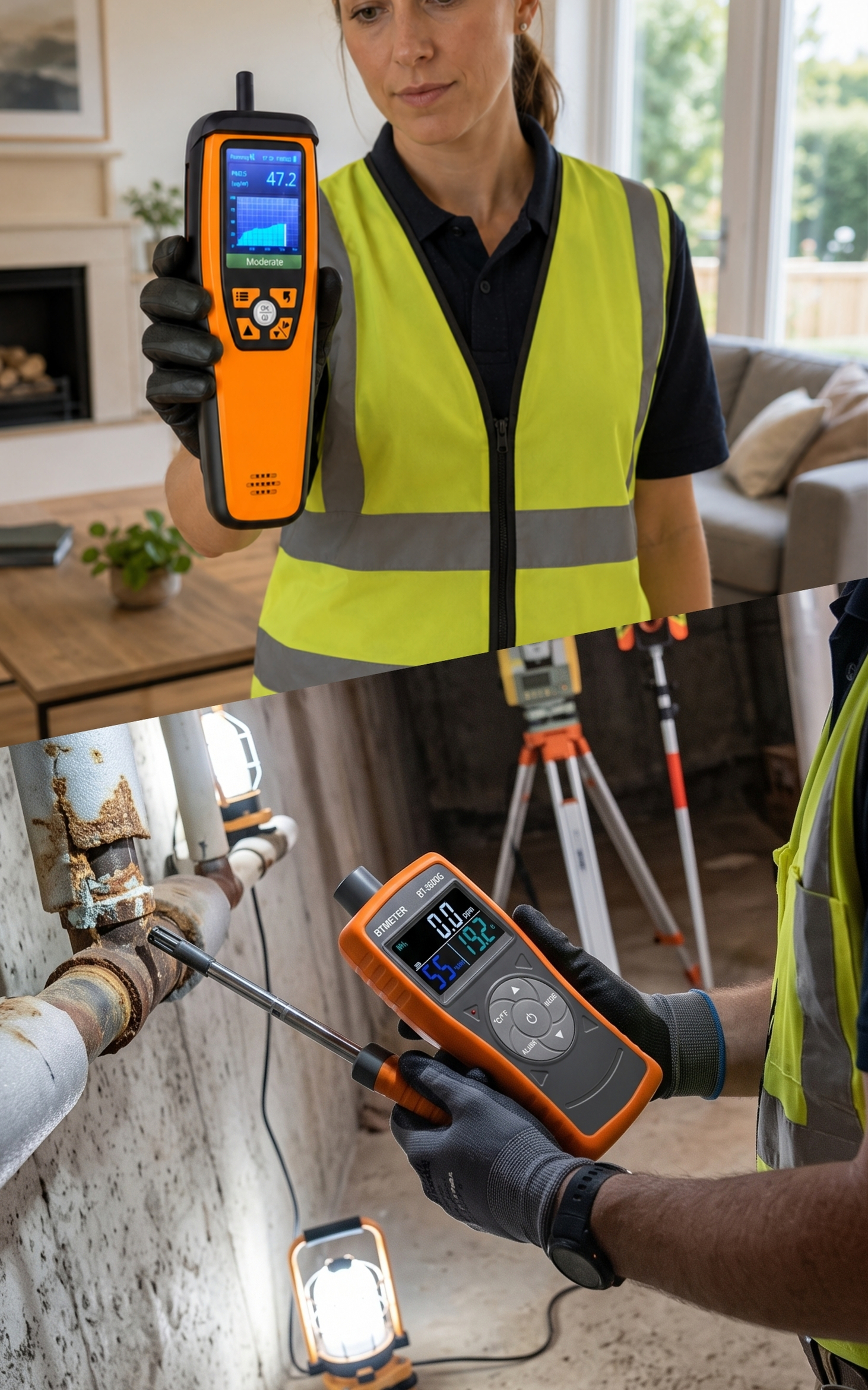
- Environmental testing registered a relative humidity level of 68.6% at a room temperature of 20.8°C, while ventilation checks confirmed the flat was generally well ventilated.
- Quantitative damp testing isolated rising damp strictly to the front wall/bay window area and a small section of the back kitchen wall to the left of the radiator.
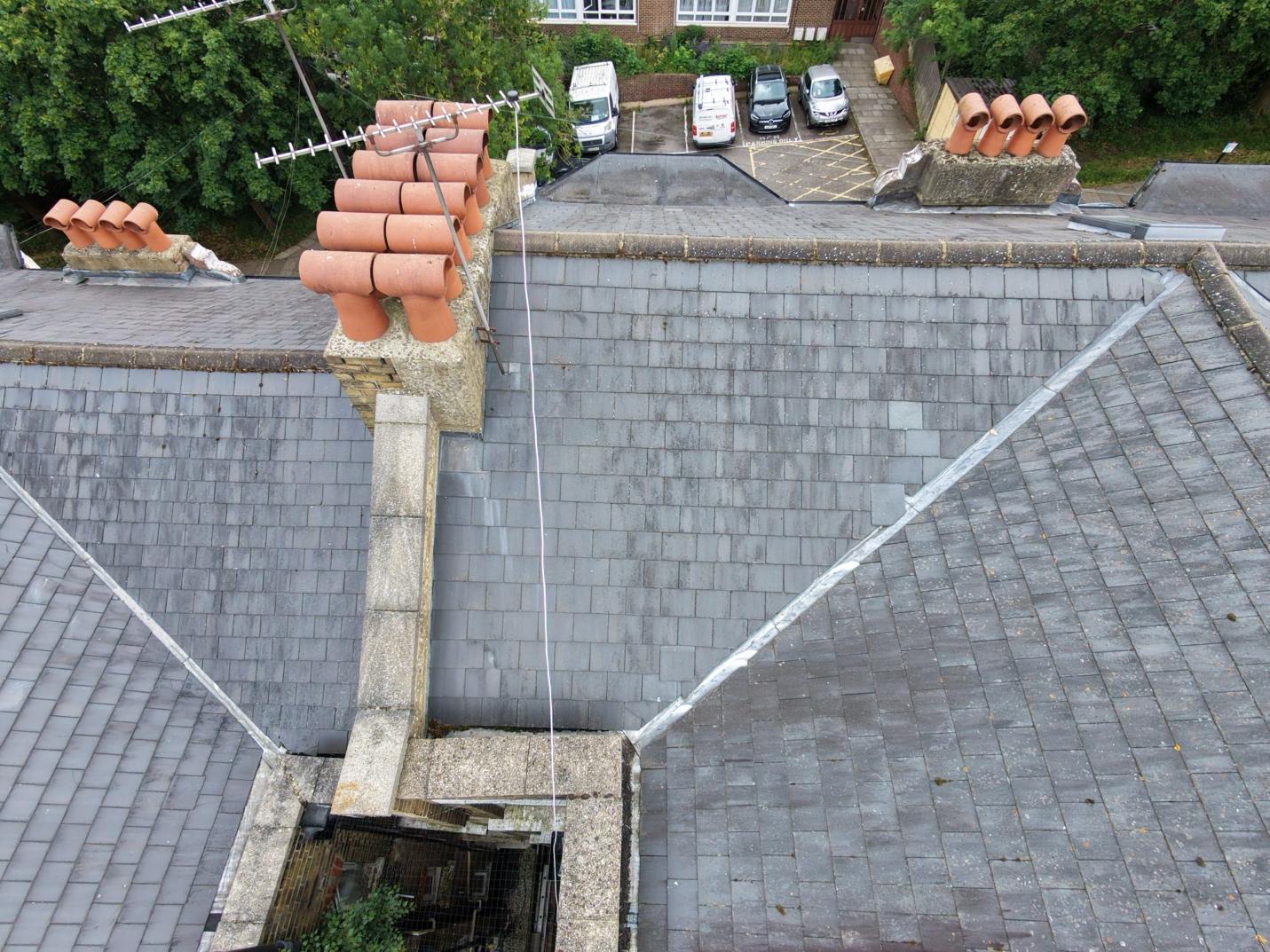
- Full checks confirmed zero evidence of plumbing or drainage leaks, dry rot, wet rot, or woodworm in accessible timbers, while an aerial drone inspection verified that the roof coverings, chimney stack and guttering were in good general condition with no visible defects.
Structural masonry and external brickwork were sound, indicating the low-level moisture was caused by an absent, deteriorated, or ineffective damp proof course combined with internal plasterboard bridging.
The Solution
The report detailed a targeted two-area remedial plan:
- In the front living room and bay window, strip plasterboard and underlying plaster/render back to masonry to a height of approximately 1.4 metres above floor level, inject a chemical DPC into the mortar bed, apply a salt neutraliser, two coats of waterproof tanking slurry, a waterproof render system, new plasterboard and a smooth plaster finish.
- On the back kitchen wall to the left of the radiator, hack off plaster to approximately 1.4 metres above floor level (or at least 300 mm above the highest recorded damp point), inject a chemical DPC, apply salt neutraliser, two coats of waterproof tanking slurry, a waterproof render system and a final plaster skim.
- Maintain internal relative humidity between approximately 50% and 55% where possible through regular ventilation to reduce future condensation risks.
The Outcome
The property owner gained complete diagnostic clarity, discovering that the apartment was structurally sound and free from plumbing leaks or timber decay. By instructing an independent survey, they avoided paying for unnecessary whole-house damp treatments, restricting repairs to two localised wall areas.
Why This Case Matters
Dot-and-dab plasterboard installations can conceal masonry dampness while simultaneously transferring moisture through adhesive dabs directly to living room finishes. Independent diagnostic surveys use infrared thermal imaging to identify these hidden bridging paths, preventing property owners from wasting money on misdiagnosed structural repairs.
How did thermal imaging help identify the living room damp issue?
Thermal imaging highlighted the adhesive pattern securing the plasterboard to the original masonry, proving the adhesive was acting as a moisture bridge from damp brickwork to the internal wall surface.
Were any roof or gutter defects found during the survey?
No. An aerial drone inspection confirmed that the roof coverings, chimney stack and guttering were in good general condition with no visible defects or drainage failures.
What internal humidity level was recorded in the flat?
Environmental air testing recorded a relative humidity level of 68.6% at a room temperature of 20.8°C.
Ensure your property receives an honest, evidence-based assessment before undertaking building repairs.