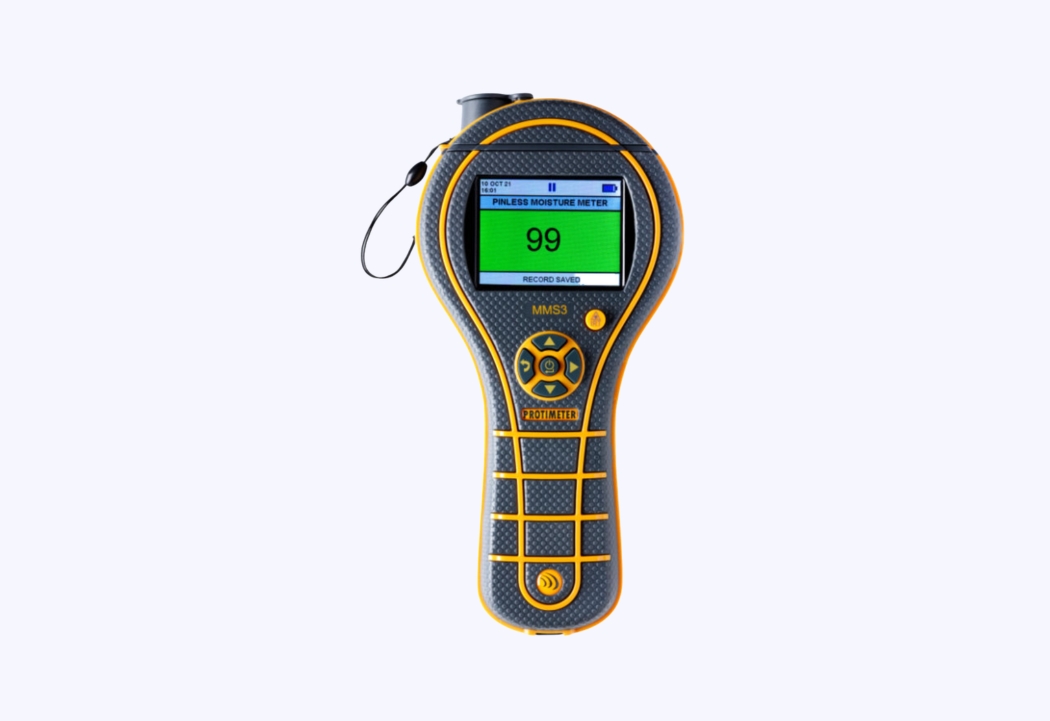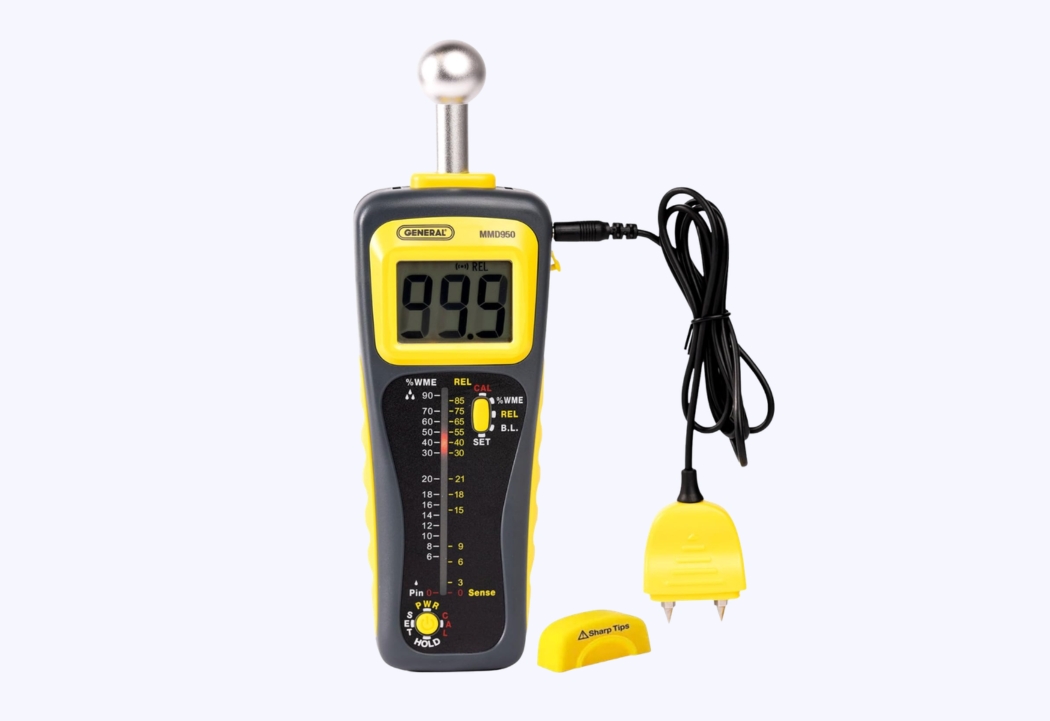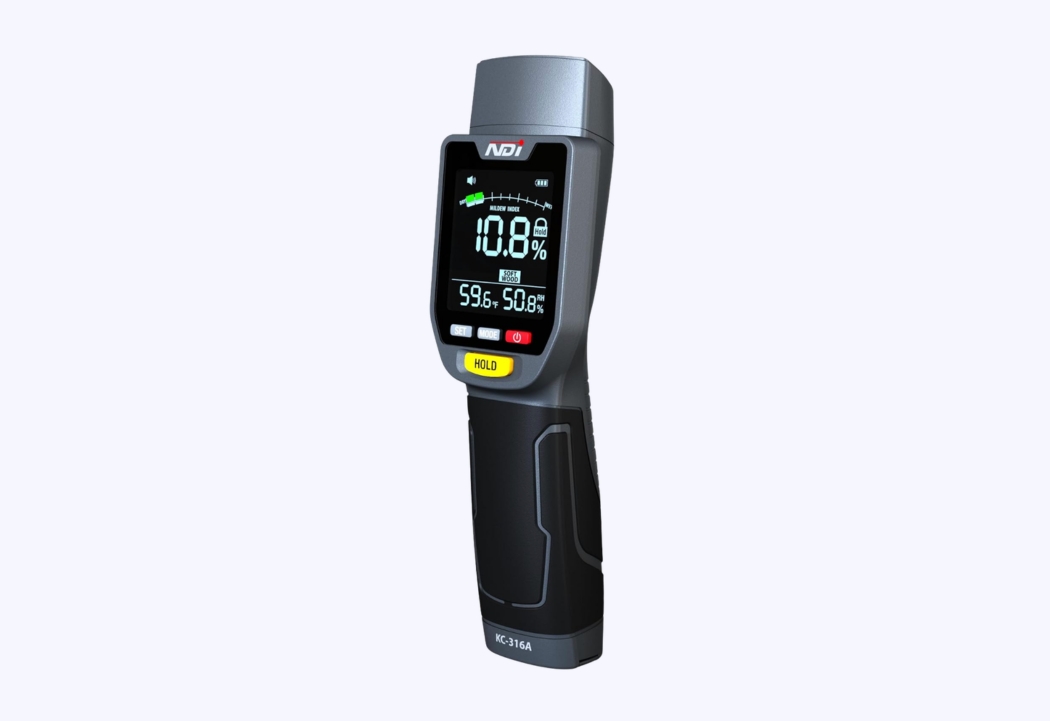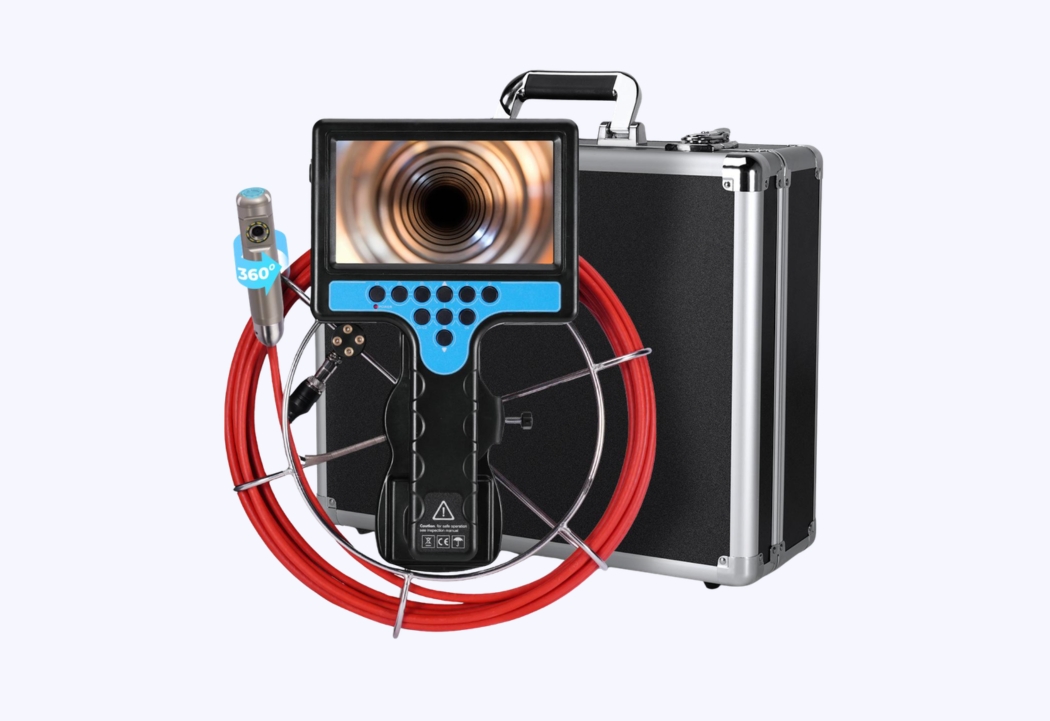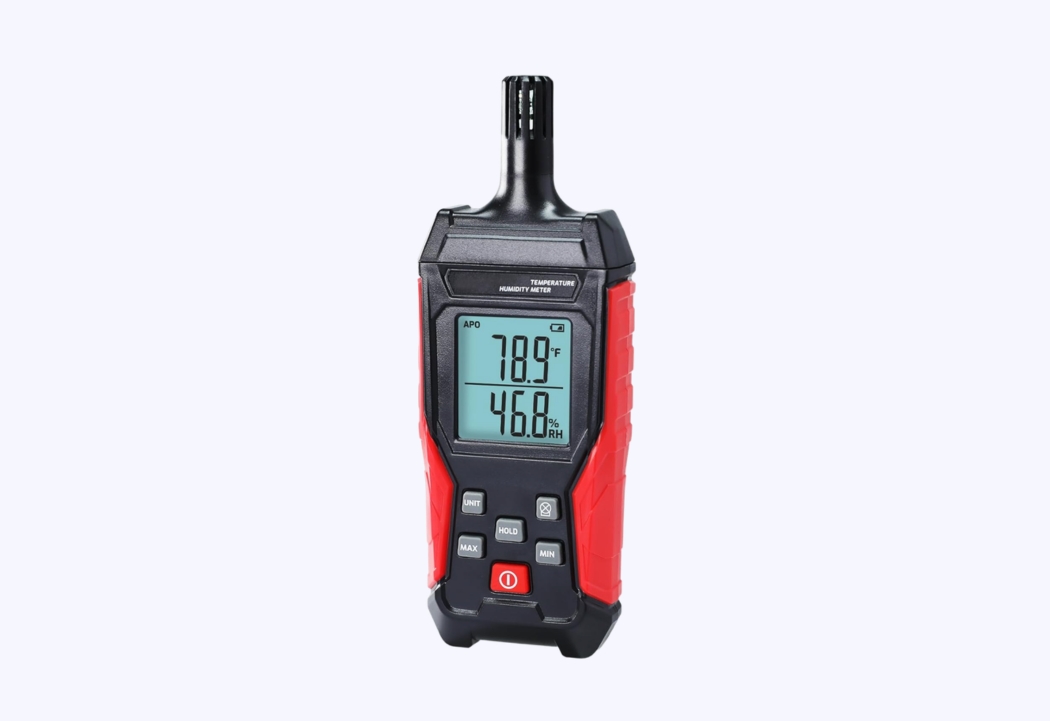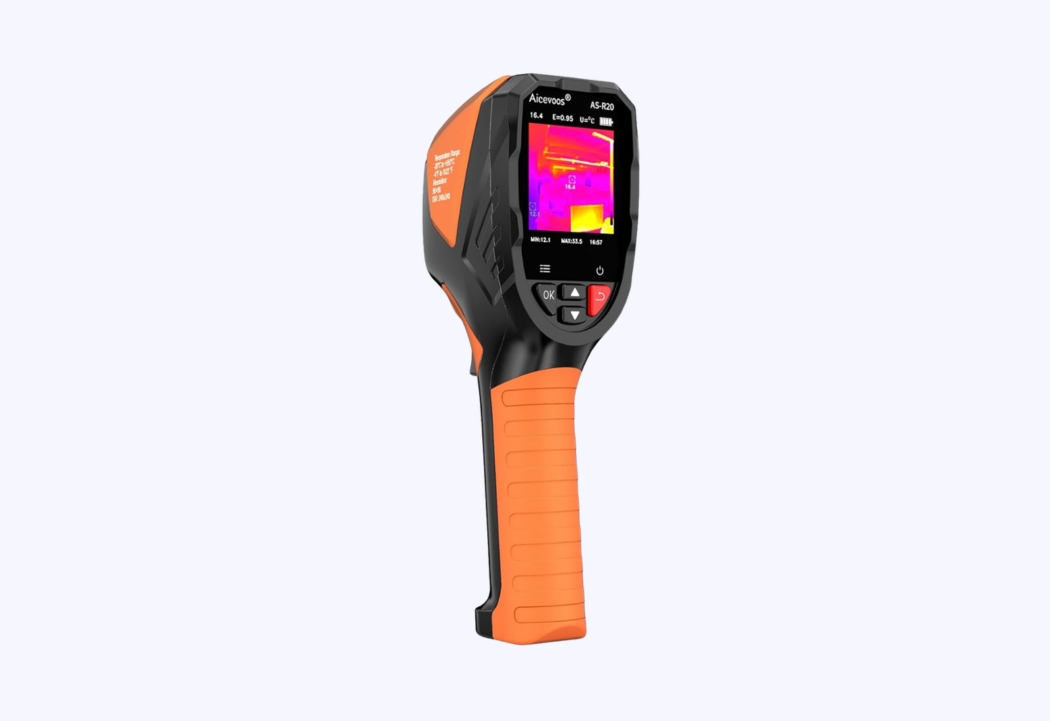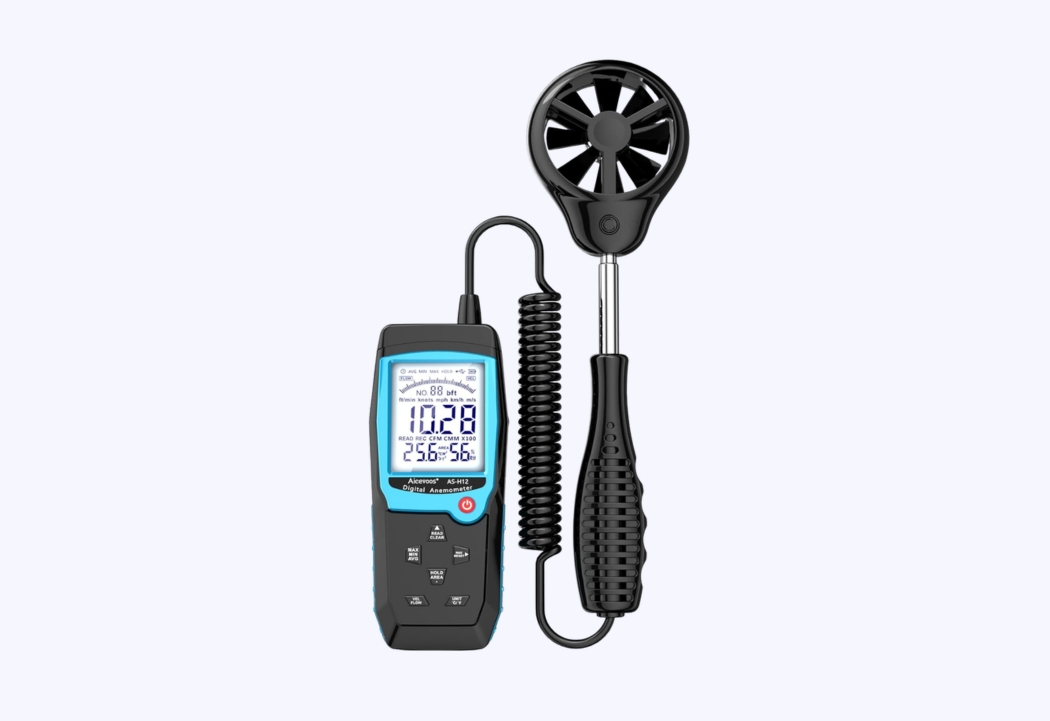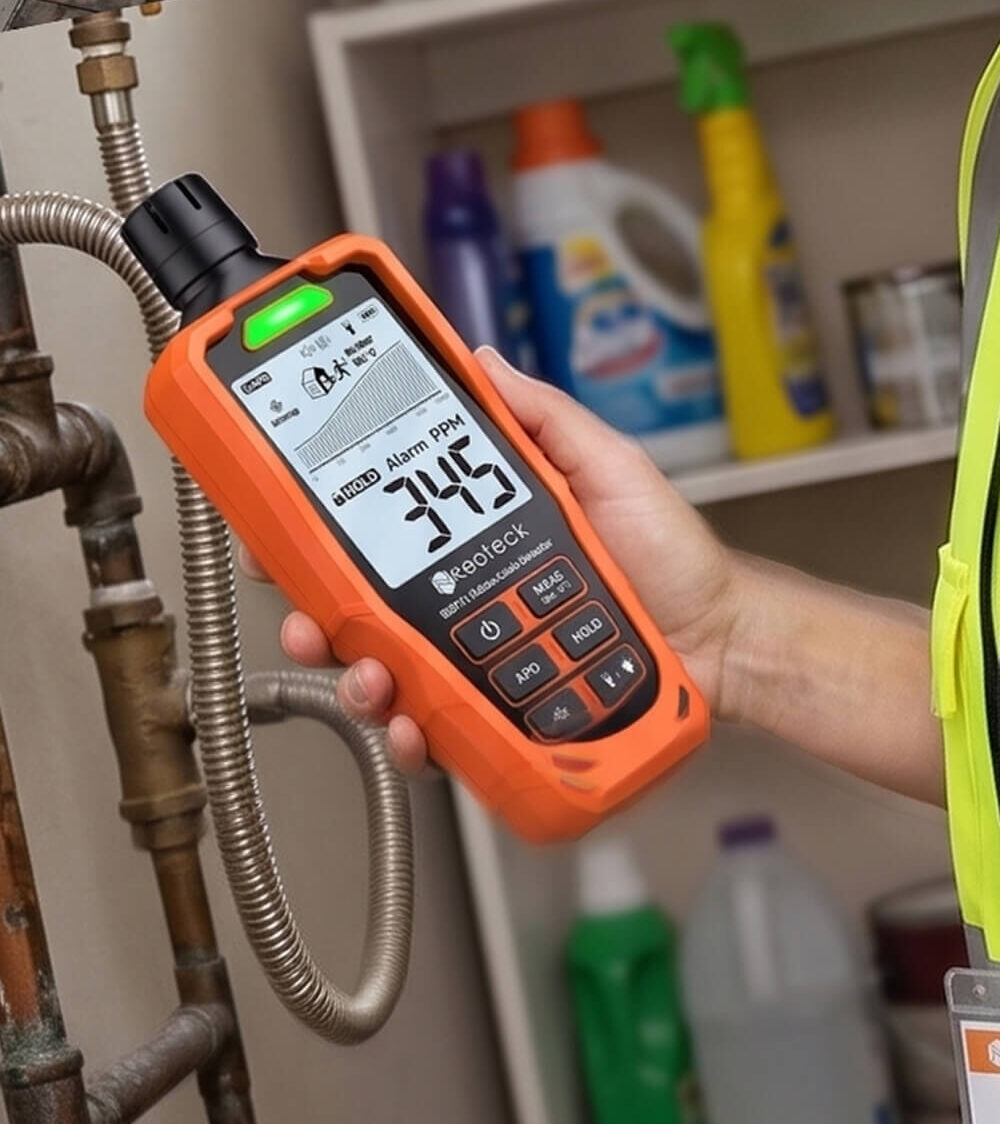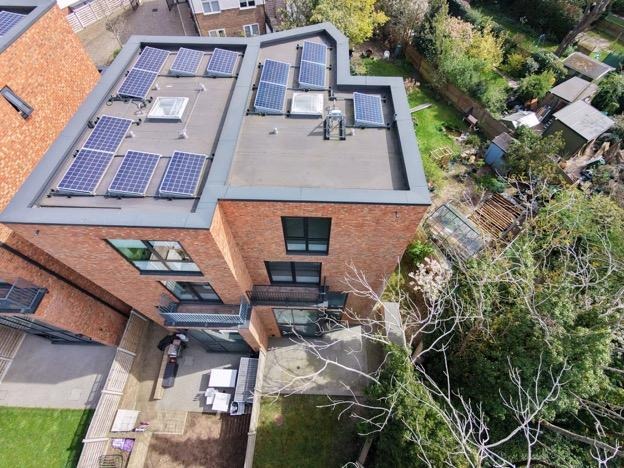
A Level 3 damp survey was commissioned for a residential house in Royal Docks (E16) to establish its moisture status from lower ground to roof level. The property owner instructed an independent survey to secure an authoritative, unbiased diagnosis. The thorough investigation assessed all structural, environmental and external components.
About the Issue
Concerns arose regarding potential damp penetration at the lower ground floor level, specifically from external entrance steps above. The homeowner sought a definitive expert inspection to determine if water was entering the structure before undertaking any decorative works.
The Challenge
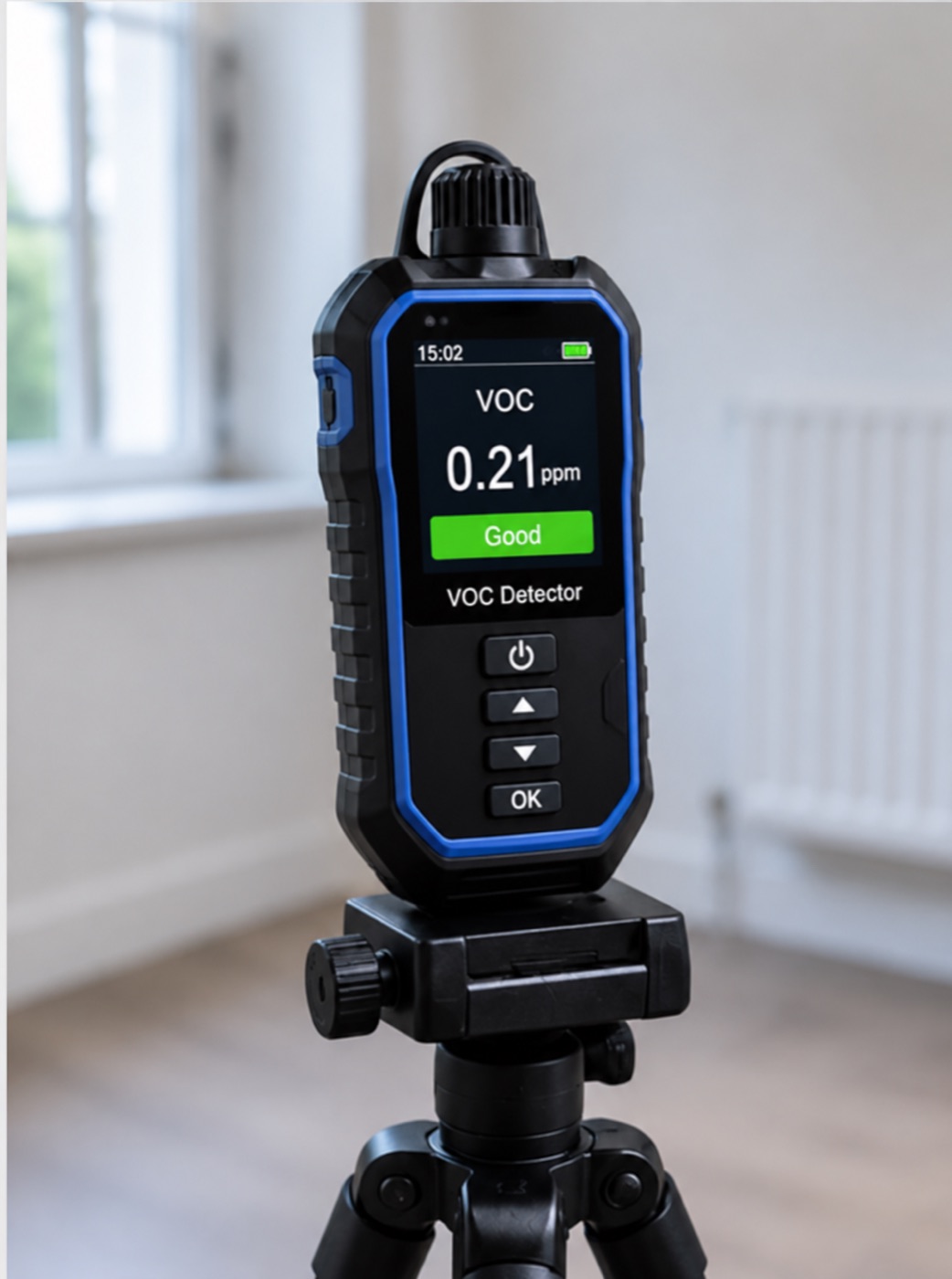
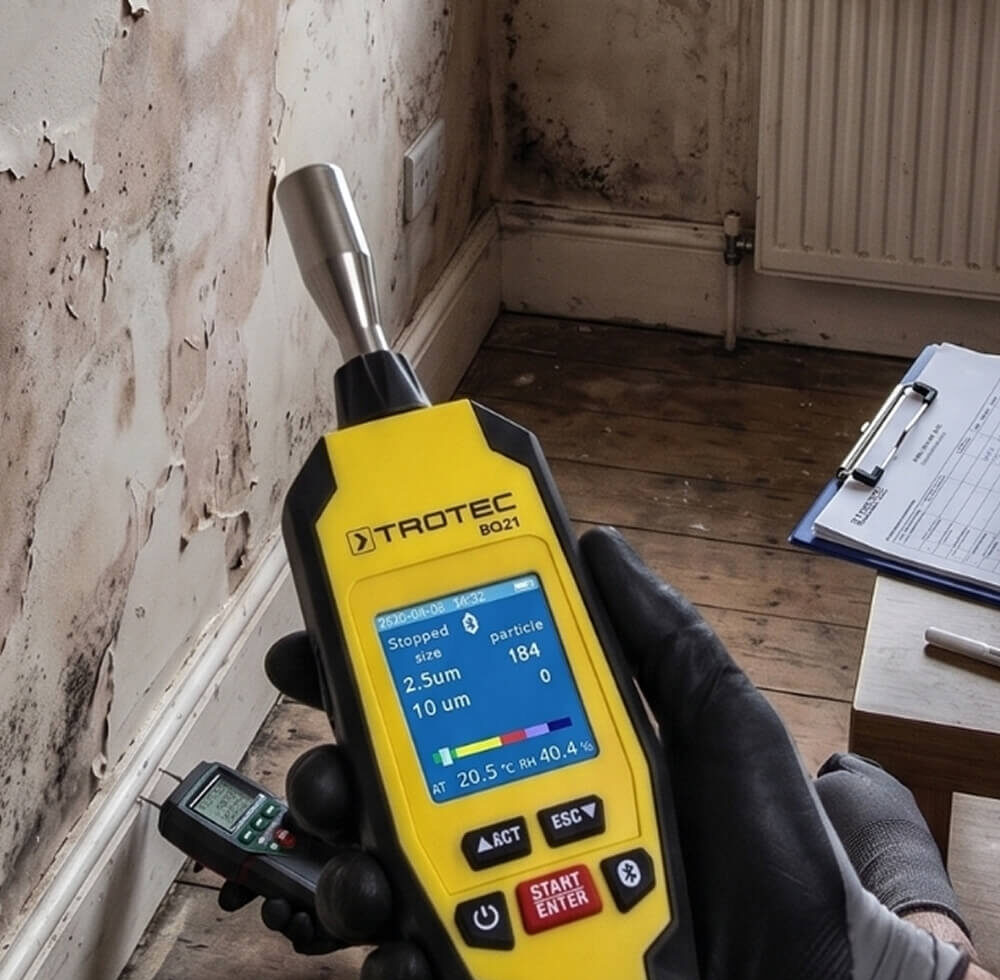
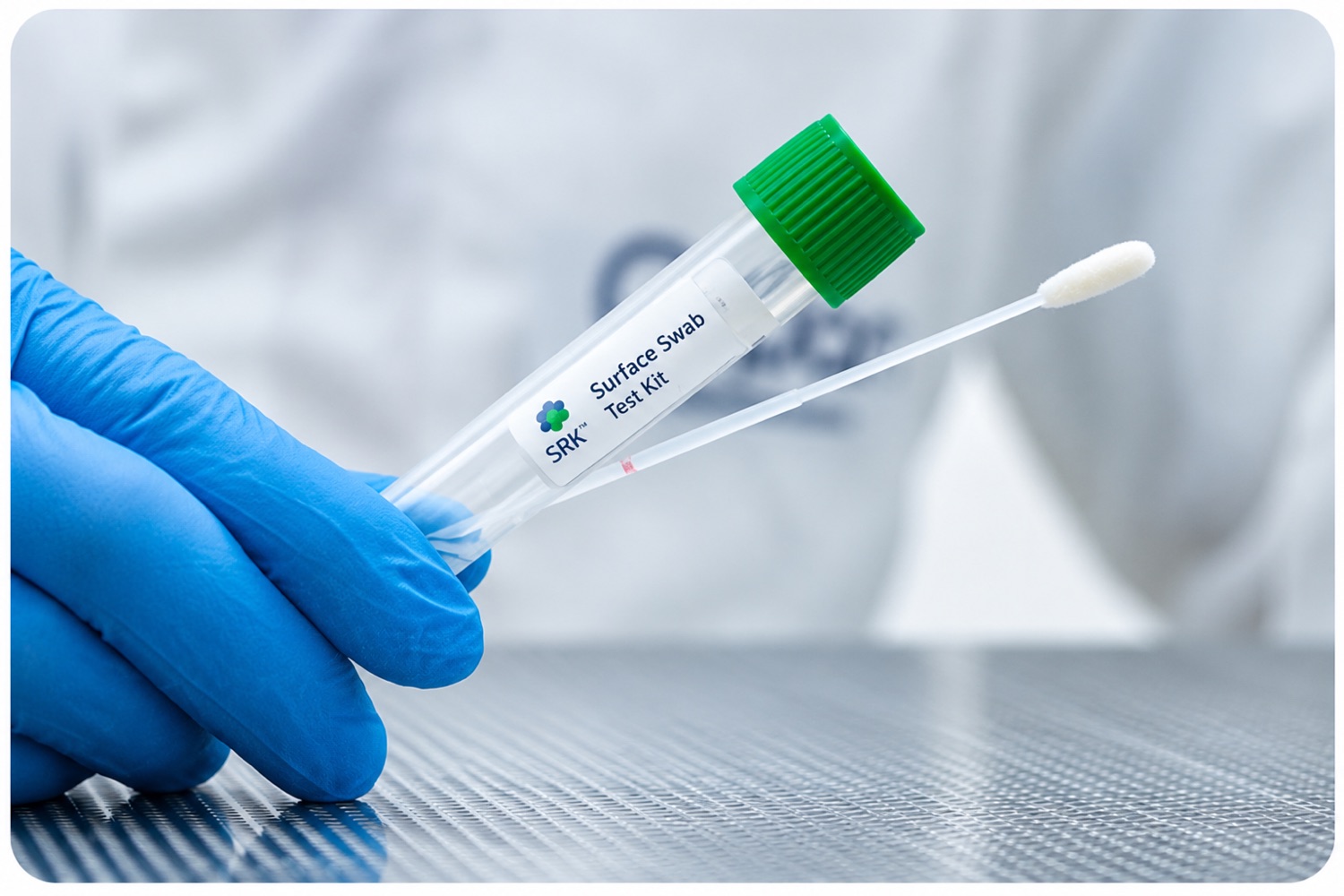
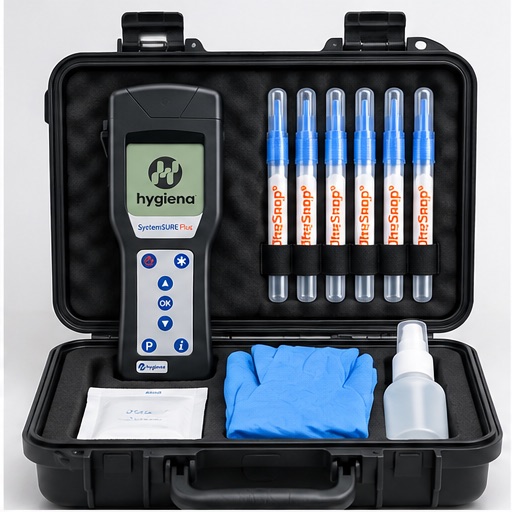
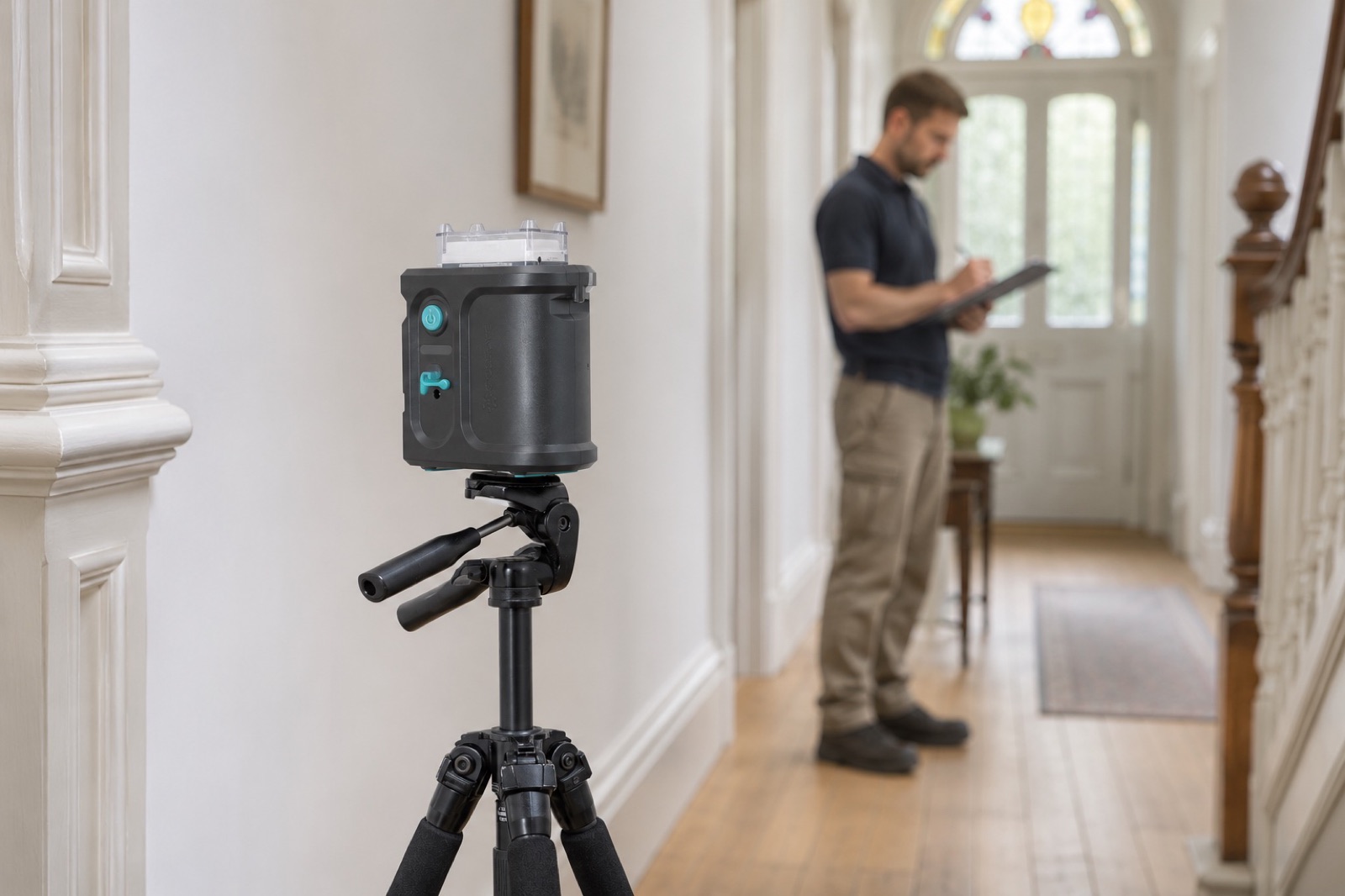
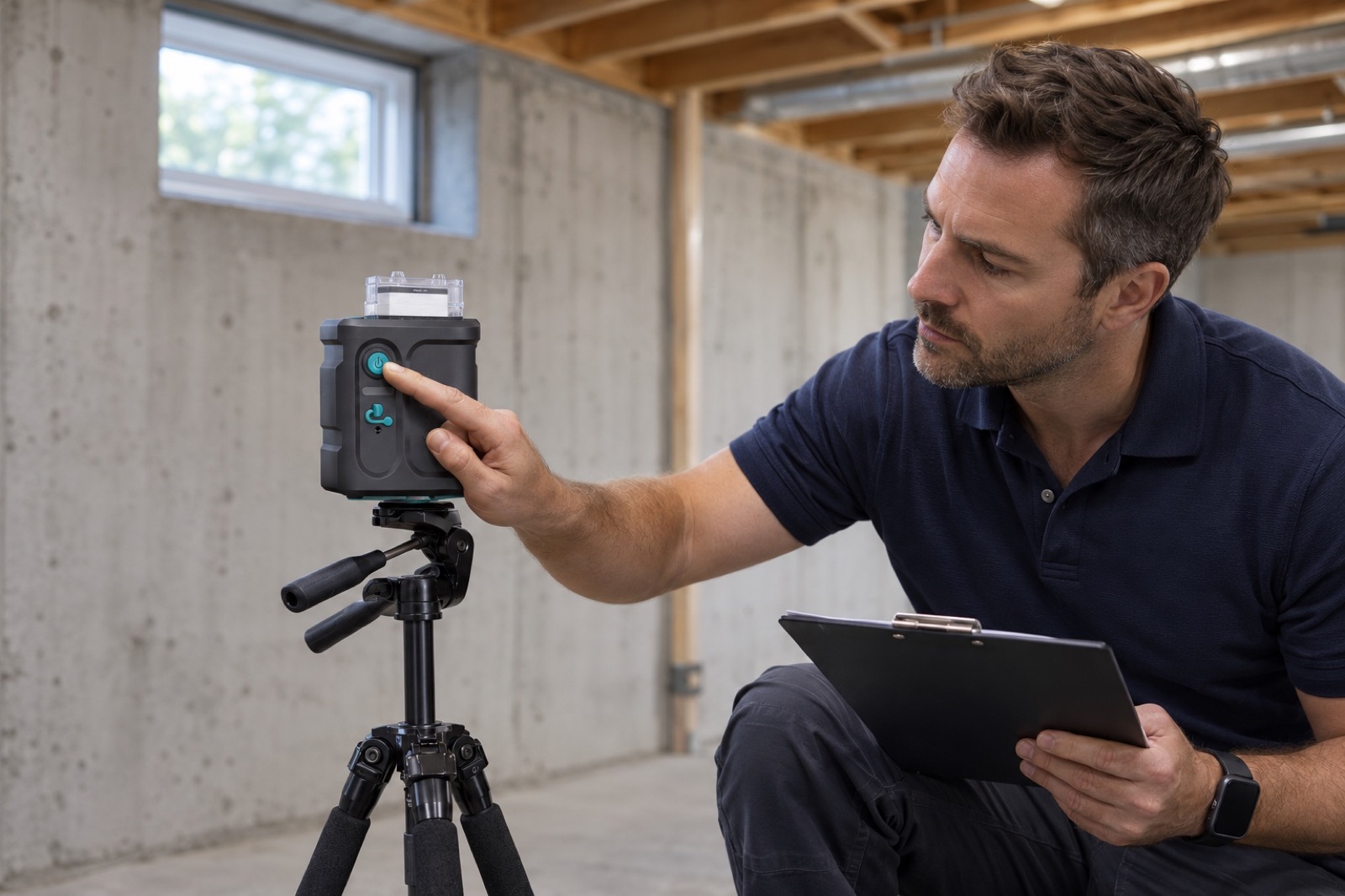
Carrying out a complete Level 3 damp investigation required evaluating all accessible spaces using multi-spectrum diagnostic tools.
The investigative process revealed clear factual evidence:
- Lower ground floor walls and floor slabs tested completely dry, proving that external entrance steps were not allowing water penetration.
- Thermal imaging across all internal walls showed consistent temperature distribution with no hidden damp anomalies or cold spots.
- Air humidity testing across multiple levels recorded normal, healthy indoor living ranges, while ventilation tests confirmed extractor fans operated effectively.
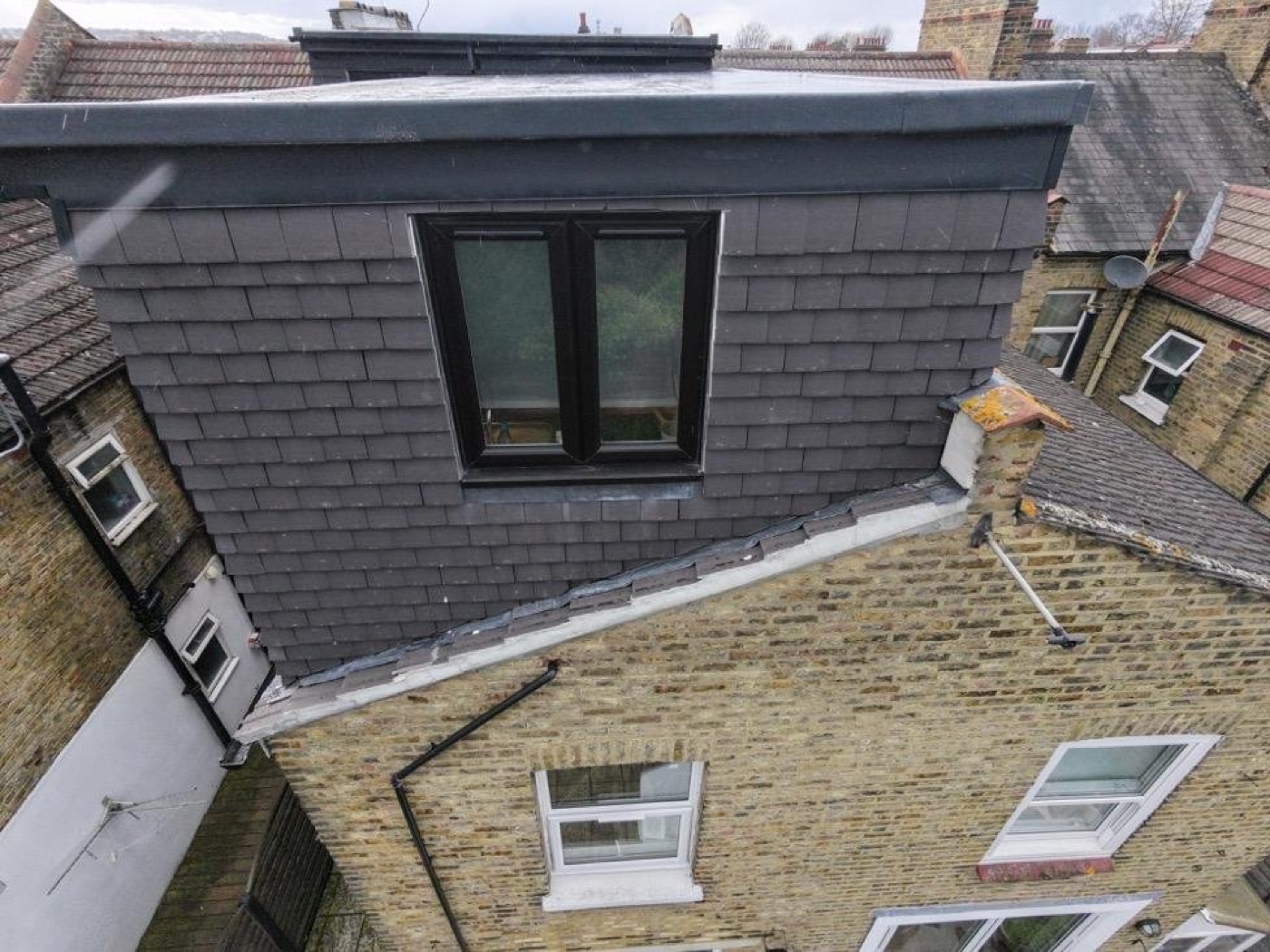
- High-level drone imagery verified roof coverings, flashings, chimneys and gutters were free from defects or water retention risks.
Plumbing and drainage systems were leak-free, external brickwork and pointing were in very good condition with a functioning DPC and all accessible timbers were sound with no dry rot, wet rot, or woodworm.
The Solution
Because the survey confirmed the house was in excellent condition with no damp identified anywhere, remedial damp treatments were completely unnecessary:
- Maintain standard ongoing property upkeep.
- Continue normal home ventilation practices to uphold indoor air quality.
The Outcome
The survey provided the property owner with total reassurance. Armed with unbiased diagnostic findings, they avoided unnecessary expenditure on chemical damp proofing or basement waterproofing, confirming their property was dry and healthy.
Why This Case Matters
Suspected damp issues near below-ground steps often prompt contractors to recommend aggressive tanking systems. Independent surveys rely on quantitative measurements and thermal imaging to verify structural integrity, saving property owners from paying for unneeded building work.
Did thermal imaging identify any hidden moisture behind walls?
No. Thermal imaging showed consistent temperature patterns across all accessible walls, confirming no hidden moisture or thermal bridging defects exist.
Are the extractor fans providing sufficient ventilation?
Yes. Ventilation testing confirmed extractor fans in wet areas are operating effectively and achieving adequate airflow.
Does the house require any damp proofing work?
No. No damp was detected anywhere in the property and no remedial works are required.
Get expert, unbiased advice on your property’s damp condition today.