An independent Level 3 damp survey was instructed for a residential house in Royal Docks (E16). The property owner commissioned the assessment to establish an objective evaluation of the building’s moisture status from the lower ground floor to the upper levels. Obtaining an unbiased health check ensured that any maintenance decisions were guided by physical diagnostic evidence.
About the Issue
The homeowner grew concerned following reports of possible damp penetration at the lower ground level, specifically suspecting water ingress from the external entrance steps above. Fearing hidden structural moisture, rising damp, or subfloor timber decay, they requested a comprehensive specialist inspection.
The Challenge
A Level 3 damp survey was carried out to assess the entire building envelope, progressing systematically from the lower ground floor upward. Diagnostic testing evaluated whether suspected external step seepage was transferring into internal walls or structural timbers.
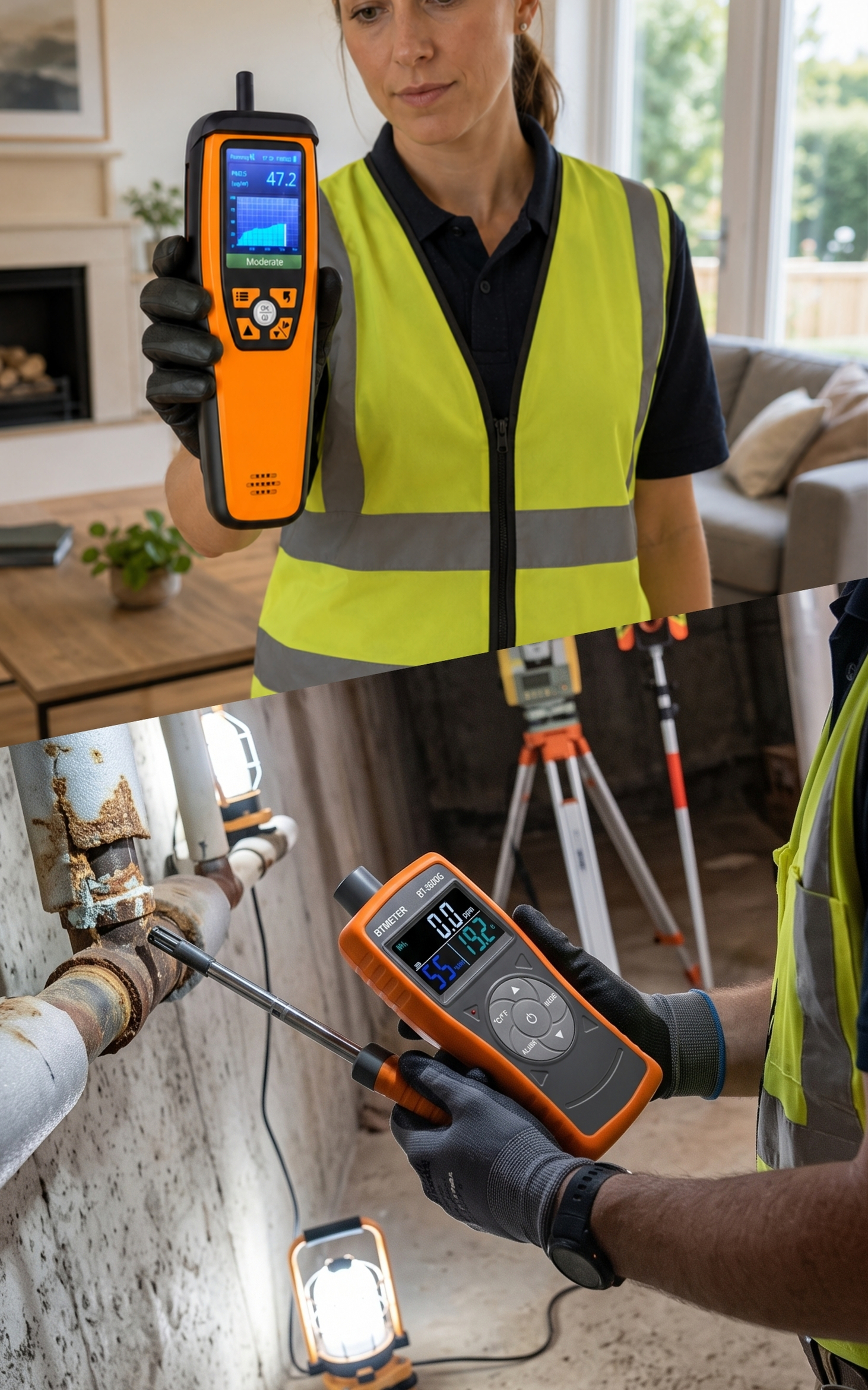
The multi-stage diagnostic process utilised advanced investigative tools:
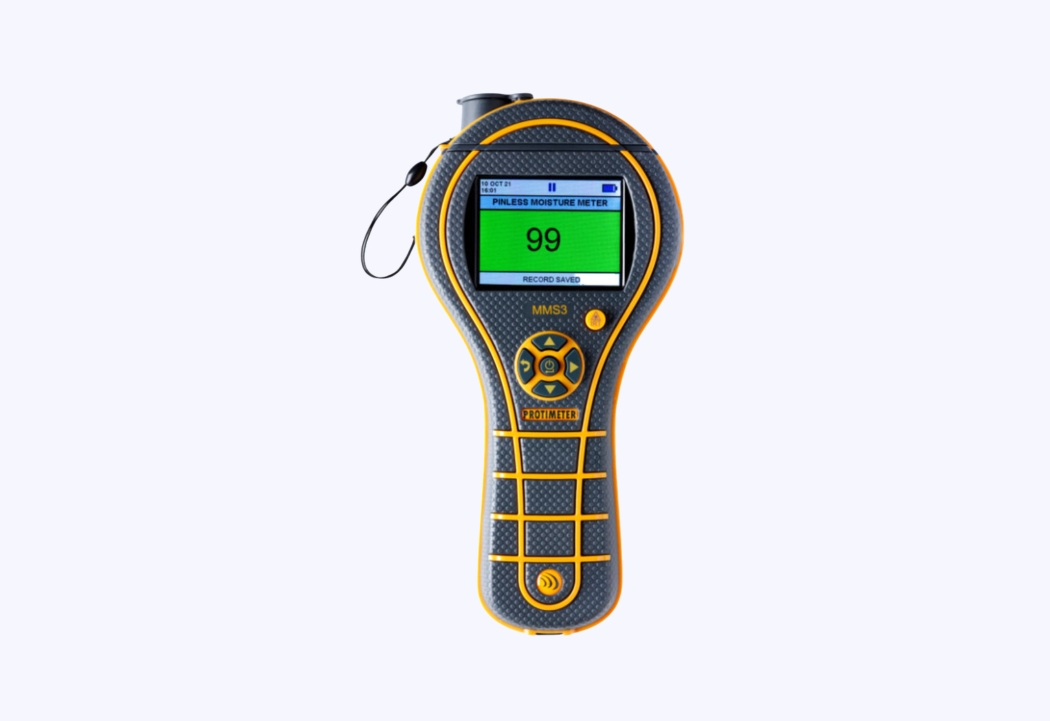
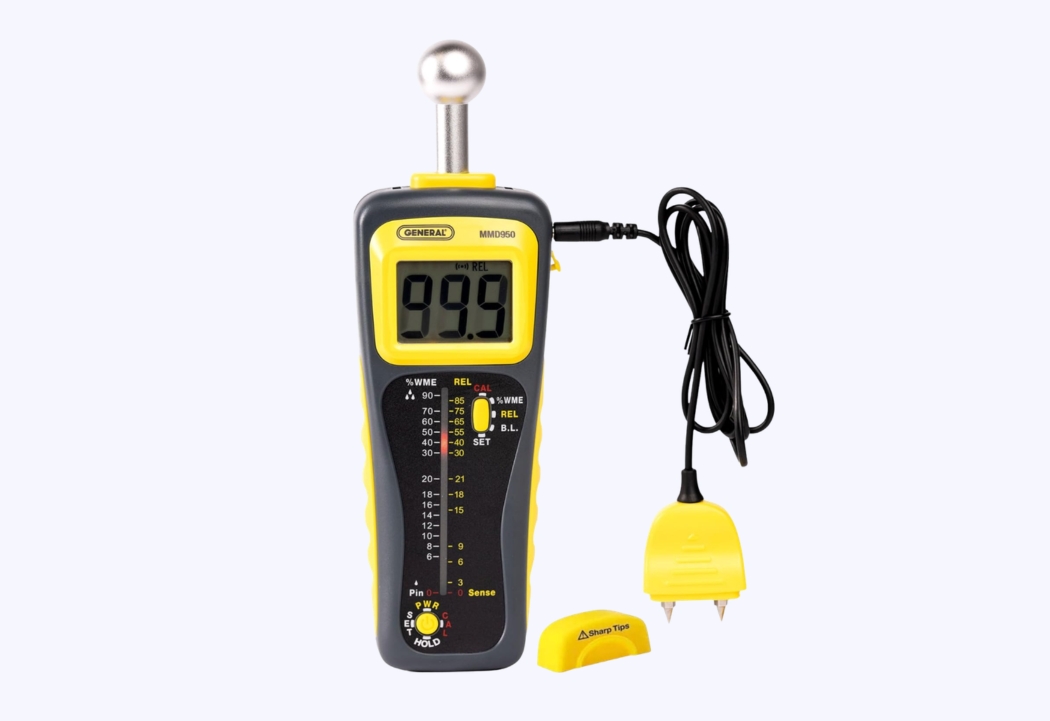
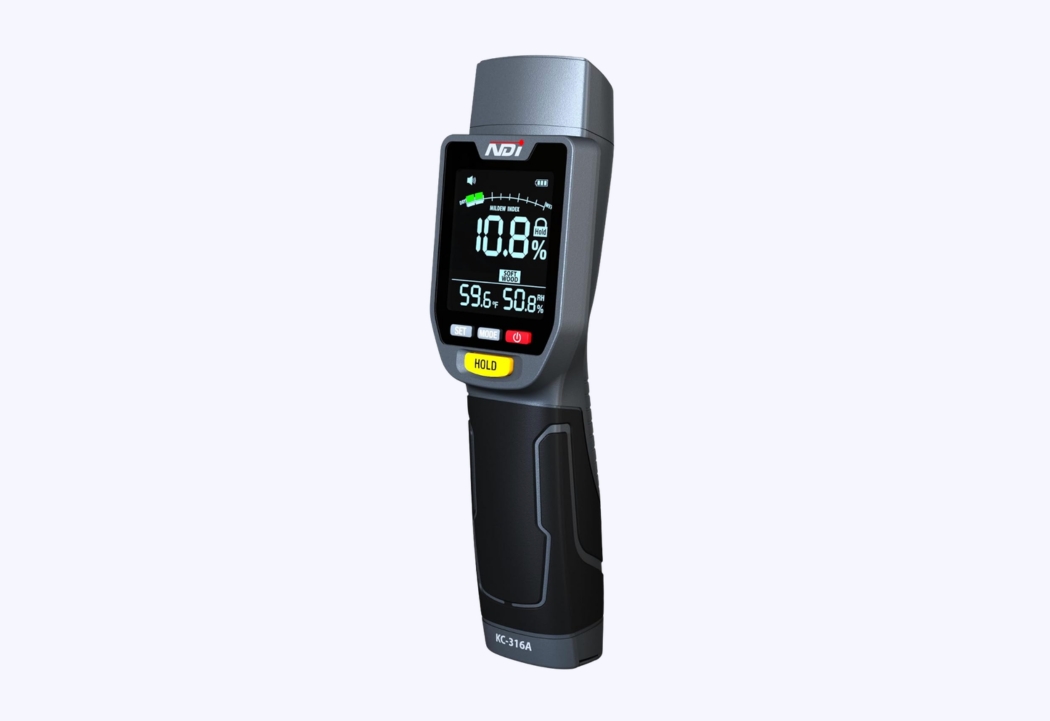
- Electronic moisture meters and visual checks across lower ground floor walls and floors confirmed completely dry conditions with no water ingress from the external entrance steps above.
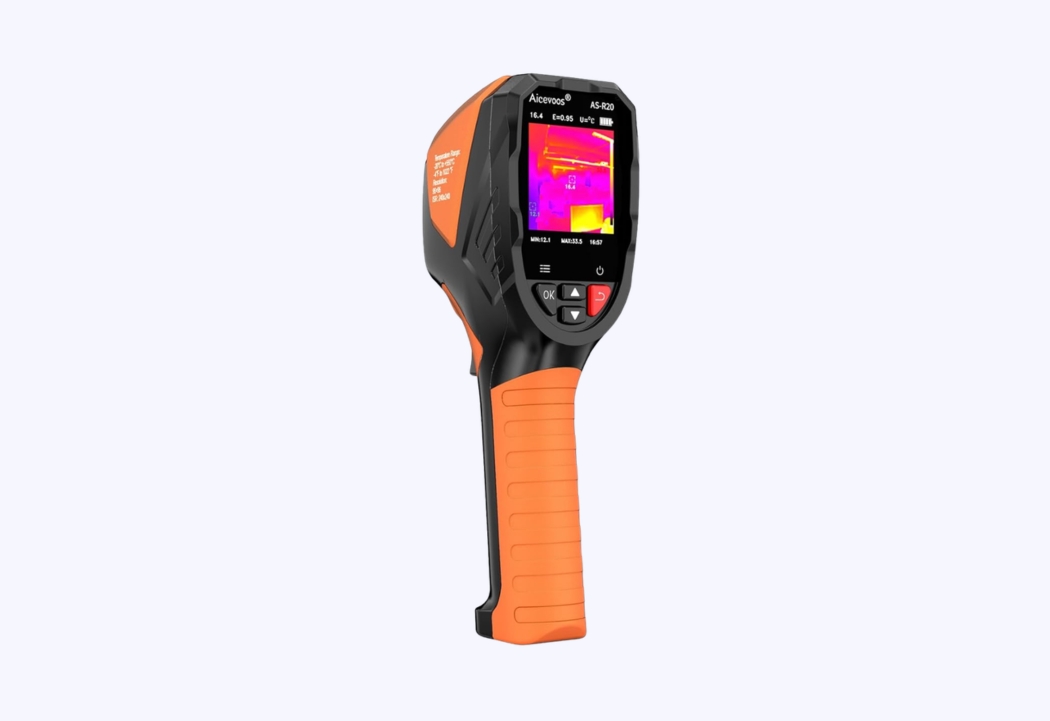
- Thermal imaging across all accessible walls and structural elements recorded consistent temperature distribution with no irregular cold patterns, ruling out cold bridging or hidden moisture anomalies.
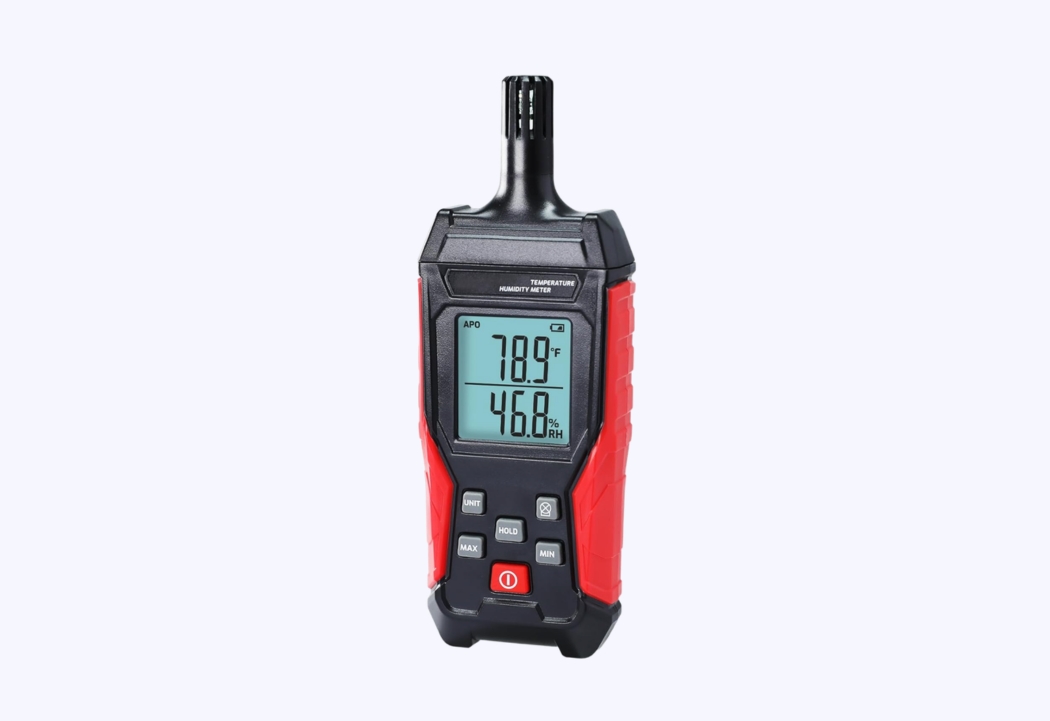
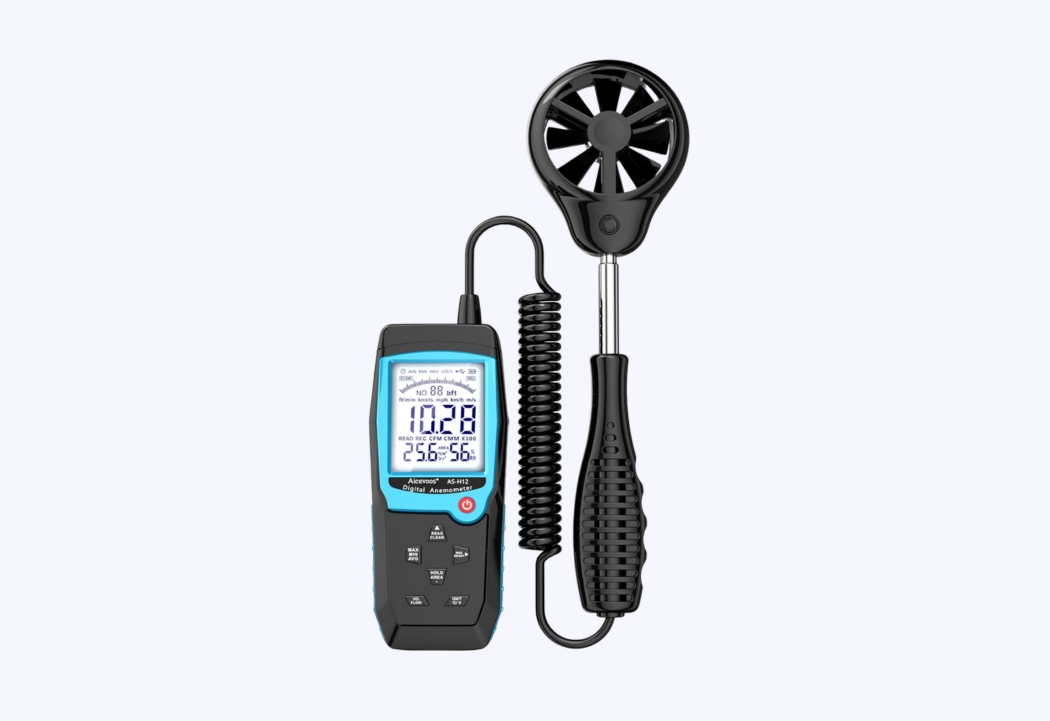
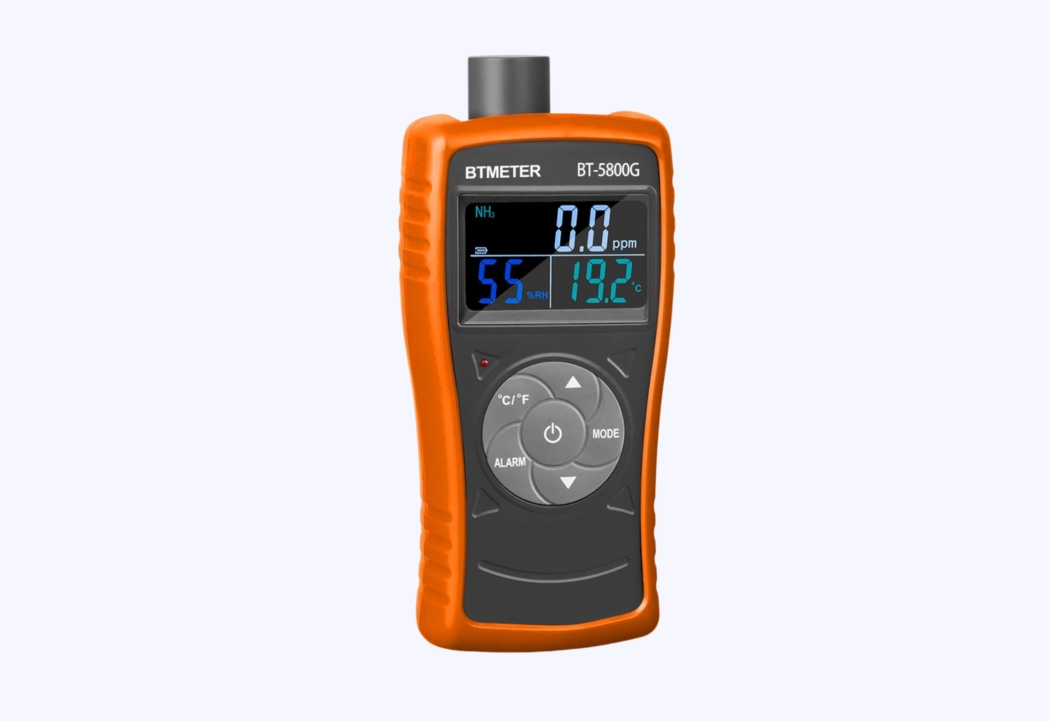
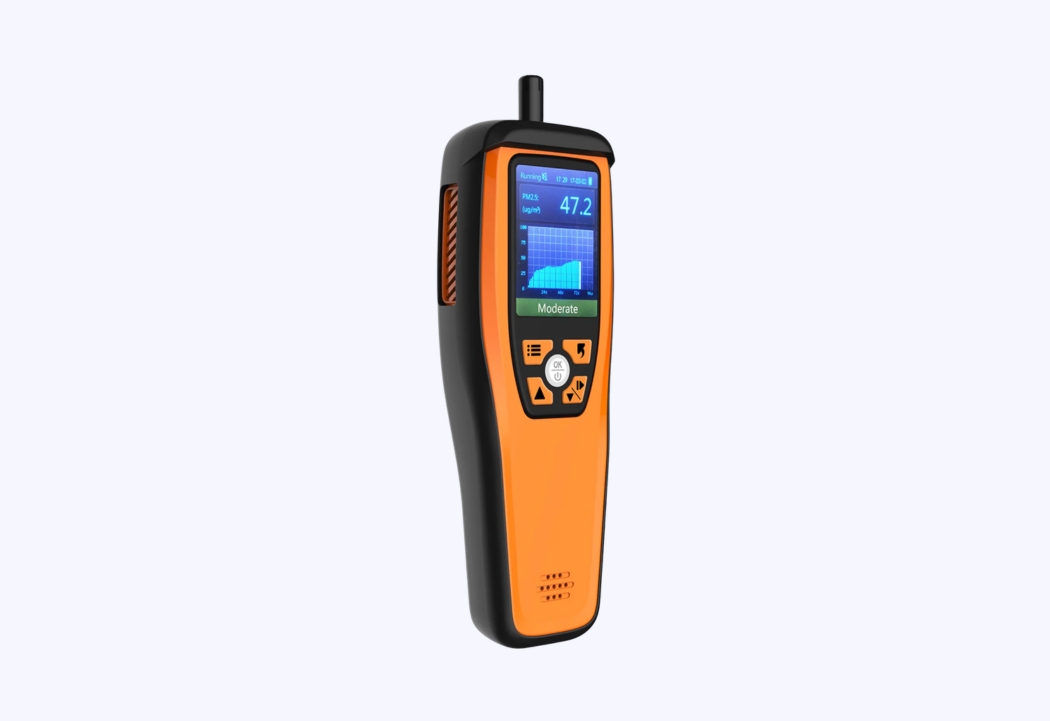
- Multi-level atmospheric checks showed air humidity readings within normal, healthy living ranges, while anemometer checks verified extractor fans in wet areas were operating effectively with adequate airflow.
- Aerial drone footage confirmed roof coverings, flashings, chimneys and guttering were in good working order without defects or blockages.
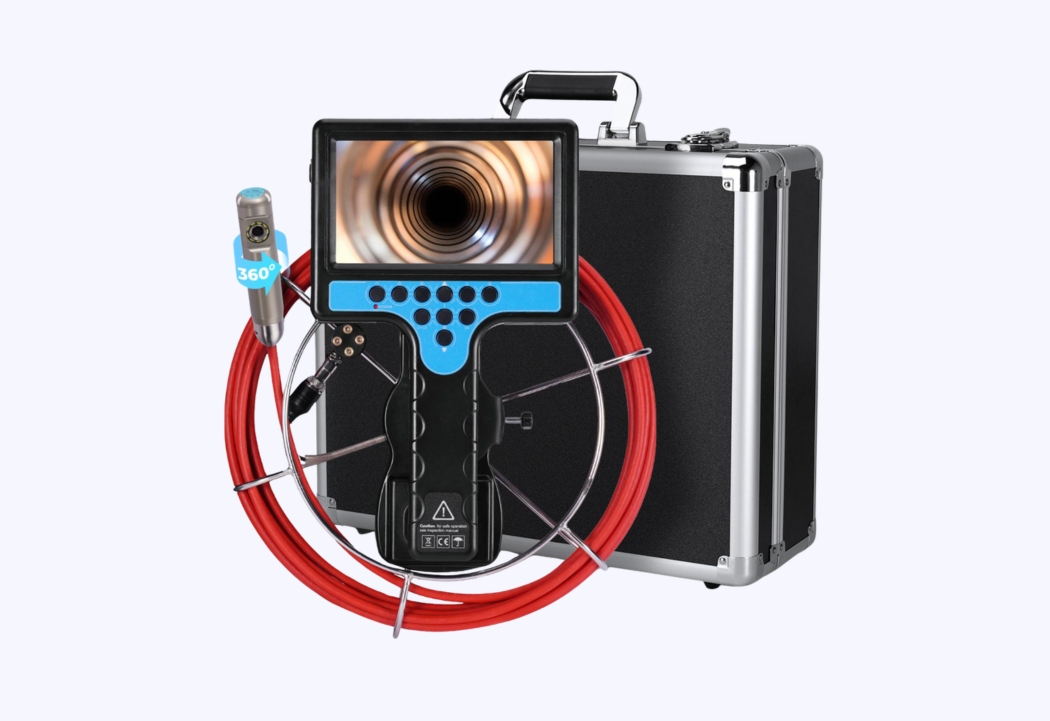
Inspection of visible plumbing and drainage revealed no leaks or blockages; external brickwork and pointing were in very good condition with a functioning DPC and all accessible timbers were completely free of dry rot, wet rot and woodworm.
The Solution
Because the comprehensive inspection confirmed a clean bill of health regarding moisture, no remedial damp-proofing works were required:
- Continue standard property maintenance to preserve current structural condition.
- Maintain existing ventilation practices in wet areas to support balanced humidity.
The Outcome
The homeowner achieved total clarity and peace of mind, discovering that the lower ground floor and external steps were perfectly watertight. By securing an independent survey, they avoided paying for unnecessary waterproofing or tanking treatments that sales-driven contractors might have recommended.
Why This Case Matters
Suspected water ingress near subterranean entrance steps often leads to assumptions of structural failure. Specialist diagnostic tools, such as thermal imaging cameras and high-definition drones, allow independent surveyors to verify actual material conditions, protecting property owners from costly, unneeded building works.
FAQs
Was any damp found near the external entrance steps?
No. Moisture meter testing and visual assessment confirmed no water penetration, damp ingress, or elevated readings on the walls or floors surrounding the lower ground entrance steps.
What did the thermal imaging survey reveal?
Thermal imaging showed consistent temperature distribution across all accessible walls and structural elements, confirming the absence of hidden moisture or cold bridging.
Were any timber rot or woodworm defects detected?
No. All accessible structural timbers were inspected and found to be completely clear of dry rot, wet rot and woodworm infestation.
Ensure your property receives an honest, evidence-based assessment before undertaking building work.