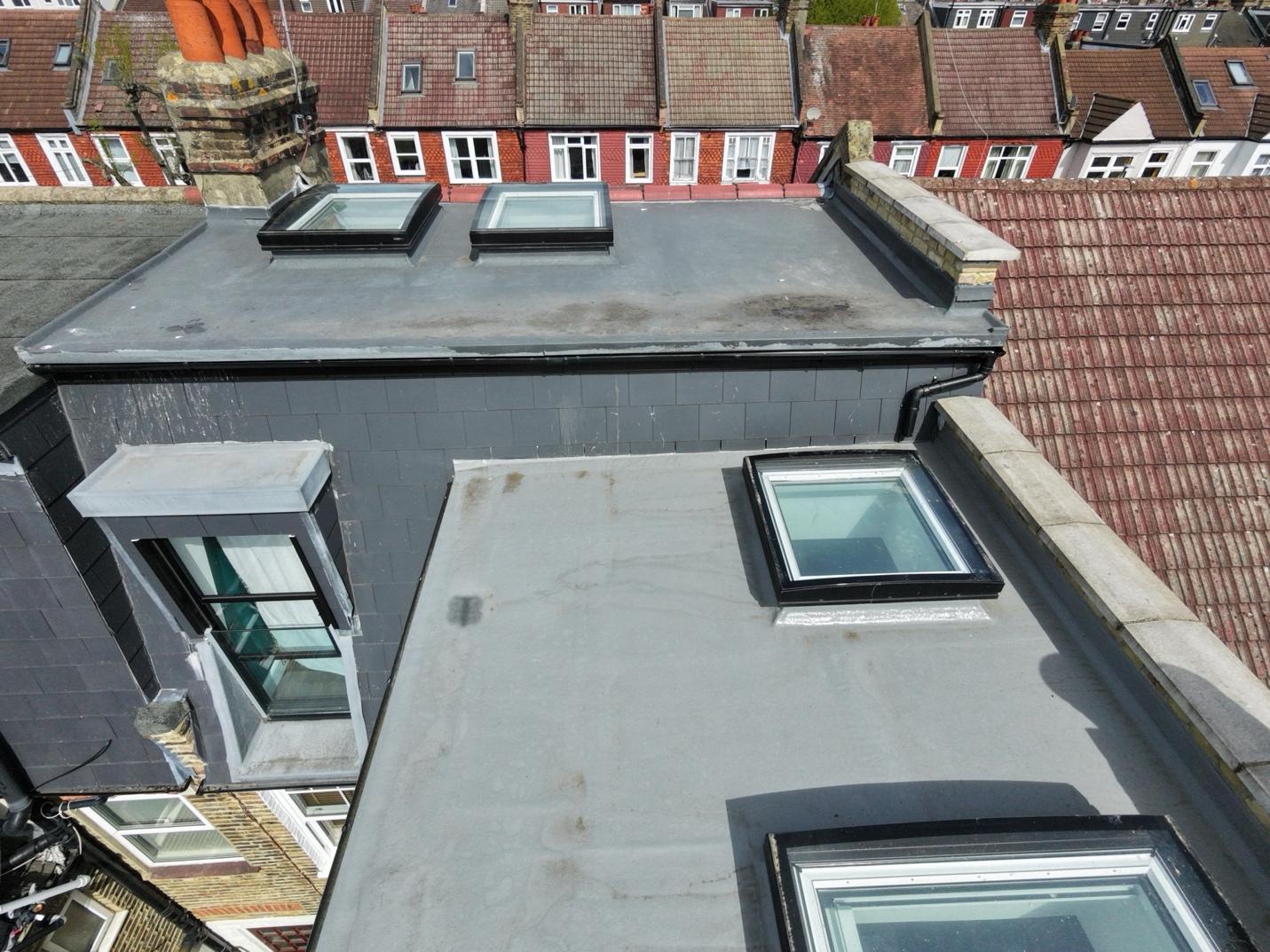
An independent Level 3 damp survey was commissioned for a ground floor flat in Streatham (SW16). The property owner instructed the specialist investigation to evaluate reported wall dampness inside the main living space. Commissioning an unbiased diagnostic assessment ensured the owner received an objective health check based on direct physical testing rather than commercial guesswork.
About the Issue
The homeowner observed localised plaster deterioration and moisture behind the couch along one wall in the living room. Fearing that structural groundwater was saturating the entire ground floor slab or that hidden plumbing leaks were deteriorating wall finishes, they requested an independent evaluation before instructing trades.
The Challenge
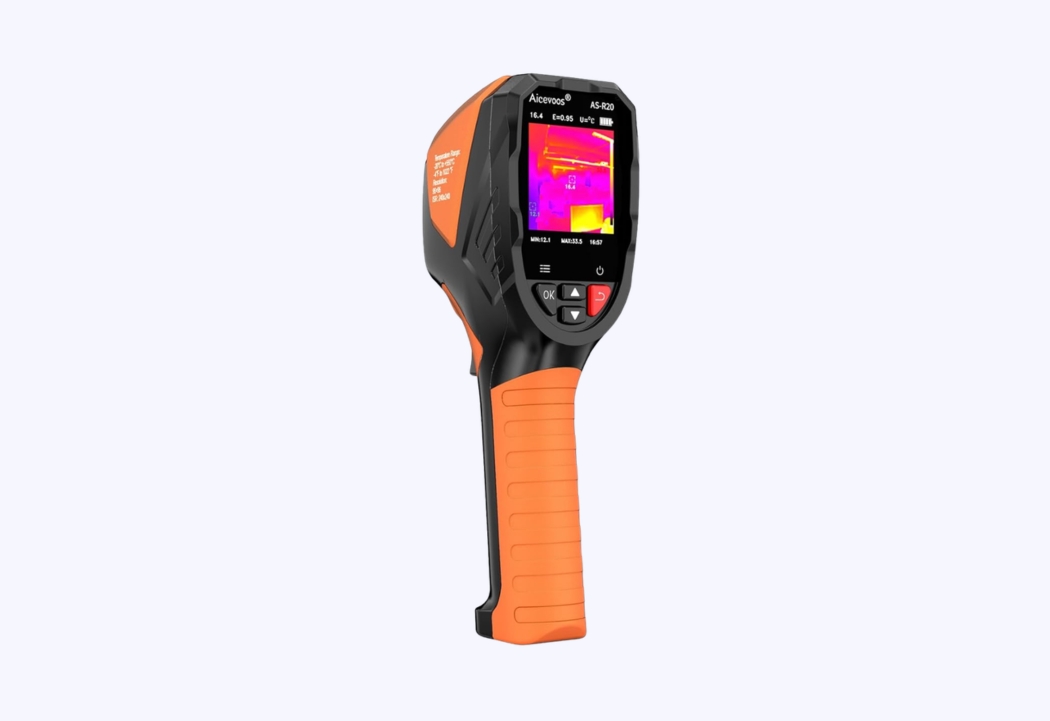
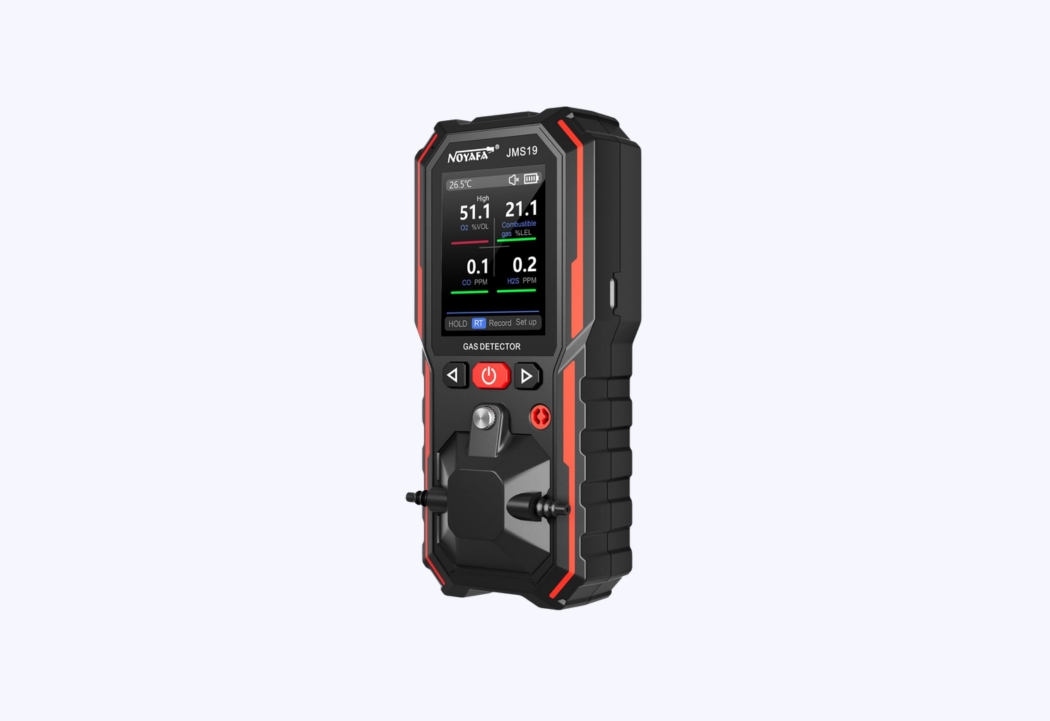
Executing a complete Level 3 damp survey required testing all accessible internal walls, floor slabs, ceilings, structural joinery, plumbing runs, drainage outlets and external roof coverings via an aerial drone. The primary diagnostic goal was to determine whether the dampness was widespread or restricted to a single location.
Systematic testing and visual inspection gathered clear factual evidence:
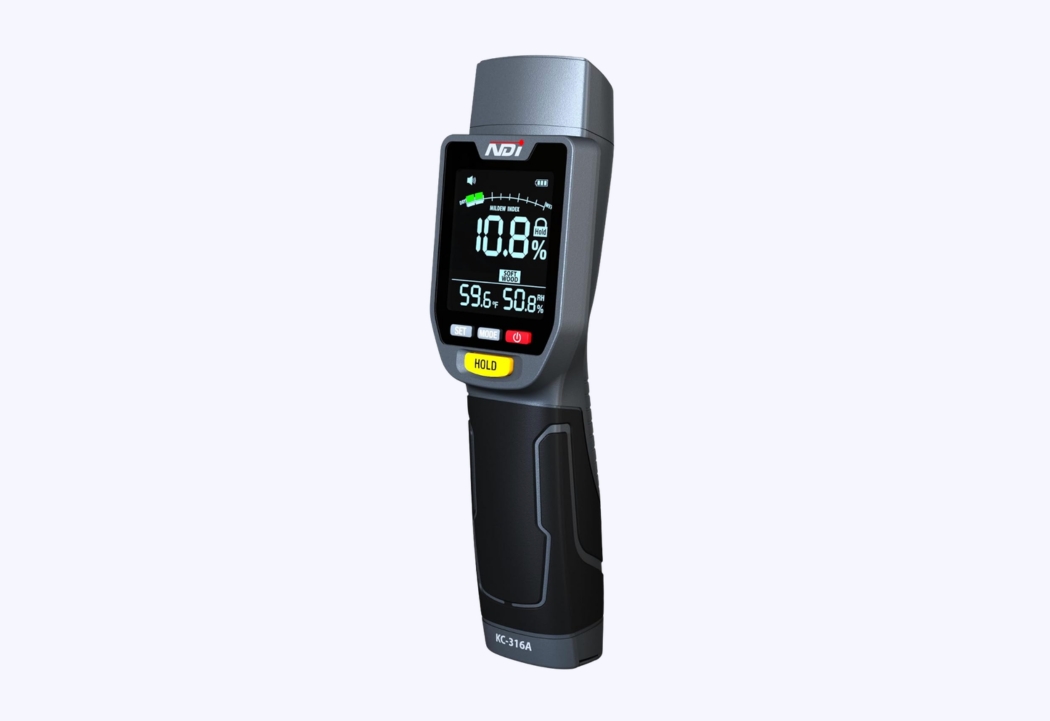
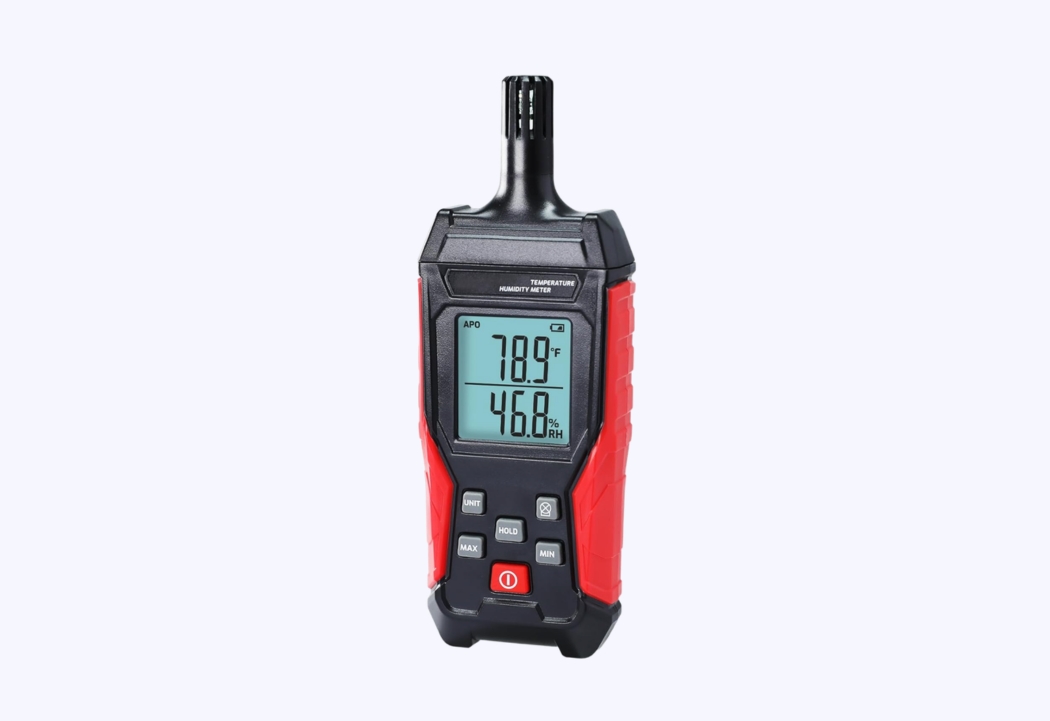
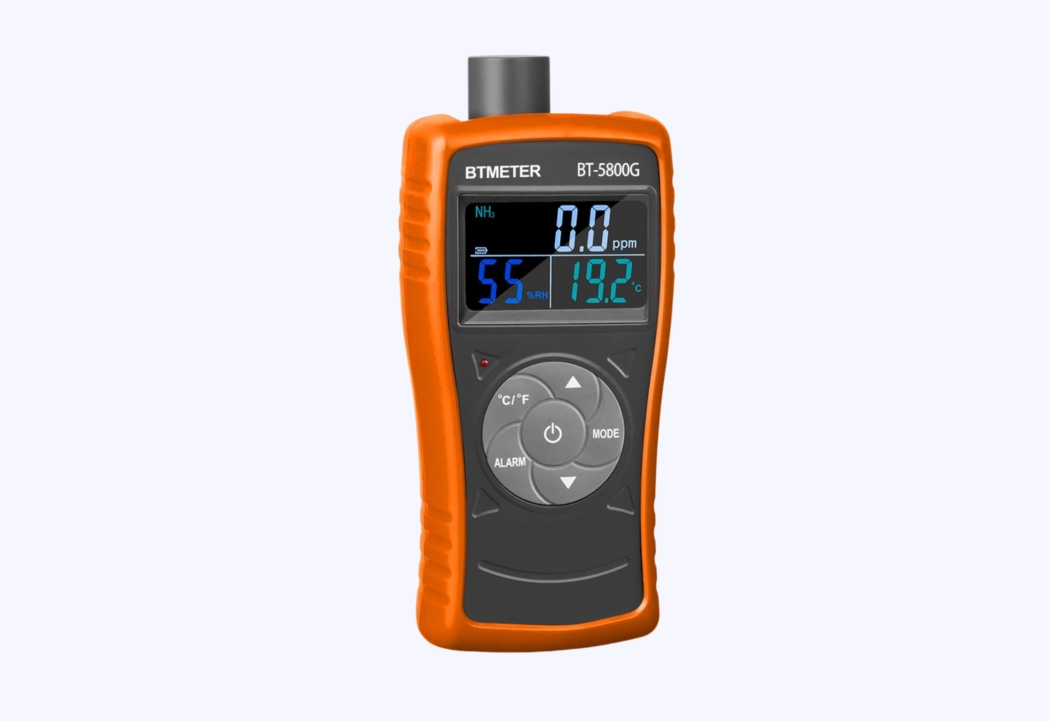
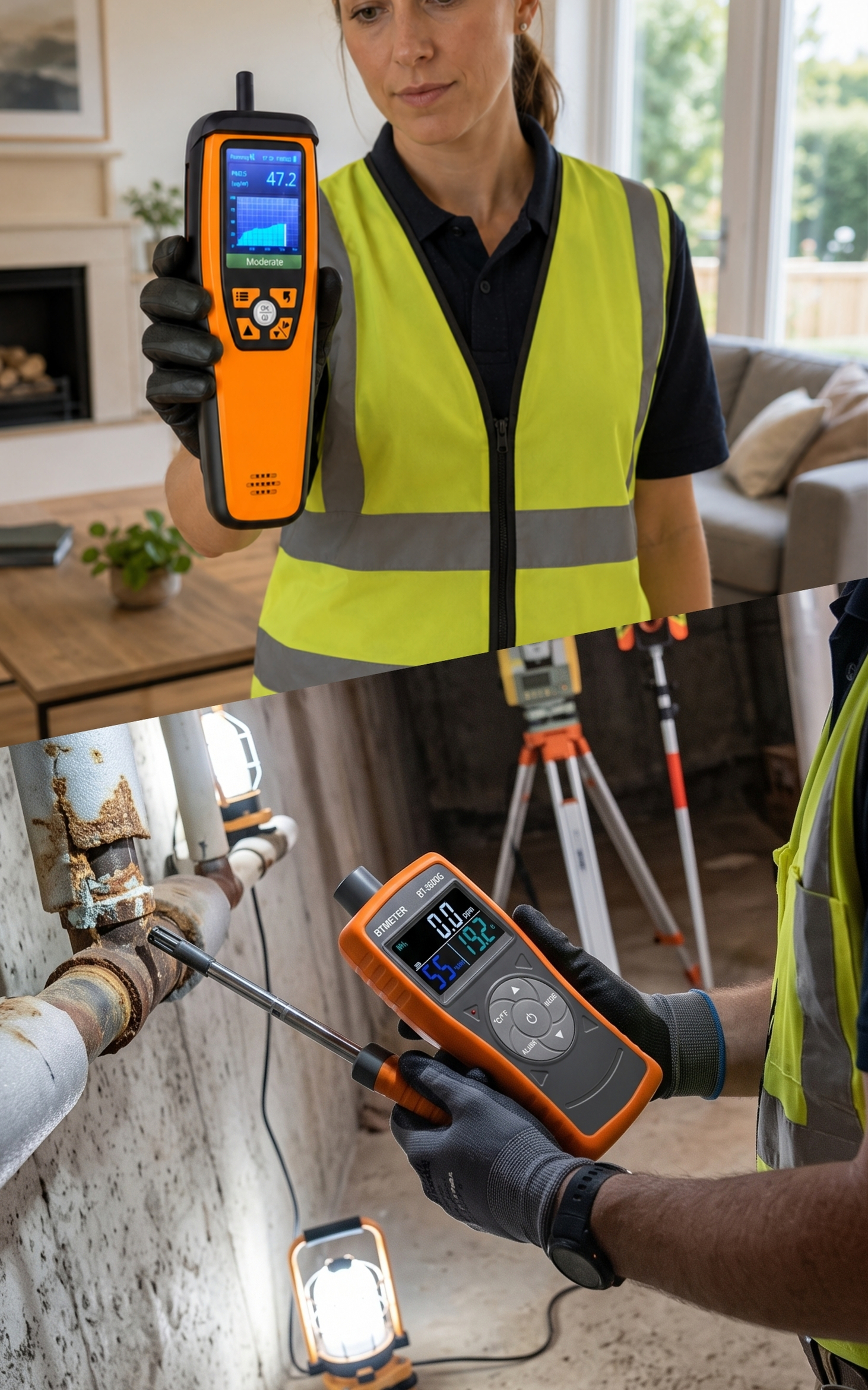
- Internal air testing recorded 54.8% relative humidity at an ambient room temperature of 21.3°C, placing the indoor microclimate within normal parameters and ruling out atmospheric condensation as the cause.
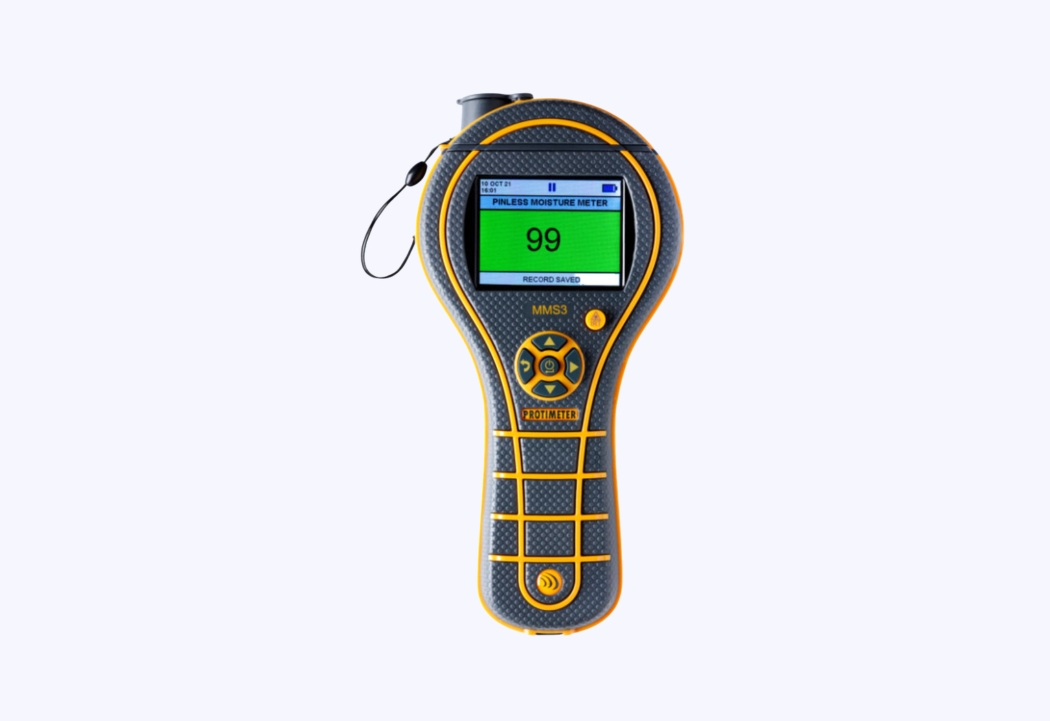
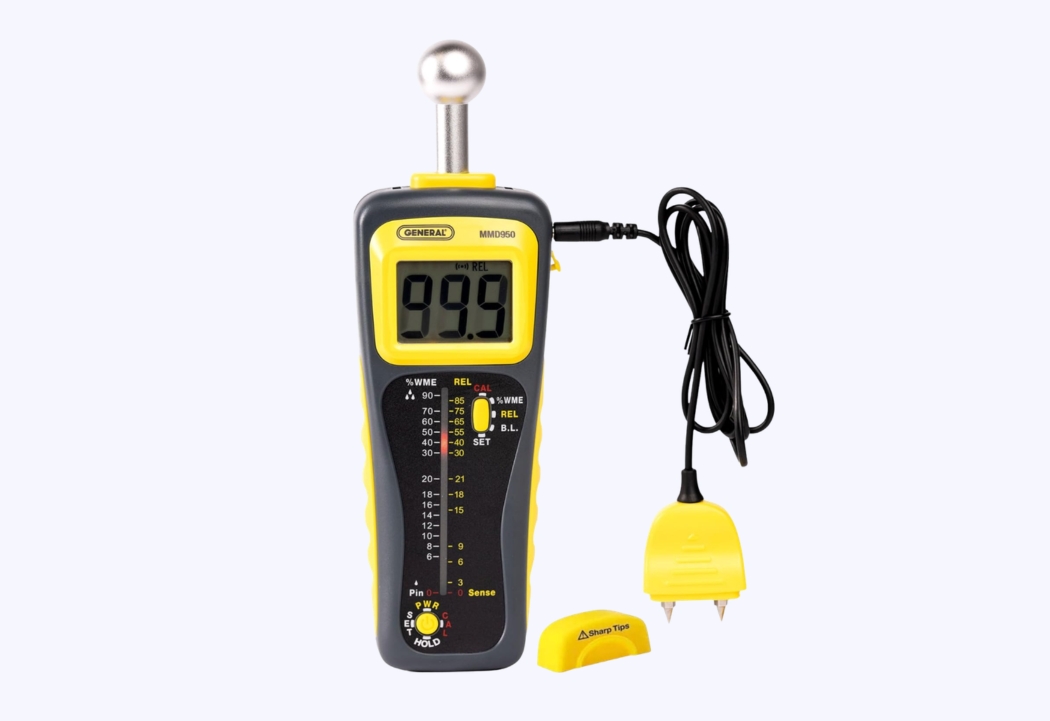
- Quantitative testing with a calibrated damp meter isolated dampness strictly to one section of wall behind the couch in the living room, with all other internal walls, floors and ceilings testing completely dry.
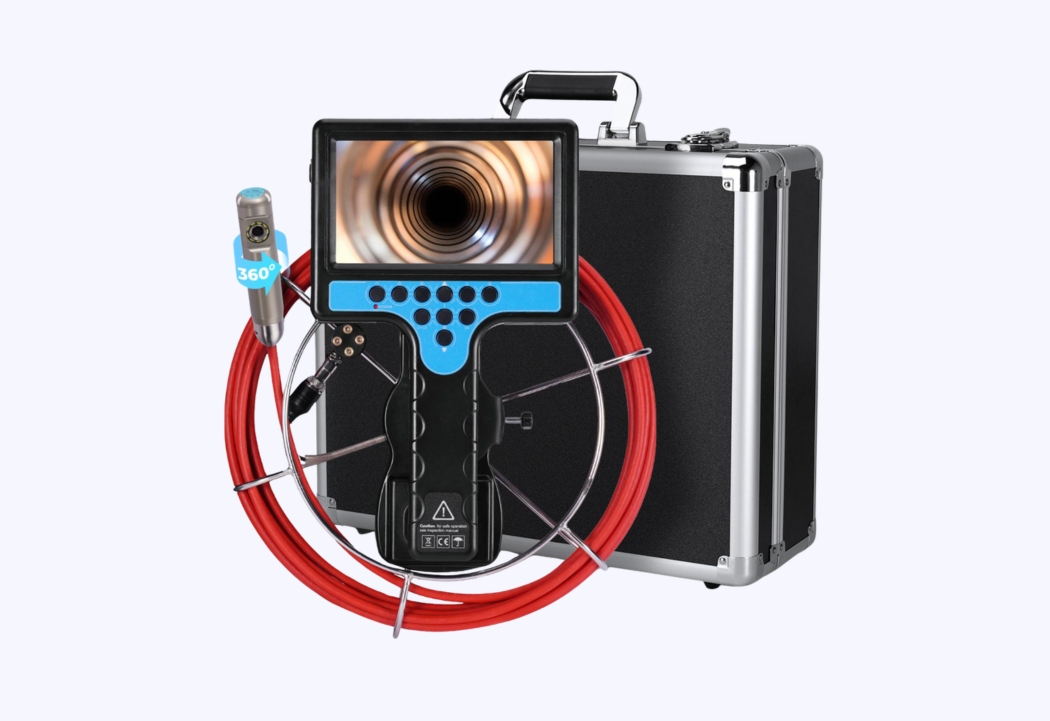
- Full checks across visible plumbing pipework and drainage runs confirmed zero active leaks, water staining, or drain blockages.
- Inspection of accessible timbers confirmed complete freedom from dry rot, wet rot and woodworm infestation.
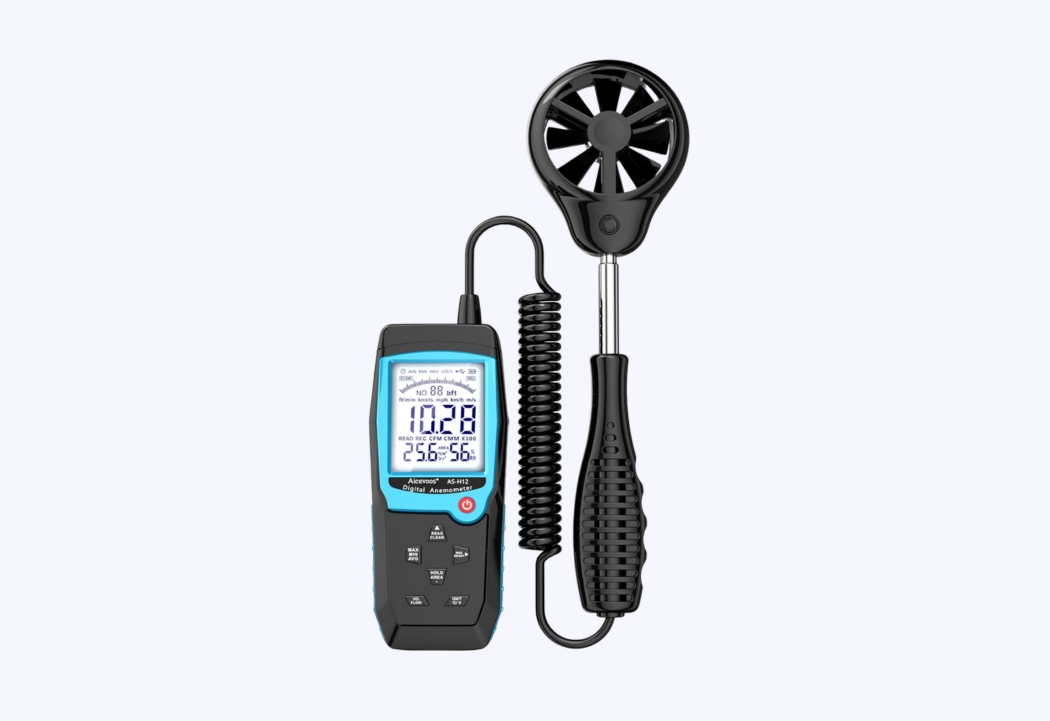
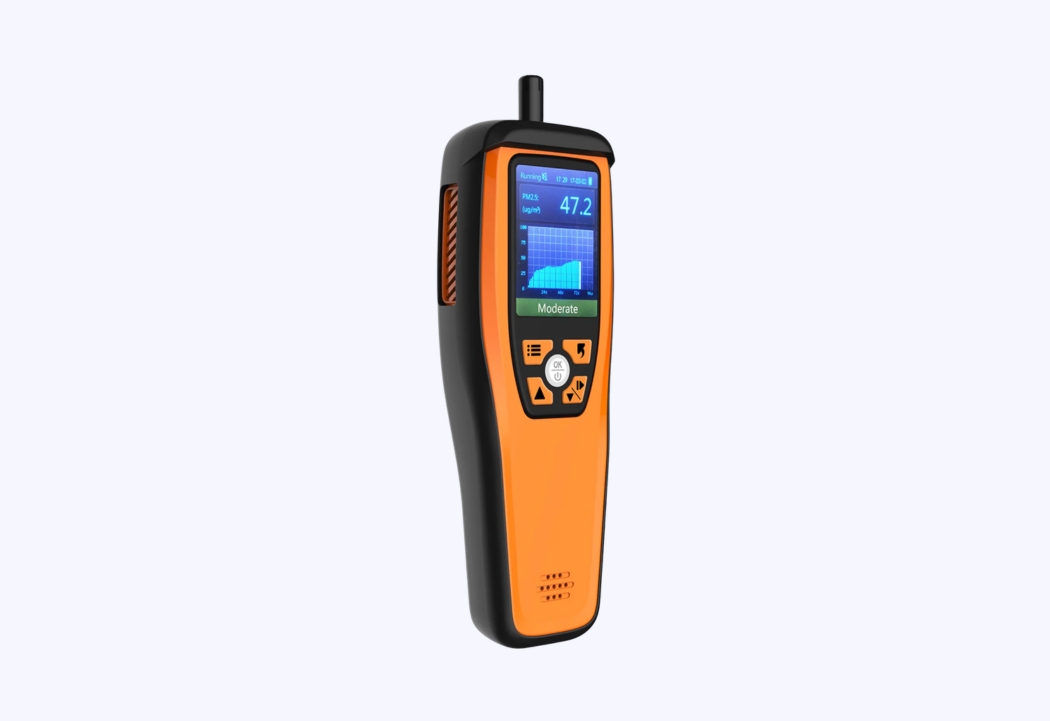
- An aerial drone survey confirmed that roof coverings, flashings, tiles and chimney areas were in good condition with no water ingress, while ventilation flow tests verified that the extractor fan was operating correctly.
- The overall building structure was confirmed sound and while minor touch-ups to external brickwork pointing were noted, they were not causing water ingress.
The diagnostic reasoning established that restricted airflow behind the couch contributed to localised moisture retention, but the primary fault was a localised damp defect within that specific wall section requiring remedial treatment.
The Solution
To permanently resolve the dampness and restore the living room wall, the report outlined a targeted 6-step remedial sequence:
- Strip affected plaster to a suitable height on the living room wall to fully expose contaminated masonry.
- Inject a chemical damp proof course (DPC) into the wall structure to prevent future moisture movement.
- Apply a salt neutraliser to raw masonry to neutralise hygroscopic salt deposits.
- Apply a waterproof tanking slurry to form an impermeable barrier within the wall.
- Install a waterproof render system over the treated masonry.
- Replaster to a smooth finish ready for redecoration and position furniture slightly away from the wall to maintain healthy airflow.
The Outcome
The property owner gained total diagnostic clarity, discovering that their flat was structurally sound and completely free from plumbing leaks, roof defects, or timber rot. By choosing an independent survey, they avoided paying for unnecessary whole-flat damp proofing, restricting remedial works strictly to one localised wall area.
Why This Case Matters
Furniture placed directly against external or ground-contact walls can restrict air circulation and exacerbate low-level damp defects. Independent diagnostic surveys evaluate environmental humidity alongside wall masonry, ensuring property owners resolve localised wall dampness through proper DPC injection and tanking without funding unnecessary full-house treatments.
Was condensation responsible for the damp behind the couch?
No. Atmospheric testing recorded 54.8% relative humidity at 21.3°C, which is within normal limits; while restricted airflow behind furniture contributed to localised moisture retention, the primary issue is a localised wall damp defect requiring treatment.
Did the survey find any dry rot or woodworm in the flat?
No. Comprehensive inspection of all accessible structural timber elements confirmed zero evidence of dry rot, wet rot, or woodworm infestation.
Are any roof or plumbing repairs needed?
No. Aerial drone checks confirmed the roof is watertight and plumbing inspections verified zero active leaks or drainage defects.
Ensure your property receives an honest, evidence-based assessment before undertaking building repairs.