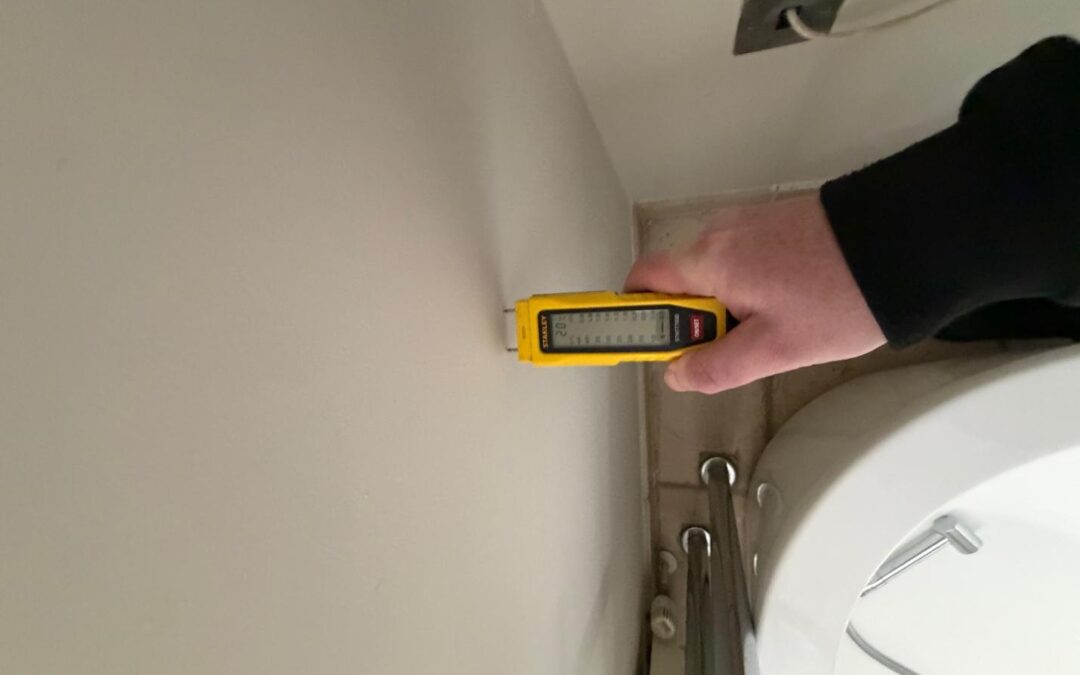

Our Equipment
Damp Meter
Purpose:
Takes comparative surface moisture readings across accessible walls, floors, ceilings and building joinery.
Common Uses / Notes:
Maps surface moisture profiles to help identify rising damp, penetrating damp, condensation, or active plumbing leaks.
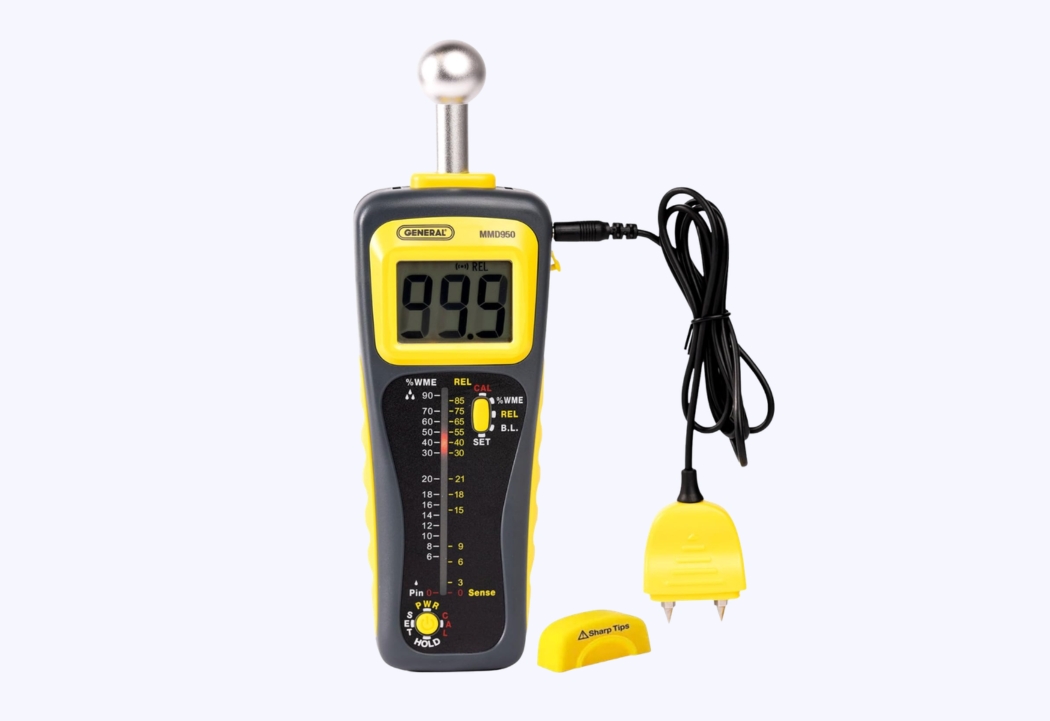
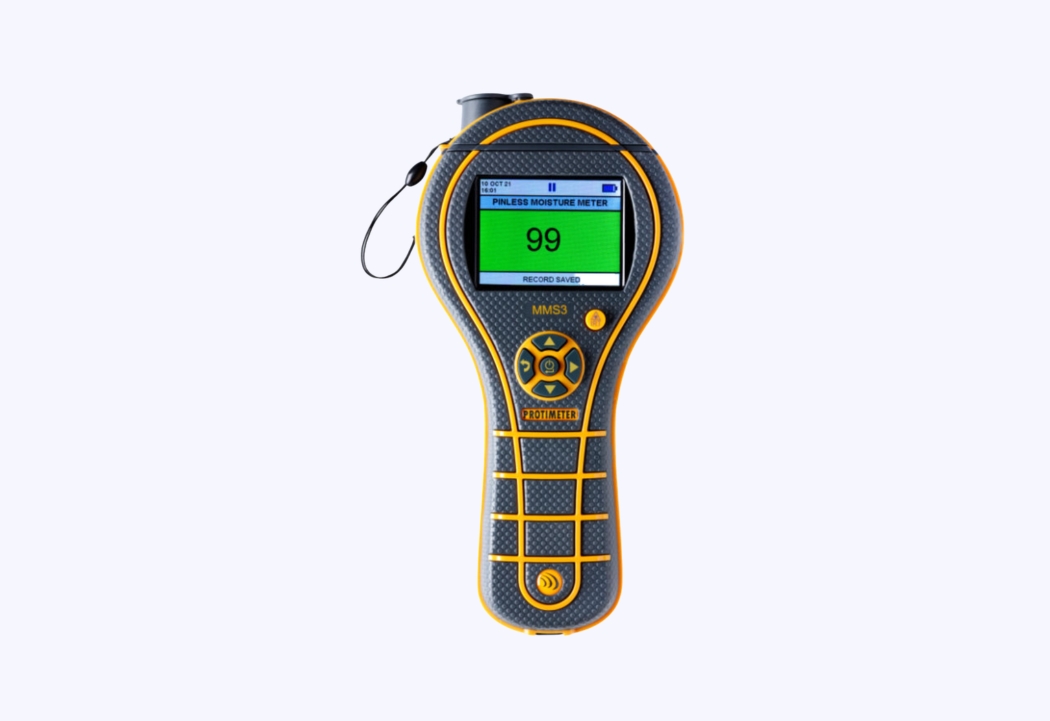
Deep-Penetration Damp Meter
Purpose:
Detects moisture changes deep below the immediate surface of structural materials without destruction.
Common Uses / Notes:
Evaluates dampness within wall cores, beneath floorboards, inside subfloors and behind finishes without removing plaster.
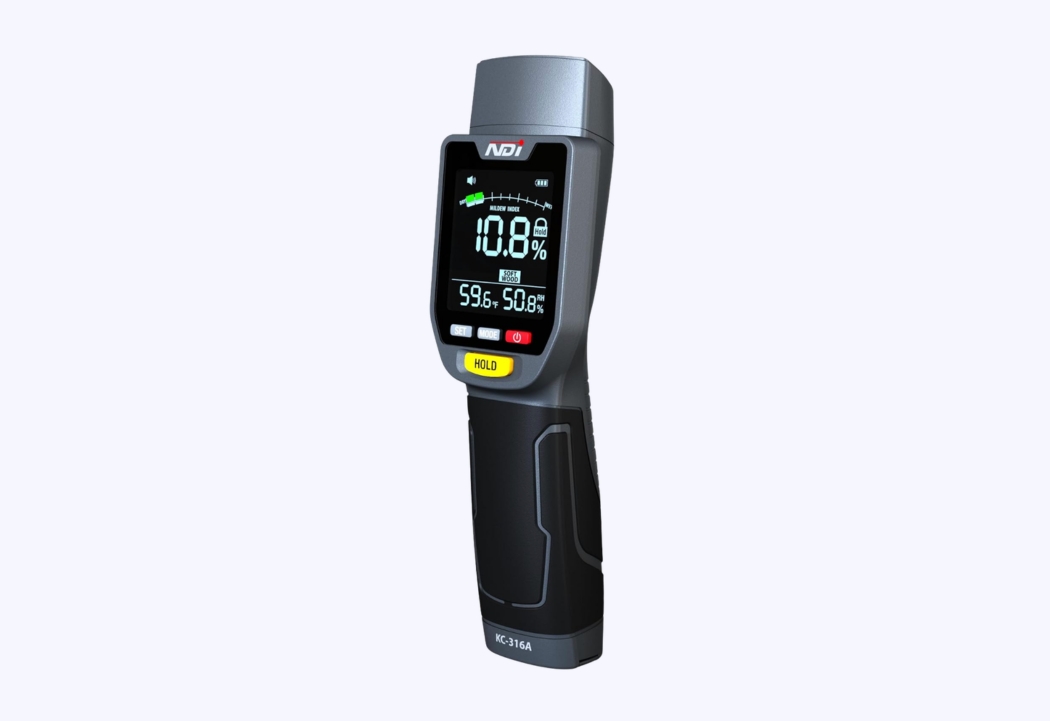
Non-Invasive Moisture Scanner
Purpose:
Scans surface planes non-invasively without inserting pins or probes into decorated finishes.
Common Uses / Notes:
Checks decorated walls, tiled surfaces and delicate floor coverings to trace sub-surface water migration non-destructively.
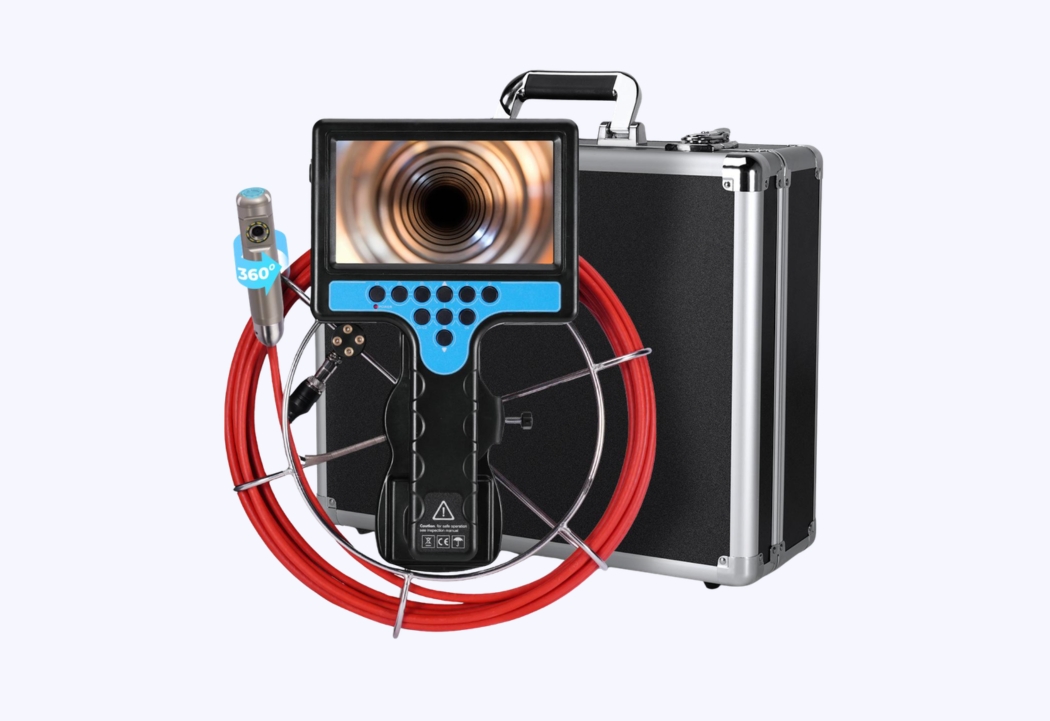
HD Borescope Inspection Camera
Purpose:
Provides high-definition visual examination inside enclosed, narrow, or inaccessible building cavities.
Common Uses / Notes:
Inspects subfloor voids, wall cavities, dry lining and enclosed pipework to locate leaks and defects with minimal disruption.
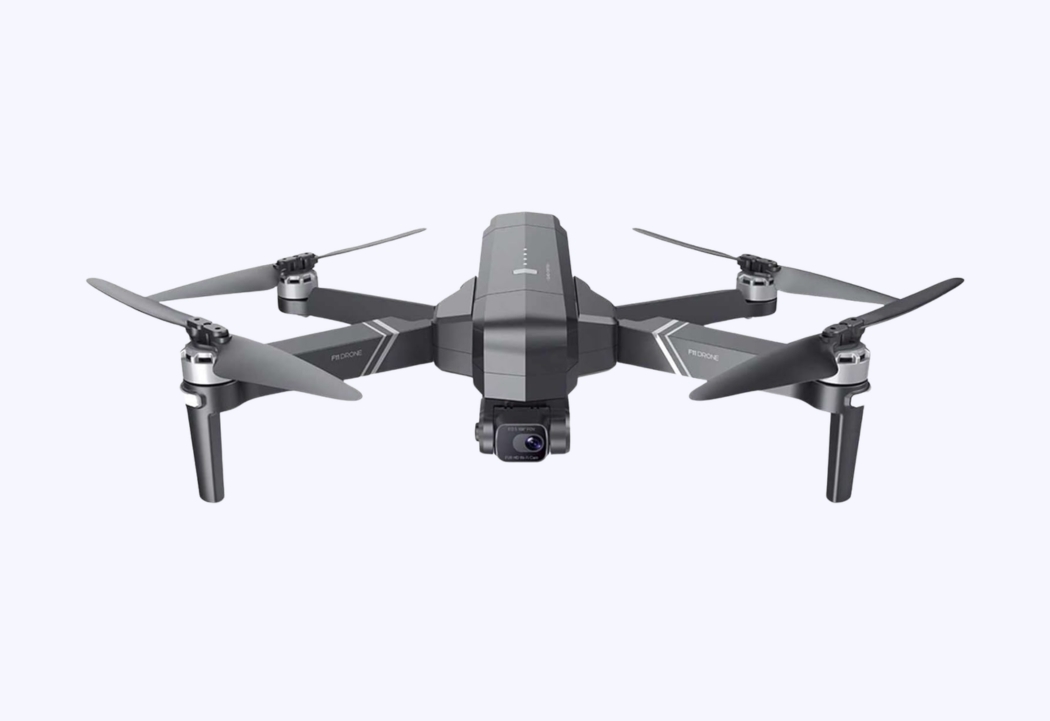
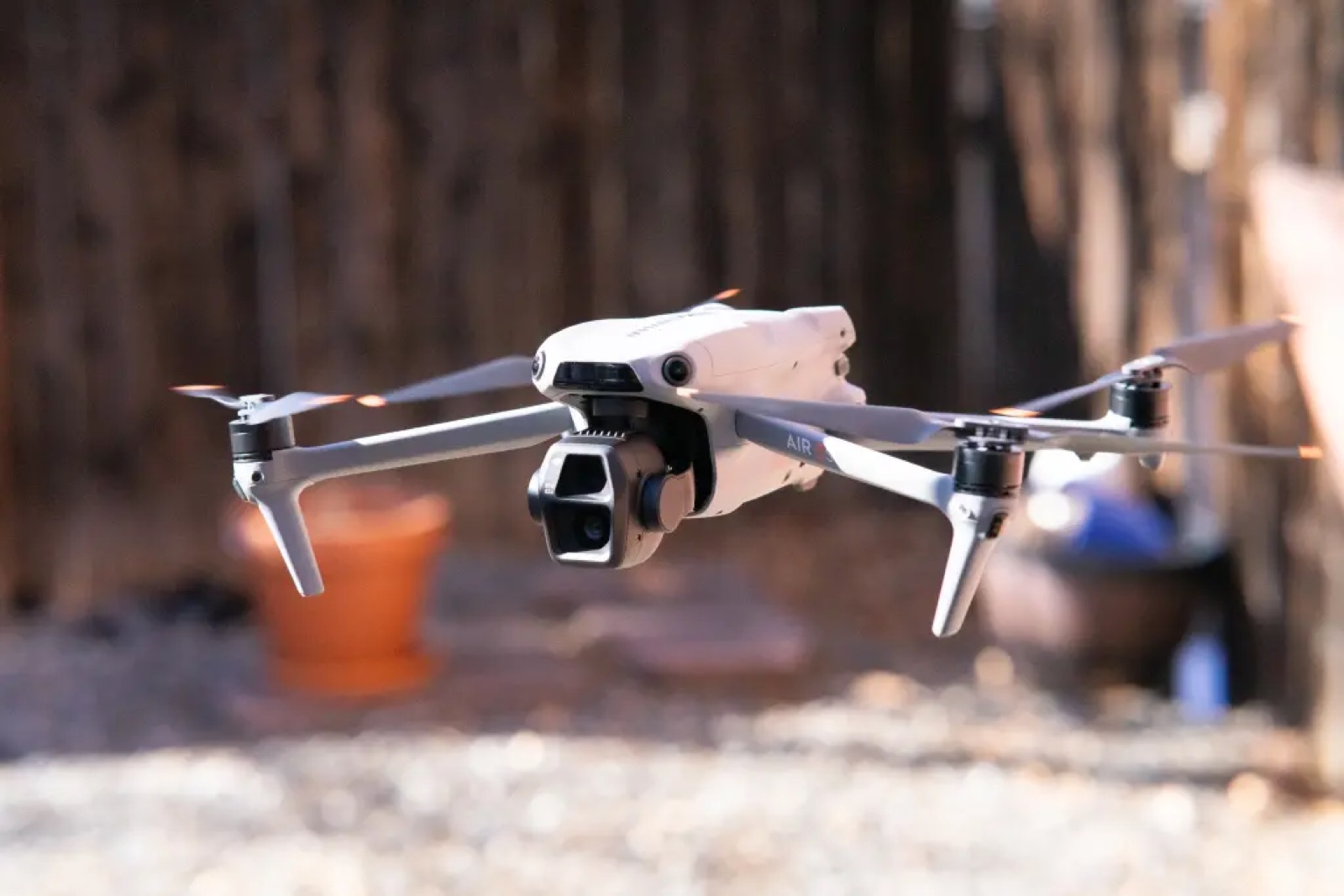
4K Inspection Drone
Purpose:
Captures high-resolution imagery and video of high-level external structures and rooflines.
Common Uses / Notes:
Inspects roof tiles, chimney stacks, lead flashing, parapet walls, valleys and gutters to locate water ingress sources.
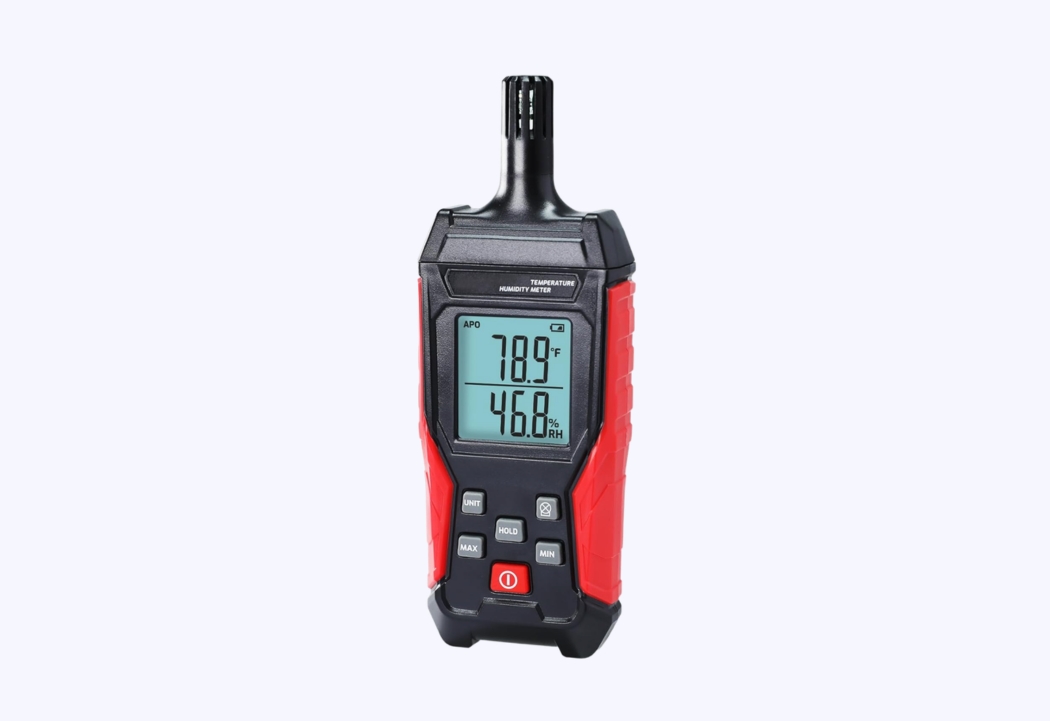
Air Humidity Sensor
Purpose:
Measures ambient air temperature and relative humidity (%RH) levels within living areas.
Common Uses / Notes:
Determines whether atmospheric moisture, cold bridging, or insufficient ventilation supports surface condensation and mould growth.
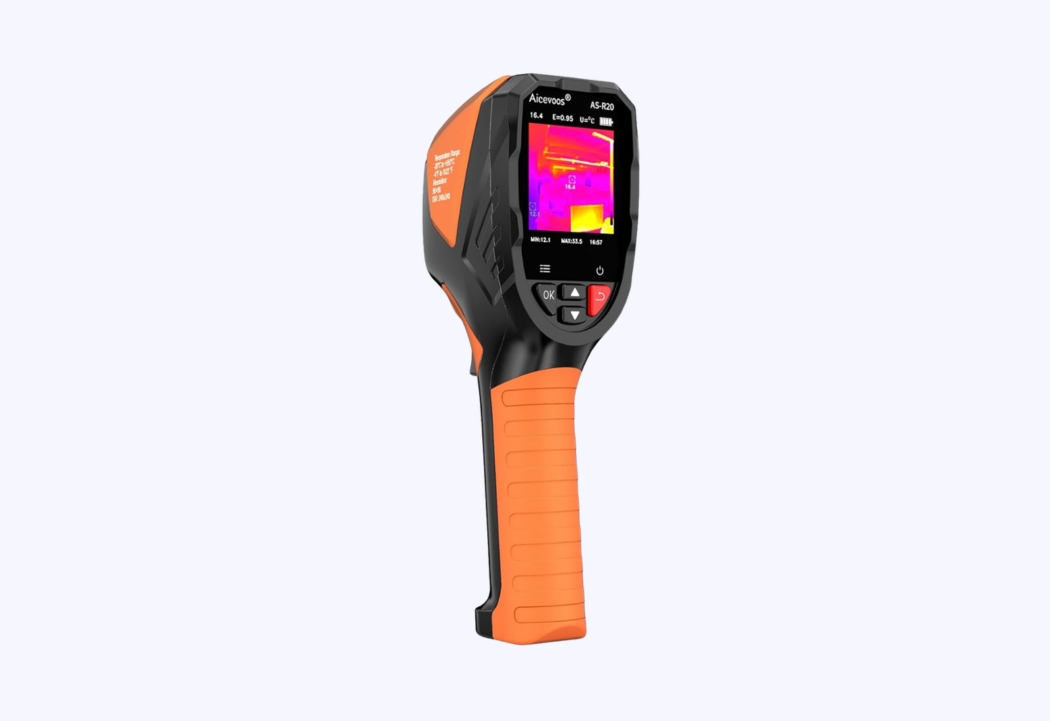
Thermal Imaging Camera
Purpose:
Visualises surface temperature differentials across walls, ceilings and floors.
Common Uses / Notes:
Detects cold spots, missing insulation, thermal bridges, evaporative cooling zones and concealed water leaks.
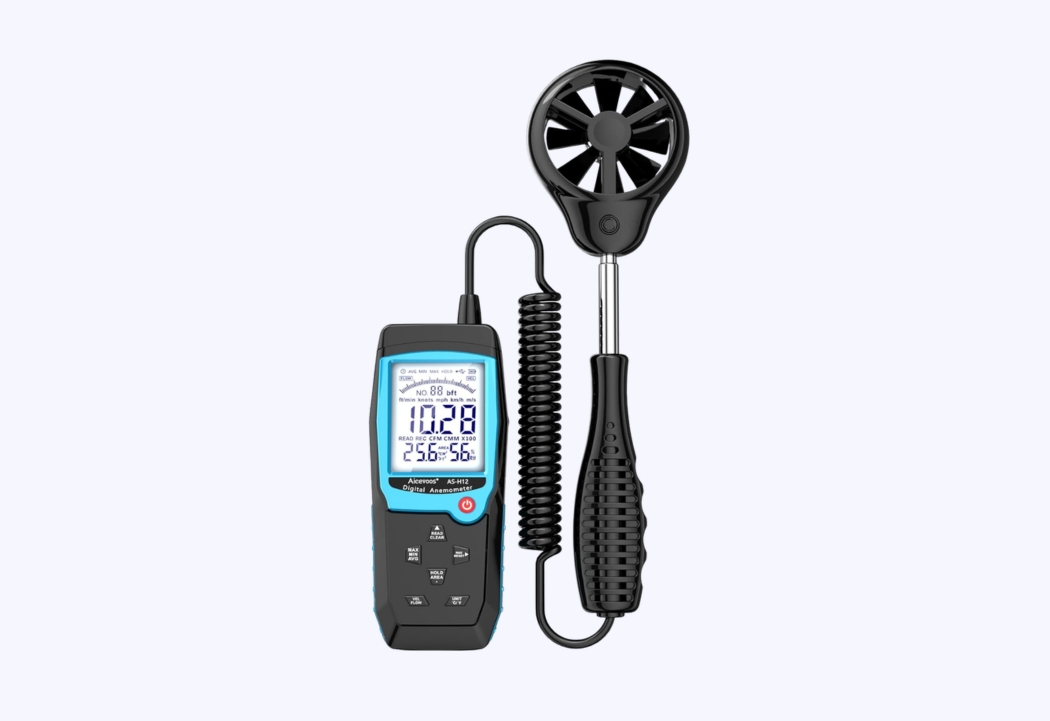
Airflow & Ventilation Detector
Purpose:
Measures volumetric air extraction performance (L/s or m3/h) of mechanical extractor fans.
Common Uses / Notes:
Tests kitchen, bathroom and utility fans to verify compliance with UK Building Regulations Part F and control condensation.
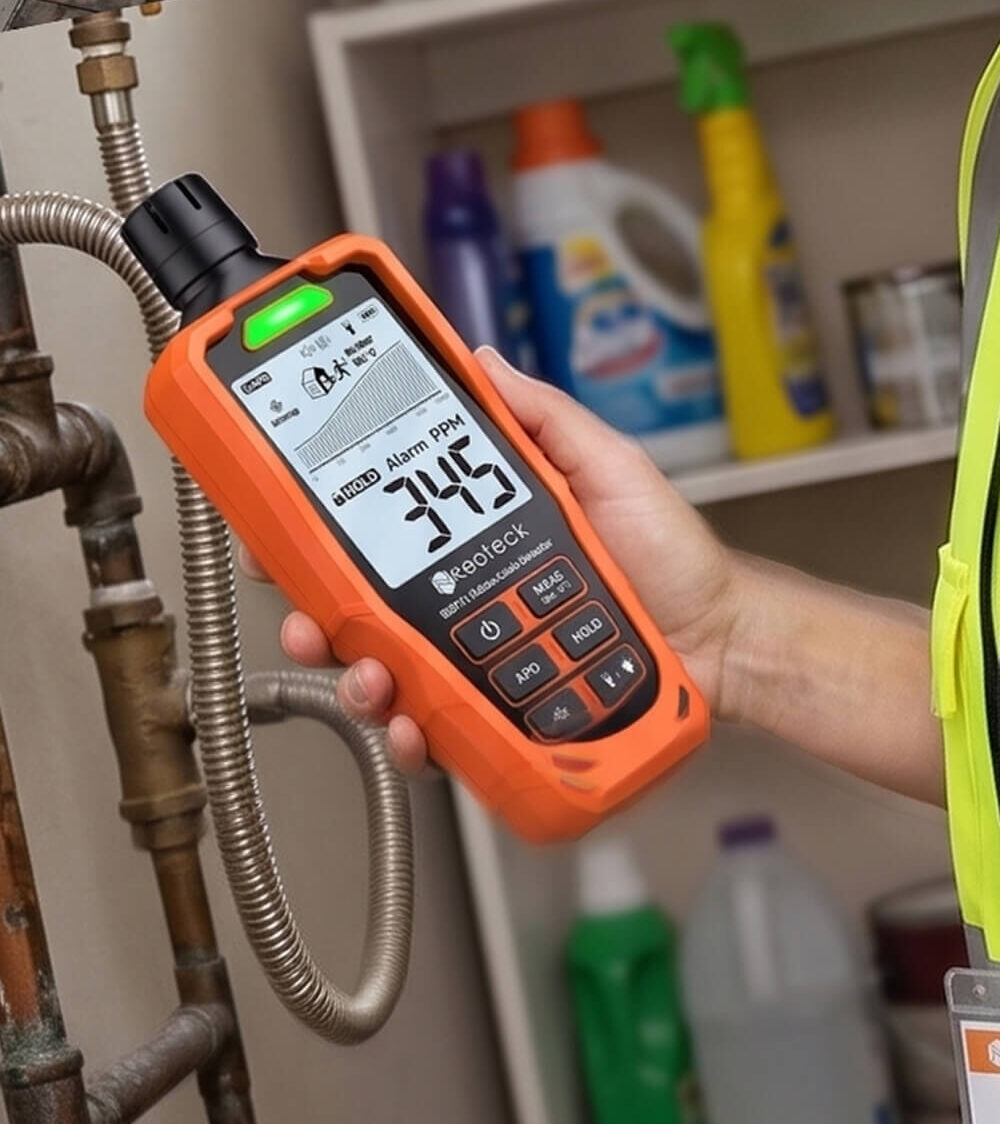
Gas Screening Instrument
Purpose:
Screens indoor environments for sewer gas intrusion, combustible gases and combustion concerns.
Common Uses / Notes:
Traces foul odours, soil stack leaks and sewer gases (H2S, NH3, CH4, CO, O2). Does not replace Gas Safe registered safety checks.
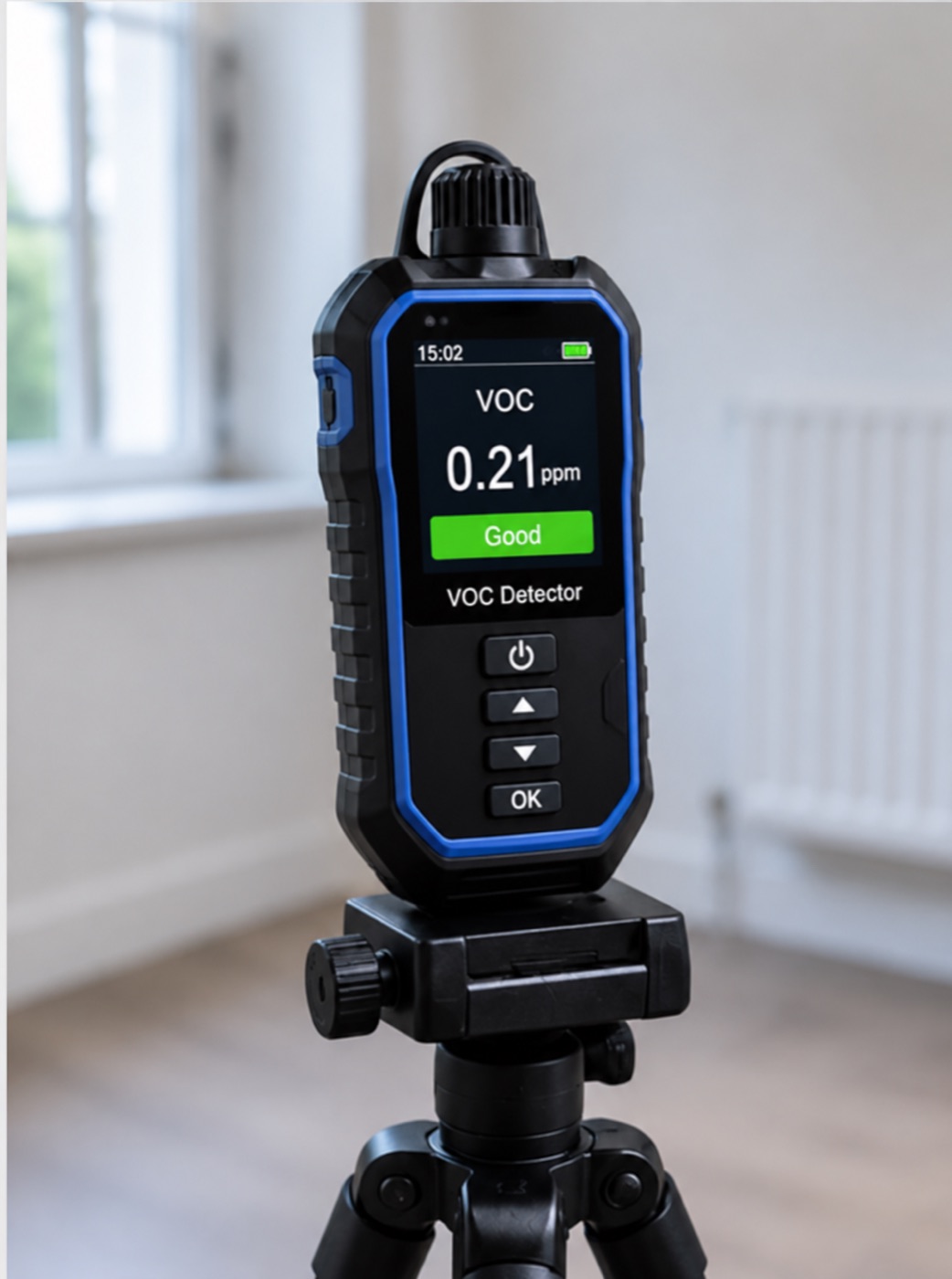
Chemical Vapour Detector
Purpose:
Screens air for Volatile Organic Compounds (TVOC/VOC) and chemical substances like formaldehyde (HCHO).
Common Uses / Notes:
Investigates unexplained chemical odours, building material off-gassing, post-flood air safety and indoor air quality.
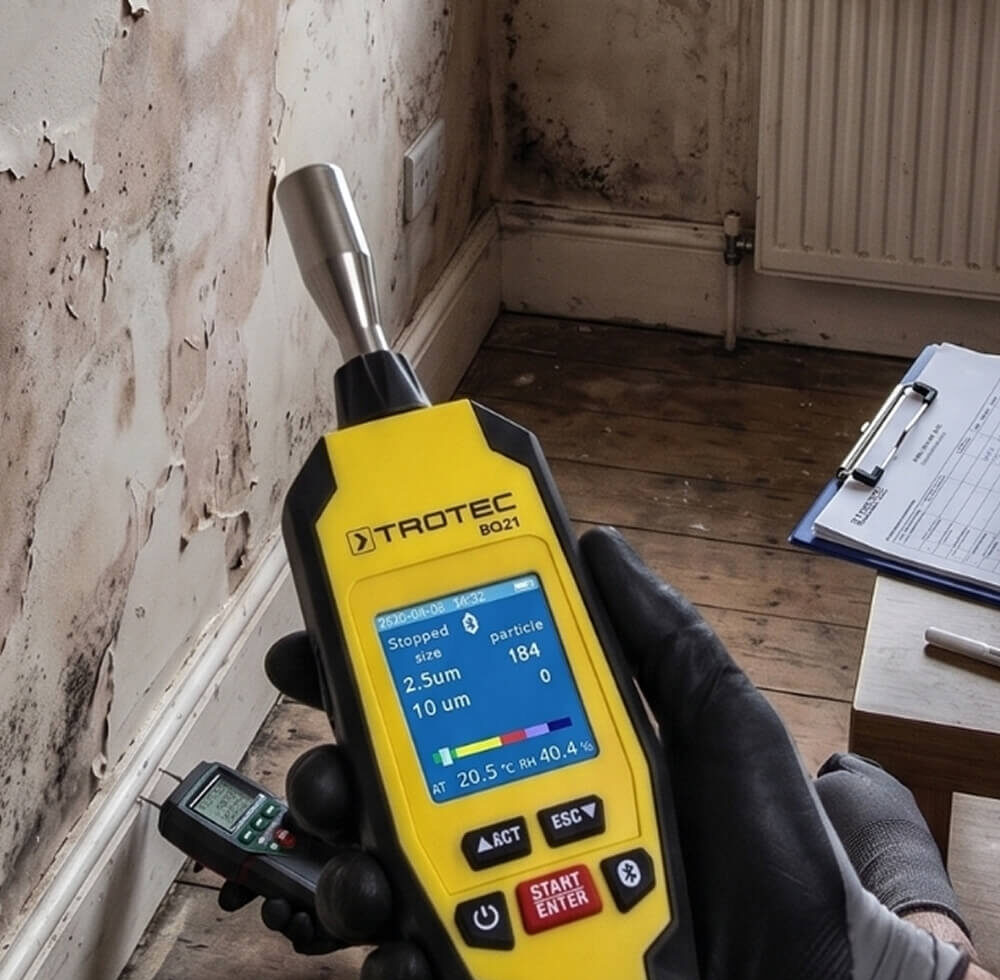
Airborne Particle Detector
Purpose:
Measures airborne particulate concentrations across precise micron size ranges (PM1.0, PM2.5, PM10).
Common Uses / Notes:
Assesses fine dust, smoke, airborne matter and environmental air quality following water damage or mould outbreaks.
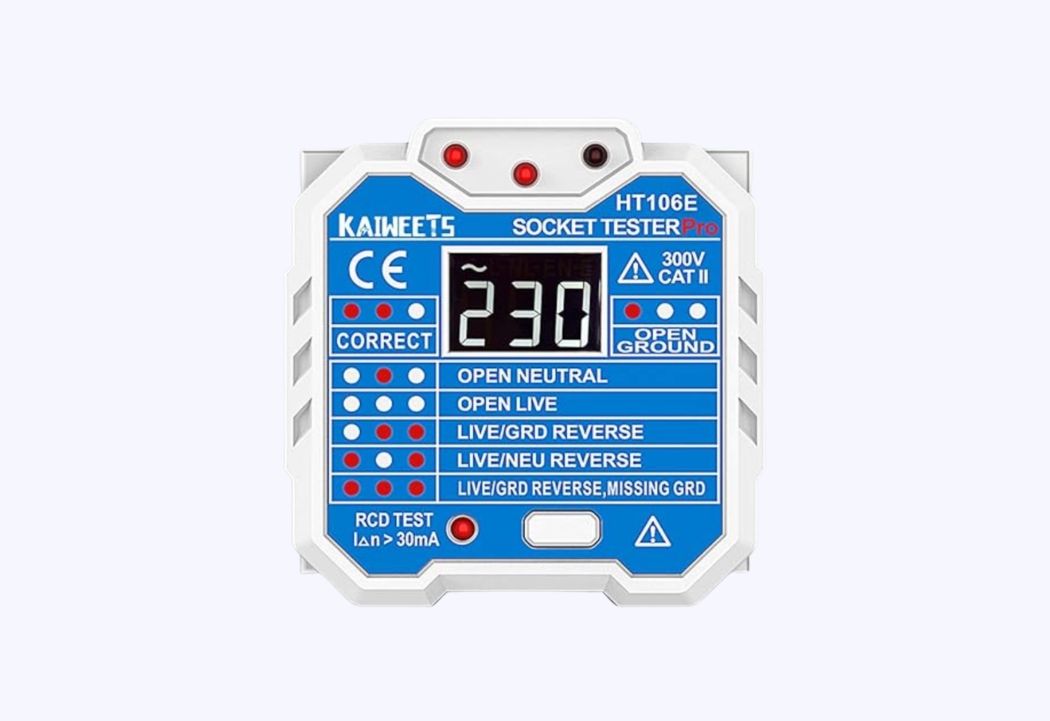
Electrical Socket & RCD Tester
Purpose:
Provides basic safety and protective circuit screening in areas affected by dampness.
Common Uses / Notes:
Identifies socket wiring faults, tests RCD trip functions and checks AC voltage in wet areas. Does not replace an EICR.
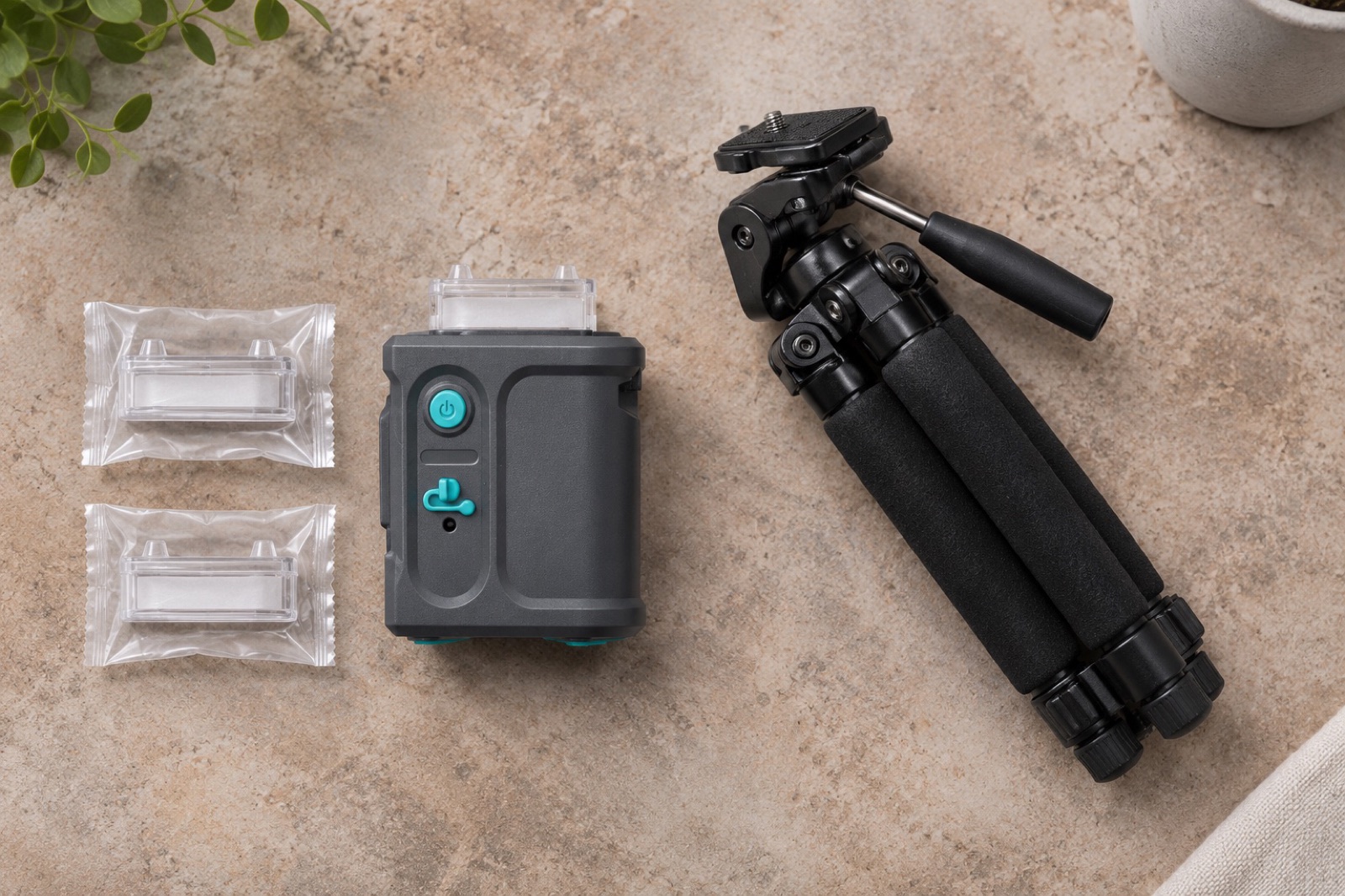
Air Sampling Pump
Purpose:
Collects active airborne mould spore samples from inside a property—and outdoors where required for baseline comparison—for laboratory analysis.
Common Uses / Notes:
Measures circulating spore levels at the time of inspection to support remedial planning and clearance checks, interpreted alongside structural moisture and ventilation findings.
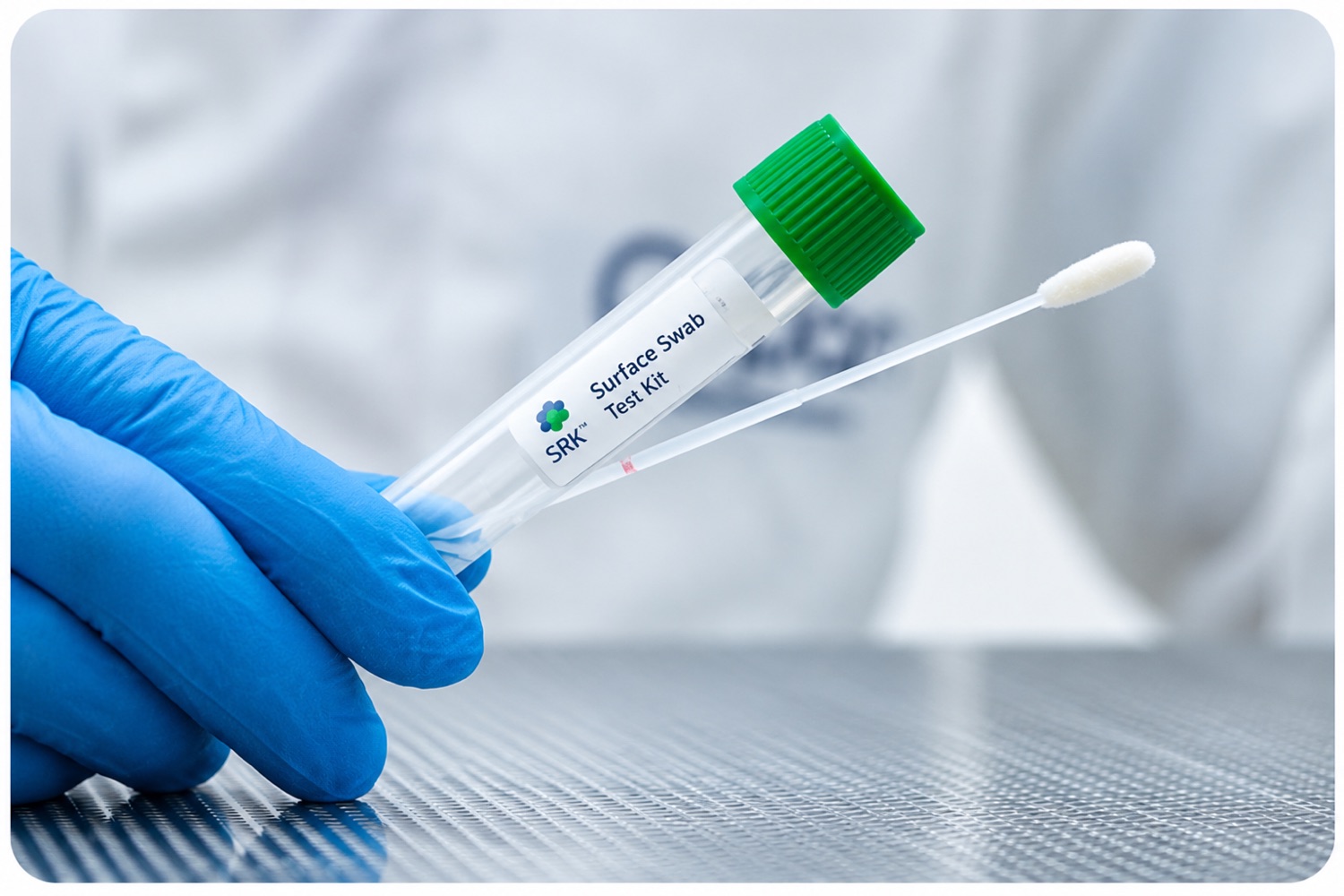
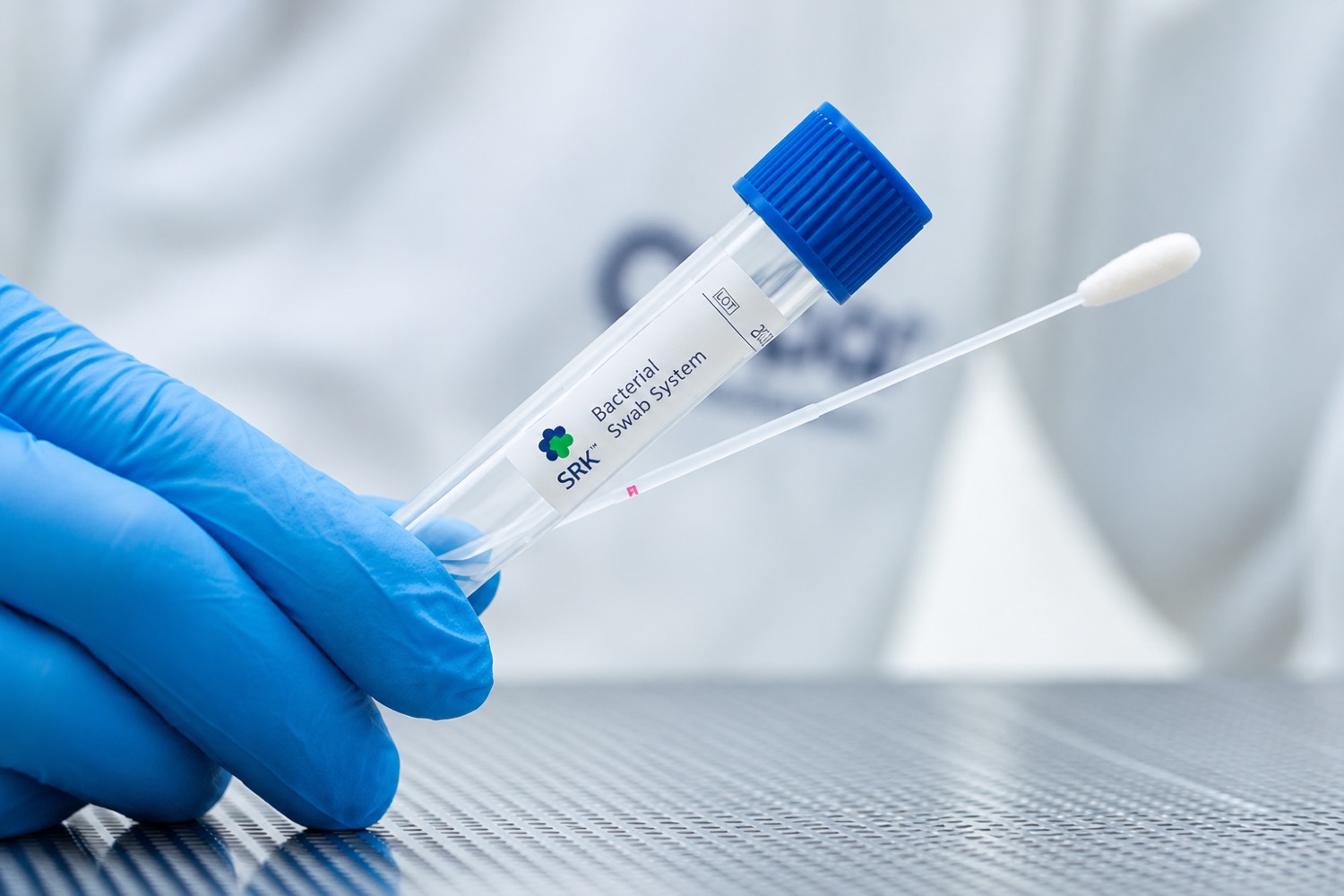
Laboratory Swab Sampling Kit
Purpose:
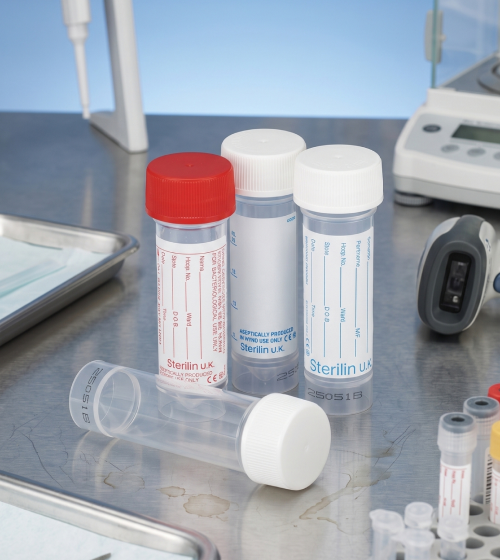
Enables hygienic collection of surface residues across porous and non-porous building materials for external laboratory analysis.
Common Uses / Notes:
Supports investigations into recurring mould, unexplained organic odours, sewage backups and pest contamination, ensuring remedial cleaning is accurately targeted.
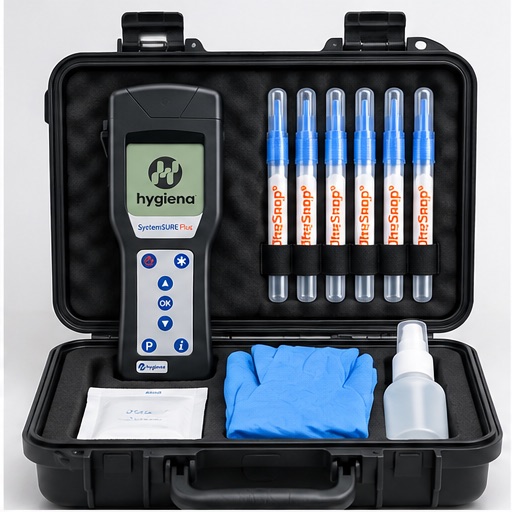
ATP Testing Meter
Purpose:
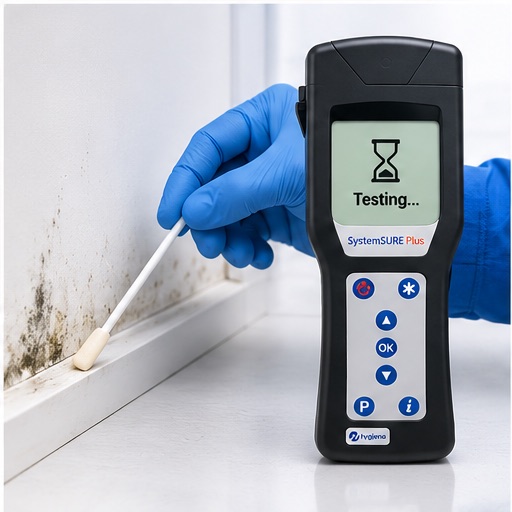
Uses high-sensitivity swab luminometry to detect trace organic and biological residues across accessible building surfaces.
Common Uses / Notes:
Assists surveyors in mapping non-visible contamination following escape of water or drainage defects and validating post-remediation hygiene. Indicative screening only; laboratory swabs are used where species identification is required.
Survey Levels & Package Specifications
Select Your Survey
Level 1
Standard Damp Survey
Standard price: £299 + VAT
Promotional Price: £199 + VAT (Limited Time Offer)
Offer ends in--Days--Hours--Mins--Secs
The Level 1 Damp Survey is a basic damp inspection designed to check the main accessible areas of the property for damp, leaks
and visible moisture-related issues.
Equipment Included
- Damp meter
What Is Included
- Inspection of walls
- Inspection of floors
- Inspection of ceilings
- Leak inspection of drains and plumbing
- Damp information and prevention guide
Best For
This survey is best for customers who need a basic damp check where only a damp meter is used. It is most suitable for simple
damp concerns, such as suspected rising damp, visible damp patches, minor moisture concerns or a general check of accessible
areas.
The Level 1 Damp Survey is suitable where the customer wants a straightforward inspection of walls, floors, ceilings, drains and
plumbing without the use of advanced survey equipment.

Level 2
Detailed Damp & Timber Survey
Standard price: £399 + VAT
Promotional Price: £299 + VAT (Limited Time Offer)
Offer ends in--Days--Hours--Mins--Secs
The Level 2 Damp Survey includes everything in the Level 1 survey, with additional timber decay inspections and deeper
moisture testing.
Equipment Included
- Damp meter
- Deep-penetration damp meter for all building materials
- Non-invasive moisture detection equipment
What Is Included
- Inspection of walls
- Inspection of floors
- Inspection of ceilings
- Leak inspection of drains and plumbing
- Dry rot inspection
- Wet rot inspection
- Woodworm inspection
- Deep moisture detection in building materials
- Non-invasive moisture testing under floorboards and subfloors where accessible
- Damp information and prevention guide
Best For
This survey is best for customers who need a damp and timber inspection. It is suitable where there may be concerns about damp,
wood rot, dry rot, wet rot, woodworm or moisture hidden behind building materials.
The Level 2 Damp Survey uses equipment that can read deeper into building materials, including areas such as subfloors, under
floorboards, behind panelling and other accessible hidden areas. This allows us to get a better understanding of whether there may
be hidden damp within the property without dismantling or damaging materials.
This survey is very suitable for home buyers and sellers who want a more detailed damp inspection before purchasing or selling a
property.
Level 3
Advanced Building Moisture Survey
Standard price: £499 + VAT
Promotional Price: £399 + VAT (Limited Time Offer)
Offer ends in--Days--Hours--Mins--Secs
The Level 3 Damp Survey is our most detailed survey. It includes everything in the Level 1 and Level 2 surveys, with additional
advanced equipment and a wider inspection of the property.
Equipment Included
- Damp meter
- Deep-penetration damp meter for all building materials
- Non-invasive moisture detection equipment
- Thermal imaging camera
- Air humidity sensor
- HD borescope inspection camera
- Airflow and ventilation detector
- 4K drone
- Electrical socket and RCD circuit tester
What Is Included
- Inspection of walls
- Inspection of floors
- Inspection of ceilings
- Leak inspection of drains and plumbing
- Dry rot inspection
- Wet rot inspection
- Woodworm inspection
- Deep moisture detection in building materials
- Non-invasive moisture testing under floorboards and subfloors where accessible
- Thermal imaging inspection
- Air humidity testing
- HD borescope camera inspection
- Brickwork pointing inspection
- Damp proof course inspection (DPC)
- Ventilation flow test on extractor fans
- 4K drone imagery
- Roof inspection
- Chimney stack inspection
- Guttering inspection
- Structural condition inspection
- Basic electrical socket and RCD circuit test
Best For
This survey is most suitable for home buyers, sellers and property owners who want the most thorough damp inspection available. It is ideal where there are concerns about damp, leaks, mould, condensation, ventilation issues, timber decay, hidden moisture, roof defects or general property condition.
The Level 3 Damp Survey covers all key areas of the property, including walls, floors, ceilings, ventilation, drains, plumbing, timber, hidden areas and roof-level defects. It is designed to identify damp and moisture-related issues that may not be visible during a basic inspection.
This survey is especially useful for buyers and sellers because it includes a 4K drone inspection of the roof, chimney stack, guttering and other high-level external areas. Roof defects are one of the most expensive hidden issues in a property, and many roofs, chimney stacks and guttering systems are not 100% perfect.
The extra cost of this survey can often be recovered if a roof, chimney, guttering or high-level defect is found before purchase. Even a small issue found on the roof can cost more than the difference between survey levels. Roof problems cannot usually be ignored, as water ingress from above can lead to serious damp, timber decay, internal staining, mould and ongoing property damage.This survey is best for customers who want a detailed, evidence-based inspection before making decisions about buying, selling, repairing or maintaining a property.
Specialised Laboratory Diagnostic Add-Ons
Add-On 1

4K Drone Roof Survey
Price £199 + VAT
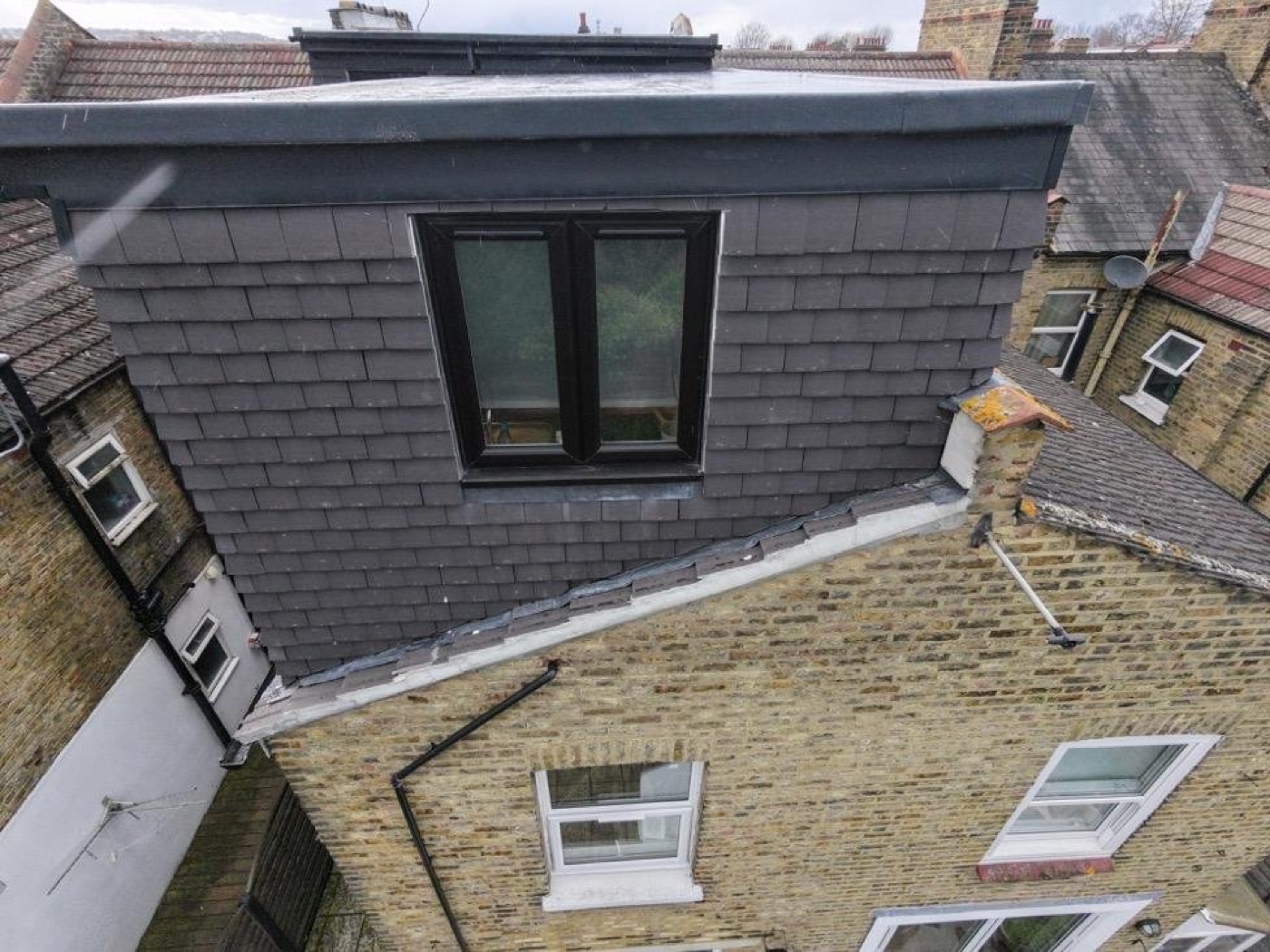
Description: An advanced aerial building pathology inspection utilising ultra-high-definition 4K drone cameras to examine external roof slopes, chimney flashings, parapet walls, valley gutters and elevated rainwater assemblies. The unmanned aerial survey delivers photographic and video evidence detailing visible external defects, weathering, missing coverings and masonry degradation in locations unreachable from ground level.
Value: Supplies clear, documented photographic and video evidence of elevated envelope failures without the substantial expense, time delays, or logistical disruption of scaffolding and specialist access towers. It allows surveyors to isolate external building defects responsible for penetrating damp, providing uncompromised evidence for pre-purchase price negotiations, leaseholder disputes, or long-term planned maintenance.
This service can be beneficial when:
- Multi-storey elevations, high parapets, or concealed valleys prevent safe inspection from street level.
- Internal moisture mapping detects active water ingress across upper ceilings or chimney breasts.
- Rainwater goods, box gutters, or flashing details are suspected of failing and discharging moisture into brickwork.
- Homebuyers or conveyancing solicitors need an impartial assessment of high-level fabric condition prior to exchange.
- Unbiased pictorial proof is required to cross-examine contractor estimates or structural repair proposals.
Add-On 2
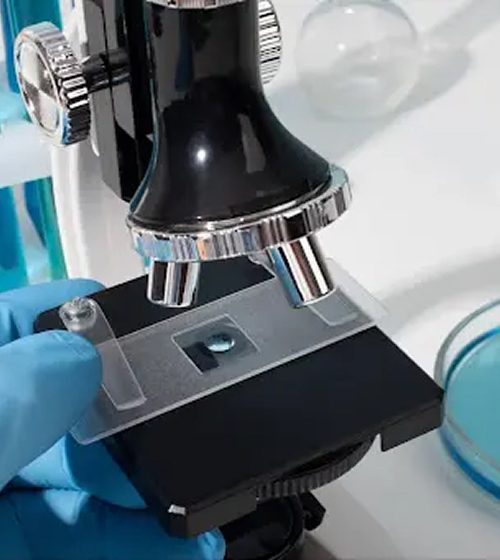
Mould Laboratory Testing & qPCR DNA Analysis
Price £299 + VAT
Surface swab or lift samples are submitted to an accredited laboratory for advanced qPCR DNA analysis.
Diagnostic Value: Accurately identifies exact mould species, measures contamination concentrations and detects hidden fungal growth inside cupboards or behind dry lining. Delivers impartial scientific evidence to guide safe environmental remediation.
Add-On 3
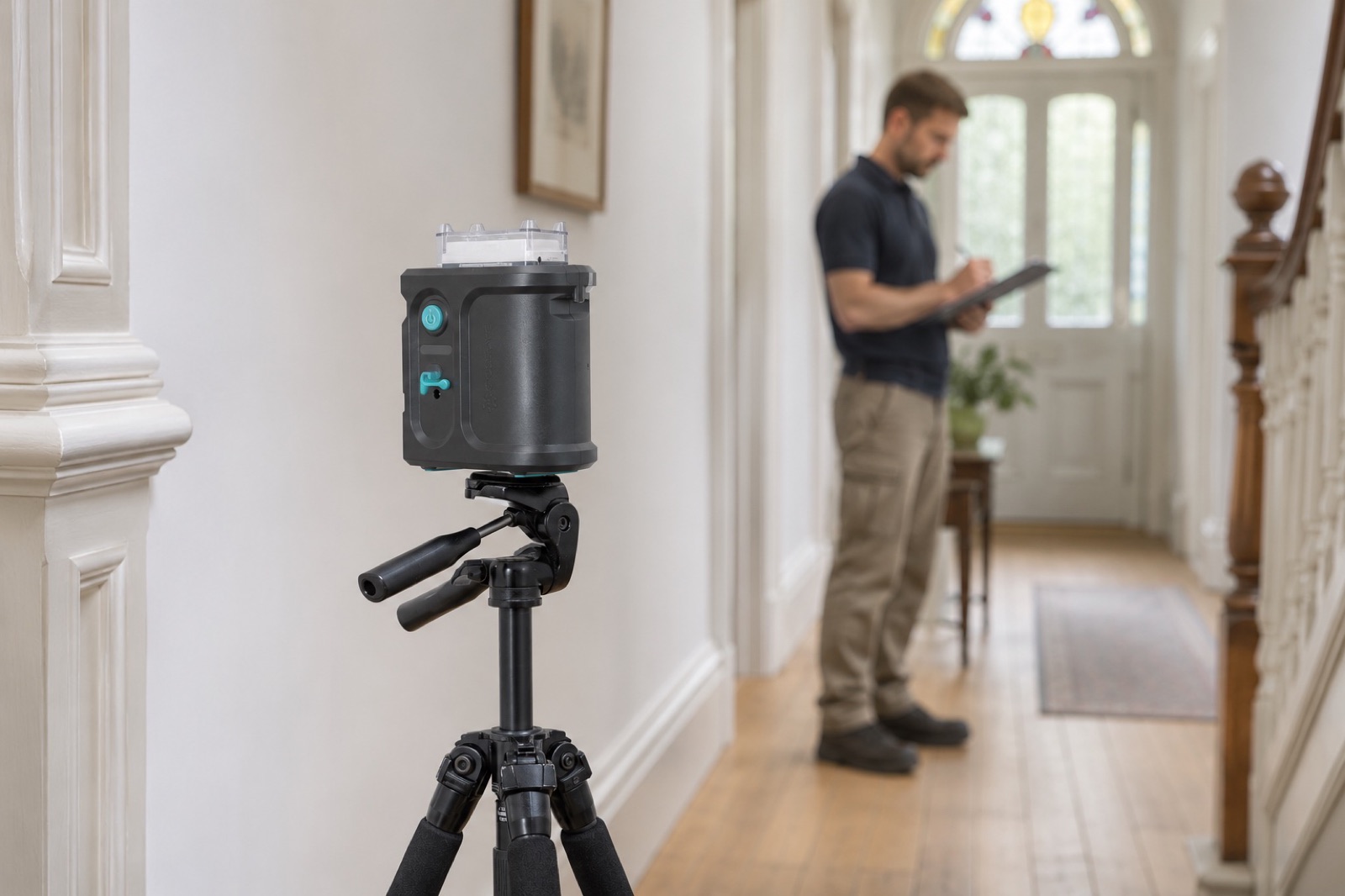
Mould Air Quality Testing (Air Pump Test)
Price £299 + VAT
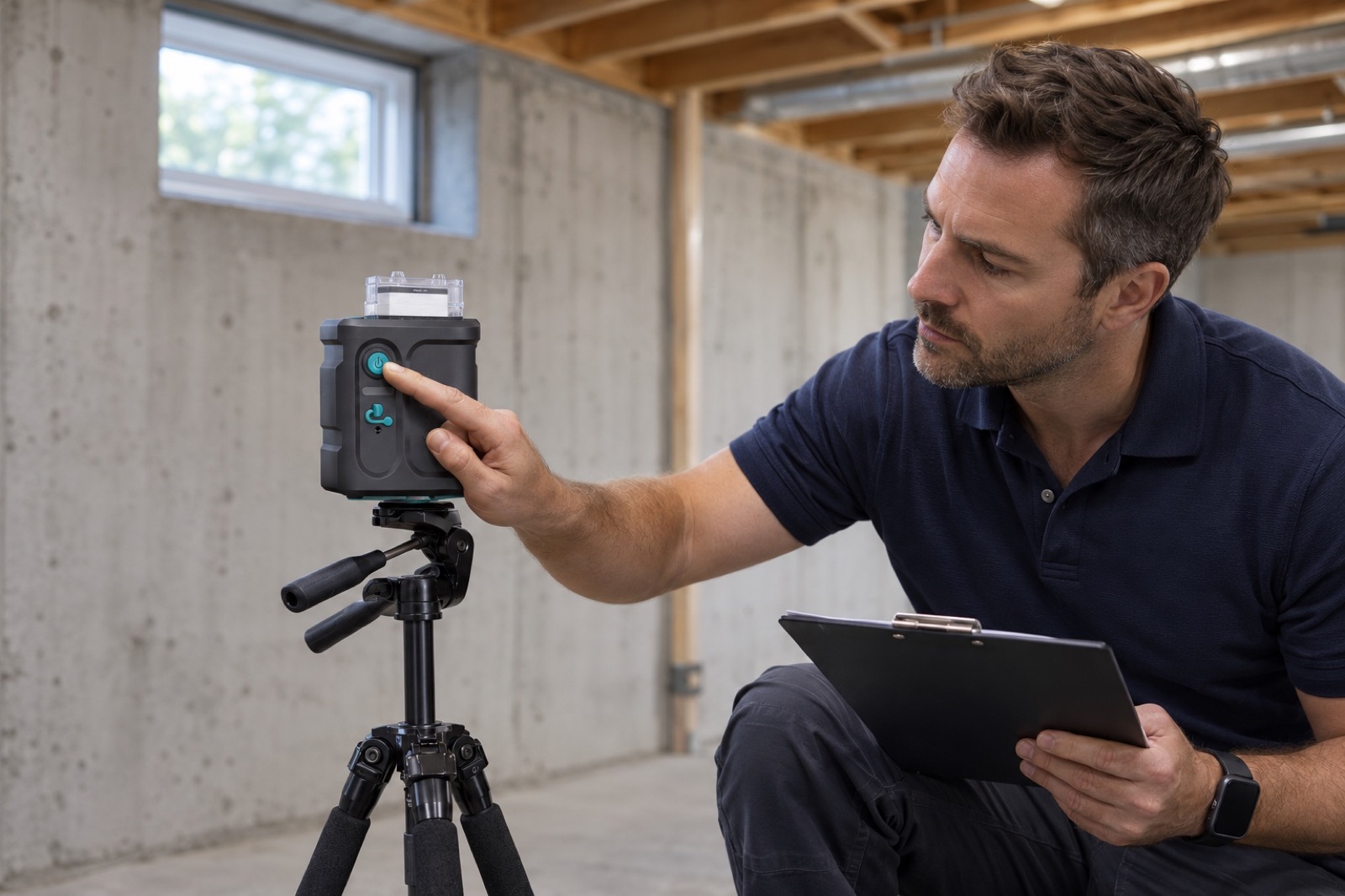
Description: Deploys a calibrated air-sampling pump to draw measured air volumes through specialised filter cassettes, capturing suspended fungal spores within internal living environments. Where beneficial for baseline comparison, parallel outdoor control air samples are collected simultaneously. The cassettes are submitted to an independent testing laboratory to establish total airborne spore concentrations and identify specific fungal types where sample analysis permits.
Value: Surface swabbing only determines whether mould DNA exists on a chosen contact patch. By contrast, volumetric air pump testing directly screens the circulating atmosphere that occupants breathe. This provides essential diagnostic evidence when investigating suspected airborne spore proliferation in spaces where high moisture is present but visible fungal growth has not yet broken through onto decorated surfaces.
This service can be beneficial when:
- Unseen fungal contamination is suspected within hidden cavities, sub-floors, or behind wall linings.
- Occupants report persistent, unresolvable musty odours or ongoing indoor air quality concerns.
- Assessing living spaces affected by recurrent condensation, inadequate airflow, or elevated humidity.
- Prospective property buyers or letting agents require documented baseline air quality data before completing transactions.
- Independent scientific verification is needed following plumbing leaks, flooding, or recent remedial works.
Note: Air pump sampling records active airborne spore concentrations present under the environmental conditions at the time of testing. All laboratory counts are interpreted alongside building moisture profiles, thermal patterns and mechanical extraction rates. We operate solely as an independent diagnostic surveying practice; we do not sell ventilation systems or carry out remedial treatments.
Add-On 4
Laboratory Analysis of Plaster Samples
Price £299 + VAT
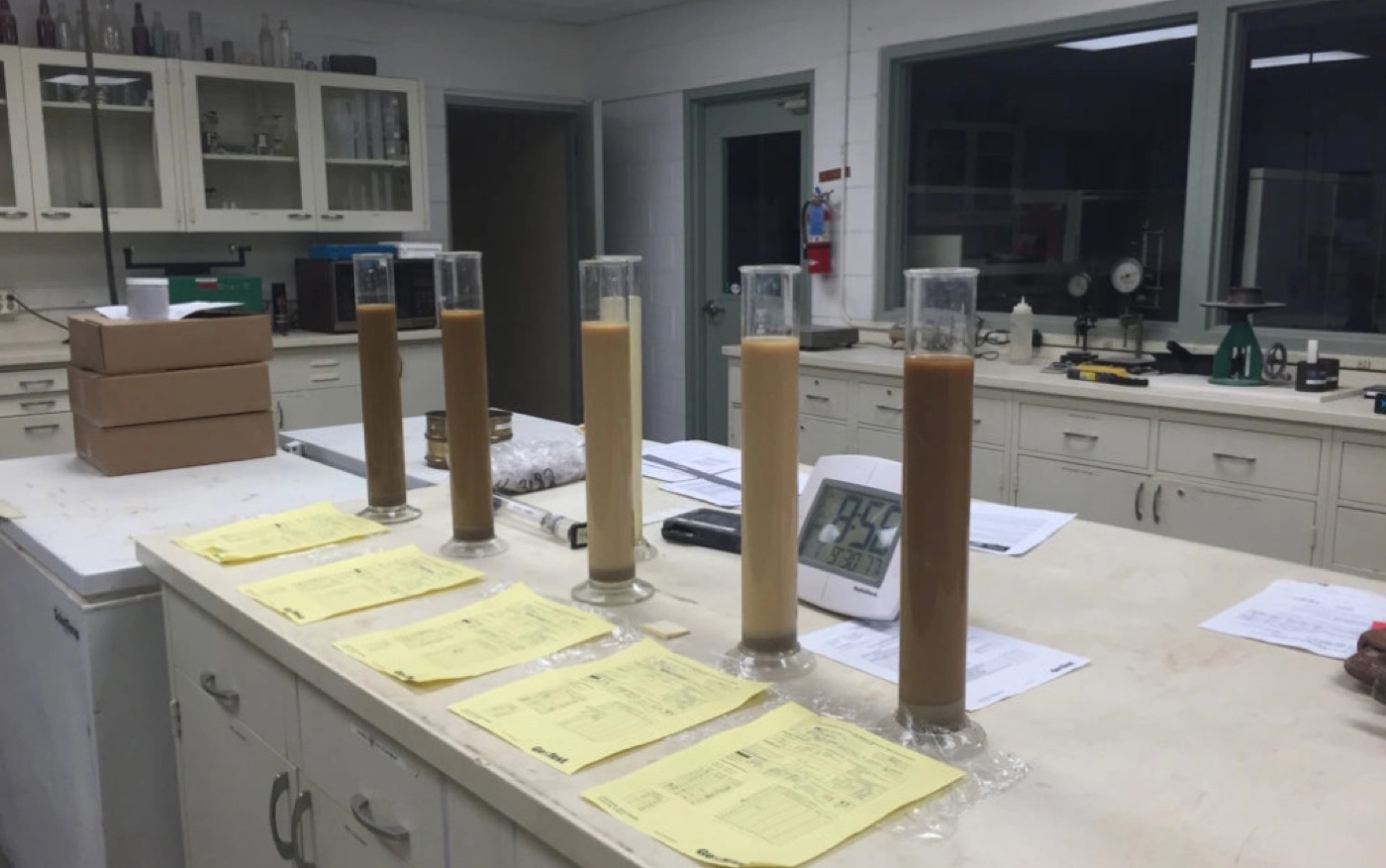
Small plaster samples are carefully taken from affected walls and submitted to an independent laboratory for salt analysis. The laboratory tests for the presence and precise concentration of hygroscopic salts, including nitrates and chlorides.
Diagnostic Value: Soluble ground salts are drawn up through masonry during rising damp and remain in plaster permanently. Salt analysis scientifically differentiates true rising damp from condensation or historic leak contamination.
Note: Plaster sampling requires minor material removal and is our only add-on involving minor invasive work.
Add-On 5
Gases, Chemical Vapours & Airborne Particle Testing
Price £299 + VAT
Comprehensive environmental air quality and gas screening tailored to specific property concerns.
Screening Suite Includes: IAQ air quality assessment, Volatile Organic Compounds (TVOC/VOC), Formaldehyde (HCHO), Particulate Matter (PM1.0, PM2.5, PM10), Sewer Gases (H2S, NH3, CH4), Combustion Gases (CO, O2) and ventilation performance.
Diagnostic Value: Air quality issues are often linked to damp, leaks and mould, but they cannot always be identified by a visual inspection alone. This testing helps detect hidden airborne contaminants, gases, chemical vapours and fine particles that may affect the property’s condition and indoor environment. It can also help identify problems such as poor ventilation, sewer gas ingress, off-gassing from building materials, combustion-related gases, or airborne particles following water damage, providing a more comprehensive understanding of the property’s condition.
It is also useful where a property has persistent unpleasant or unexplained odours. The testing can help investigate foul smells caused by damp, water damage, stagnant water, drains, sewer gases or chemical vapours, allowing the source of the odour to be identified more accurately.
Testing includes:
- Indoor Air Quality Testing- IAQ
- Volatile Organic Compound Testing- TVOC / VOC
- Formaldehyde Testing- HCHO
- Fine Particulate Matter Testing- PM1.0 / PM2.5 / PM10
- Dust and Smoke Particle Testing- PM1.0 / PM2.5 / PM10
- Sewer Gas Testing- H2S / NH3 / CH4
- Gas Leak Screening- CH4 / C3H8
- Carbon Monoxide Testing- CO
- Hydrogen Sulfide Testing- H2S
- Ammonia Odour
- Testing- NH3
Oxygen Level Testing- O2 - Ventilation / Stale Air Assessment- IAQ / TVOC
- Drain Smell Investigation- H₂S / NH3 / CH4
- Chemical Odour Investigation- TVOC / VOC / HCHO / NH3
- Post-Leak Air and Surface
- Condition Assessment- PM2.5 / TVOC
- Combustion Gas Safety Screening- CO / O2 / CH4
- Building Material Off-Gassing Assessment- TVOC / HCHO
- Airborne Pollutant Screening- PM1.0 / PM2.5 / PM10 / TVOC
Add-On 6
Biological, Organic Contamination and Odour Detection Testing
Price £699 + VAT
Description: A specialised environmental diagnostic service designed to detect and verify biological residues and organic contamination across residential and commercial buildings. Depending on the nature of the suspected contamination, samples are extracted using sterile surface swabs, targeted material recovery, or specialised analytical techniques before submission to an accredited laboratory for evaluation.
Value: Delivers forensic laboratory confirmation of biological matter and organic residues that remain completely undetectable through visual surveys alone. Independent scientific testing provides uncompromised evidence regarding bodily fluids, waste ingress, bacterial proliferation and animal contamination, ensuring property managers, prospective purchasers and legal advisers obtain an impartial diagnosis of internal sanitary conditions.
Testing categories can include:
- Human bodily fluids: Blood and suspected blood residues; urine and urine residues; semen and suspected semen residues; saliva and saliva residues; and other suspected bodily fluids (subject to laboratory capability).
- Human waste and associated contamination: Faecal matter and suspected faecal residues; biological residues associated with human waste; and laboratory indicators of faecal contamination where test protocols exist.
- Animal waste and biological residues: Droppings and faecal matter from pests or domestic animals; urine residues; animal bodily fluid residues (subject to laboratory capability); and biological matter linked to animal activity within sub-floors and roof spaces.
- Bacterial contamination: General bacterial presence; specific bacterial indicators associated with sewage or greywater ingress; and targeted bacterial organisms where laboratory testing is available.
- Other biological and organic residues: Suspected organic deposits on masonry, timber, or floor coverings; residues resulting from human or animal occupation; and mixed biological matter that cannot be verified by eye.
This service can be beneficial when:
- A property has experienced soil pipe breaches, drainage overflows, or escape of blackwater.
- Pervasive, foul, or unexplained organic odours persist despite cleaning efforts.
- Sub-floor voids or roof spaces exhibit suspected rodent, avian, or pet contamination.
- Certified sanitary evidence is required following tenant eviction, long-term property neglect, or trauma incidents.
- Objective laboratory verification is needed to determine decontamination requirements before purchase or lease.
Note: The exact sampling method is determined by the suspected material, the substrate investigated and the required depth of laboratory analysis. As an independent surveying company, all findings are fully objective and completely free from any financial connection to cleaning or restoration contractors.